
🍃 Red Malabar Malabar Spinach
What it looks like
Why this variety
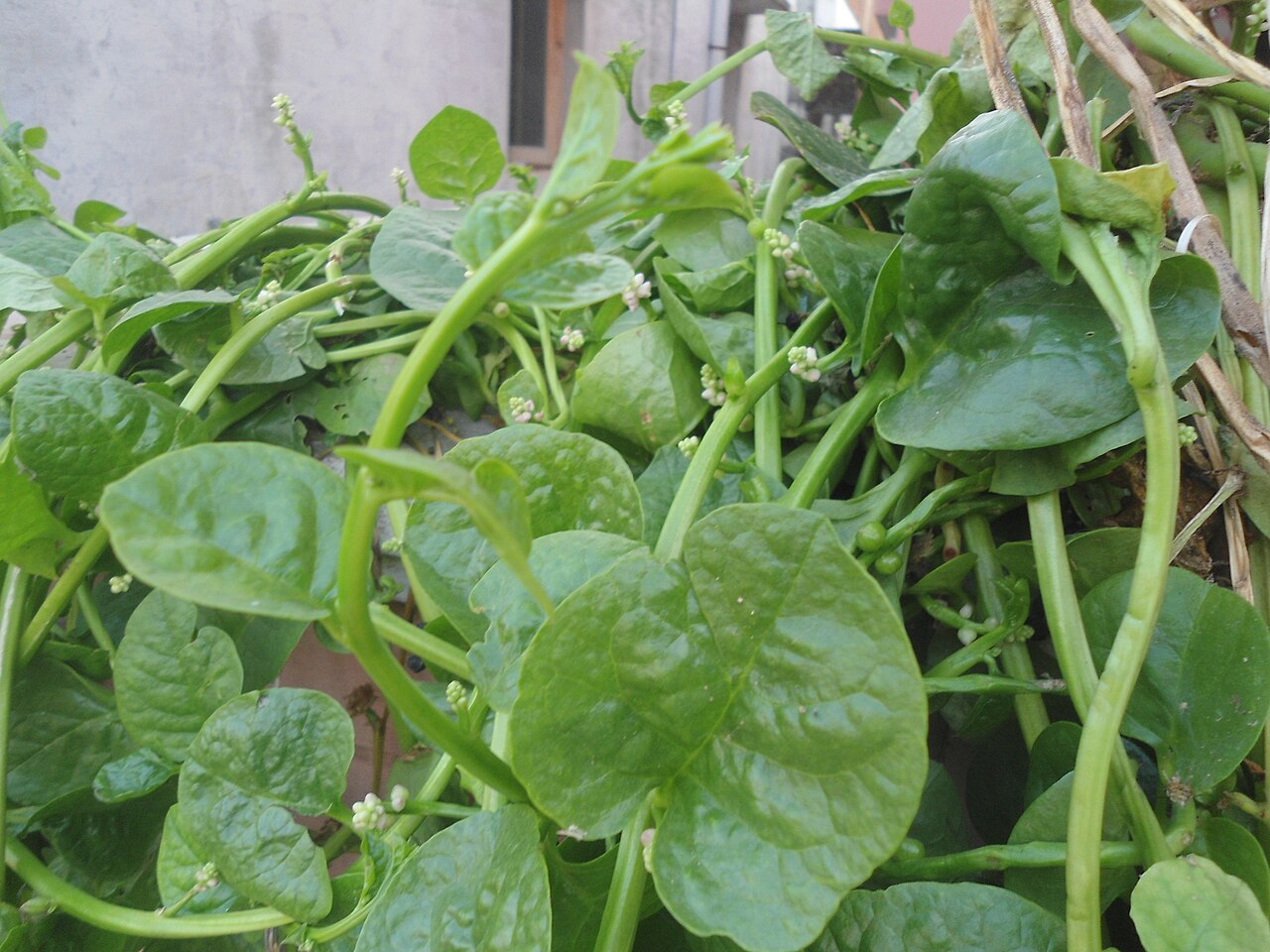
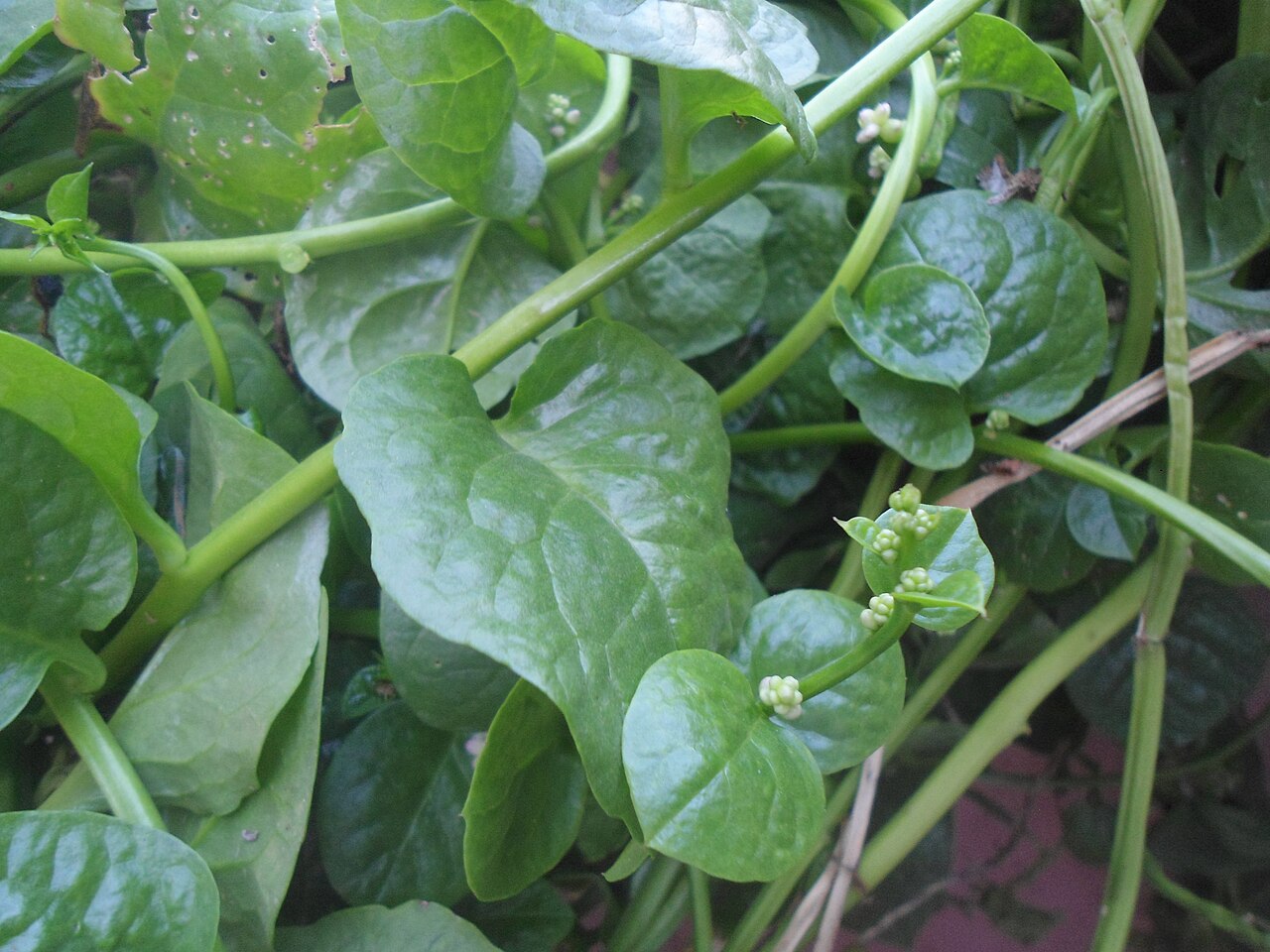
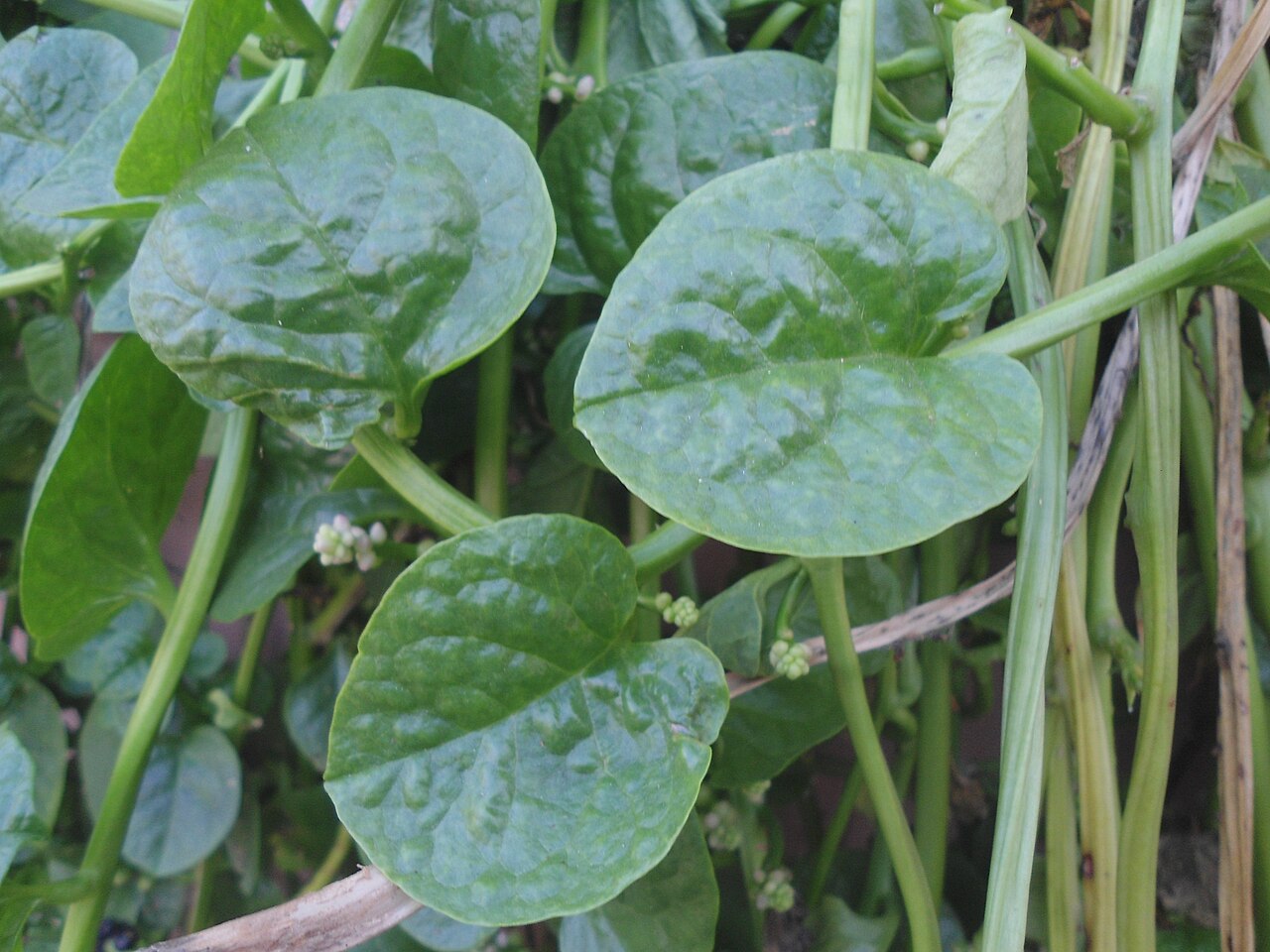
Red Malabar — Basella rubra, the red-stemmed form — is Malabar spinach as an ornamental: magenta-red stems, glossy green leaves with red veins, and dark purple berries, all of it edible, all of it gorgeous on a fence. The flavor matches Green Malabar closely — mild, slightly earthy, succulent — so the choice between them is mostly about what you want to look at while you pick dinner.
Red stems have a kitchen footnote: the pigment bleeds into cooking water and stains soups a faint pink, which some cooks love and others avoid by using Red Malabar raw or lightly cooked. If you want green soup, plant Green; if you want a fence that stops traffic, plant Red — or plant both and let the fence do the talking.
If you are new to choosing between cultivars, the Varieties Matter guide explains why the name after the plant matters as much as the plant itself. And if you want the whole clan at a glance, the broader Malabar Spinach guide covers malabar spinach generally.
How to grow
In Florida, Malabar spinach is the summer spinach substitute that actually likes summer: plant it after the soil warms, give it a trellis or fence to climb, and pick leaves all through the hottest months when true spinach has long since bolted. It is mucilaginous when cooked — thickening soups the way okra does — so if that texture is not your favorite, use it young and raw in salads.
Grow it like Green Malabar: warm soil, soaking or nicking seed for germination, trellis or fence, pinching for branching, and regular picking. Red Malabar is just as vigorous and just as heat-loving, and it appreciates the same steady water and compost through the season.
Water & feeding
Malabar spinach drinks steadily in summer heat and sulks in drought. Water deeply, mulch to hold moisture, and feed with compost through the season; a well-fed vine can grow several feet in a month and keep producing until frost.
Common problems
Slugs on young plants are the main pest; vigor is the main management issue — prune and pick often. Flowering slows leaf production, so keep snipping tips if leaves are the goal, or let a few vines flower for berries and beauty.
Harvest
Pick leaves and tender tips as needed from about 60 days on. Young leaves are best raw; mature leaves are best cooked, where their mucilage thickens soups. The berries are edible but mostly used as dye — handle them with the respect due to anything that stains that well.
Nerdy fact: Red Malabar’s magenta comes from betalains, the same pigment family that colors beets and bougainvillea — which means your spinach substitute is chemically closer to a beet than to spinach, and your fence is, technically, a beet relative showing off.
Saving seeds
Red Malabar — Basella rubra, the red-stemmed form — is Malabar spinach as an ornamental: magenta-red stems, glossy green leaves with red veins, and dark purple berries, all of it edible, all of it gorgeous on a fence. The flavor matches Green Malabar closely — mild, slightly earthy, succulent — so the choice between them is mostly about what you want to look at while you pick dinner. As an open-pollinated Malabar spinach it comes true from seed: in Florida, Malabar spinach is the summer spinach substitute that actually likes summer — plant it after the soil warms, give it a trellis or fence to climb, and pick leaves all through the hottest months when true spinach has long since bolted. Grow it like Green Malabar: warm soil, soaking or nicking seed for germination, trellis or fence, pinching for branching, and regular picking. The full method is in the Saving seeds section of the Malabar Spinach guide.