
🥬 Southern Giant Curled Mustard Greens
What it looks like
Why this variety
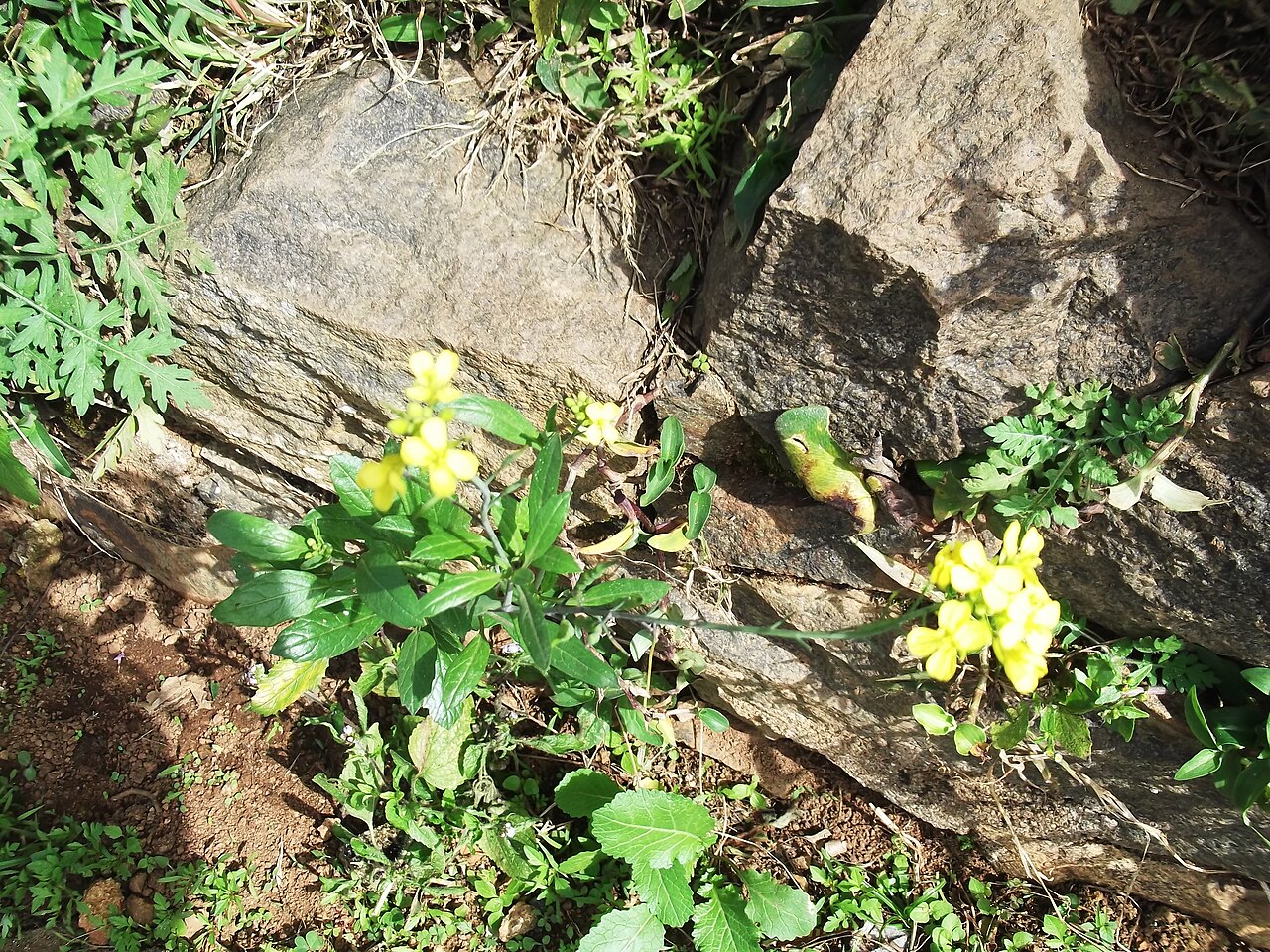
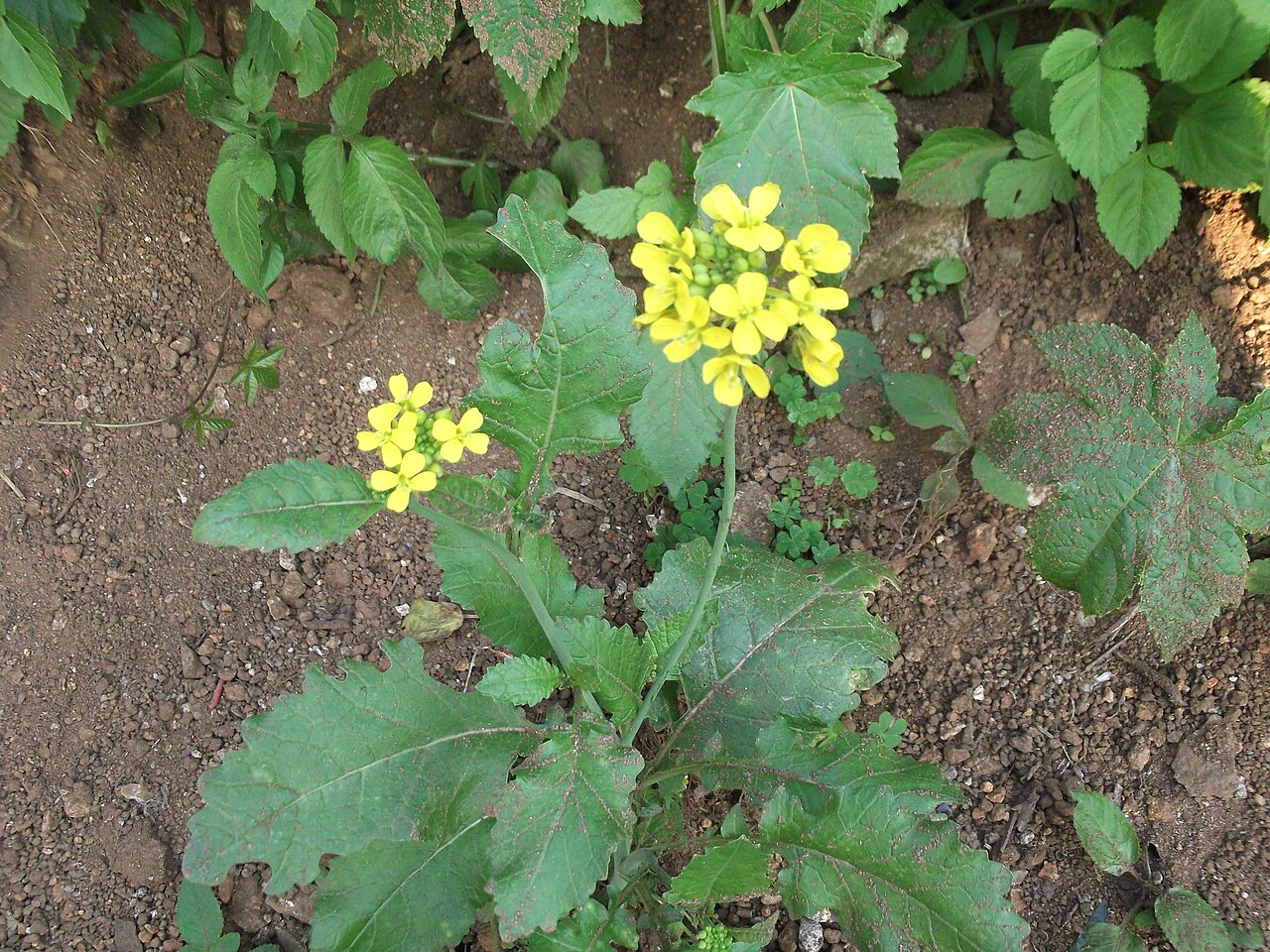
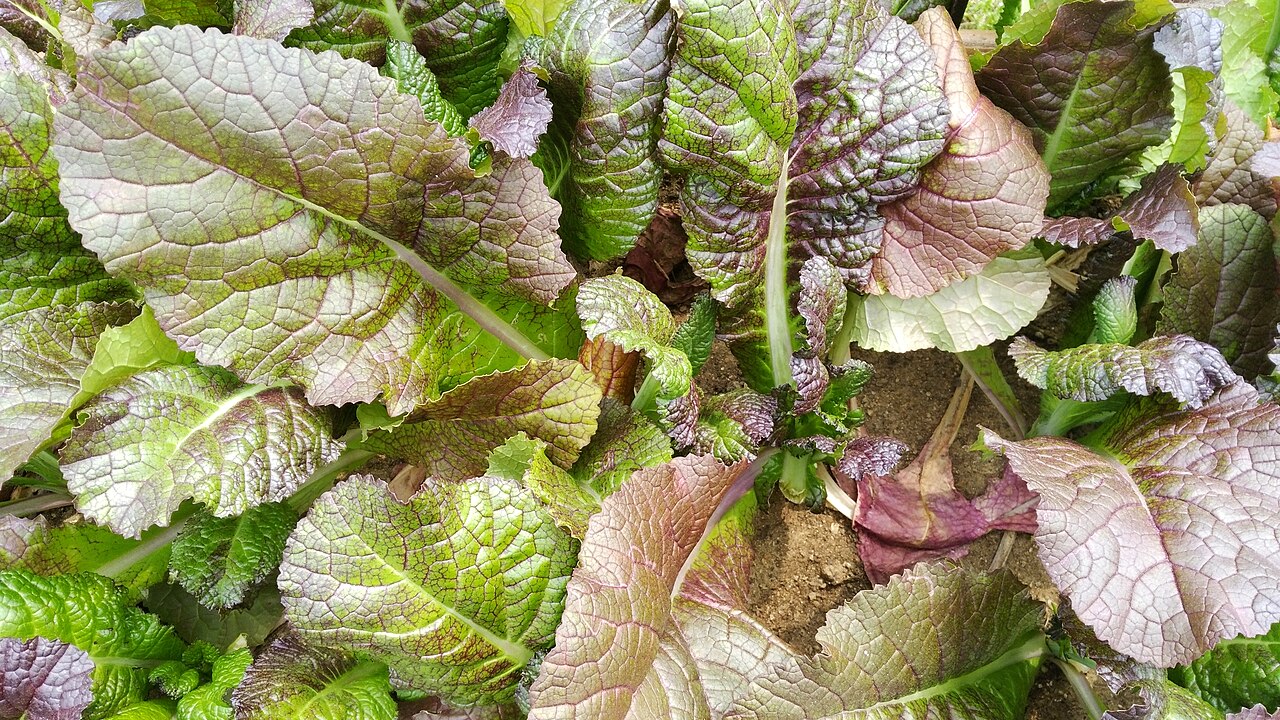
Southern Giant Curled is the mustard green of the Southern garden: huge, deeply frilled, bright green leaves with a bold, peppery bite, ready in about 45 days and famous for producing enormous plants that feed a family from a single row. It is the mustard of the classic potlikker — simmered with a ham hock until tender, served with cornbread to sop the liquor — and it has fed the South for generations.
Size is the point: Southern Giant Curled plants can reach 2 feet tall and wide, with leaves a foot long, which means a short row is a serious harvest. The frills are not just for looks — they trap seasoning and potlikker the way ridges trap sauce on pasta, and a frilly leaf in a pot of greens is a leaf that tastes seasoned all the way through.
If you are new to choosing between cultivars, the Varieties Matter guide explains why the name after the plant matters as much as the plant itself. And if you want the whole clan at a glance, the broader Mustard Greens guide covers mustard greens generally.
How to grow
In Florida, mustard greens are a fall-through-spring staple: sow from fall into winter, harvest leaves young for mild flavor or full-size for the full peppery punch, and succession-sow for a steady supply. A light frost sweetens them, and a warm spell turns them hotter and quicker to bolt — pick early and often in a warm spring.
Sow directly or transplant 12 inches apart in rich, moist soil. In warm climates, sow from fall through early spring, and give afternoon shade if a warm spell hits. Succession-sow every two to three weeks for a steady supply rather than one giant glut.
Water & feeding
Mustard greens grow fast and drink steadily. Keep the soil evenly moist, mulch to hold that moisture, and feed with compost at planting and again halfway to harvest. Drought stress turns the flavor from pleasantly peppery to punishingly hot, so keep the hose handy.
Common problems
Flea beetles love mustard seedlings, and cabbage worms love the leaves; row cover over young plants solves most of it. Harlequin bugs can trouble mustards in warm weather — hand-pick them, and remove the egg masses from leaf undersides. Heat turns the flavor hotter and pushes bolting, so harvest early and often in a warm spring.
Harvest
Harvest outer leaves as needed once they are a hand high, or cut the whole plant at 45 days. Young leaves are mild enough for salads; full-size leaves want cooking, where their peppery bite mellows into something rich and savory. Save the cooking liquid — potlikker is the prize, not the byproduct.
Nerdy fact: Mustard greens’ peppery bite comes from the same glucosinolates as horseradish and wasabi — which makes your pot of greens a chemical cousin of the fiercest condiments in the kitchen, tamed by simmering into dinner.
Saving seeds
Southern Giant Curled is the mustard green of the Southern garden: huge, deeply frilled, bright green leaves with a bold, peppery bite, ready in about 45 days and famous for producing enormous plants that feed a family from a single row. It is the mustard of the classic potlikker — simmered with a ham hock until tender, served with cornbread to sop the liquor — and it has fed the South for generations. As an open-pollinated mustard green it comes true from seed: in Florida, mustard greens are a fall-through-spring staple — sow from fall into winter, harvest leaves young for mild flavor or full-size for the full peppery punch, and succession-sow for a steady supply. A light frost sweetens them, and a warm spell turns them hotter and quicker to bolt — pick early and often in a warm spring. Sow directly or transplant 12 inches apart in rich, moist soil. In warm climates, sow from fall through early spring, and give afternoon shade if a warm spell hits. The full method is in the Saving seeds section of the Mustard Greens guide.