
🐑 Big Ears Lamb’s Ear
What it looks like
Why this variety
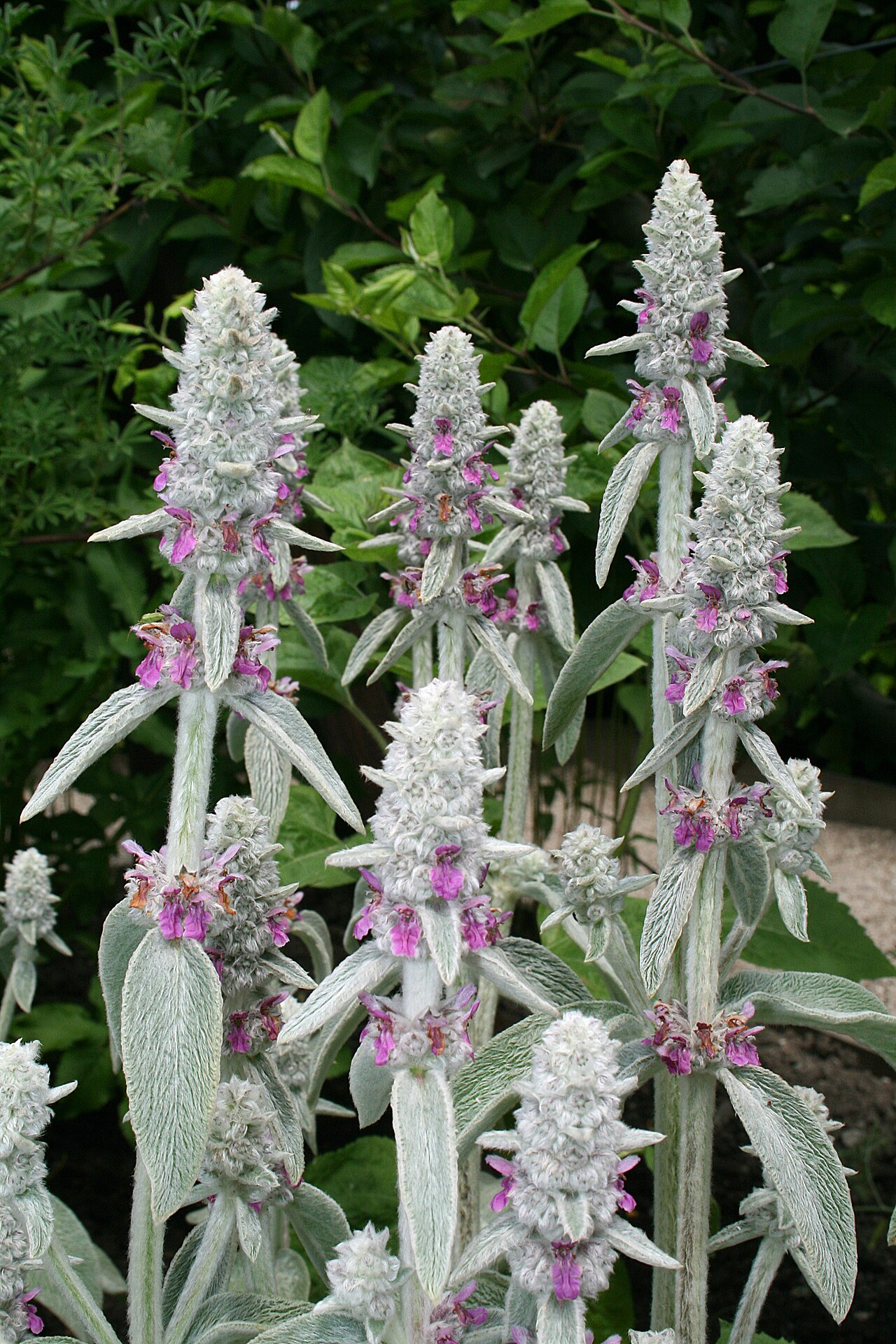
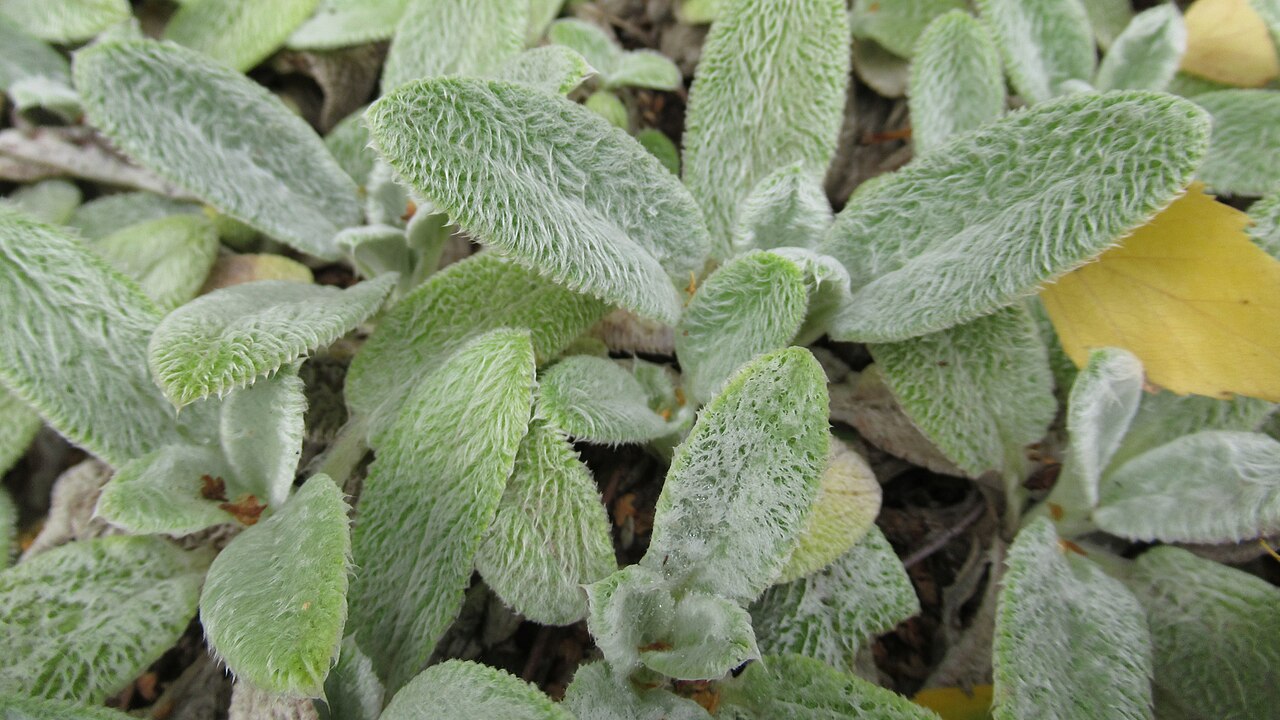
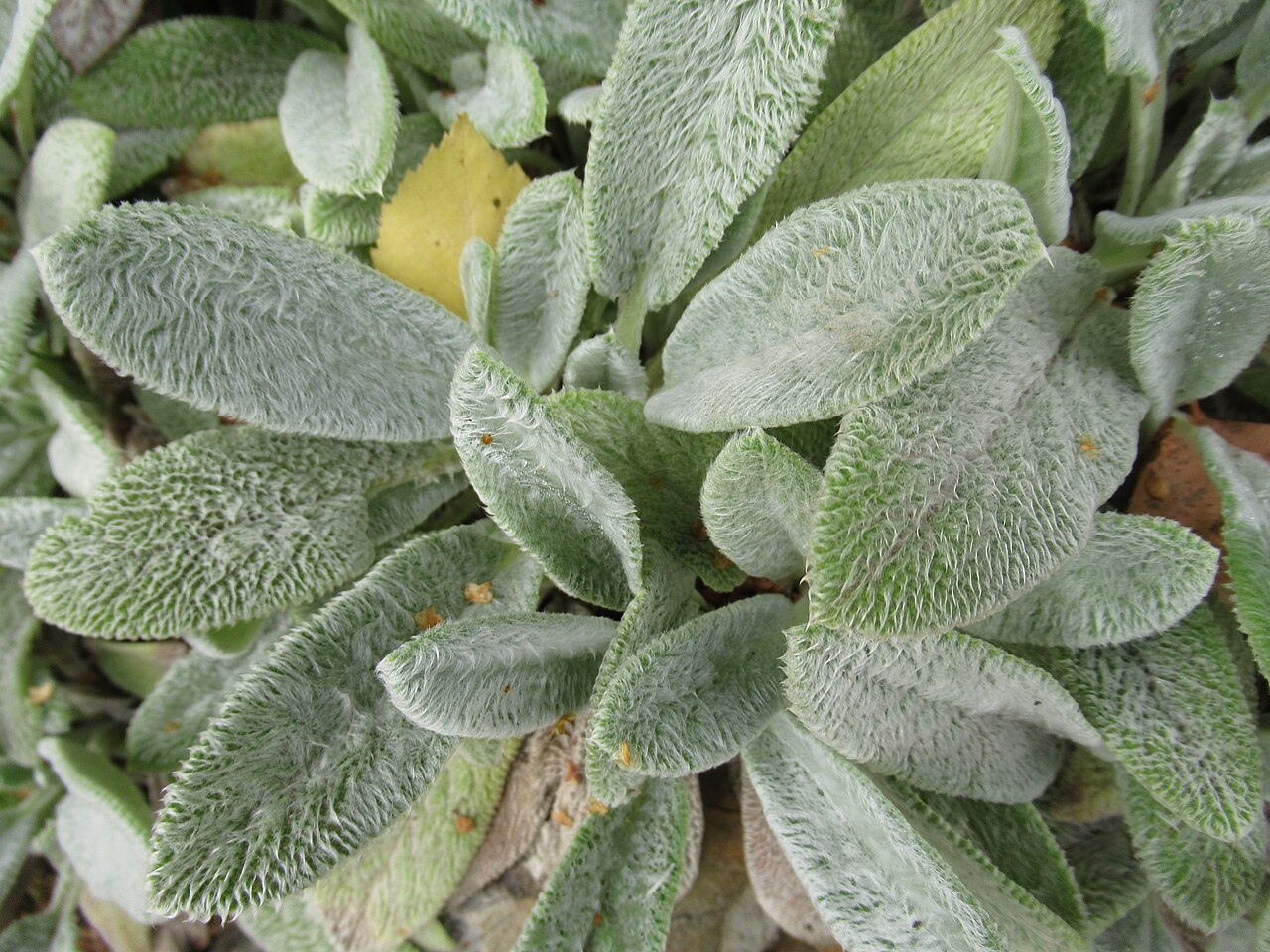
Big Ears — sold also under the name Helene von Stein, after the gardener who selected it — is the lamb’s ear for gardeners who looked at ordinary lamb’s ear and thought, bigger: leaves up to a foot long and several inches wide, thickly felted in silver, on a plant that forms a bold, architectural mound rather than a polite edging. It rarely flowers, which means it rarely flops, and its leaves are so large and so soft that it is the plant children are drawn to first in any garden, ahead of every flower. Plant it where hands can reach it, because that is its job.
The trade-off is the same as all lamb’s ear, scaled up: big felted leaves trap more moisture, so Big Ears rots faster in wet soil and humid crowns than its smaller cousins. Give it full sun, sharp drainage, lean soil, and air, keep mulch pulled back from the crown, and do not water overhead. Give it room, too — a mature Big Ears mound spreads to 2 feet or more, and crowding it against a wall invites rot. In return you get the most touchable plant in the garden, which is a real category, and Big Ears wins it.
If you are new to choosing between cultivars, the Varieties Matter guide explains why the name after the plant matters as much as the plant itself. Big Ears is a perfect example: it is not just a lamb’s ear in the abstract, it is a lamb’s ear with a specific job, a specific history, and specific strengths.
Florida honesty: lamb’s ear is a North and Central Florida trial, not a South Florida perennial, and Big Ears’ large leaves make drainage and air even more important in Florida’s wet summers. In North Florida it performs as a bold sunny mound; in Central Florida, give it sun, a raised bed or sharp drainage, and space for air, and replace after a wet summer if it declines. Do not plant it in a low, wet spot.
How to grow
Plant in spring or fall in full sun and sharply drained, even lean soil — lamb’s ear is a sun-and-drainage plant that rots in rich, wet soil faster than it starves in poor soil. Work a little worm castings into the bed at planting, do not overfeed it, and space for air. Keep mulch pulled back from the crown, water at the soil line, and divide congested clumps in spring or fall.
Set plants 18-24 inches apart in soil with a pH around 6.0-7.5. Work worm castings into the bed at planting and mulch to hold moisture. A well-fed lamb’s ear plant rewards that care directly: steadier growth, better bloom, and a show that actually shows up.
Water & feeding
Water to establish, then water sparingly — lamb’s ear is drought-tolerant once established and rots in wet soil, so overwatering is the mistake to avoid. Water at the soil line, do not mulch heavily, and feed lightly: castings at planting is usually enough, because rich soil makes floppy lamb’s ear instead of tidy lamb’s ear.
Common problems
- Crown rot in wet soil — lamb’s ear’s killer in humid climates; plant in sharp drainage, keep mulch off the crown, and do not plant where rain ponds.
- Flopping flower stalks — the species flowers tall and flops; Silver Carpet and Big Ears rarely flower, which solves the problem by breeding.
- Scorch and melting in humid summers — felted leaves trap moisture and rot; give it sun, air, and drainage, and cut out rotted leaves promptly.
- Self-seeding of flowering types — volunteers appear freely from flowering plants; deadhead or choose non-flowering forms like Silver Carpet.
- Short life in hot, wet summers — heat plus wet soil shortens lamb’s ear life; in warm zones, treat it as a trial in sharp drainage.
Harvest
Cut leaves for foliage arrangements from spring into fall, when leaves are fully felted — lamb’s ear leaves last well in water and suit soft, cottage-style arrangements, and children will claim any cut leaves within reach. The real harvest is touch: a lamb’s ear border is a sensory garden in one plant. Divide congested clumps in spring or fall, cut out rotted leaves promptly in humid weather, and do not compost diseased foliage.
Browse all plant & pest guides
Saving seeds
Big Ears is a selected cultivar, so seed saved from it won’t come true — divide congested clumps instead. The Saving seeds section of the Lamb’s Ear guide covers seed for the straight species.