
🌿 Goldberg Golden Purslane
What it looks like
Why this variety
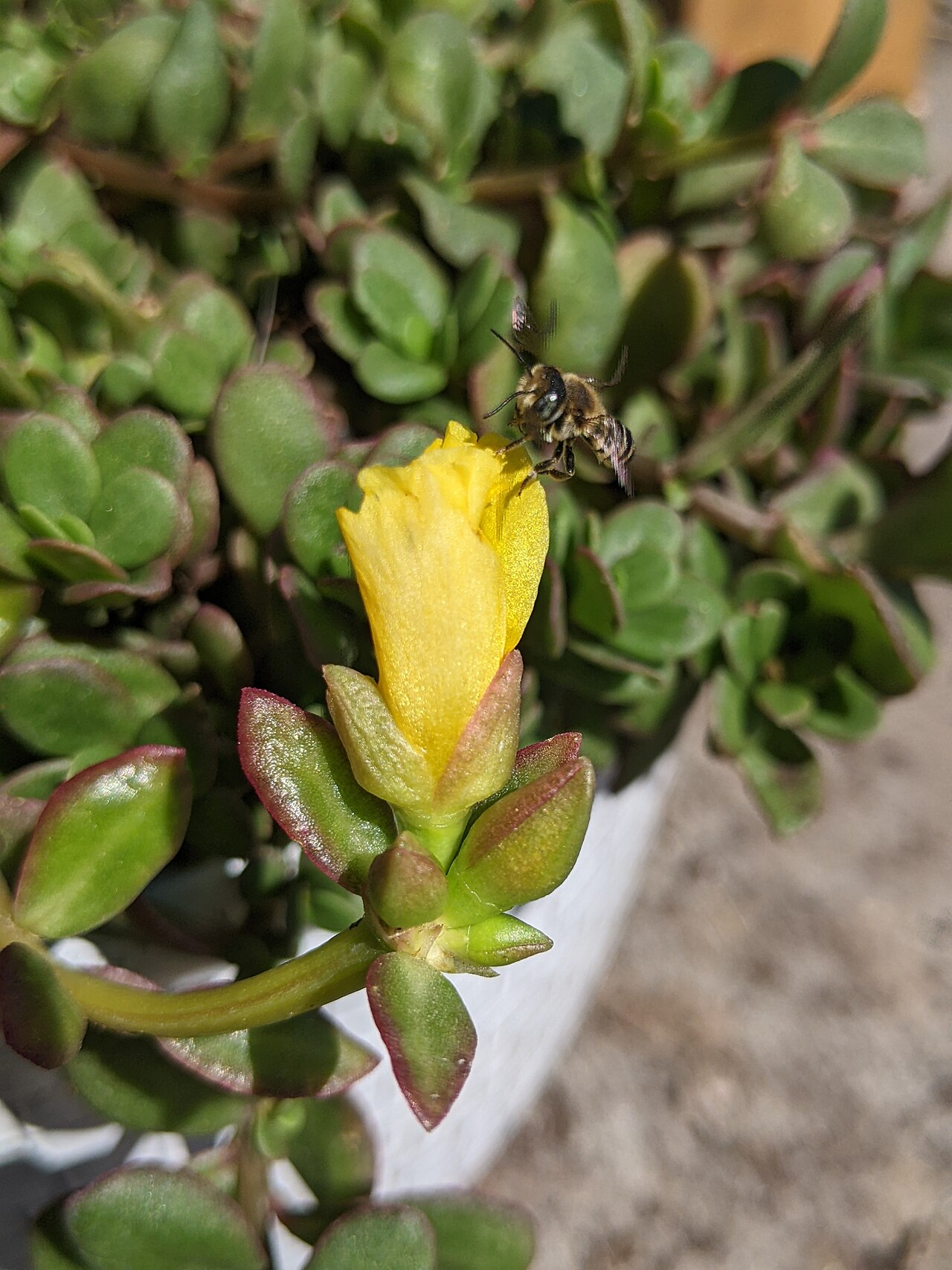
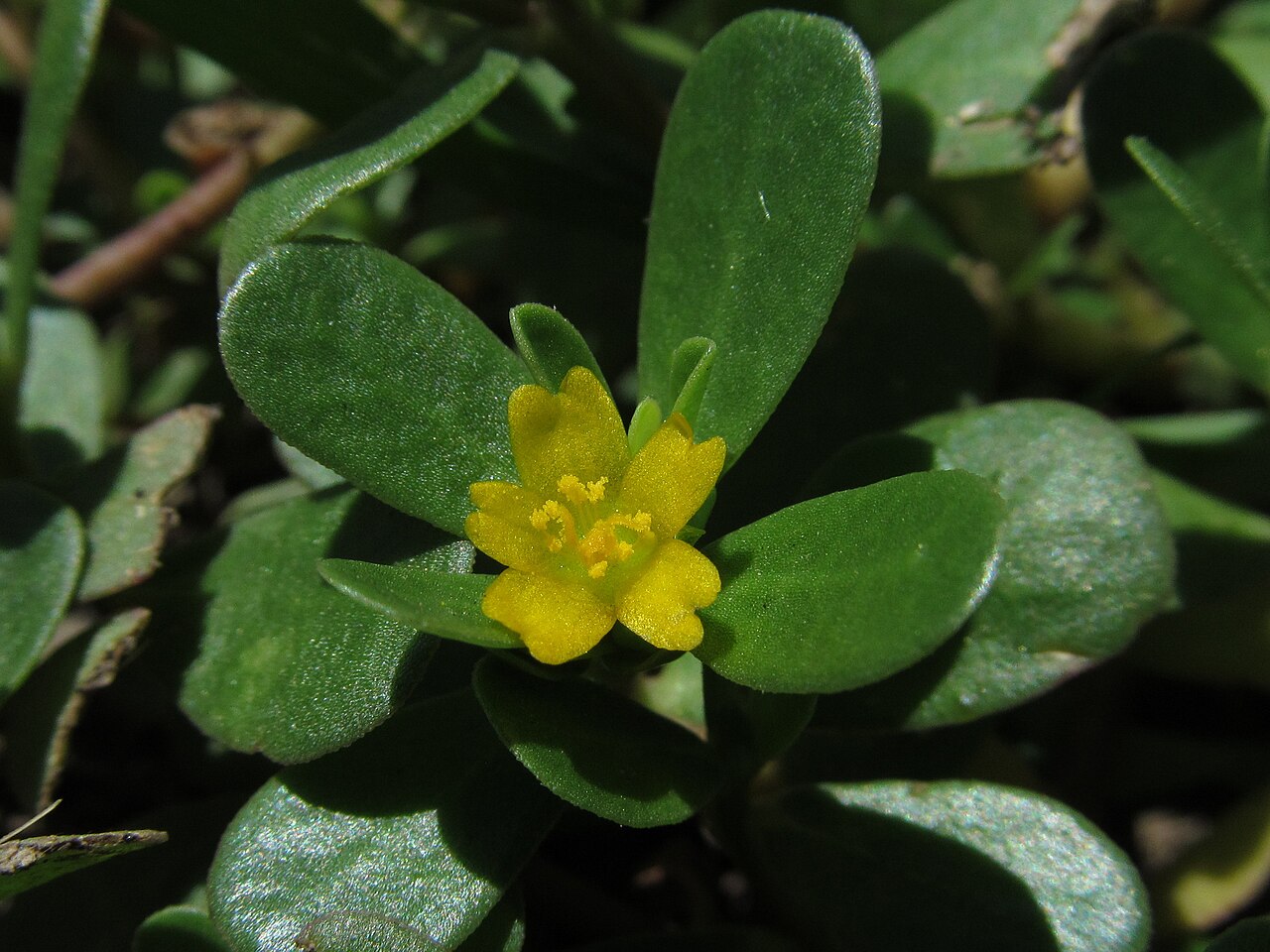
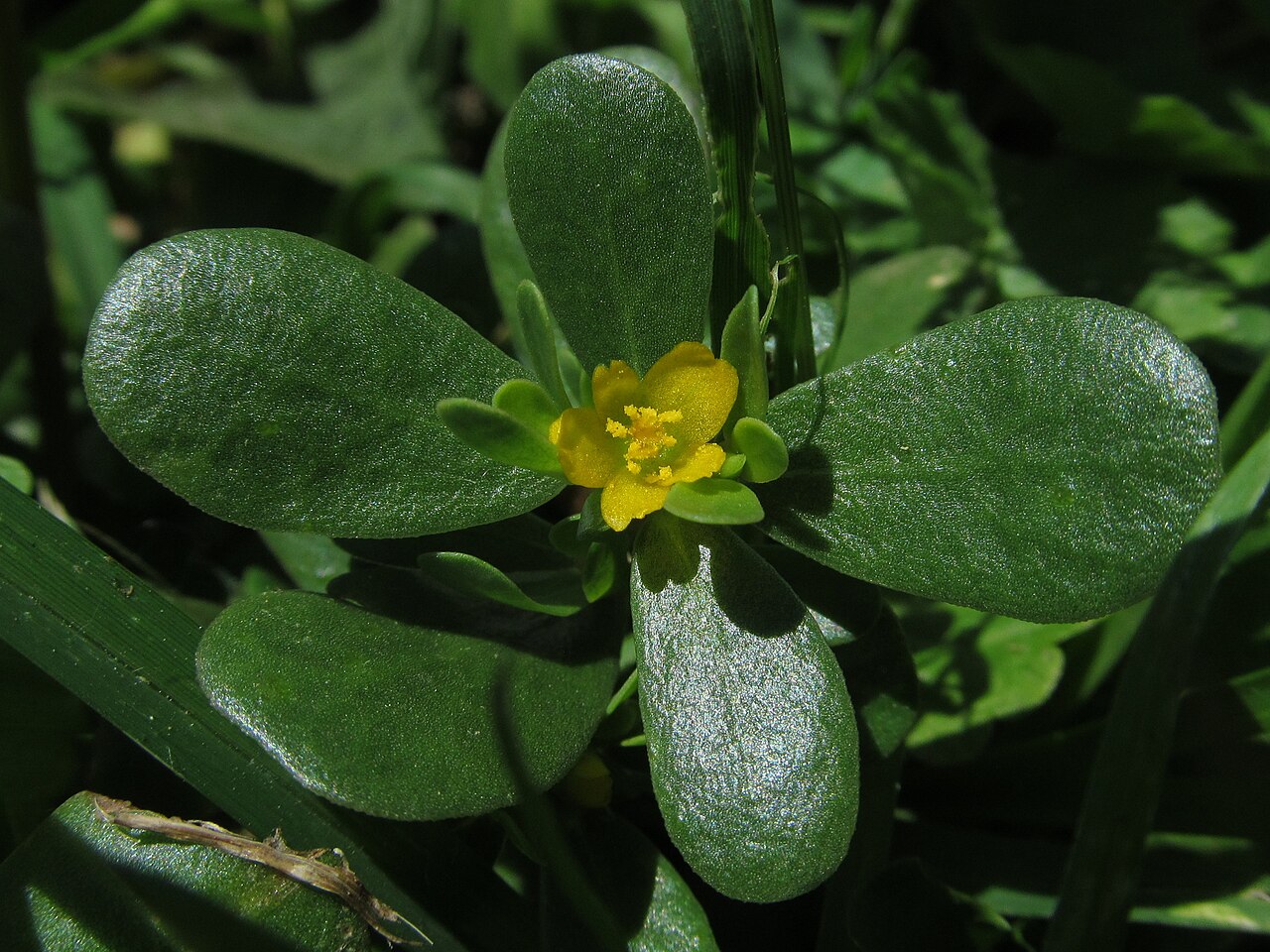
Goldberg Golden — also sold as Goldgelber — is the large-leaved golden purslane: broad, golden-green, succulent leaves on upright stems, bred and selected as a garden vegetable rather than a weed with ambitions. It is the purslane to plant if you want the biggest, cleanest leaves for the table, because the upright habit keeps the leaves off the soil and the broad leaves give you more salad per snip than the smaller-leaved forms.
Size matters in the kitchen: a broad Goldberg leaf holds dressing, stands up in a salad mix, and gives you a satisfying bite where a small leaf disappears. The flavor is mild, slightly tangy, and very tender, which makes it the purslane for people who want the nutrition and the novelty without the wild edge — a gourmet green that still grows like it does not care.
If you are new to choosing between cultivars, the Varieties Matter guide explains why the name after the plant matters as much as the plant itself. And if you want the whole clan at a glance, the broader Purslane guide covers purslane generally.
How to grow
In Florida, purslane is in its element: this is a heat-loving succulent that treats a humid summer the way other greens treat a mild spring, which is to say, with enthusiasm. Plant it after the soil warms and pick it all summer, when the cool-season greens have long since given up. One honest warning, though: purslane self-seeds with legendary generosity, so grow the cultivated upright forms in a bed you control, harvest before it scatters seed everywhere, and never let it convince you that the weedy flat form in the driveway is the same dinner — the cultivated forms are upright, clean, and bred for the table.
Sow after the soil warms in full sun, thin to 6–12 inches apart, and keep the soil moist for plump, broad leaves — Goldberg rewards regular water with leaves noticeably larger than a drought-grown plant’s. Give it rich, well-drained soil rather than the poorest corner of the garden; this is a selected vegetable, and it repays good ground with a genuinely generous harvest.
Water & feeding
Purslane is a succulent, so it tolerates drought better than almost any other green — but the leaves are plumpest and mildest with regular water. Water when the soil dries, mulch lightly, and feed sparingly; overfeeding a succulent just gives you leggy stems and less flavor per bite.
Common problems
As with all purslane, the pest list is short and the self-seeding list is long: harvest before seed set, or accept volunteers as a bonus crop. Goldberg’s upright habit helps with cleanliness — leaves stay off the soil and out of the mud — but it does not help with containment, so cut seed heads before they shatter if you want one patch, not a purslane neighborhood.
Harvest
Snip broad leaves and tender stem tips as needed, starting when the plant is a few inches across, and use them raw in salads for the best texture and color. Larger leaves can be wilted briefly or stirred into soups, where they add a silky body and a gentle lemon note.
Nerdy fact: Purslane’s reputation as a weed and as a vegetable are both true, and the difference is selection: the weedy form sprawls flat, hugs the ground, and seeds everywhere, while Goldberg and its cultivated kin grow upright, stay clean, and put their energy into big, tender leaves. Same species, different upbringing — which is a useful reminder that a weed is often just a vegetable nobody selected yet.
Saving seeds
Goldberg Golden is a selected garden purslane grown from seed, so saved seed comes true — but purslane self-seeds with legendary generosity, so harvest the seed heads before they scatter or you’ll have it everywhere. The full method is in the Saving seeds section of the Purslane guide.