
🌾 Regal Mist Muhly Grass
What it looks like
Why this variety
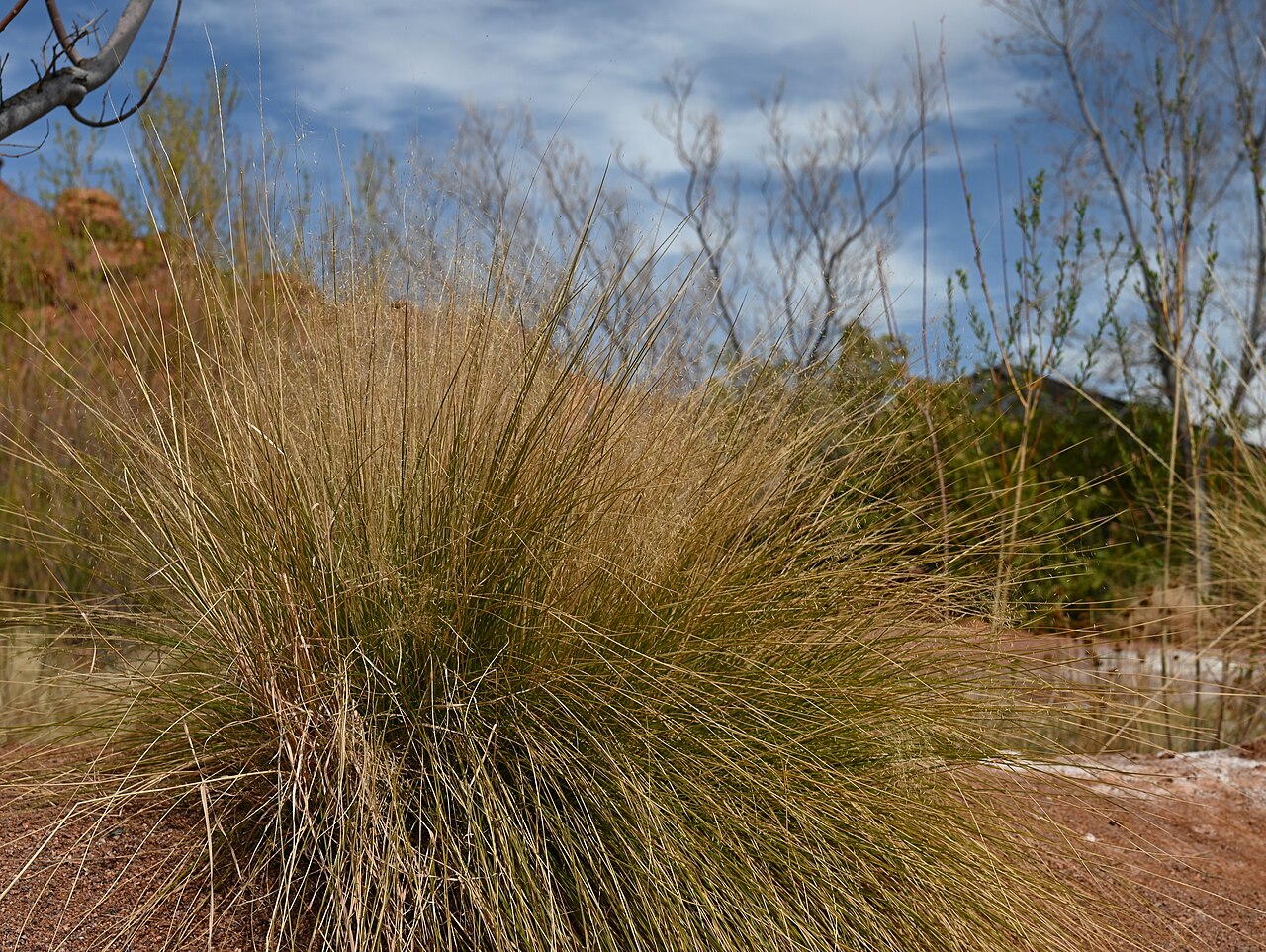
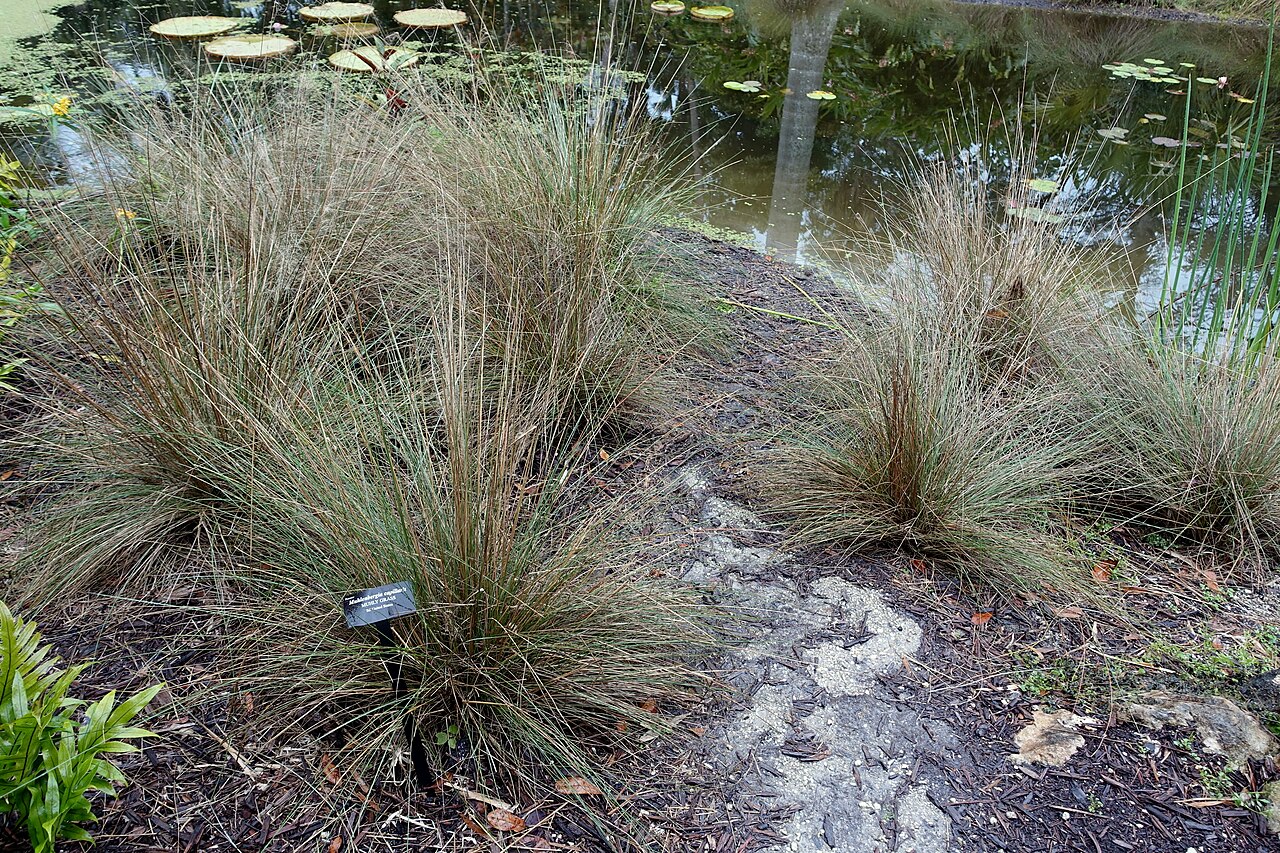
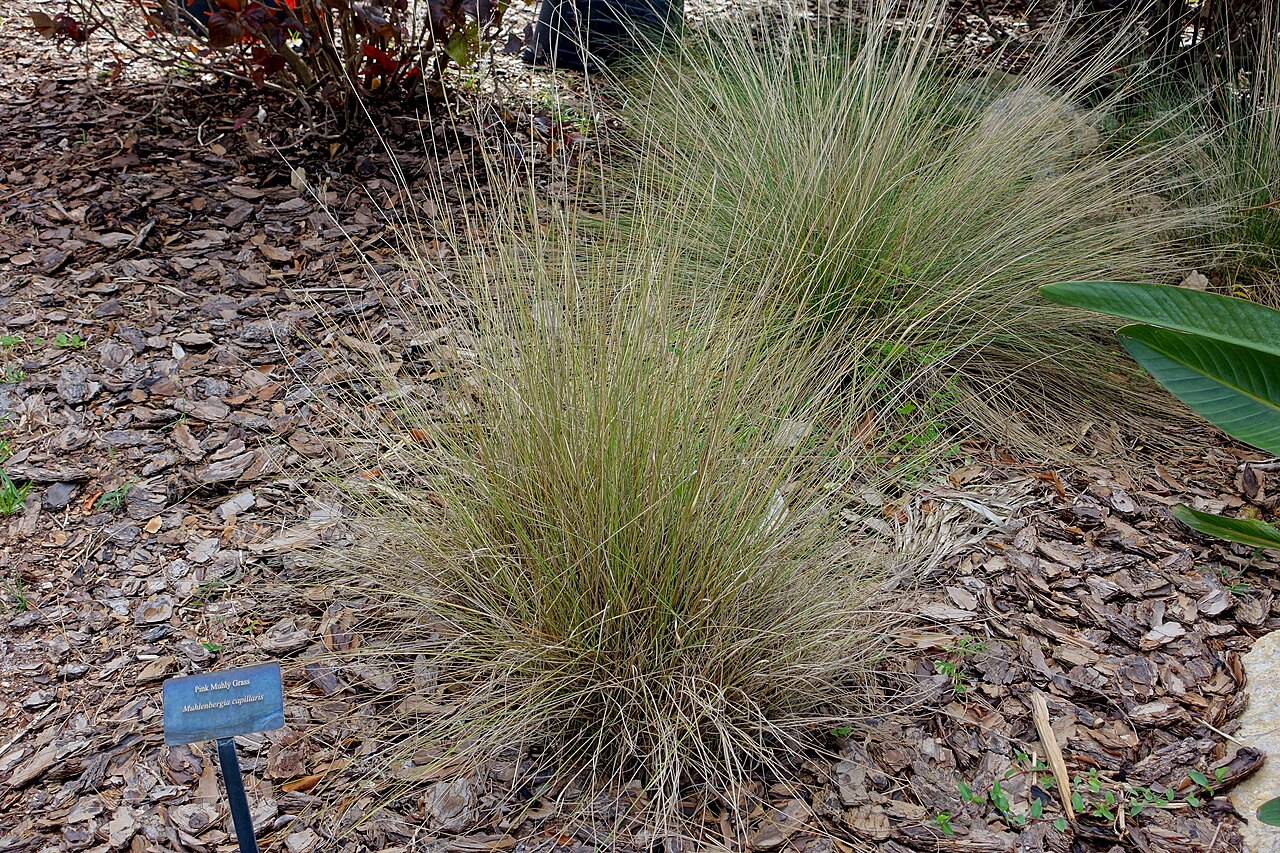
Regal Mist is the muhly grass for small gardens: a compact selection of pink muhly, with deep pink, airy plumes in fall over fine-textured, arching foliage, on a plant that stays tidier and smaller than the species — about 2 to 3 feet tall — so it fits a foundation bed, a container, or a small border where the full species might sprawl. It is the muhly to plant where you want the famous pink cloud without giving up half the bed to it, and in fall, when its plumes catch low sun, it looks like pink smoke rising from the garden.
The trade-off is scale, not beauty: Regal Mist’s plumes are a little smaller and its mound a little tighter than the species, so a single plant in a big landscape can look polite rather than spectacular. Plant it in drifts of three or five for a cloud that reads from the street, give it full sun and sharp drainage, and cut it back hard in late winter before new growth starts — muhly that is not cut back looks tired by spring. Do not overwater it, do not plant it in shade, and do not expect fall plumes in its first year from a small pot; muhly blooms best once established.
If you are new to choosing between cultivars, the Varieties Matter guide explains why the name after the plant matters as much as the plant itself. Regal Mist is a perfect example: it is not just a muhly grass in the abstract, it is a muhly grass with a specific job, a specific history, and specific strengths.
Florida honesty: muhly grass is a genuine Florida native success story — it grows statewide, thrives in heat, humidity, sun, and sandy soil, and is recommended by extension for Florida landscapes. Regal Mist is no exception: give it sun and drainage, water to establish, and it will plume every fall. It tolerates drought once established, salt spray, and poor soil, which is why it lines Florida highways and gardens alike. This is one plant where statewide is not a stretch — it is the home team.
How to grow
Plant in spring or fall in full sun and well-drained soil — muhly is a native grass that wants sun, drainage, and room to arch. Work a little worm castings into the bed at planting, do not overfeed it, and space for the mature plume spread. Water to establish, then water sparingly — established muhly is drought-tolerant — and cut back hard in late winter before new growth starts, because uncut muhly looks tired by spring.
Set plants 2-3 feet apart in soil with a pH around 6.0-7.5. Work worm castings into the bed at planting and mulch to hold moisture. A well-fed muhly grass plant rewards that care directly: steadier growth, better bloom, and a show that actually shows up.
Water & feeding
Water to establish, then water sparingly — muhly is drought-tolerant once established and sulks in wet soil, so overwatering is the mistake to avoid. Water at the soil line, do not mulch heavily, and feed lightly: castings at planting is usually enough, because rich soil makes floppy muhly with fewer plumes. In a drought, occasional deep watering keeps it vigorous; in a wet summer, drainage is the care program.
Common problems
- No fall plumes in year one — muhly blooms best once established; judge it in year two, not year one, especially from a small pot.
- Shaggy appearance without a spring cutback — cut back hard in late winter before new growth, or last year’s foliage looks tired all season.
- Flopping in shade or rich soil — lean soil and full sun make sturdier muhly; do not overfeed, and do not plant it in shade.
- Crown rot in wet soil — muhly wants drainage; do not plant it where rain ponds, and use a raised bed in heavy soil.
- Self-seeding in happy conditions — seedlings appear freely; deadhead if you do not want them, or welcome them as free plants.
Harvest
Cut plumes for bouquets in fall, when plumes are fully colored — muhly plumes last well in water and suit airy, prairie-style arrangements, and they dry beautifully for winter displays. Do not cut heavily: the plant needs its foliage to feed next year’s crown. Cut the whole plant back hard in late winter before new growth, divide congested clumps in spring, and leave some plumes standing over winter for birds and winter interest.
Browse all plant & pest guides
Saving seeds
Regal Mist is the muhly grass for small gardens: a compact selection of pink muhly, with deep pink, airy plumes in fall over fine-textured, arching foliage, on a plant that stays tidier and smaller than the species — about 2 to 3 feet tall — so it fits a foundation bed, a container, or a small border where the full species might sprawl. It is the muhly to plant where you want the famous pink cloud without giving up half the bed to it, and in fall, when its plumes catch low sun, it looks like pink smoke rising from the garden. As a named muhly selection it is kept true by division, not by seed — seedlings would not hold the compact habit or the deep pink plumes. Plant in spring or fall in full sun and well-drained soil — muhly is a native grass that wants sun, drainage, and room to arch. Water to establish, then water sparingly — established muhly is drought-tolerant — and cut back hard in late winter before new growth starts. The full method is in the Saving seeds section of the Muhly Grass guide.