
🌿 Less Sting Stinging Nettle
What it looks like
Why this variety
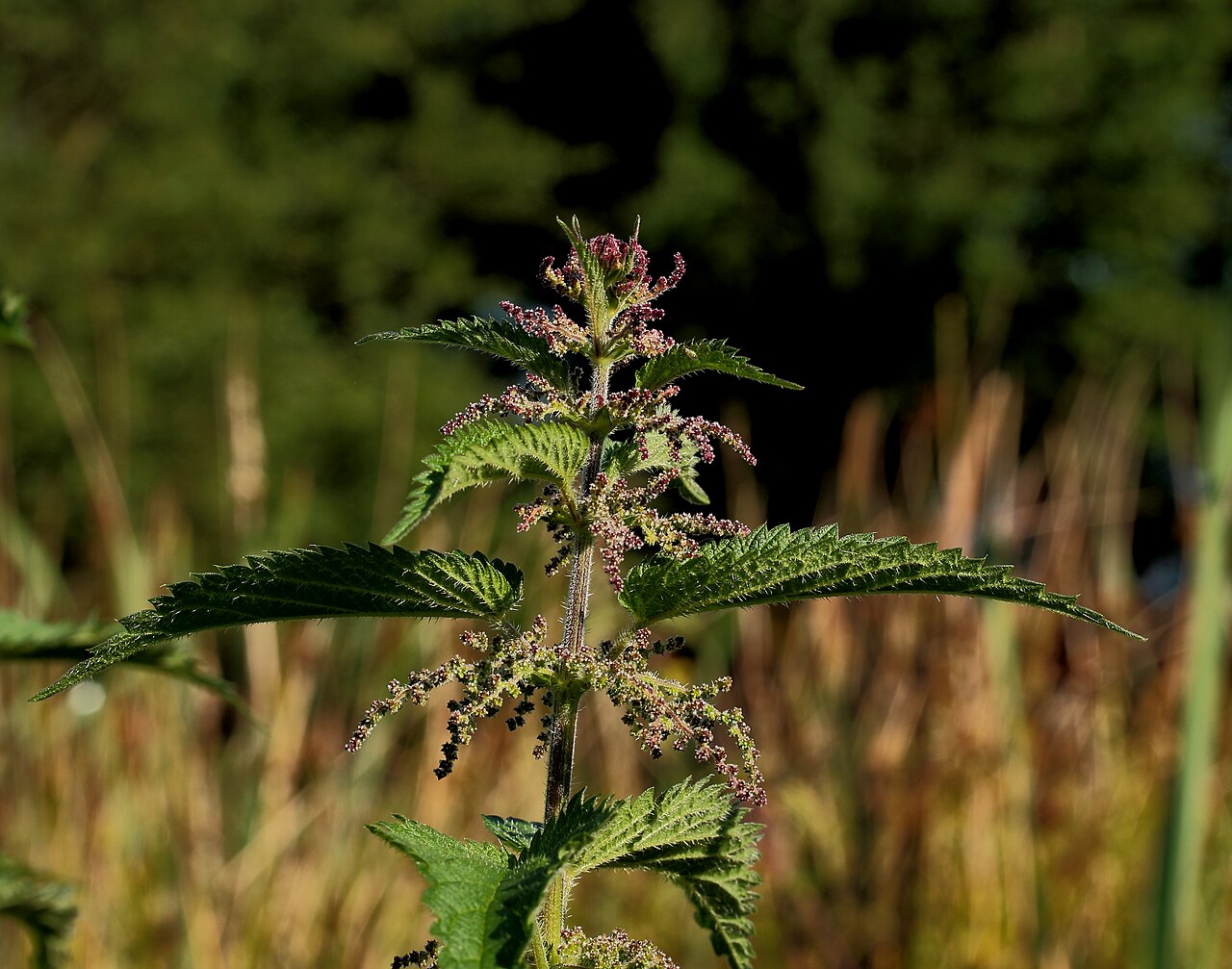
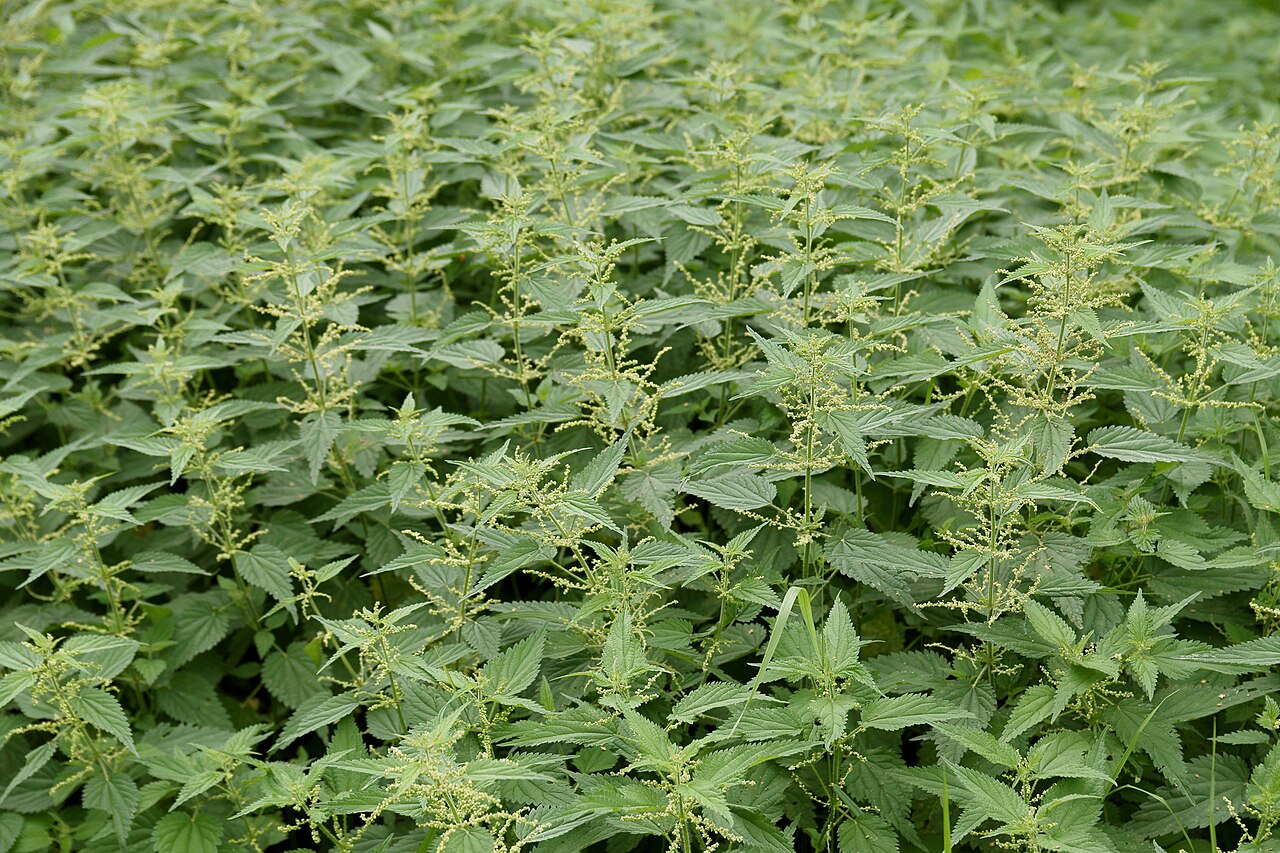
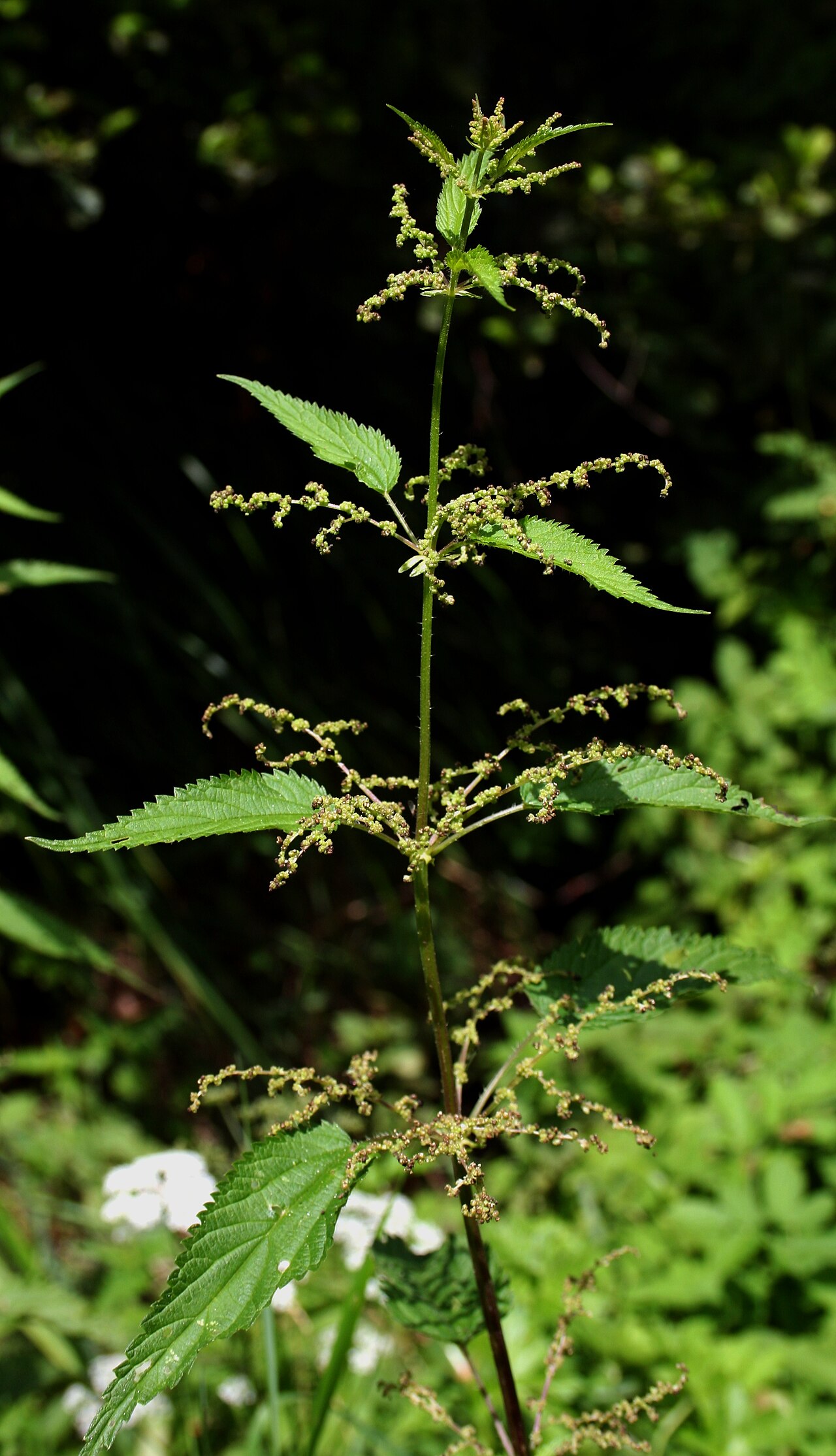
Less Sting is a cultivated seed strain of stinging nettle, not a registered cultivar — and that honesty matters, because it is the one nettle selection a home gardener can actually buy and grow for the table. It was found growing in the western part of the country and selected because its leaves carry almost no stinging hairs, while the stems and leaf stalks keep the usual armament. The result is a nettle you can pick with ordinary care instead of full battle dress, which is the difference between a plant you harvest and a plant you admire from a safe distance.
The flavor is the same as any good nettle: deep, earthy, spinach-like but richer, with a mineral backbone that makes it one of the best spring greens you will ever cook. Young leaves wilt into soups, pasta, and saag-style dishes, and the plant is famously nutritious — high in iron, calcium, and vitamin C, which is why nettle tea and nettle soup have been spring tonics for centuries. If you have ever wanted to eat nettle but not wrestle it, Less Sting is the strain that talks you into trying.
If you are new to choosing between cultivars, the Varieties Matter guide explains why the name after the plant matters as much as the plant itself. And if you want the whole clan at a glance, the broader Stinging Nettle guide covers stinging nettle generally.
How to grow
In Florida, stinging nettle is a trial, not a sure thing: it wants cool, moist, rich ground, and the state’s long hot season is the opposite of that. Plant it in fall in the northern part of the state, in a contained bed or a large pot where its rhizomes cannot run, give it afternoon shade and steady water, and harvest young spring leaves before heat and flowering turn the plant coarse. Gloves are not optional — the sting is the plant’s whole personality, and it is not bluffing.
Plant in a contained bed or a large pot — nettle spreads by rhizomes and a loose patch owns the bed within two seasons. Sow seed in fall or early spring, or set out divisions, spacing 18 inches apart in rich, moist soil with afternoon shade. Wear gloves for the first harvests anyway, until you know your plants, and cut the patch back after spring harvest to force tender regrowth.
Water & feeding
Nettle wants rich, consistently moist soil and regular feeding with compost. A dry, hungry nettle is a stunted, extra-stingy nettle, so mulch heavily, water before the soil dries, and cut the patch back hard after a spring harvest to force a flush of tender regrowth.
Common problems
Slugs love young nettle shoots in damp weather, and aphids can colonize the growing tips; both are minor on a vigorous patch. The real problems are escape — rhizomes under a path, into a lawn — and flowering: once the plant flowers, the leaves turn coarse and develop gritty mineral deposits, so harvest before flowering and cut flowering stalks off. In hot weather the patch goes tough and sulky; that is your signal to cut it back and wait for the cool-season flush.
Harvest
Harvest young leaves in spring, before the plant flowers, pinching the top few inches of each shoot. Cook all nettle before eating — heat destroys the sting completely — and use it anywhere you would use spinach, only better: soup, spanakopita filling, pesto, or simply wilted with garlic and butter. Never eat nettle raw, and never harvest after flowering for the table.
Nerdy fact: Nettle sting works like a tiny hypodermic: each hair is a hollow, silica-tipped needle that snaps off in skin and injects histamine, formic acid, and other irritants. Cooking, drying, or even vigorous crushing breaks the hairs, which is why a plant that stings your hand becomes harmless soup in the pot — chemistry, not magic, though it feels like both.
Saving seeds
Less Sting is a cultivated seed strain of stinging nettle, not a registered cultivar, found growing in the western part of the country and selected because its leaves carry almost no stinging hairs, and it is seed-grown, so saved seed comes true — sow seed in fall or early spring, or set out divisions, in a contained bed or a large pot where its rhizomes cannot run. The full method is in the Saving seeds section of the Stinging Nettle guide.