
🍠 Lehua Maoli Taro
What it looks like

Why this variety
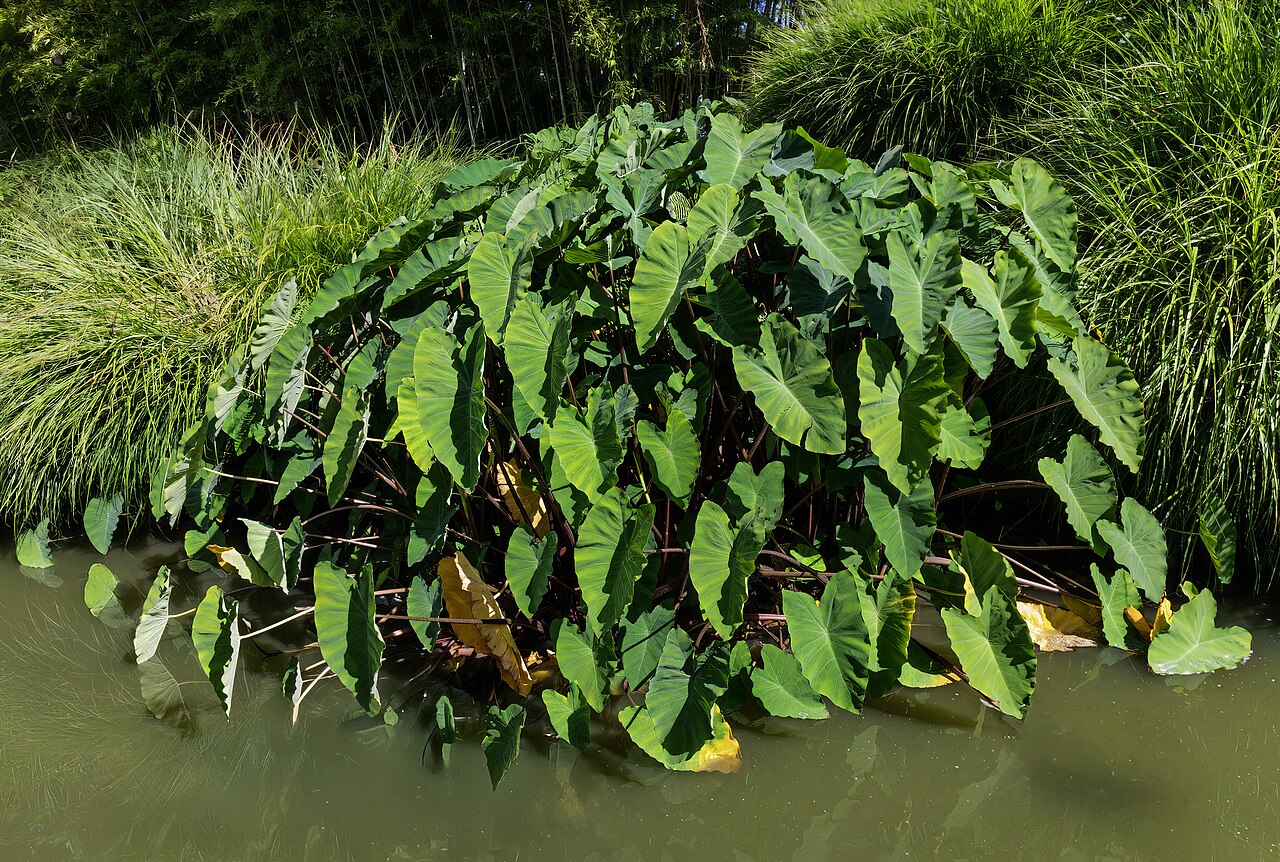
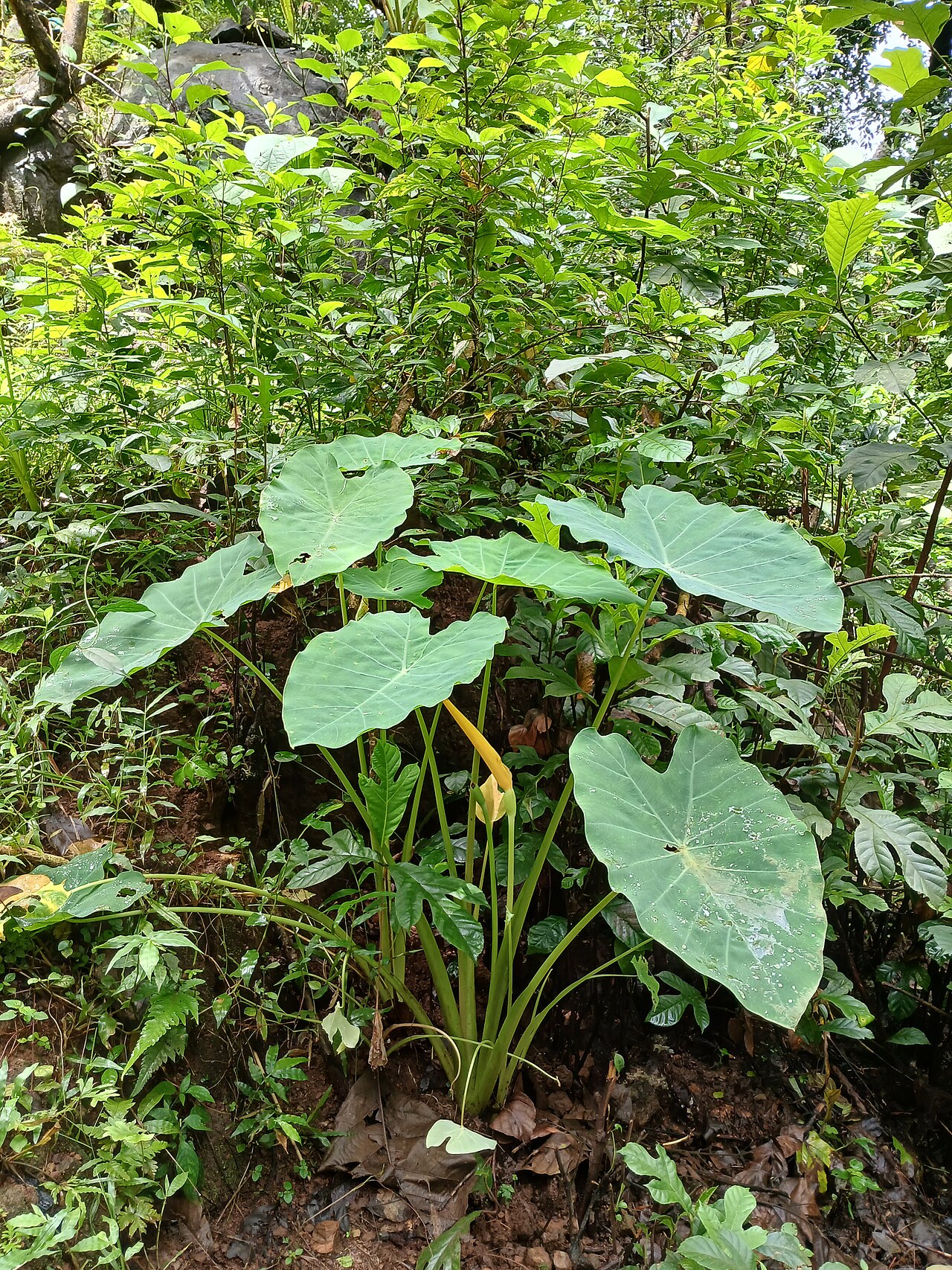
Lehua Maoli is the old taro, the one grown for generations before its hybrid offspring took over the commercial fields: a native taro with reddish flesh, grown for poi, and still prized by growers who want the traditional flavor and the traditional plant. Where Maui Lehua is the modern commercial standard, Lehua Maoli is the heirloom — a little less uniform, a little more variable, and, to the people who grew up with it, the taste that poi is supposed to have.
Growing Lehua Maoli is growing a piece of agricultural history: it is propagated by corm pieces and suckers, not seed, which means the plant in your garden is a cutting of a cutting of a cutting, stretching back through generations of growers. It wants the same long, warm, wet season as other taros, and it rewards patience with corms that make poi with a deep color and a rich, earthy flavor.
If you are new to choosing between cultivars, the Varieties Matter guide explains why the name after the plant matters as much as the plant itself. And if you want the whole clan at a glance, the broader Taro guide covers taro generally.
How to grow
In Florida, taro is in its element and then some: heat, humidity, and rain are exactly what it wants, and it will grow with an enthusiasm that demands a plan. Plant it in spring after the soil warms, give it rich, wet ground or a large container, and never plant it where it can escape into a ditch, pond, or wetland — taro that wanders is a weed with a passport. Cook every part thoroughly; raw taro is not food, it is a chemistry lesson in calcium oxalate crystals.
Plant corm pieces in spring in rich, wet soil or a large container, 3 feet apart, and keep the soil wet all season. Lehua Maoli wants 10 to 14 months, so plan for a long season and a container option if your winters are cool. Feed with compost monthly, and watch for leaf blight in humid weather — remove spotted leaves promptly and give plants airflow.
Water & feeding
Taro drinks like a wetland plant because it is one. Keep the soil wet — soggy is fine, standing water is fine for wetland types — mulch heavily, and feed with compost through the season. A taro that dries out stops growing and sulks, while a taro that stays wet grows leaves big enough to shade a dog.
Common problems
Leaf blight and corm rot are the main threats, especially in still, humid air; airflow and drainage matter more than any spray. Aphids and mites are minor. The other risk is simply time: a taro that needs a year will test your patience and your watering discipline, so set a watering routine early and keep it through the dry spells.
Harvest
Dig when the leaves yellow and die back, cure corms in shade for a week, and store cool and dry. Steam until completely tender for poi, pounding with water to the consistency you like, or cube and boil for table taro. Cook thoroughly — raw taro is not edible — and save the best corm pieces for replanting, because that is how the variety survives: gardener to gardener, season to season.
Nerdy fact: Lehua Maoli is one of the parent taros of Maui Lehua, crossed with another old variety to make the modern commercial hybrid — which means growing the parent and the child side by side is a living genetics lesson: same family, different century, and a taste comparison that settles the heirloom-versus-hybrid debate at your own table.
Saving seeds
Lehua Maoli is the old taro, the one grown for generations before its hybrid offspring took over the commercial fields, a native taro with reddish flesh, grown for poi, and it is propagated by corm pieces and suckers, not seed — plant corm pieces in spring in rich, wet soil or a large container, 3 feet apart, and keep the soil wet all season. The Propagation section of the Taro guide covers propagation for the species.