
🥬 Ching-Chiang Tatsoi
What it looks like
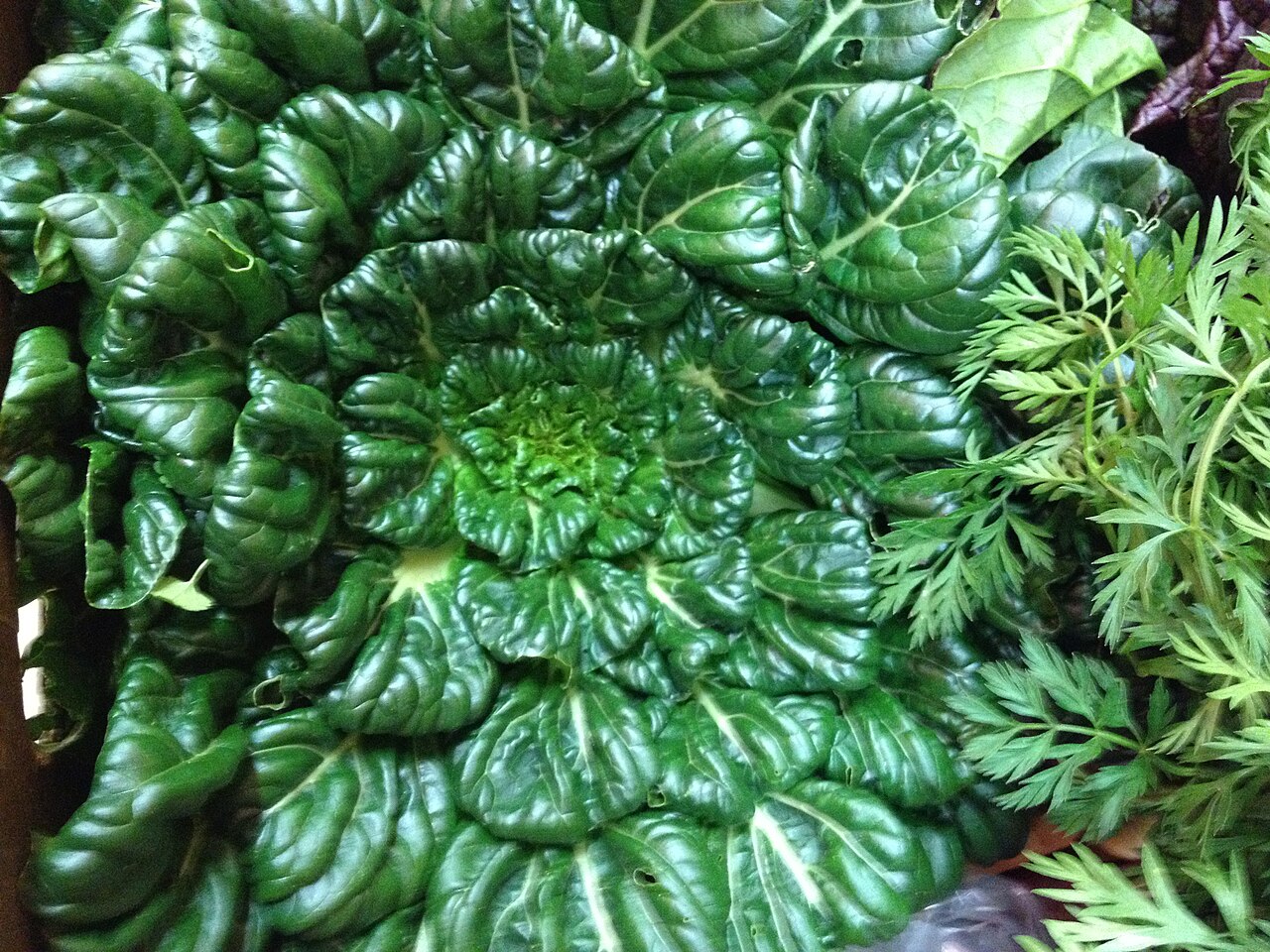
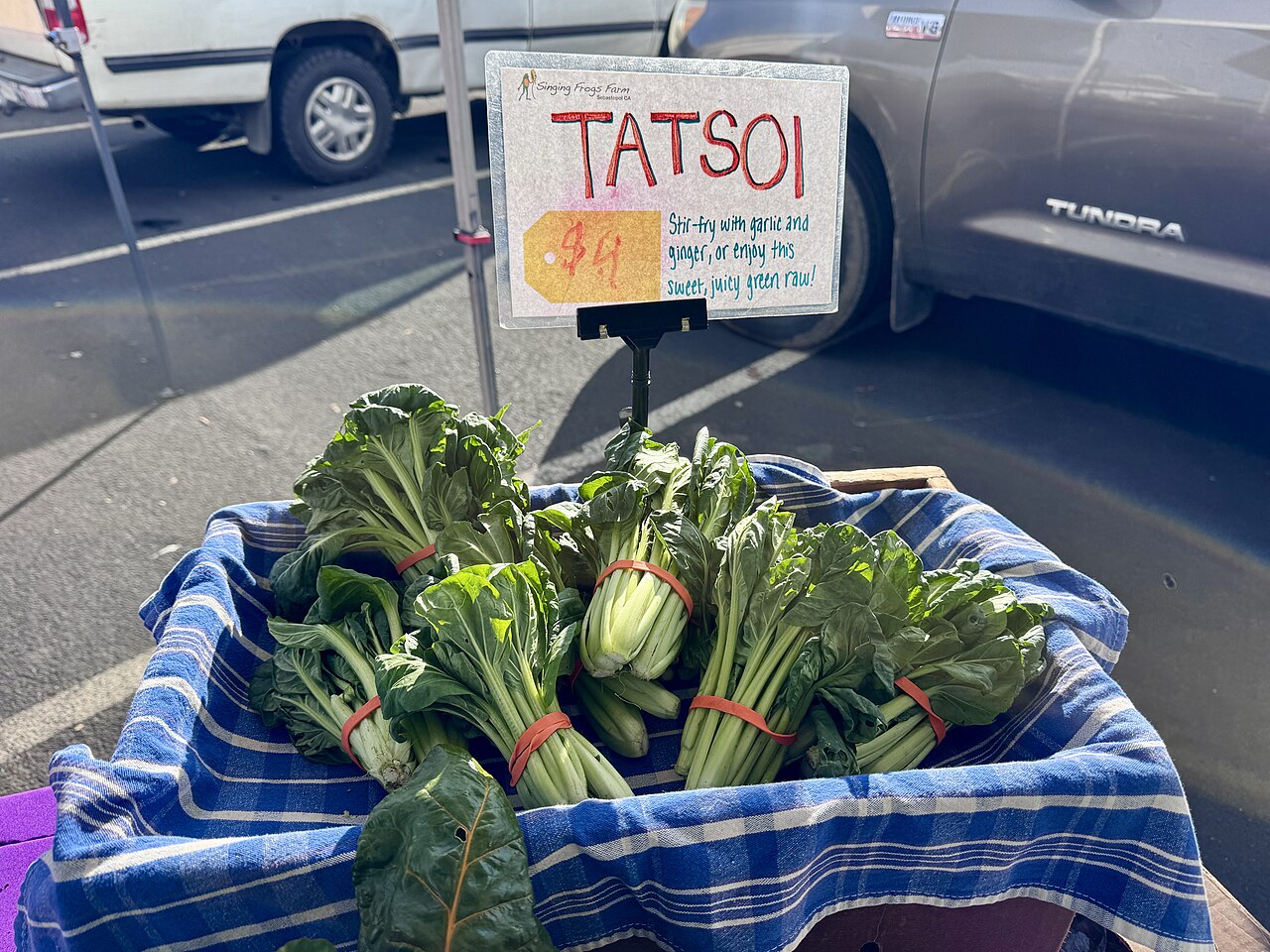
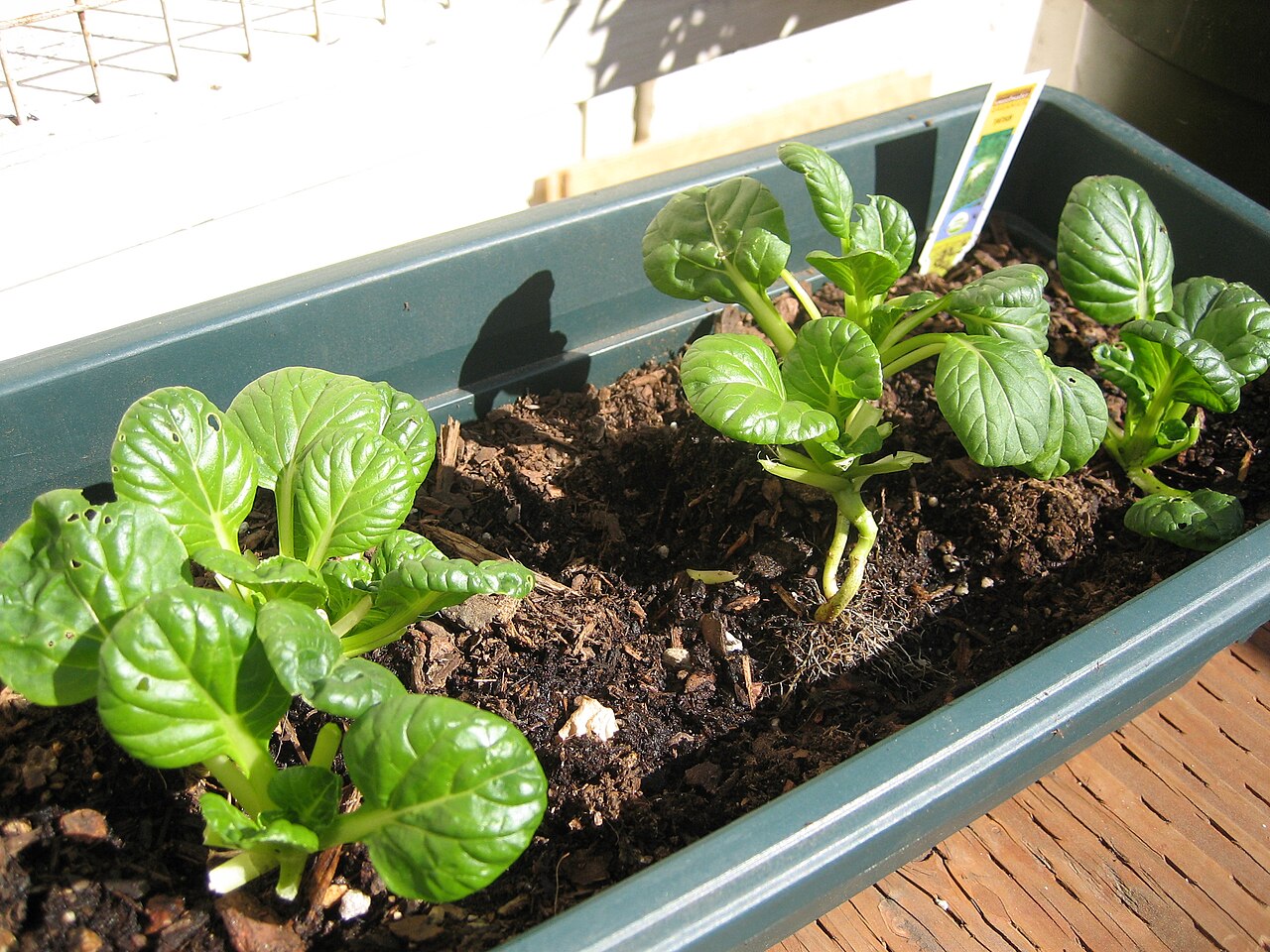
Why this variety
Ching-Chiang is the tatsoi for impatient gardeners and short cool windows: a quick-growing dwarf type that reaches harvest in about 40 days, stays compact, and handles the unsettled weather of early spring — cool nights, warm days, the occasional cold snap — without bolting at the first warm afternoon. In a crop where timing is everything, a variety that buys you two extra weeks of cool-season harvest is worth its weight in seed.
Its rosettes are smaller and tighter than the big flat types, which makes Ching-Chiang the tatsoi for small beds, containers, and succession sowing: plant a short row every two weeks through the cool season, and you always have a rosette coming ready while the last one is being eaten. The leaves are tender, mild, and spoon-shaped, good raw or cooked, and the small size means the whole rosette goes into one stir-fry without a chopping board marathon.
If you are new to choosing between cultivars, the Varieties Matter guide explains why the name after the plant matters as much as the plant itself. And if you want the whole clan at a glance, the broader Tatsoi guide covers tatsoi generally.
How to grow
In Florida, tatsoi is a fall-through-spring green that laughs at a light frost and bolts at the first serious warm spell, which makes timing the whole crop. Sow from fall into winter, harvest rosettes young and often, and succession-sow every few weeks so a warm snap costs you one sowing, not the season. Its spoon-shaped leaves are mild, mustardy, and tender enough for salads raw, which is more than most brassicas can claim.
Sow directly or transplant 6 inches apart in rich, moist soil. Sow in fall for the biggest rosettes, and again in early spring for a fast crop before the heat arrives. Keep the soil evenly moist and mulch lightly — a dry dwarf tatsoi bolts faster than a big one, because it has less plant to buffer the stress.
Water & feeding
Tatsoi grows fast and drinks steadily. Keep the soil evenly moist, mulch to hold that moisture, and feed with compost at planting and again halfway to harvest. Dry soil plus heat is the recipe for bolting, so water before the leaves wilt, not after.
Common problems
Flea beetles and slugs are the main pests; row cover and coarse mulch handle most of it. Aphids can colonize the heart of the rosette — check the center, not just the outer leaves. Bolting is the ever-present risk: plant Ching-Chiang for the cool months, harvest promptly, and do not expect it to survive a long hot spell, because no tatsoi does.
Harvest
Cut the whole rosette at the base when it is full, or pick outer leaves and let the center keep growing for another week or two. Young leaves go straight into salads; full rosettes are perfect for a fast stir-fry with garlic, or wilted into soup where they keep a pleasant bite instead of dissolving.
Nerdy fact: Ching-Chiang’s dwarf habit is a classic brassica trade: smaller plant, faster maturity, less time exposed to pests, disease, and weather. Gardeners have bred dwarf brassicas for centuries for exactly this reason — a fast crop that finishes before trouble arrives is sometimes better than a big crop that does not.
Saving seeds
Ching-Chiang is a dwarf tatsoi type, so it comes true from seed — save seed from your best plants and let them dry fully before storing. The full method is in the Saving seeds section of the Tatsoi guide.