
🤍 Cirrus Dusty Miller
What it looks like
Why this variety
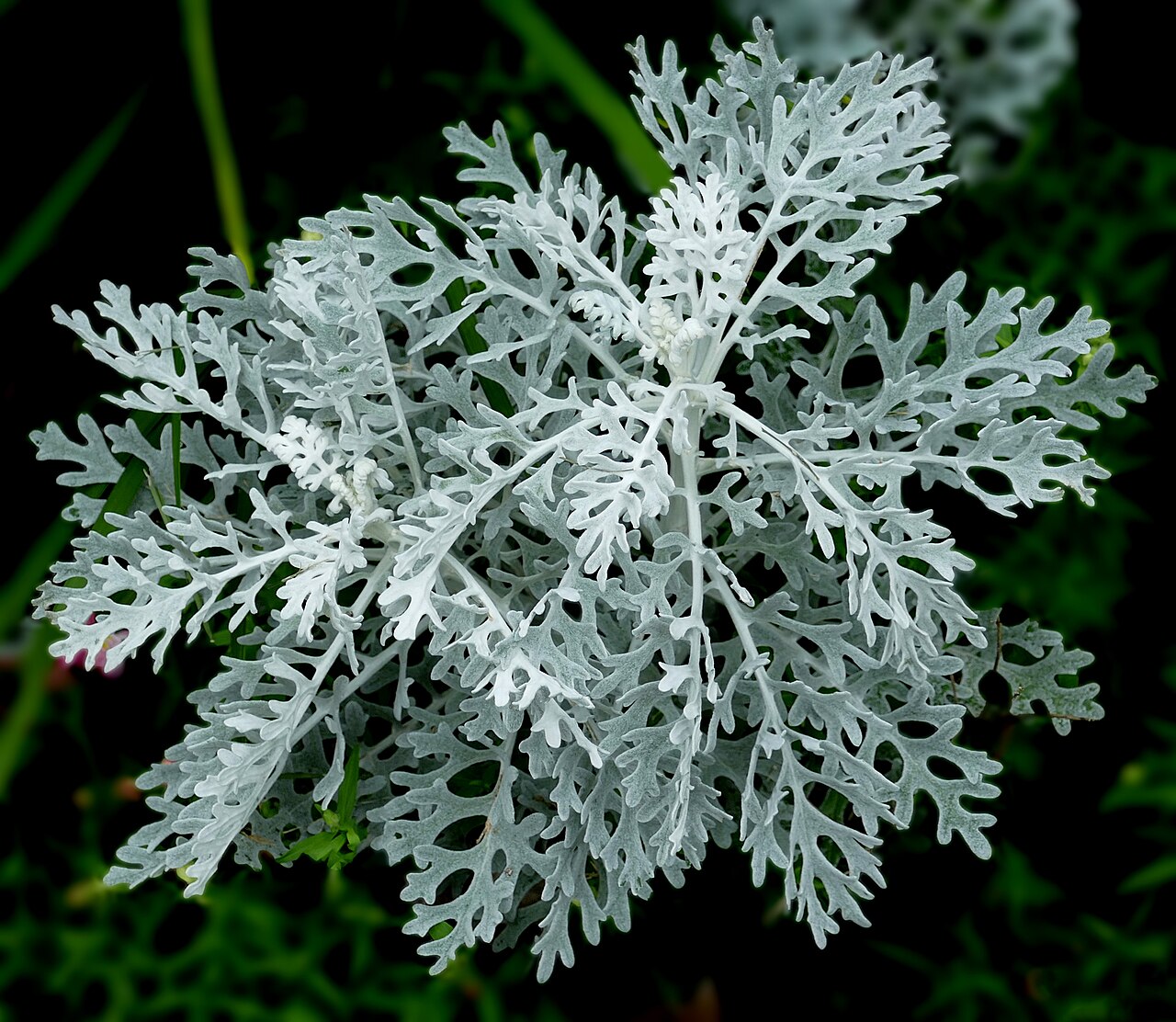
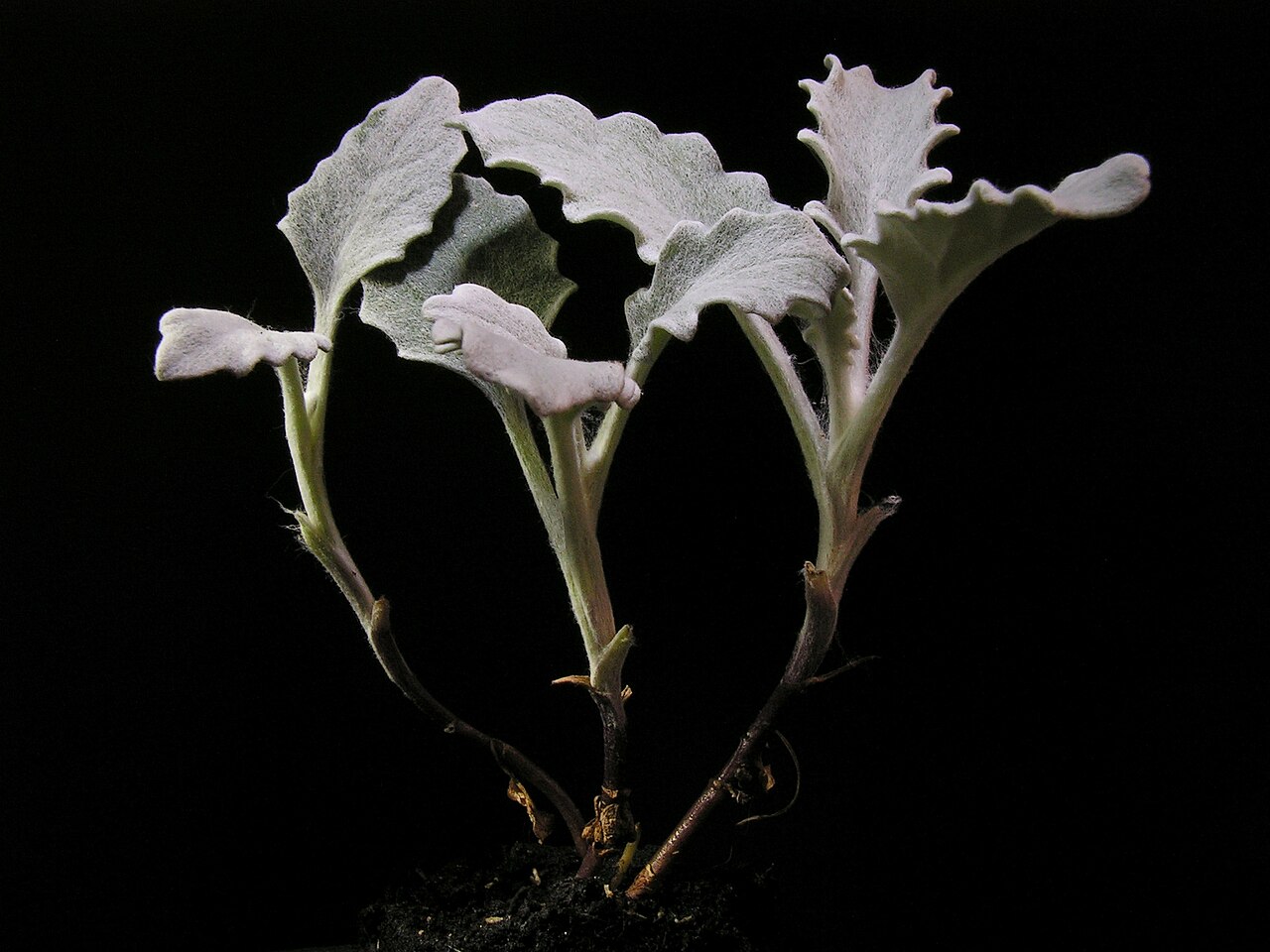
Cirrus is the dusty miller for gardeners who want silver with stature: a taller, more upright plant, 18 to 24 inches high, with broader, less deeply cut silver leaves than Silver Dust, so it reads as a silver shrublet rather than a silver cushion. That size makes it the dusty miller for the middle or back of a border, for large containers, and for massed silver drifts that need to hold their own against tall flowers. It keeps the same felted, light-reflecting foliage and the same heat tolerance, just in a bigger package.
The trade-off is that bigger silver needs bigger room and a little more watching: Cirrus can flop in rich, overfed soil, and its flower stalks, if left, grow tall and coarse. Pinch flower stalks early, give it sun and drainage, and do not overfeed — lean soil makes sturdier, more silver plants. Like all dusty millers, it is not edible, so admire it, do not taste it, and wash hands after pruning.
If you are new to choosing between cultivars, the Varieties Matter guide explains why the name after the plant matters as much as the plant itself. Cirrus is a perfect example: it is not just a dusty miller in the abstract, it is a dusty miller with a specific job, a specific history, and specific strengths.
Florida honesty: Cirrus is a genuine statewide plant in Florida, perennial in zones 8-10 and a warm-season annual elsewhere in the state, and its height is an asset in a Florida border, where low silver can vanish under summer growth. Give it sun, sharp drainage or a raised bed, pinch flower stalks, and it will hold a silver presence through heat that flattens fussier foliage plants. In wet soil it rots, so do not plant it in a low spot.
How to grow
Plant in spring in full sun and sharply drained, even lean soil — dusty miller is a sun-and-drainage plant that rots in rich, wet soil faster than it starves in poor soil. Work a little worm castings into the bed at planting, do not overfeed it, and space for air. Pinch off flower stalks as they appear if you want foliage only, and shear lightly in midsummer for a fresh silver flush.
Set plants 12-15 inches apart in soil with a pH around 6.0-7.5. Work worm castings into the bed at planting and mulch to hold moisture. A well-fed dusty miller plant rewards that care directly: steadier growth, better bloom, and a show that actually shows up.
Water & feeding
Water to establish, then water sparingly — dusty miller is drought-tolerant once established and rots in wet soil, so overwatering is the mistake to avoid. Water at the soil line, do not mulch heavily, and feed lightly: castings at planting is usually enough, because rich soil makes floppy, greener plants instead of tidy silver ones.
Common problems
- Rot in wet soil — dusty miller’s killer in humid climates; plant in sharp drainage or raised beds and do not overwater.
- Greening up in shade — silver foliage needs sun; plant in full sun for the brightest silver.
- Flower stalks spoiling the foliage show — pinch yellow flower stalks early for a foliage-only plant.
- Sap irritation on sensitive skin — wear gloves when shearing felted foliage.
- Legginess in rich soil — lean soil makes tidy silver mounds; do not overfeed.
Harvest
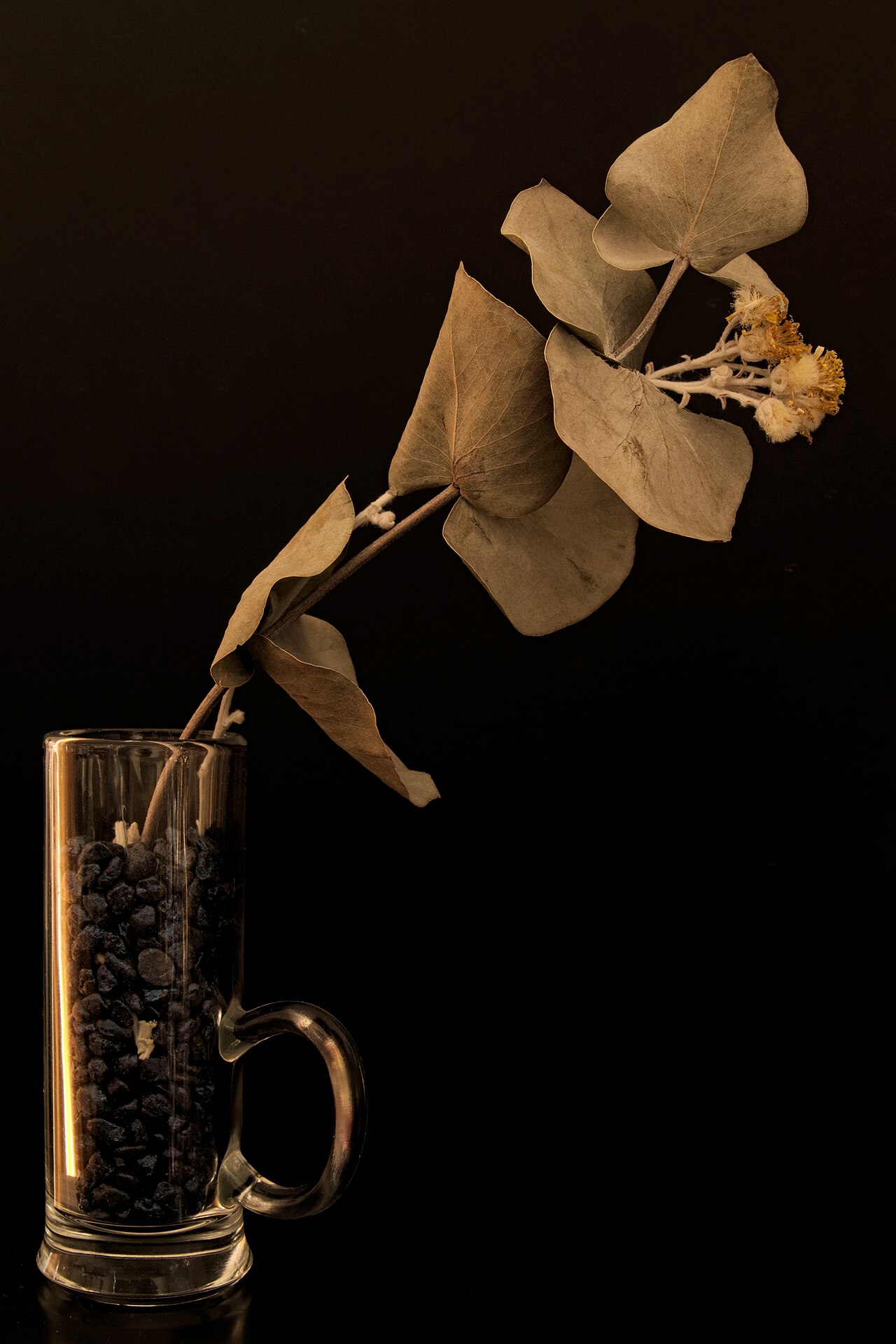
Cut silver stems for bouquets and arrangements all season — dusty miller foliage lasts well in water and fresh, and it dries beautifully for winter arrangements, holding its silver for months. Shear lightly in midsummer for a fresh flush, pinch flower stalks for a foliage-only show, and divide or replace plants that grow leggy. The real harvest is contrast: a handful of silver stems makes any bouquet look professional.
Browse all plant & pest guides
Saving seeds
Cirrus is a seed-propagated dusty miller cultivar, so seed is the way to keep it — save seed from your best plants and let it dry fully before storing. The full method is in the Saving seeds section of the Dusty Miller guide.