
🤍 Dusty Miller
What it looks like
How to grow
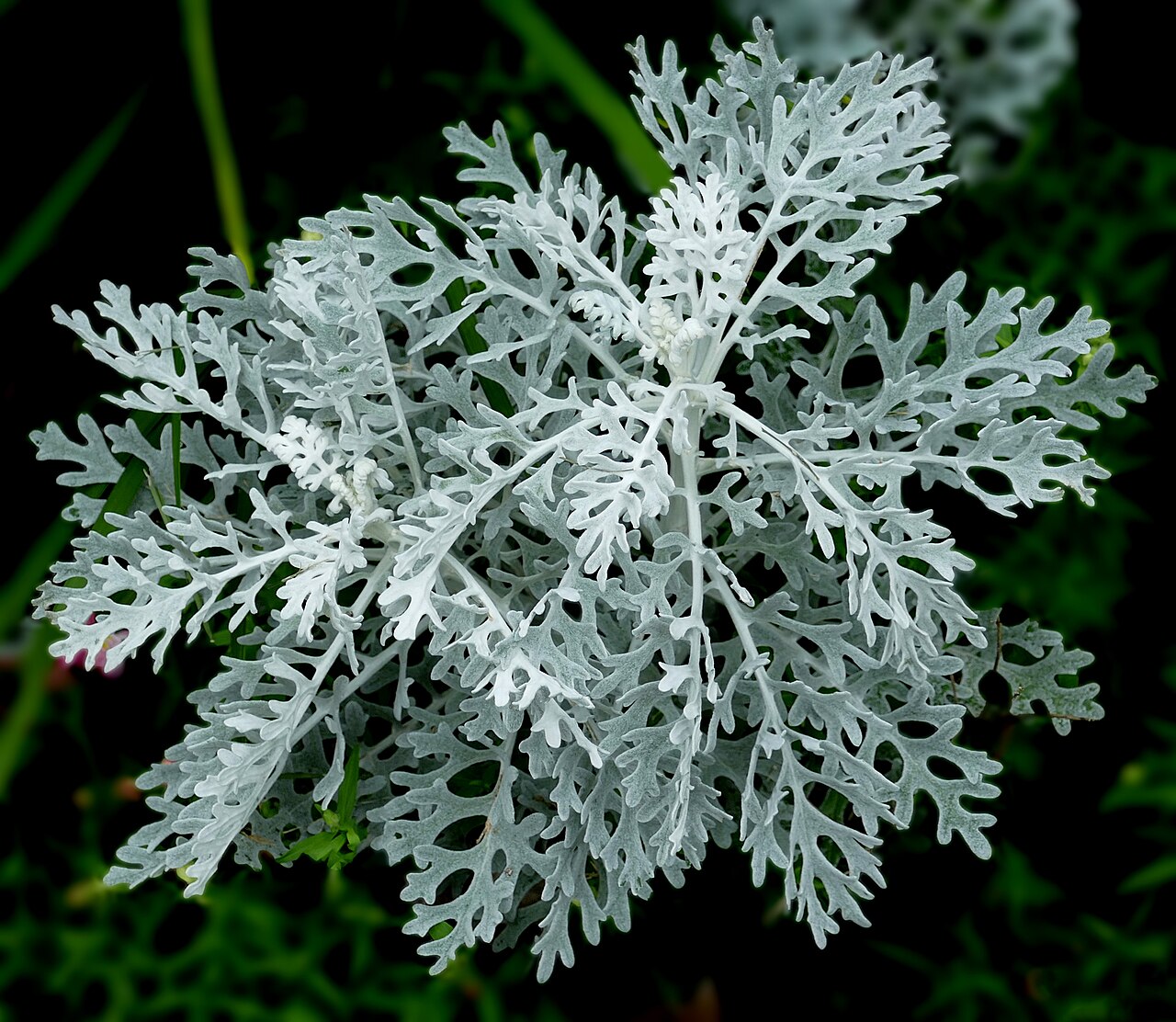
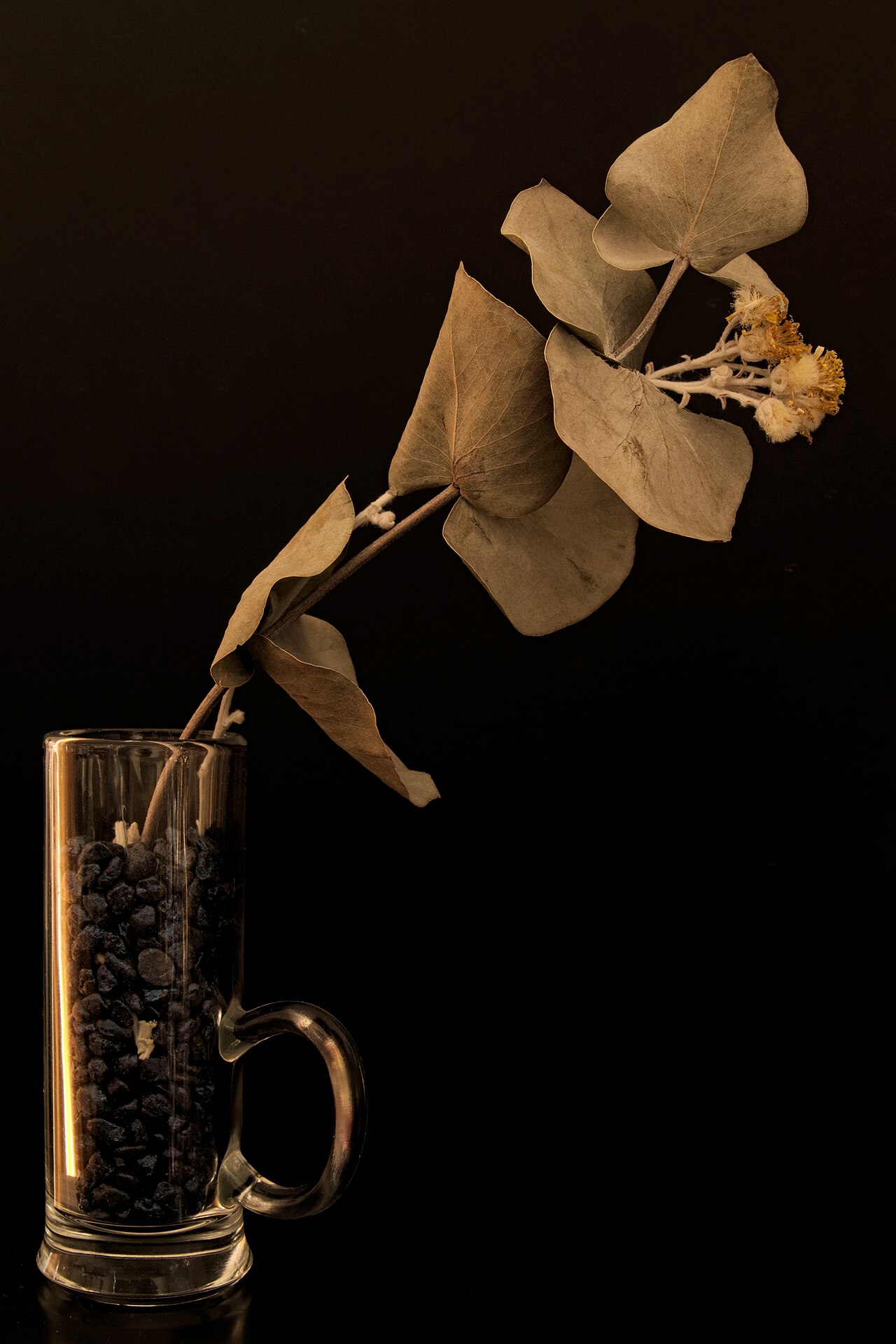
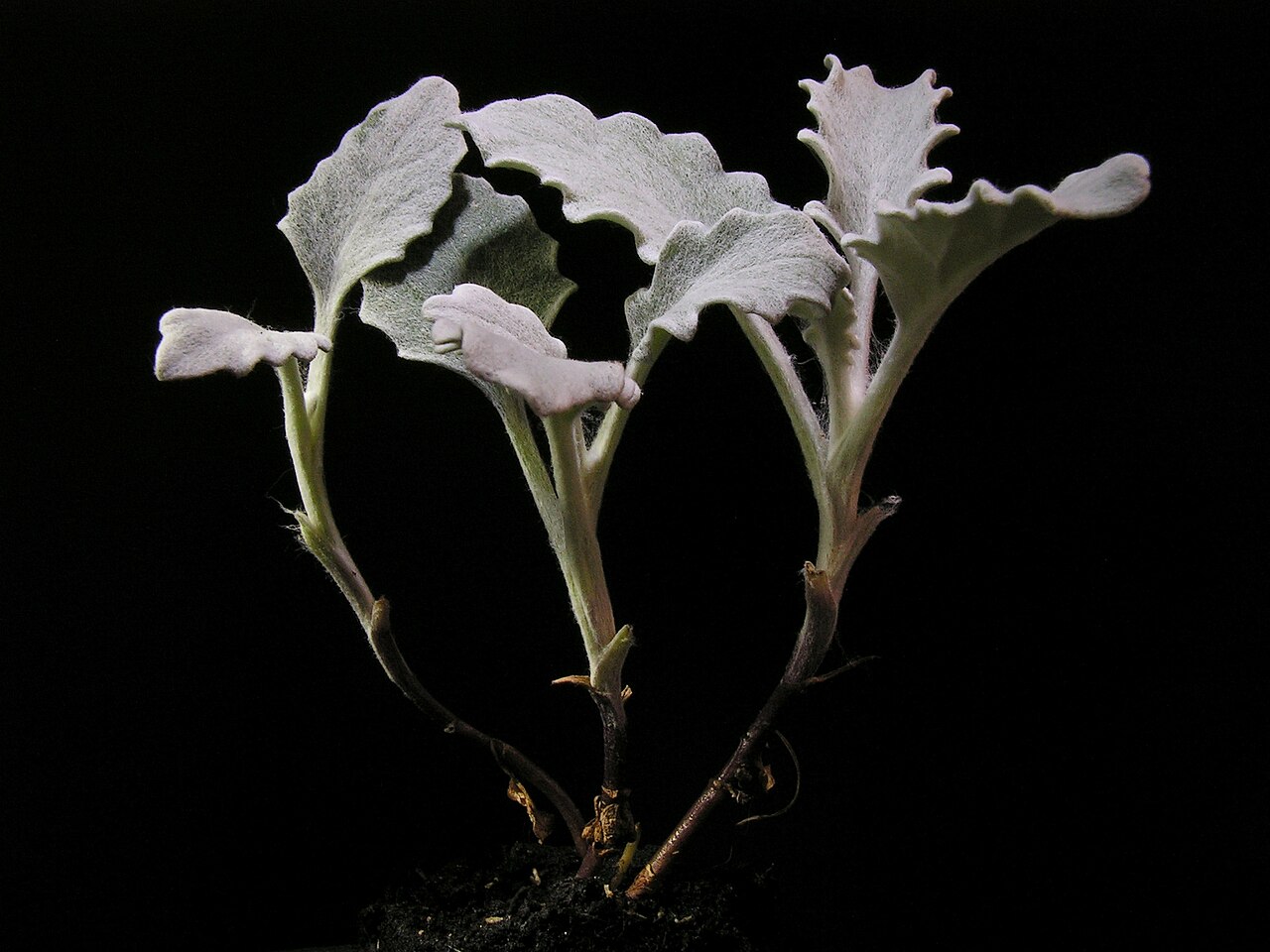
Dusty miller is grown for its foliage, not its flowers: 6–12 inches tall, with deeply lobed, silver-white leaves covered in fine felt that looks dusted with flour and feels like suede. It is the classic companion plant — its silver makes reds, pinks, and purples pop, and it edges beds, fills containers, and softens the base of taller plants. Plant after last frost in full sun and well-drained soil, spacing about 12 inches apart. It tolerates heat, drought, and poor soil once established, and it is often grown as an annual even where it is perennial, because older plants get woody and less silvery. Cut off the small yellow flowers if they appear — they are not the point, and removing them keeps the foliage dense and silver.
Water & feeding
Water until established, then water sparingly; dusty miller is drought-tolerant and rots in wet soil. Feed lightly if at all — compost at planting is enough. In wet climates, give sharp drainage and gravel mulch.
Common problems
- Rot in wet soil — drainage is essential; plant high or in a raised bed.
- Woody, leggy plants — cut back hard or replace each year; young plants are silviest.
- Yellowing in shade — dusty miller needs full sun for its best silver color.
- Few pests — generally trouble-free; deer and rabbits usually leave it alone.
Notes
Pinch or cut back flower stalks as they appear to keep the plant leafy and compact, and shear back leggy plants in midsummer for fresh silver growth. In zones 8–10, cut back in spring and plants often return; elsewhere, replant each spring. Dusty miller is a staple of containers and window boxes, where its silver cools down hot-colored flowers.
Browse all plant & pest guides
Saving seeds
First, a trade to make with eyes open: most gardeners pinch dusty miller flowers off the moment they appear, because the plant’s whole job is silver foliage and the yellow flowers are, frankly, an interruption. Seed saving means doing the opposite on purpose. Sacrifice one plant — or one corner of a big planting — and let it bloom. That plant will look scruffier than its pinched siblings, and that is the price of next year’s silver. Do not eat any part of it along the way: dusty miller is an ornamental, not a salad green, and its ragwort relatives carry pyrrolizidine alkaloids, so seed heads are garden material, not food.
Watch the flower heads after blooming. When they have dried to brown and feel papery and brittle, the seed is ready. Cut whole heads on a dry day and drop them straight into a paper bag — the seeds are tiny, dust-like, and hilariously committed to escaping, so a bag beats an open bowl every time. Crumble the heads inside the bag, then shake the debris through a fine sieve or winnow it gently in a shallow bowl: the heavier seed stays, the chaff blows away. Let the cleaned seed dry for another week or so spread thin on paper in a cool, dry spot out of direct sun, until it feels thoroughly dry and snaps rather than bends.
Storage is where Florida gardeners need to be stricter than the seed packet suggests. Dusty miller seed keeps best cool, dark, and truly dry — a labelled paper envelope inside an airtight jar with a desiccant packet, in the refrigerator if you have room. In Florida humidity, seed jarred while still faintly damp will mold in the jar, so dry thoroughly first and do not trust a kitchen drawer through a wet summer. Use saved seed within a year for the best germination; seed a year or two old still often sprouts, but more patchily, so sow it thicker.
To grow it on, start indoors about ten weeks before your last frost. Surface-sow on moist seed-starting mix and press the seed down without covering it — light helps it germinate, and buried seed sulks. Keep the tray bright and evenly moist at ordinary room temperature and expect sprouts in roughly one to two weeks. Harden the seedlings off and plant out after frost; in warm zones they may carry over as short-lived perennials, but most gardeners simply treat them as annuals and start fresh each spring.
Will the seedlings look like the parent? If you saved from the straight species, broadly yes — silver, felted, and recognisably dusty miller. If you saved from a named cultivar such as ‘Silver Dust’ or ‘Cirrus’, expect variation: seedlings may differ in leaf cut, size, and how silvery they read, because cultivars do not reliably come true from seed. If you want an exact copy of a named variety, take stem cuttings instead. And if you grew several cultivars cheek by jowl, expect some mixed-up offspring — for a foliage plant that is rarely a tragedy, and occasionally it is how you find a seedling you like even better.
Varieties
Every named variety of Dusty Miller with its own growing guide:
- Cirrus Dusty Miller — The tall silver: a bigger, more upright dusty miller with broad silver leaves, the one for the back of the border.
- New Look Dusty Miller — The compact silver: a dense, low, finely cut silver mound, the dusty miller for edging and containers.
- Silver Dust Dusty Miller — The silver standard: deeply cut, silver-white foliage that glows against every flower color, the dusty miller every border knows.