
🤍 Silver Dust Dusty Miller
What it looks like
Why this variety
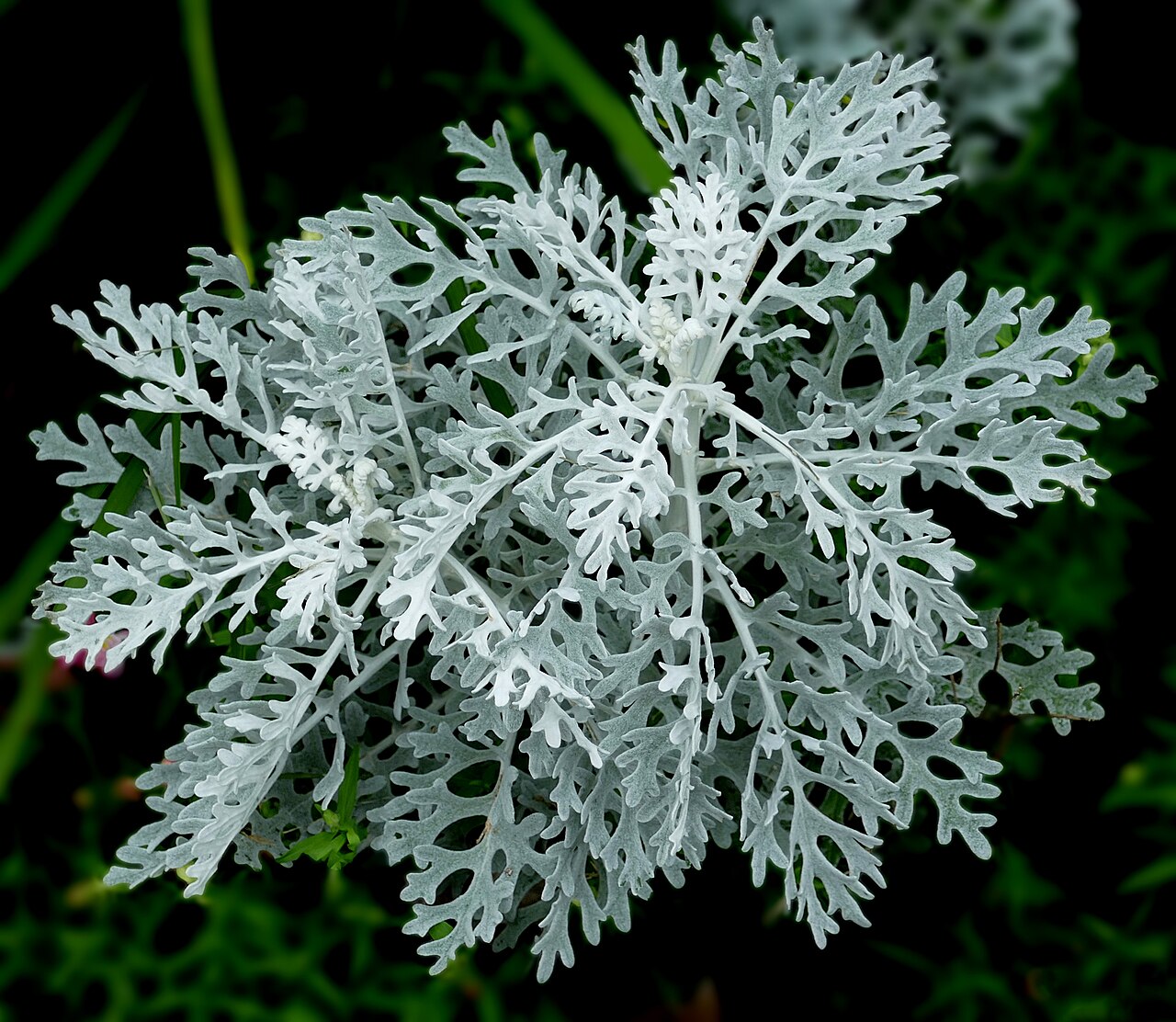
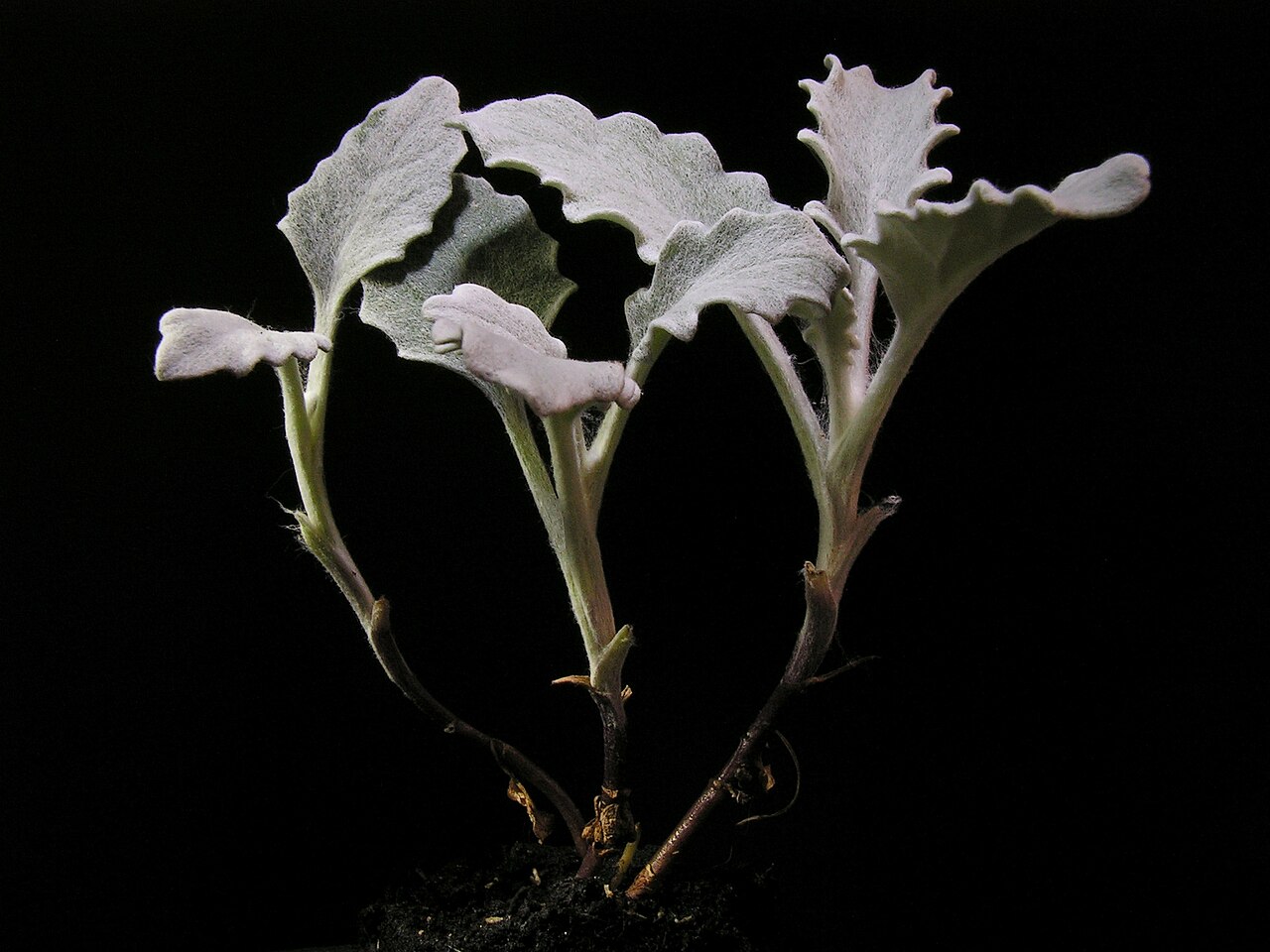
Silver Dust is the dusty miller that defined the look: deeply lobed, felted leaves in silver-white, on a compact plant about a foot tall, that makes every flower planted next to it look brighter. Silver foliage is the garden’s highlighter — it reflects light, cools the visual temperature of a hot border, and pairs with anything, from red geraniums to purple petunias, without ever clashing. Silver Dust is grown for foliage, not flowers: pinch off the mustard-yellow flower stalks and the plant stays a silver mound all season.
The trade-off is that silver felt comes with a preference: sun and drainage. Dusty miller rots in wet, soggy soil and greens up in shade, so give it full sun, sharp drainage, and lean soil, and it will be nearly indestructible through heat and drought. Do not eat it — Jacobaea belongs to a genus with toxic alkaloids — and wash hands after handling, because the felted sap can irritate sensitive skin. In return you get the most reliable silver in the garden, year after year in warm zones.
If you are new to choosing between cultivars, the Varieties Matter guide explains why the name after the plant matters as much as the plant itself. Silver Dust is a perfect example: it is not just a dusty miller in the abstract, it is a dusty miller with a specific job, a specific history, and specific strengths.
Florida honesty: dusty miller is a genuine statewide plant in Florida — perennial in zones 8-10, grown as a cool-season annual elsewhere in the state — and it is one of the few silver plants that actually likes Florida heat, provided the soil drains. Give it sun and a raised bed or sandy soil where summer rain ponds, pinch off flower stalks, and it will silver your borders from spring through fall. In wet soil it melts, so drainage is the whole game.
How to grow
Plant in spring in full sun and sharply drained, even lean soil — dusty miller is a sun-and-drainage plant that rots in rich, wet soil faster than it starves in poor soil. Work a little worm castings into the bed at planting, do not overfeed it, and space for air. Pinch off flower stalks as they appear if you want foliage only, and shear lightly in midsummer for a fresh silver flush.
Set plants 12 inches apart in soil with a pH around 6.0-7.5. Work worm castings into the bed at planting and mulch to hold moisture. A well-fed dusty miller plant rewards that care directly: steadier growth, better bloom, and a show that actually shows up.
Water & feeding
Water to establish, then water sparingly — dusty miller is drought-tolerant once established and rots in wet soil, so overwatering is the mistake to avoid. Water at the soil line, do not mulch heavily, and feed lightly: castings at planting is usually enough, because rich soil makes floppy, greener plants instead of tidy silver ones.
Common problems
- Rot in wet soil — dusty miller’s killer in humid climates; plant in sharp drainage or raised beds and do not overwater.
- Greening up in shade — silver foliage needs sun; plant in full sun for the brightest silver.
- Flower stalks spoiling the foliage show — pinch yellow flower stalks early for a foliage-only plant.
- Sap irritation on sensitive skin — wear gloves when shearing felted foliage.
- Legginess in rich soil — lean soil makes tidy silver mounds; do not overfeed.
Harvest
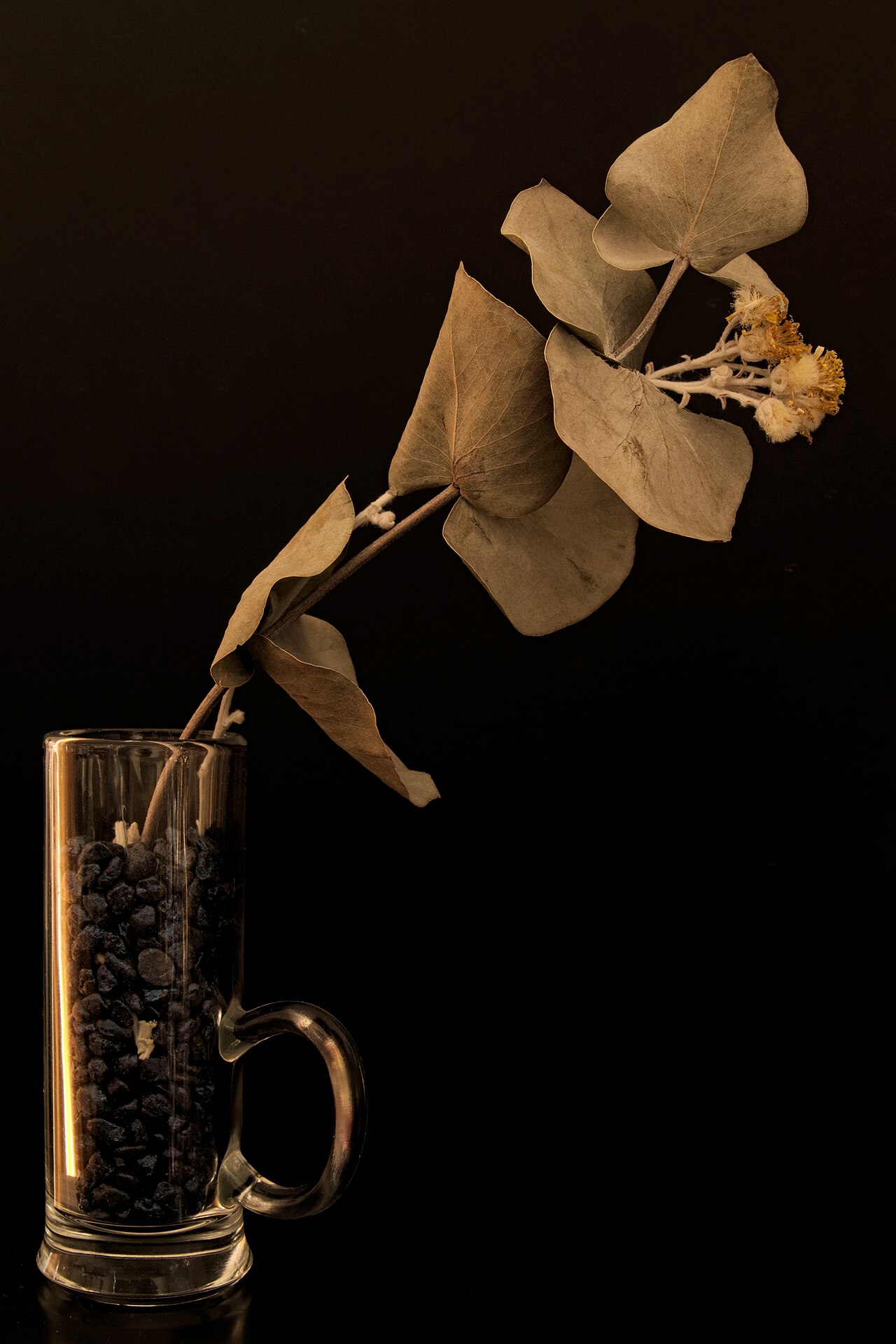
Cut silver stems for bouquets and arrangements all season — dusty miller foliage lasts well in water and fresh, and it dries beautifully for winter arrangements, holding its silver for months. Shear lightly in midsummer for a fresh flush, pinch flower stalks for a foliage-only show, and divide or replace plants that grow leggy. The real harvest is contrast: a handful of silver stems makes any bouquet look professional.
Browse all plant & pest guides
Saving seeds
Silver Dust is the dusty miller that defined the look: deeply lobed, felted leaves in silver-white, on a compact plant about a foot tall, that makes every flower planted next to it look brighter. Silver foliage is the garden’s highlighter — it reflects light, cools the visual temperature of a hot border, and pairs with anything, from red geraniums to purple petunias, without ever clashing. Silver Dust is grown for foliage, not flowers: pinch off the mustard-yellow flower stalks and the plant stays a silver mound all season. As a named dusty miller it is kept true by cuttings, not by seed — plant in spring in full sun and sharply drained, even lean soil: dusty miller is a sun-and-drainage plant that rots in rich, wet soil faster than it starves in poor soil. Work a little worm castings into the bed at planting, do not overfeed it, and space for air. Pinch off flower stalks as they appear if you want foliage only, and shear lightly in midsummer for a fresh silver flush. The full method is in the Saving seeds section of the Dusty Miller guide.