
🫑 Toma Verde Tomatillo
What it looks like
Why this variety
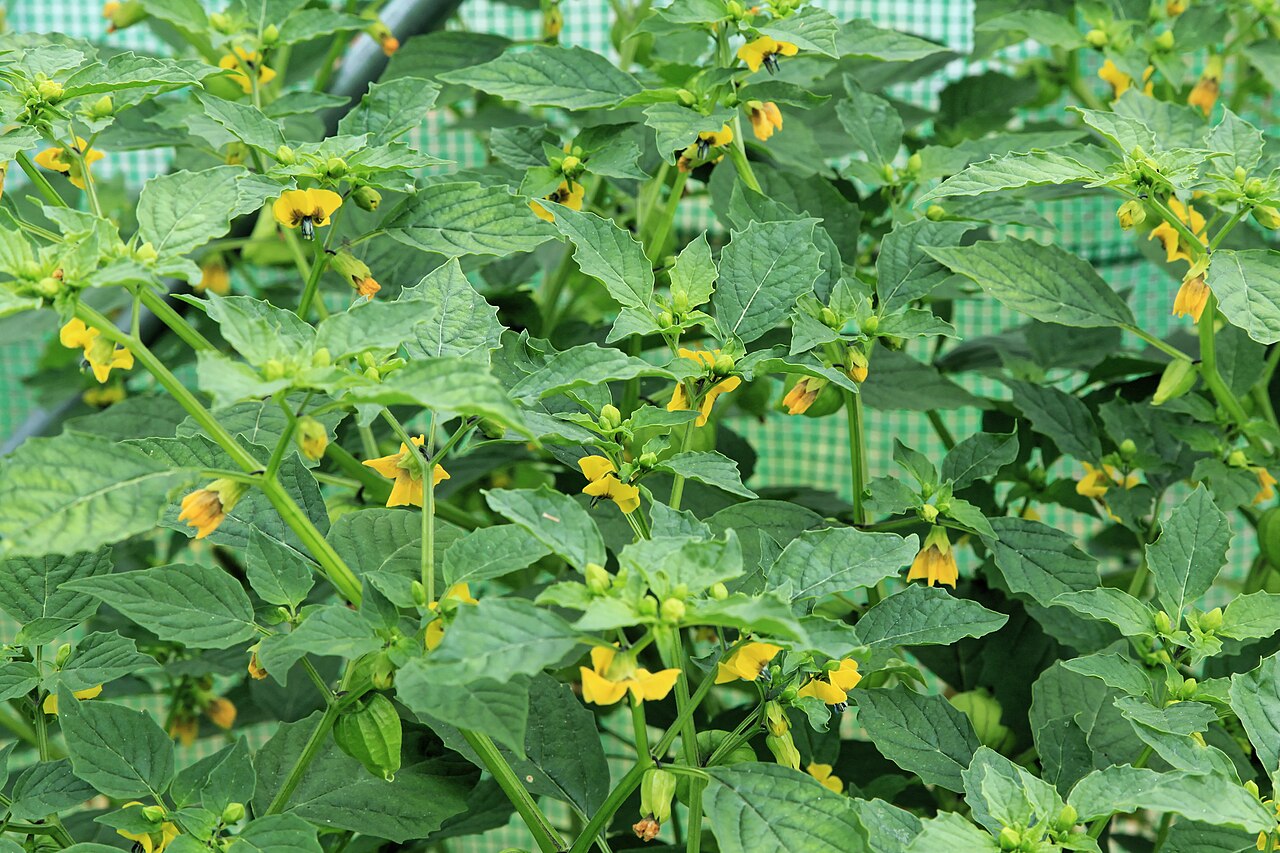
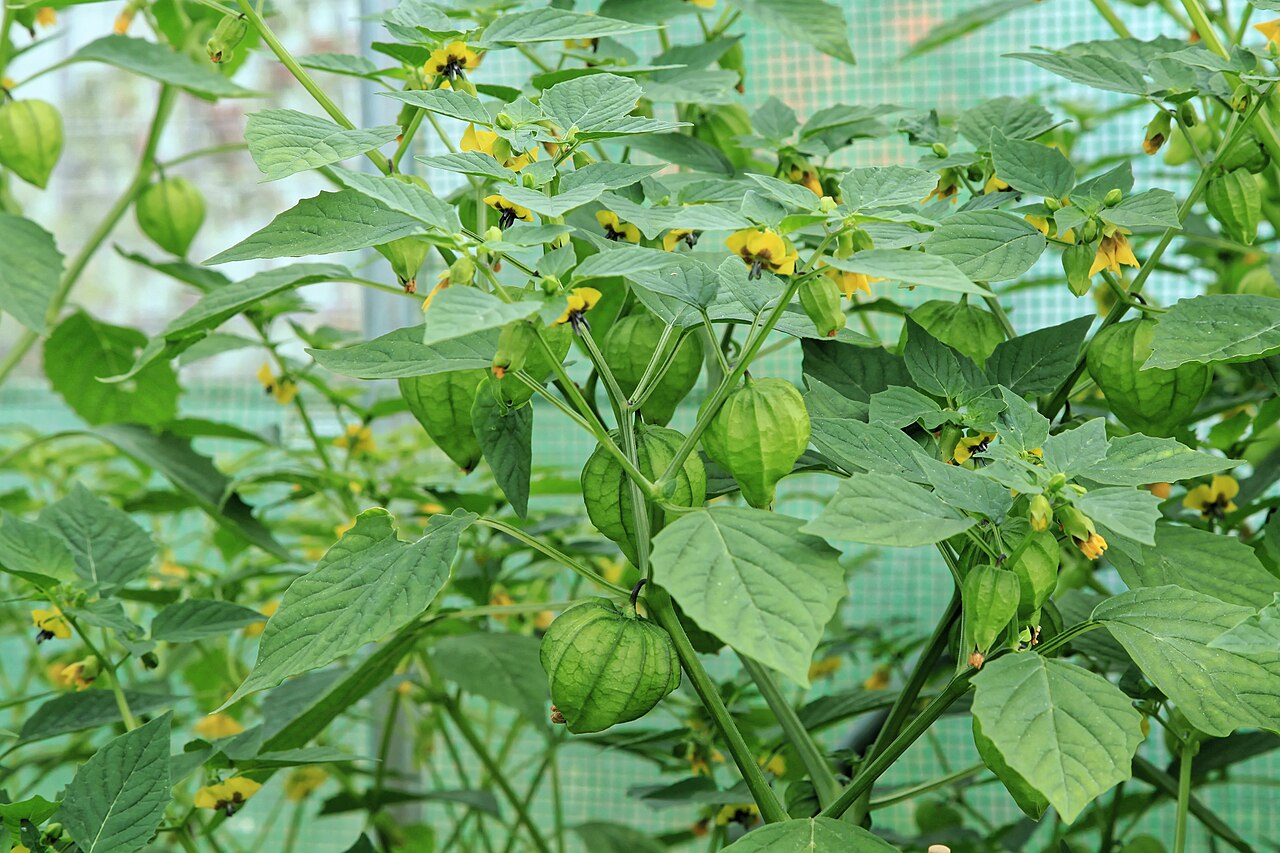
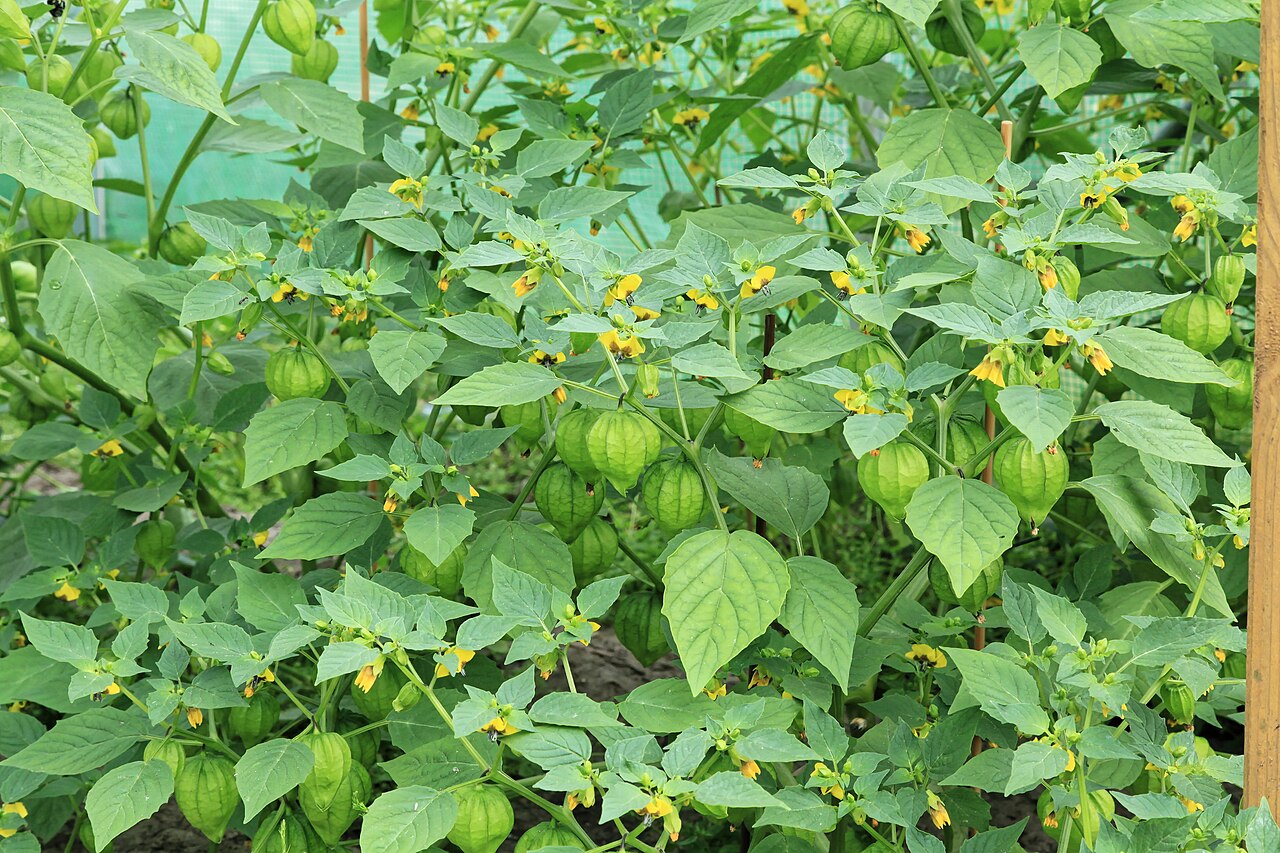
Toma Verde is the tomatillo most salsa verde starts with: an early, open-pollinated green type with medium to large fruits that are tart when young and sweeten as the husk splits and the fruit turns from yellow-green to medium green. It is the reliable one — productive, early enough for short seasons, and consistent enough that seed houses have sold it for decades without changing the description, because the description keeps being true.
For the cook, Toma Verde is the salsa verde tomatillo: roast it with chilies, garlic, and onion, blend with cilantro, and you have the green sauce that makes tacos, enchiladas, and grilled vegetables taste like they came from a restaurant that knows what it is doing. Plant at least two, because a lone tomatillo is a lonely tomatillo, and lonely tomatillos do not set fruit.
If you are new to choosing between cultivars, the Varieties Matter guide explains why the name after the plant matters as much as the plant itself. And if you want the whole clan at a glance, the broader Tomatillo guide covers tomatillo generally.
How to grow
In Florida, tomatillo is a warm-season crop with one non-negotiable rule: plant at least two plants, because tomatillos are self-incompatible and a lone plant sets almost nothing. Start seed indoors or buy transplants, set them out after the soil warms, and give them a sturdy cage — a loaded tomatillo sprawls like a tomato that skipped leg day. In the hottest months fruit set slows, so a spring crop and a late-summer crop beat one long summer slog.
Start seed indoors 6 to 8 weeks before the last frost, or buy transplants, and set out after the soil warms, 24 inches apart in a cage or on a sturdy stake. Tomatillos sprawl — a cage is not optional, it is damage control. Water steadily, mulch heavily, and feed with compost at planting and again at first fruit.
Water & feeding
Tomatillo wants steady, deep water and rich soil; uneven watering splits husks and drops flowers. Mulch heavily, feed with compost at planting and again at first fruit, and stake or cage early — wrestling a sprawling, fruit-loaded plant into a cage in July is a job for someone with more patience than you have.
Common problems
Hornworms love tomatillo foliage as much as tomato foliage — hand-pick them, and look for their droppings on the leaves below. Aphids and flea beetles visit young plants; row cover early helps. Fruit set slows in extreme heat, so in a hot climate, a spring crop and a late-summer crop beat one long summer slog, and a little afternoon shade does not hurt.
Harvest
Harvest when the husk splits and the fruit fills it, turning from yellow-green to medium green and feeling firm. Pick regularly — a plant left unpicked stops setting new fruit, and the husks hide fruit that overripens and splits. Use within a few days, or roast and freeze for salsa later; roasted tomatillo freezes beautifully.
Nerdy fact: Tomatillos are self-incompatible, which is botanist-speak for a plant that refuses to pollinate itself: the flowers need pollen from a different plant, carried by insects, which is why two plants are the minimum and four are better. It is the plant kingdom’s way of insisting on genetic diversity, and your salsa is the beneficiary.
Saving seeds
Toma Verde is the tomatillo most salsa verde starts with: an early, open-pollinated green type with medium to large fruits that are tart when young and sweeten as the husk splits and the fruit turns from yellow-green to medium green. It is the reliable one — productive, early enough for short seasons, and consistent enough that seed houses have sold it for decades without changing the description, because the description keeps being true. For the cook, Toma Verde is the salsa verde tomatillo: roast it with chilies, garlic, and onion, blend with cilantro, and you have the green sauce that makes tacos, enchiladas, and grilled vegetables taste like they came from a restaurant that knows what it is doing. As an open-pollinated variety, as the guide states, saved seed comes true — with the one non-negotiable tomatillo rule: plant at least two plants, because tomatillos are self-incompatible and a lone plant sets almost nothing. The full method is in the Saving seeds section of the Tomatillo guide.