
🫑 Tomatillo
What it looks like
How to grow
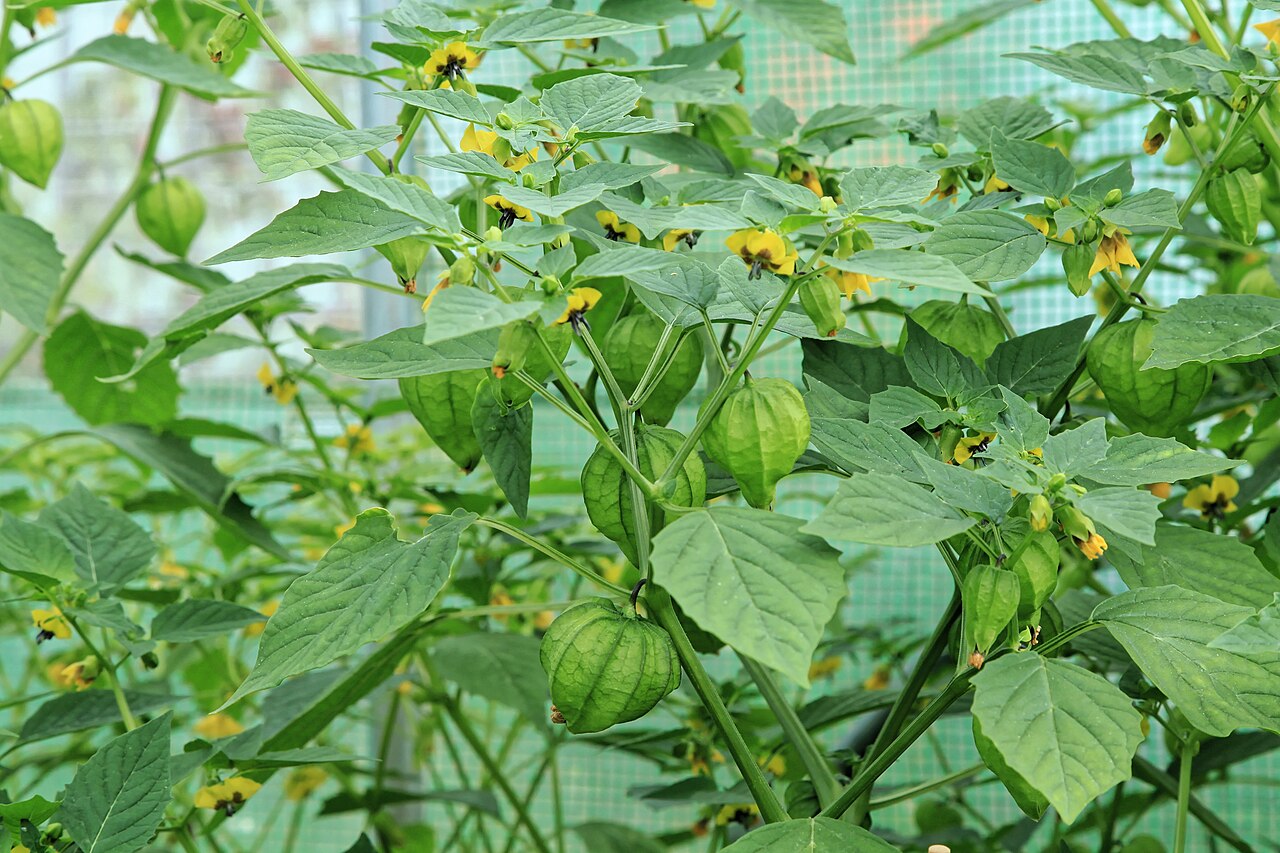
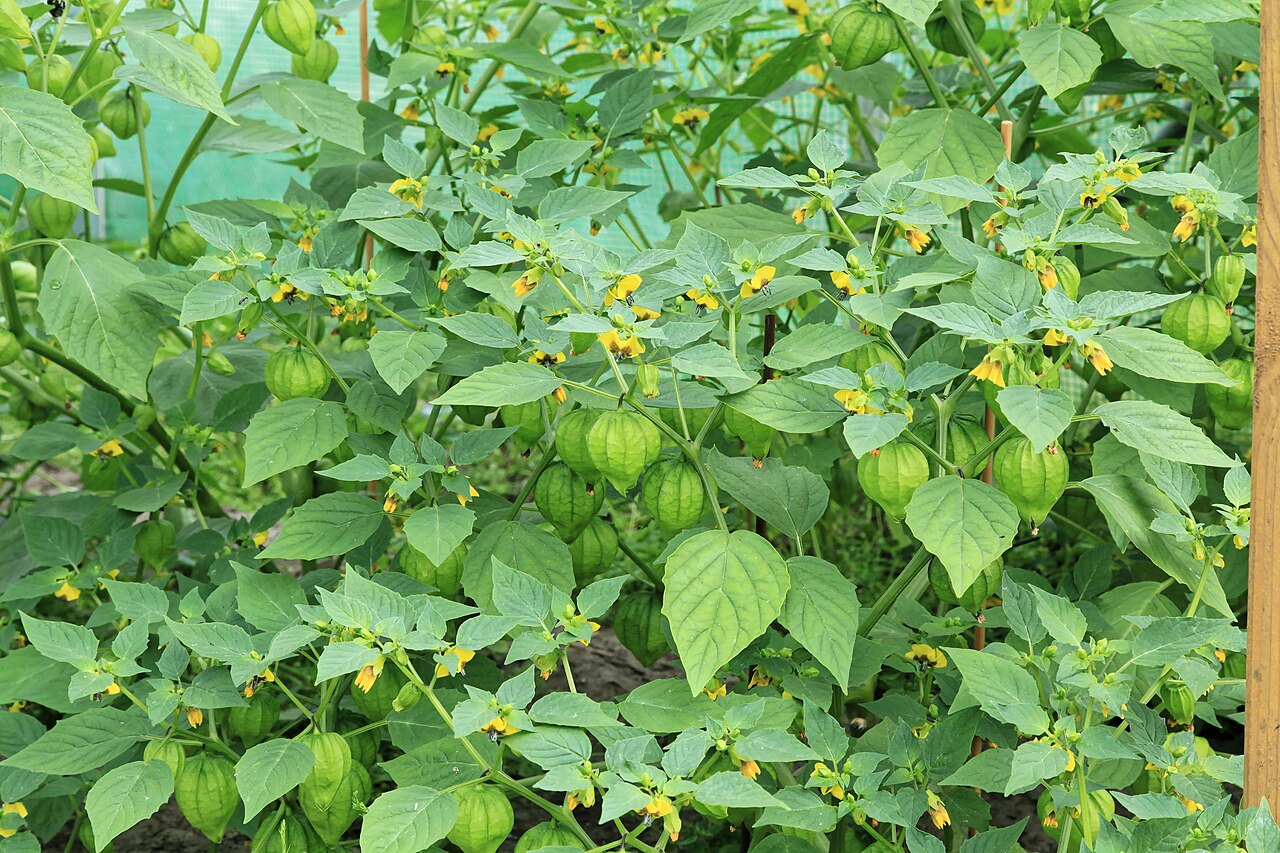
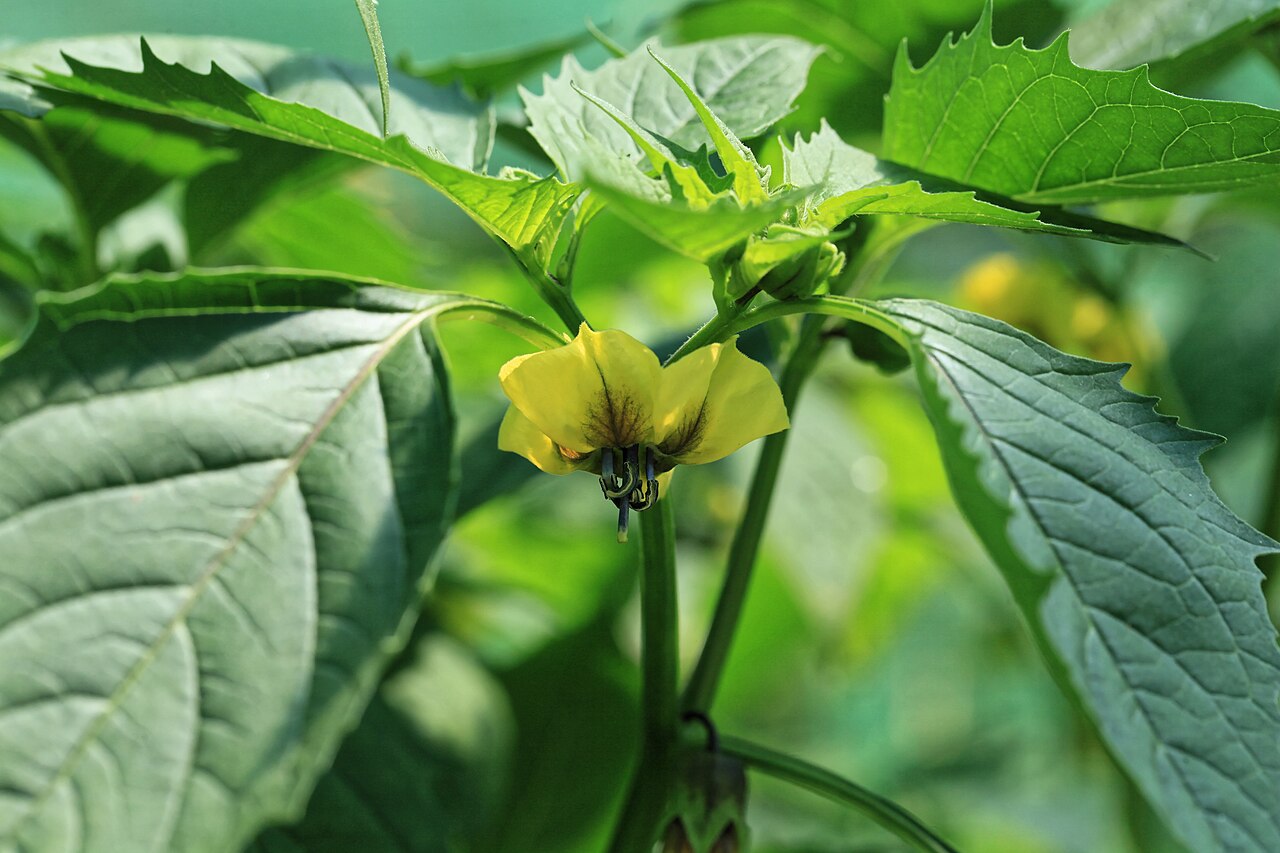
Tomatillos look like green tomatoes in paper lanterns, and they are cousins — same family, different genus — but they grow with a crucial difference: tomatillos are not self-fertile. You need at least two plants for pollination, or you will get beautiful husks and no fruit, which is the classic beginner mistake.
Start indoors 6–8 weeks before last frost or buy transplants, and plant out after frost danger when soil is warm. Give them tomato cages or sturdy stakes — plants sprawl and sprawl, and fruit on the ground rots. Tomatillos tolerate heat and poor soil better than tomatoes do, which makes them a reliable crop in hot zones where tomatoes struggle.
Husks split and fruit fills them as it ripens; a plant can produce dozens of fruit over a long season. Prune lightly for airflow, but don’t prune like a tomato — tomatillos fruit on sprawling growth, and heavy pruning costs you salsa.
Water & feeding
About 1–2 inches a week, deep and at the base. Tomatillos forgive uneven water better than tomatoes, but consistent moisture still gives larger, less-split fruit. Work worm castings into each planting hole and side-dress at flowering; castings carry a low burn risk and feed the long, heavy fruiting season steadily.
Common problems
- No fruit despite flowers: almost always a single plant — grow two or more for cross-pollination.
- Hornworms: hand-pick (they love tomatillos as much as tomatoes); check at dusk with a light.
- Fruit splitting: uneven water late in the season — mulch and water evenly.
- Three-lined potato beetles: hand-pick; heavy infestations on young plants warrant row cover early.
Harvest
Pick when the fruit fills and splits its husk and feels firm, while still green (purple varieties color up when ripe). Fruit that drops is often still usable if the husk is intact. Husk, rinse off the sticky coating, and use fresh for salsa verde, or roast for a deeper flavor. Tomatillos store for weeks in their husks in the fridge.
Browse all plant & pest guides
Saving seeds
Tomatillo is easy seed. Let a few fruits ripen fully on the plant — the husks turn tan and papery and the fruit inside fills the husk and turns yellow-green — then scoop the seed out, rinse off the pulp, and dry it thoroughly. No cold treatment is needed; sow in warm soil — 70 to 80°F — barely covered, and germination usually comes in one to two weeks.
Save from the best plants — the most productive, the biggest fruit, the ones that kept bearing through the heat — and let the weak ones go to the compost instead of to seed. A single plant makes dozens of fruits, and one fruit is enough seed for a whole row next year.
Tomatillos cross with other Physalis — ground cherries and their cousins — so grow only one Physalis type for seed at a time if you want it pure. And plant more than one: tomatillos are self-incompatible, so a lone plant sets little fruit, and two or more plants cross-pollinate each other. Seed keeps a few years in a cool, dry jar.
In Florida, tomatillos are a warm-season crop that loves the heat and humidity, happiest in full sun and rich soil. Sow in spring once the soil is warm, give them a cage or a stake, and let a few fruits ripen fully for seed — that is the crop paying you back.
Varieties
Every named variety of Tomatillo with its own growing guide:
- Amarylla Tomatillo — The sweet yellow tomatillo: unusually sweet, golden fruit bred in Poland — the tomatillo for salsas, jams, and eating fresh.
- Cisineros Tomatillo — The giant green tomatillo: very large, bright-green fruit with a big, bold flavor — the one for stuffing, grilling, and serious salsa batches.
- De Milpa Tomatillo — The milpa tomatillo — small, intensely flavored fruit from the traditional cornfield planting, and the old Mexican type.
- Grande Rio Verde Tomatillo — The big green tomatillo — large fruit, robust flavor, and the type for stuffing, grilling, and big-batch salsa.
- Pineapple Tomatillo — The tiny, fruity tomatillo: small green-yellow fruit with a sweet, almost tropical flavor — the salsa tomatillo that doubles as a snack.
- Purple Tomatillo — The purple tomatillo — deep purple fruit, sweeter and milder than green types, and the show-off of the salsa bed.
- Rendidora Tomatillo — The productive green tomatillo: reliable, heavy yields of classic green fruit — the workhorse for big salsa batches.
- Toma Verde Tomatillo — The classic green tomatillo — early, tart when young, sweeter as it ripens, and the standard for salsa verde.
- Verde Puebla Tomatillo — The flavorful green tomatillo from Puebla: large, green-yellow fruit with a very flavorful, classic salsa-verde taste.