
🫑 De Milpa Tomatillo
What it looks like
Why this variety
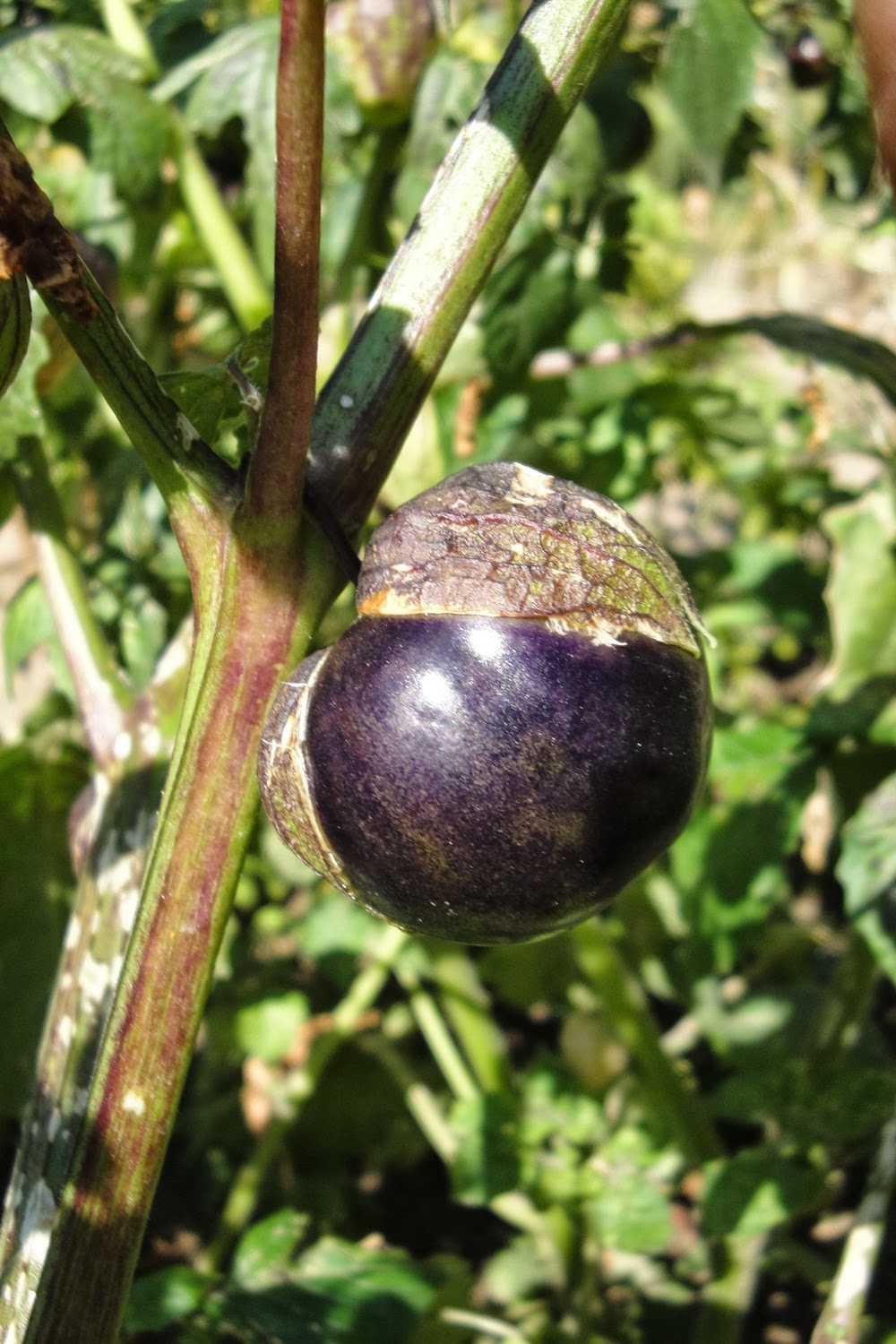
De Milpa is the tomatillo of the milpa — the traditional Mesoamerican field where corn, beans, squash, and tomatillos grow together — and it is a type name for the small, intensely flavored tomatillos that have grown in those fields for centuries. The fruit is smaller than a modern green tomatillo, but the flavor is concentrated: tart, bright, and complex, the kind of flavor that makes a salsa taste like it has more ingredients than it does.
For the gardener, De Milpa is the tomatillo that connects the bed to history: it sprawls and self-sows like its ancestors, produces abundantly, and thrives in the same hot, sunny conditions as corn and squash. Plant it with its milpa companions if you have room — corn for a trellis, squash for ground cover, beans for nitrogen — and the bed starts to look like the farming system it came from.
If you are new to choosing between cultivars, the Varieties Matter guide explains why the name after the plant matters as much as the plant itself. And if you want the whole clan at a glance, the broader Tomatillo guide covers tomatillo generally.
How to grow
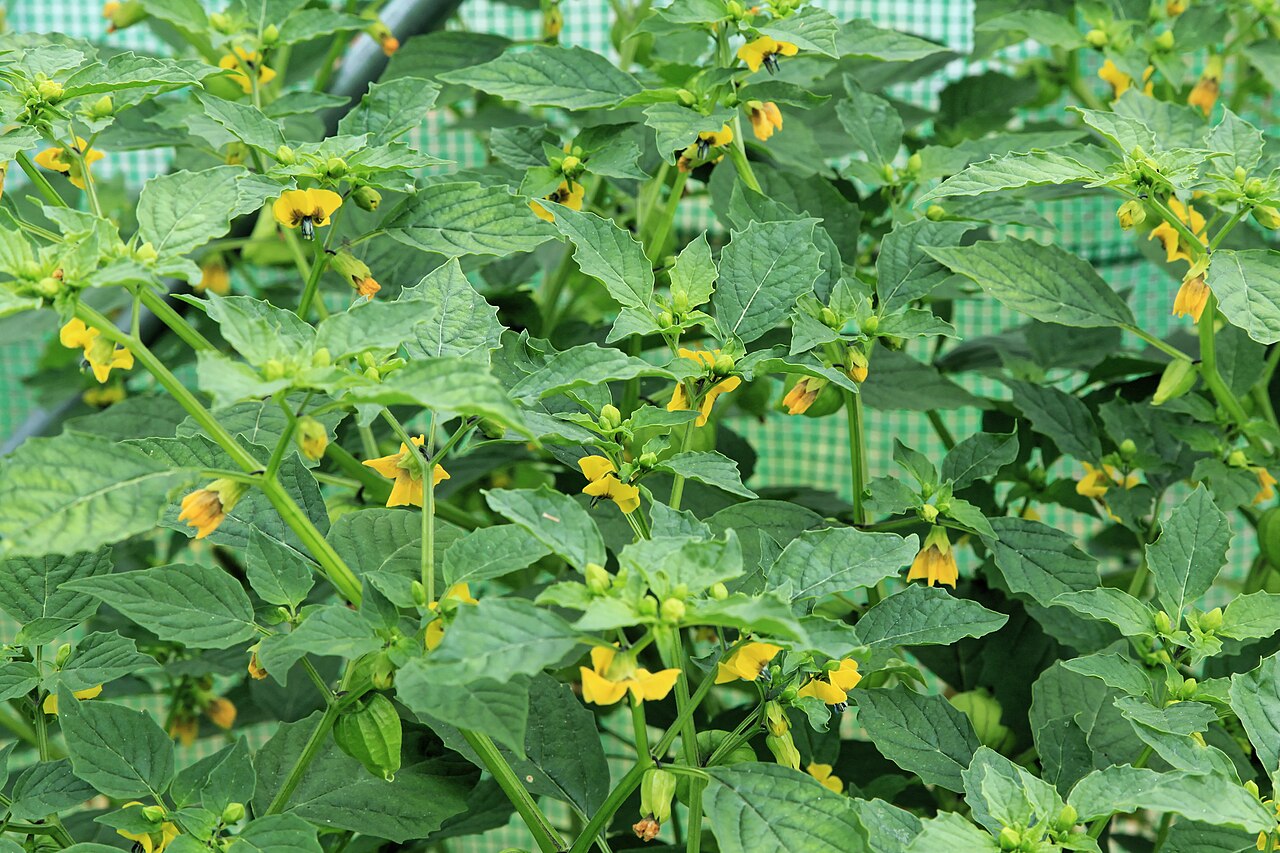
In Florida, tomatillo is a warm-season crop with one non-negotiable rule: plant at least two plants, because tomatillos are self-incompatible and a lone plant sets almost nothing. Start seed indoors or buy transplants, set them out after the soil warms, and give them a sturdy cage — a loaded tomatillo sprawls like a tomato that skipped leg day. In the hottest months fruit set slows, so a spring crop and a late-summer crop beat one long summer slog.
Grow De Milpa like other tomatillos, but expect a sprawlier plant: give it 24 inches and a cage, or let it sprawl on mulch if you have the space. Start indoors or direct-sow after the soil warms, plant at least two for pollination, water steadily, and let a few fruits drop at season’s end if you want volunteers next year — De Milpa self-sows cheerfully.
Water & feeding
Tomatillo wants steady, deep water and rich soil; uneven watering splits husks and drops flowers. Mulch heavily, feed with compost at planting and again at first fruit, and stake or cage early — wrestling a sprawling, fruit-loaded plant into a cage in July is a job for someone with more patience than you have.
Common problems
Hornworms, aphids, and flea beetles visit as usual; hand-picking and row cover help. The sprawling habit means fruit can touch the soil — mulch heavily to keep fruit clean and reduce rot. Heat slows fruit set in the hottest weeks, so a spring and late-summer crop beats one summer slog in hot climates.
Harvest
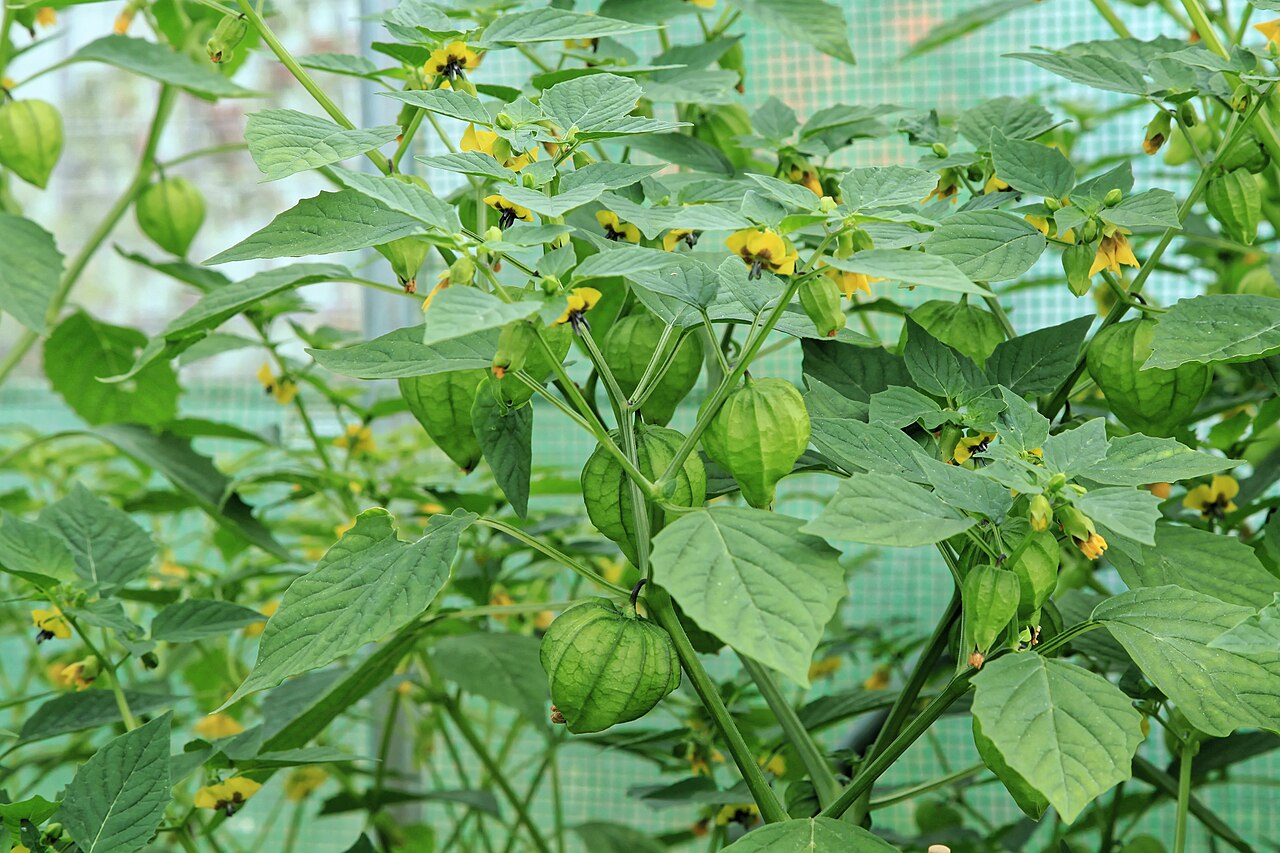
Harvest when the husk splits and the small fruit fills it, firm and green to yellow-green. Pick often — small fruit ripens in flushes, and regular picking keeps the plant producing. De Milpa fruit is perfect for salsa verde in quantity, because the intense flavor means a little goes a long way, and the small size means they roast fast.
Nerdy fact: The milpa is one of the oldest farming systems in the Americas, and tomatillo was part of it long before tomatoes arrived: the Aztecs and Maya grew tomatillos in milpas centuries before Europeans tasted a tomato. De Milpa is not a new variety — it is the old way of growing, still working, still delicious.
Saving seeds
De Milpa is the traditional milpa tomatillo, grown in those fields for centuries, and it self-sows true — save seed from your best fruit and let it dry fully before storing. The full method is in the Saving seeds section of the Tomatillo guide.