
🫑 Grande Rio Verde Tomatillo
What it looks like
Why this variety
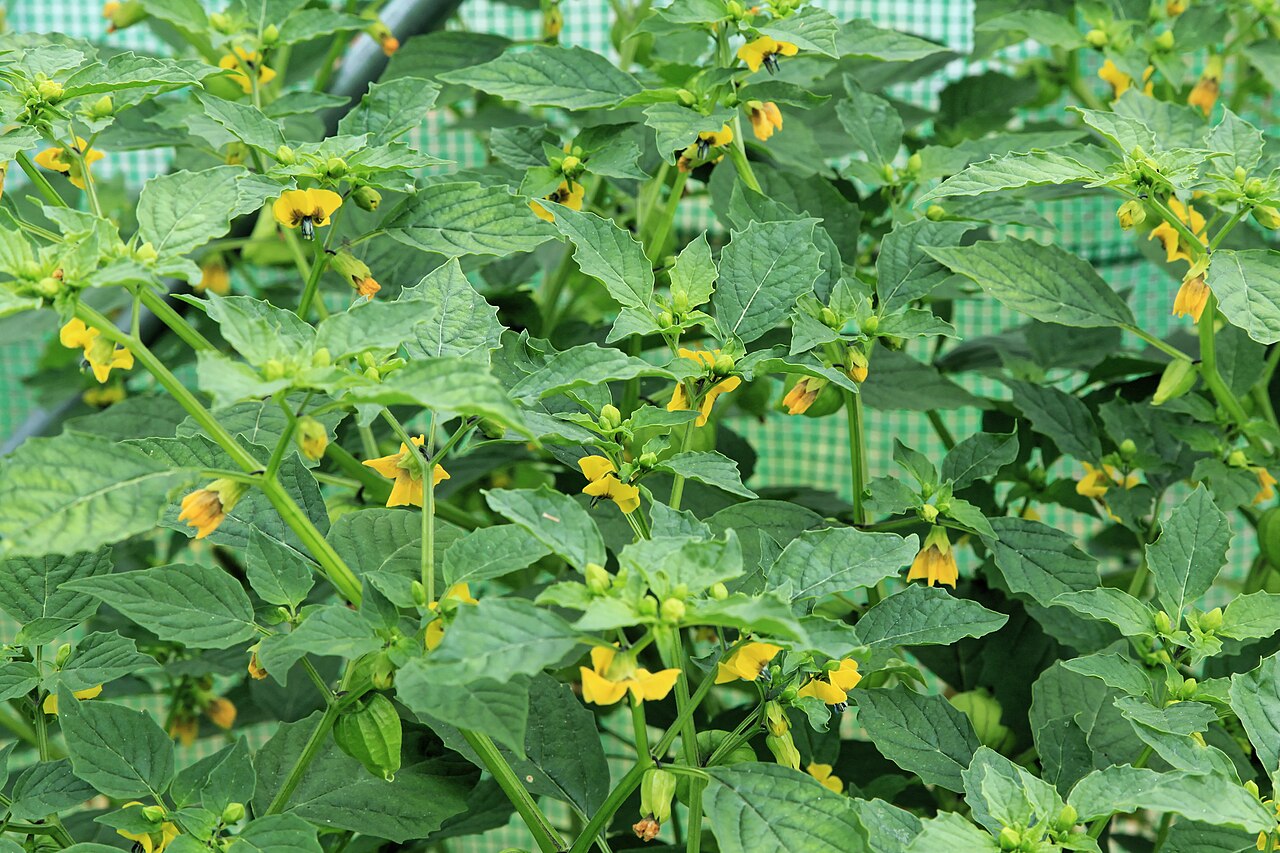
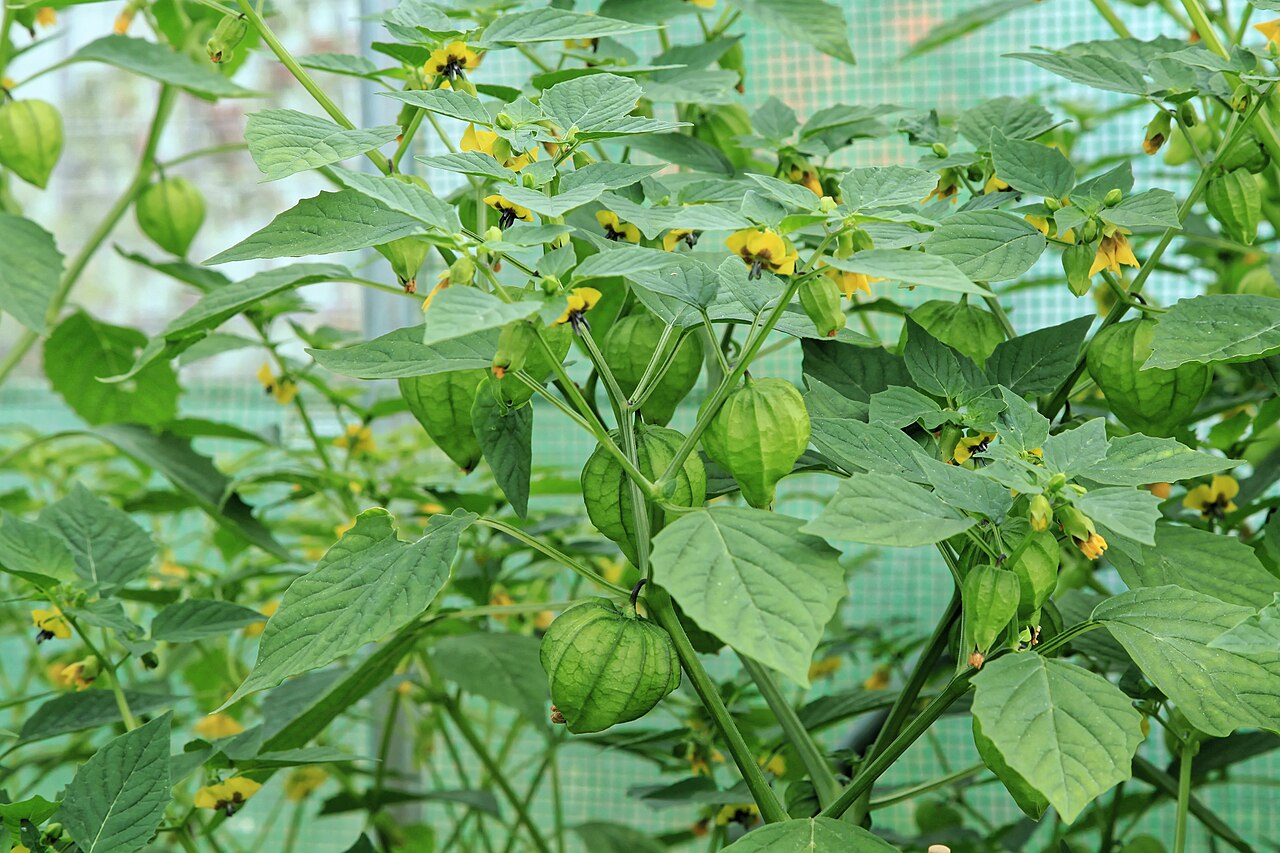
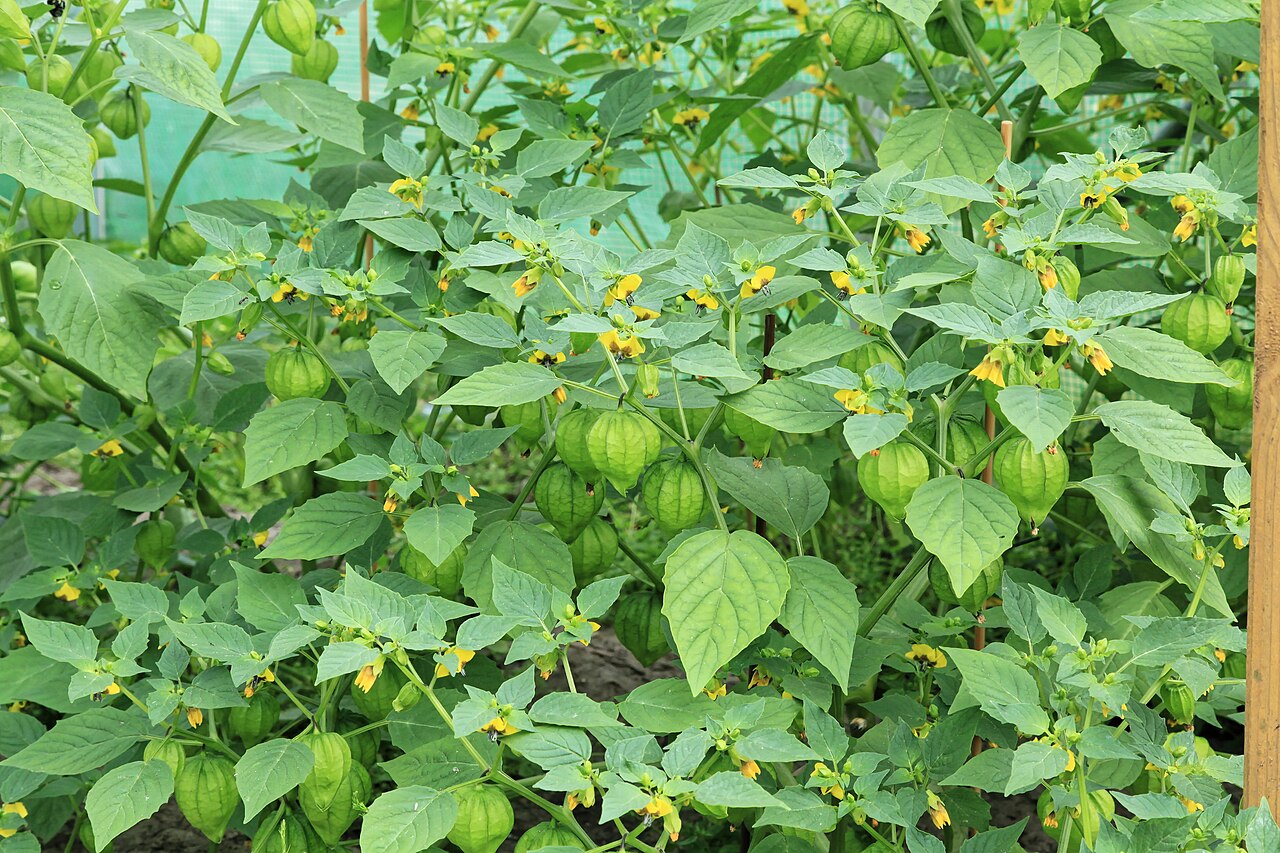
Grande Rio Verde is the tomatillo for gardeners who look at a standard tomatillo and think, bigger: large, green fruit with a robust, classic tomatillo flavor, on vigorous plants that produce heavily through the season. The name is the description — grande means large, rio verde means green river, and the fruit lives up to both, running large and green and plentiful enough for big-batch salsa without planting a whole field.
For the kitchen, size matters: a large tomatillo halves and grills beautifully, stuffs without fiddling, and roasts into salsa in fewer pieces and less prep time. If your tomatillo plans involve a grill, a stuffing, or a freezer full of salsa verde for winter, Grande Rio Verde is the type that gets you there with fewer plants and less picking.
If you are new to choosing between cultivars, the Varieties Matter guide explains why the name after the plant matters as much as the plant itself. And if you want the whole clan at a glance, the broader Tomatillo guide covers tomatillo generally.
How to grow
In Florida, tomatillo is a warm-season crop with one non-negotiable rule: plant at least two plants, because tomatillos are self-incompatible and a lone plant sets almost nothing. Start seed indoors or buy transplants, set them out after the soil warms, and give them a sturdy cage — a loaded tomatillo sprawls like a tomato that skipped leg day. In the hottest months fruit set slows, so a spring crop and a late-summer crop beat one long summer slog.
Start indoors 6 to 8 weeks before the last frost, set out 30 inches apart after the soil warms, and cage with the sturdiest cage you own — a loaded Grande Rio Verde is heavy, and a flimsy cage folds under it in the first thunderstorm. Plant at least two for pollination, water steadily, and mulch heavily.
Water & feeding
Tomatillo wants steady, deep water and rich soil; uneven watering splits husks and drops flowers. Mulch heavily, feed with compost at planting and again at first fruit, and stake or cage early — wrestling a sprawling, fruit-loaded plant into a cage in July is a job for someone with more patience than you have.
Common problems
Hornworms are the main pest — check undersides of leaves and hand-pick, because one hornworm can defoliate a branch overnight. Aphids and flea beetles visit young plants. Heat slows fruit set, so in hot climates, spring and late-summer crops beat one summer slog, and consistent water prevents split husks on the large fruit.
Harvest
Harvest when the husk splits and the fruit fills it, firm and green. Large fruit ripens a little later than small types, so be patient — a Grande Rio Verde picked too early is tart without the sweetness that comes with full ripeness. Pick regularly to keep the plant setting fruit, and roast extras for the freezer.
Nerdy fact: Tomatillo fruit grows inside a papery husk called a calyx, which is the plant’s own packaging: it protects the fruit from insects and sun, splits when the fruit is ripe, and makes a satisfying papery rustle at harvest. The husk is the reason tomatillos store well on the counter — nature’s cling wrap, compostable and free.
Saving seeds
Grande Rio Verde is an open-pollinated tomatillo, so saved seed comes true — but tomatillos are self-incompatible, so plant at least two plants or a lone plant sets almost nothing. The full method is in the Saving seeds section of the Tomatillo guide.