
🟢 Verde Puebla Tomatillo
What it looks like
Why this variety
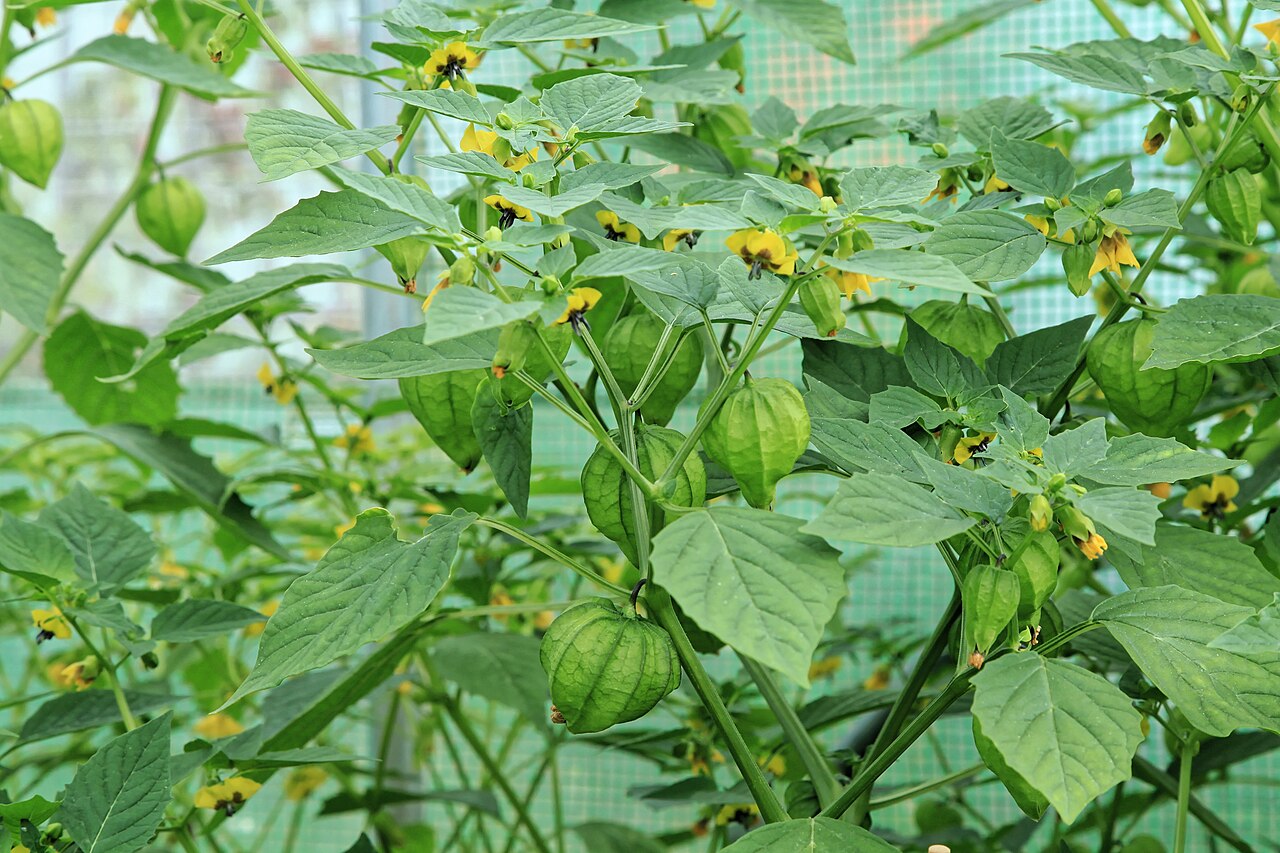
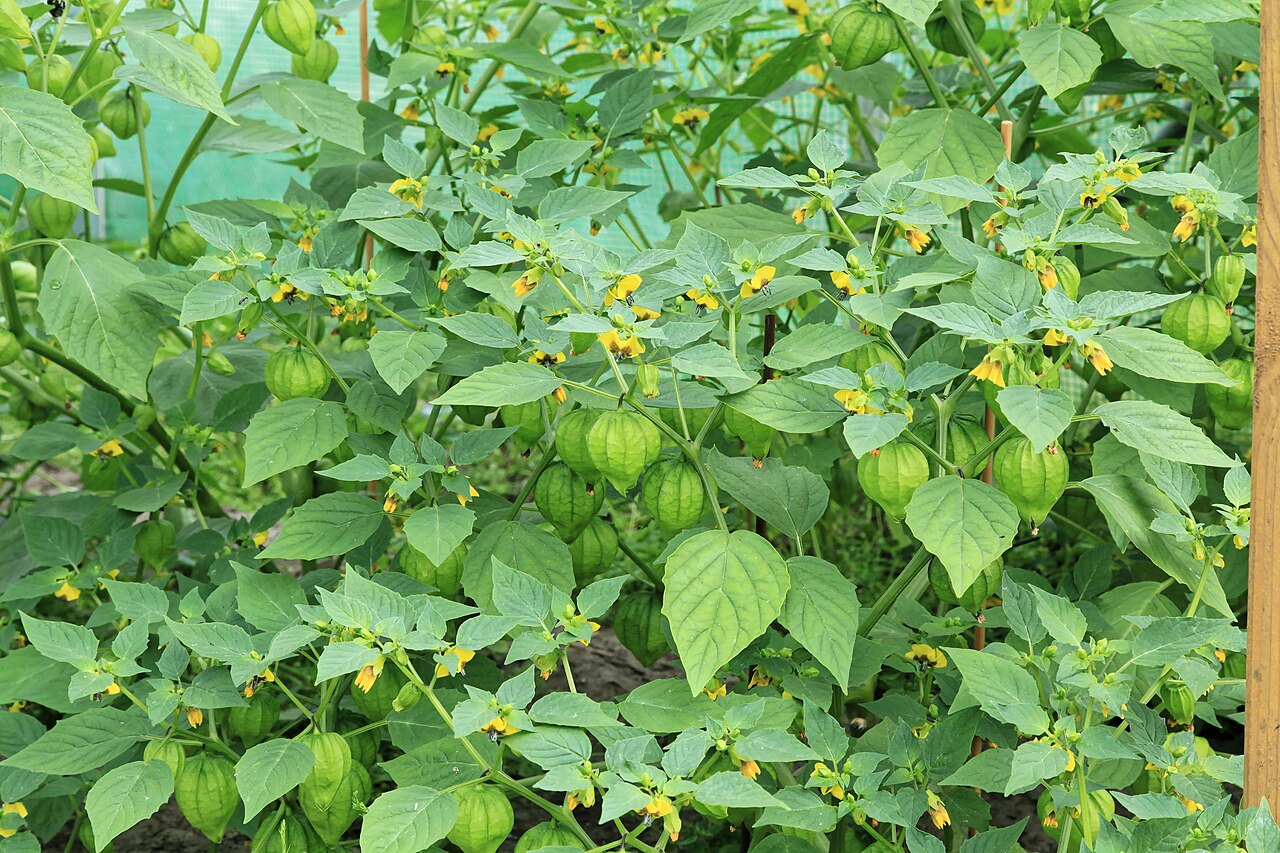
Verde Puebla is the tomatillo for cooks who care about flavor first: large, green-yellow fruit — the second-largest in the Rutgers Extension trial, behind only Cisineros — described in trial notes as very flavorful. It comes from Puebla, Mexico, a region whose cuisine built salsa verde, and it tastes like it belongs there: bright, tart, and full, the standard against which green tomatillos are judged.
The green-yellow color is a ripeness clue, not a flaw: Verde Puebla fruit turns from bright green to green-yellow as it matures, getting sweeter and less sharply tart as it does. Picked green, it makes a bright, sharp salsa; picked yellow-green, it makes a rounder, sweeter one. That range is a feature — one variety, two sauces, depending on when you pick.
Florida translation: Verde Puebla thrives in Florida heat and humidity, producing heavily over a long season. Plant in spring, give it room and support, plant at least two varieties for pollination, and pick when husks fill and split. Its large fruit means fewer husks to peel per batch, which anyone who has peeled a hundred tomatillos will appreciate.
How to grow
Start seed indoors 6-8 weeks before transplanting — tomatillos need warm soil and a head start — and set out only after nights are reliably warm and frost is past. Space plants 36-48 inches apart, and plant at least two plants, preferably two different varieties, because tomatillos are largely self-incompatible and a lone plant sets almost no fruit. Stake or cage them: plants grow 3-5 feet tall, sprawl enthusiastically, and a loaded plant will flop into the mulch without support. Work worm castings into the planting hole and mulch thickly.
Water & feeding
Tomatillos want steady moisture and warm soil: about an inch a week, delivered at the base, with mulch to hold it. They tolerate heat far better than tomatoes, but drought during fruit swelling makes small, thick-skinned husks with less juice inside. Feed with worm castings at planting and one side-dress when plants start blooming; tomatillos are not heavy feeders, and over-fertilizing grows a jungle of leaves with fewer fruit. In sandy soil, split the feed into two small doses so it does not wash straight past the roots.
Common problems
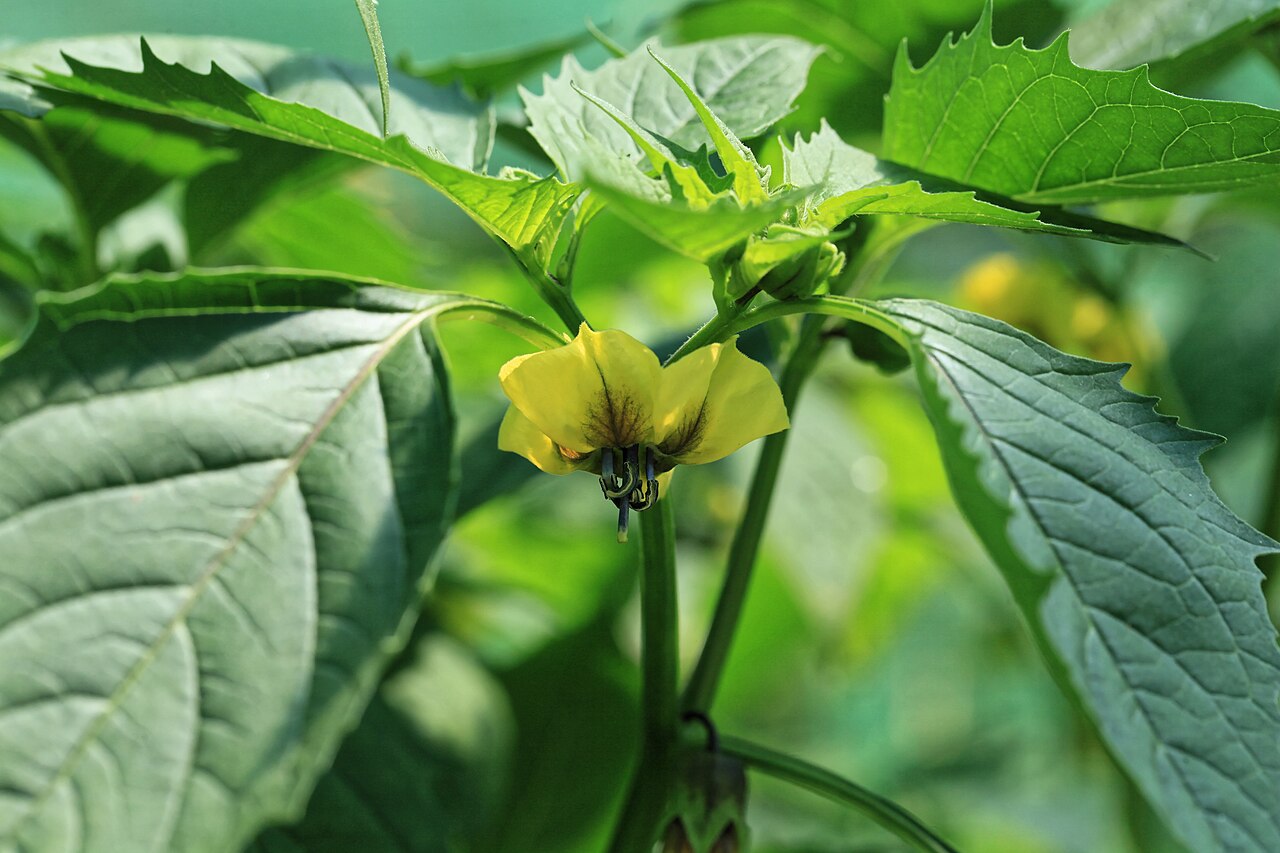
- No fruit on a lone plant — tomatillos are largely self-incompatible, so one plant alone flowers beautifully and sets almost nothing. Plant at least two, and preferably two different varieties, near each other.
- Hornworms — the same tomato hornworms love tomatillo leaves. Hand-pick or use Bt; check undersides of leaves for eggs.
- Fruit splitting after rain — husks fill faster than skins can stretch. Steady watering and mulch help; pick nearly full fruit before a forecast downpour.
- Three-lined potato beetles and flea beetles — leaf-chewing beetles on young plants. Row cover early, or hand-pick; vigorous plants usually outgrow flea-beetle damage.
- Root-knot nematodes in sandy soil — rotate away from other nightshades, add organic matter, and solarize beds in summer if pressure is high.
Harvest
Pick when the husk splits or turns papery and the fruit inside has filled it out completely — the fruit should feel firm and fill the husk, and it will slip easily from the stem. Fruit picked young is tart and bright; fruit left longer turns sweeter and softer. Husk color alone does not tell you ripeness; the filled husk does. Peel the husk, rinse off the sticky coating, and use fresh for salsa verde, or roast with chilies, onion, and garlic for a deeper sauce. Tomatillos keep two to three weeks refrigerated in their husks, and freeze well after husking.
Browse all plant & pest guides
Saving seeds
Verde Puebla is the tomatillo for cooks who care about flavor first: large, green-yellow fruit — the second-largest in the Rutgers Extension trial, behind only Cisineros — described in trial notes as very flavorful. It comes from Puebla, Mexico, a region whose cuisine built salsa verde, and it tastes like it belongs there: bright, tart, and full, the standard against which green tomatillos are judged. The green-yellow color is a ripeness clue, not a flaw: Verde Puebla fruit turns from bright green to green-yellow as it matures, getting sweeter and less sharply tart as it does. No seed house pins down whether Verde Puebla is open-pollinated or a hybrid, so its breeding class isn’t pinned down — and seed saved from it is a gamble. Tomatillos are largely self-incompatible, so plant at least two plants, preferably two different varieties, because a lone plant sets almost no fruit. The full method is in the Saving seeds section of the Tomatillo guide.