
🐍 Buag Ngu Snake Gourd
What it looks like
Why this variety
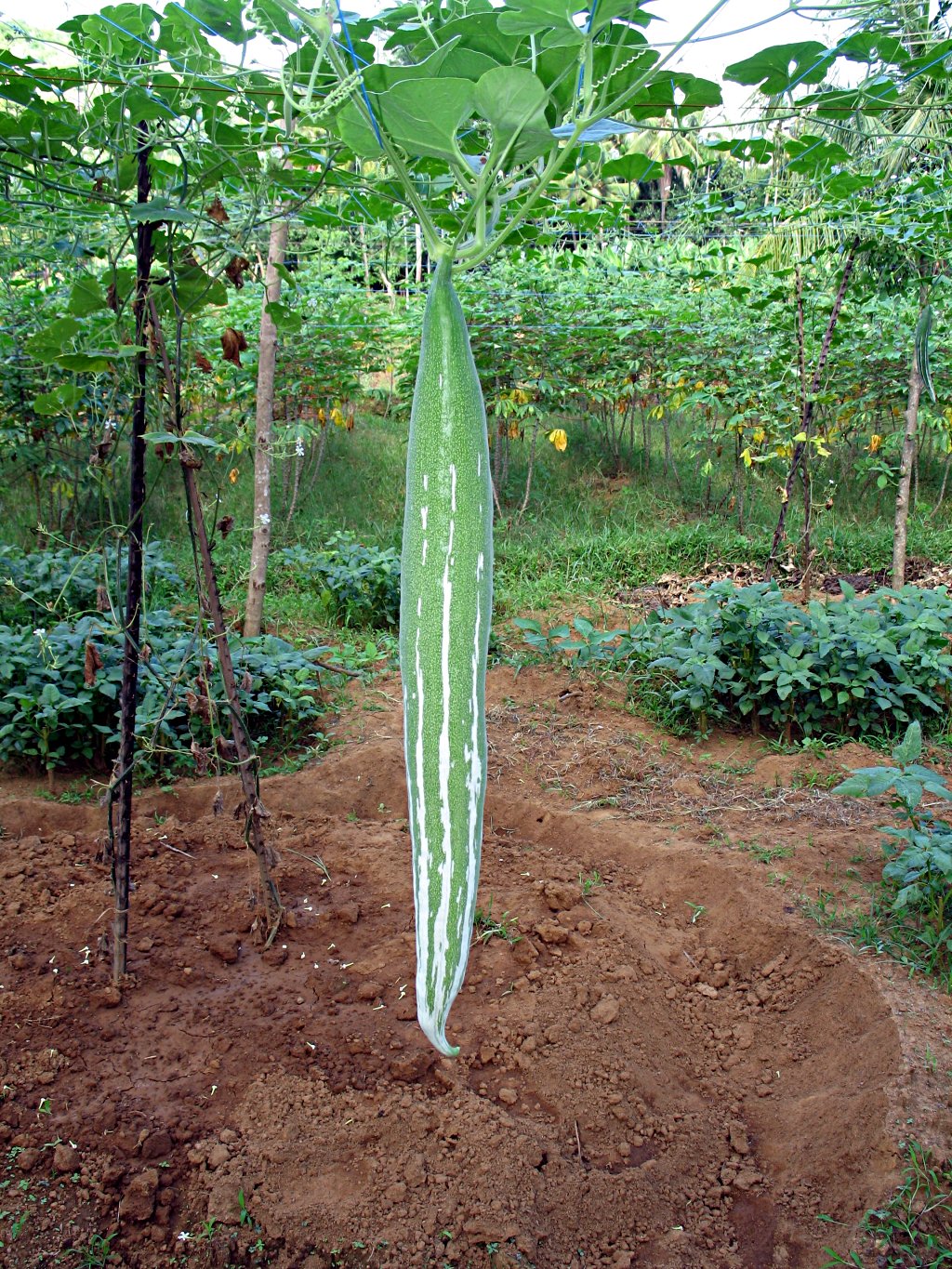
Buag Ngu is a named Thai snake gourd variety — Trichosanthes cucumerina var. anguina ‘Buag Ngu’ — and it is the snake gourd to plant if you want a harvest rather than a science project: early ripening, prolific, and noted for pest resistance, it sets fruit reliably where slower types are still climbing. The fruit are the classic snake gourd shape — long, slender, and slightly curved — best picked young and tender for curries, stir-fries, and soups, where the flesh is soft and mild like a luffa’s younger cousin.
Prolific matters in a vine: a single Buag Ngu plant on a strong trellis can keep you in fruit through the hottest months, which is exactly when a Florida garden needs a vine that does not quit. Pick young and often — every fruit you pick encourages another, and a fruit left to grow enormous becomes fibrous and better suited to seed than supper, which is a polite way of saying you missed your window.
If you are new to choosing between cultivars, the Varieties Matter guide explains why the name after the plant matters as much as the plant itself. And if you want the whole clan at a glance, the broader Snake Gourd guide covers snake gourd generally.
How to grow
In Florida, snake gourd is in its element: give it a strong trellis, full sun, and the hottest months, and it will out-climb almost anything else in the garden, setting fruit that can dangle several feet long if you let them. Plant after the soil is warm, and harvest the fruit young and tender for cooking — left to mature, they turn fibrous and better suited to seed-saving than supper. It loves the humidity that makes other cucurbits mildew and mope, which makes it one of the most Florida-proof vines you can grow.
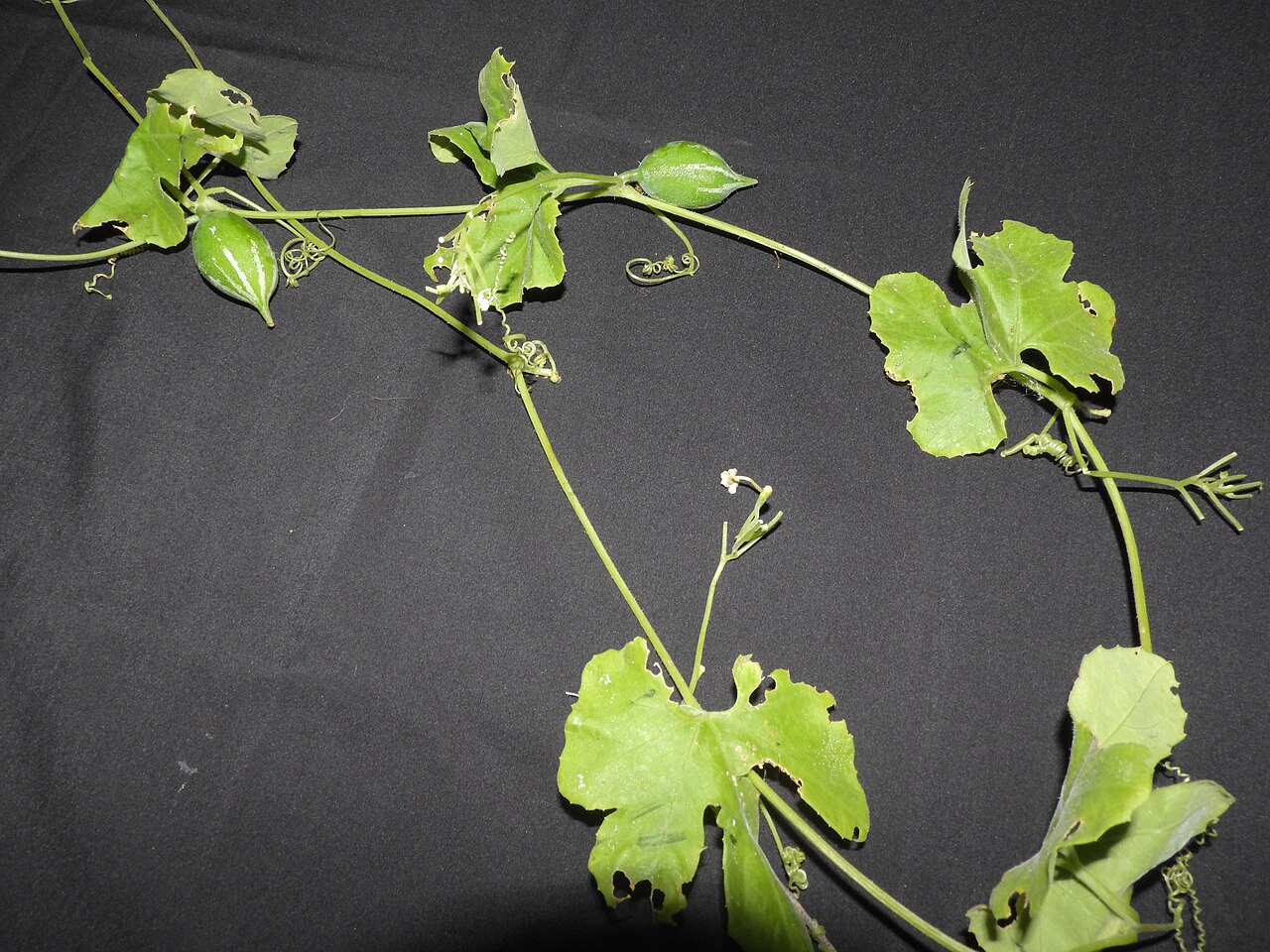
Start seed indoors or direct-sow after the soil is warm, spacing 24–36 inches apart at the base of a strong trellis — this vine climbs hard and fruits heavy, so a flimsy support will collapse under the harvest it was meant to hold. Water deeply, mulch heavily, and feed every few weeks; a hungry vine gives you bitter, misshapen fruit, and a well-fed one gives you dinner. Train the vines up, not along the ground, for straighter fruit and cleaner picking.
Water & feeding
Snake gourd is a thirsty vine in summer heat, and a big vine moves a lot of water. Water deeply and consistently, mulch heavily to hold moisture, and feed every few weeks with compost or a balanced fertilizer; uneven watering gives you misshapen, bitter fruit, so do not let the bed dry out between waterings.
Common problems
Cucumber beetles and squash bugs may visit, as with other cucurbits, and powdery mildew can appear late in the season — good airflow on a trellis is the first defense, and removing affected leaves early helps. Buag Ngu’s noted pest resistance gives it an edge, but it is resistance, not immunity, so scout the vines weekly and hand-pick beetles before they settle in.
Harvest
Pick fruit young, when they are slender, tender, and still snap cleanly — usually well under two feet long, even though the vine can grow them far longer. Use promptly in curries and stir-fries, where the soft flesh soaks up sauce, or slice and add to soups. For seed, leave one fruit to mature fully on the vine, then dry and save the seed for next year.
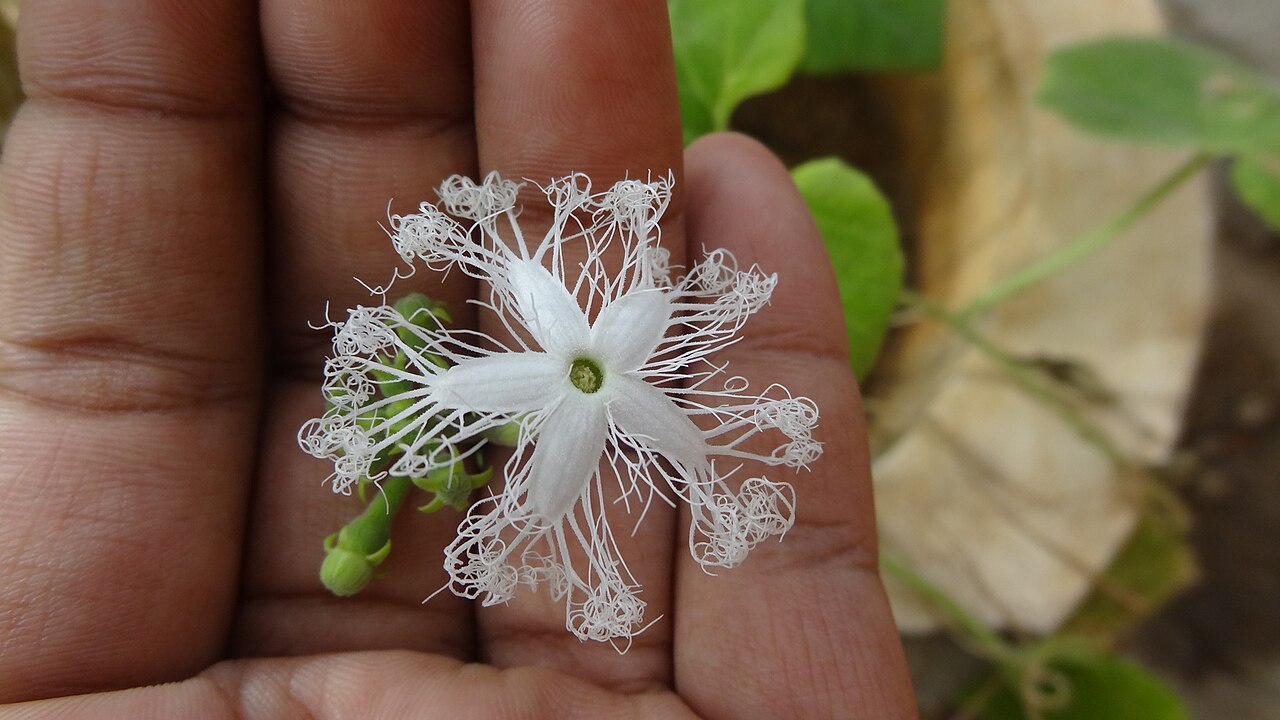
Nerdy fact: Snake gourd flowers are something to stay up for: they open at night, white and fringed like lace, and are pollinated by moths — which is why a snake gourd vine in the evening smells faintly sweet and looks like it is decorated for a party. A vegetable that blooms for moths is a vegetable that understands nightlife.
Saving seeds
Buag Ngu is a named variety, so it comes true from seed — save seed from your best fruits and let them ripen fully before storing. The full method is in the Saving seeds section of the Snake Gourd guide.