
🌐 Purple Sensation Giant Allium
What it looks like
Why this variety
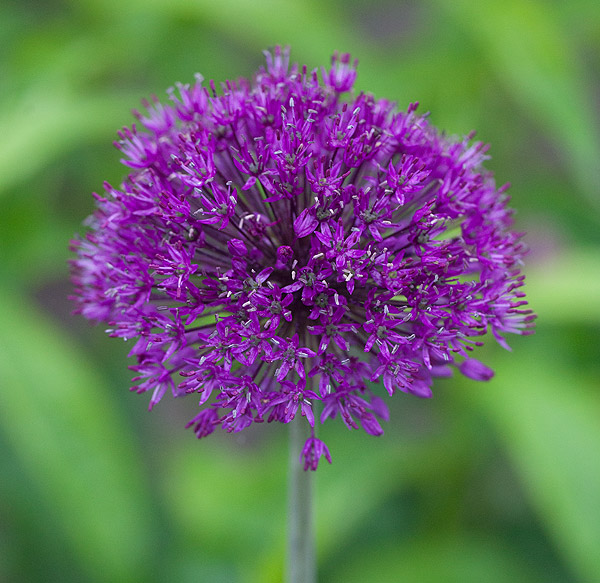
Purple Sensation is the allium that made purple globes a garden staple: deep violet-purple spheres, 4 to 5 inches across, on 3-foot stems in late spring, on a plant that multiplies freely by bulb offsets and self-seeds lightly, so a planting grows into a drift without replanting. It is less enormous than Globemaster and more generous than almost any other allium — the one to plant in quantity, through roses, among hostas, or in a sunny border where a dozen purple globes floating over green foliage is the whole design.
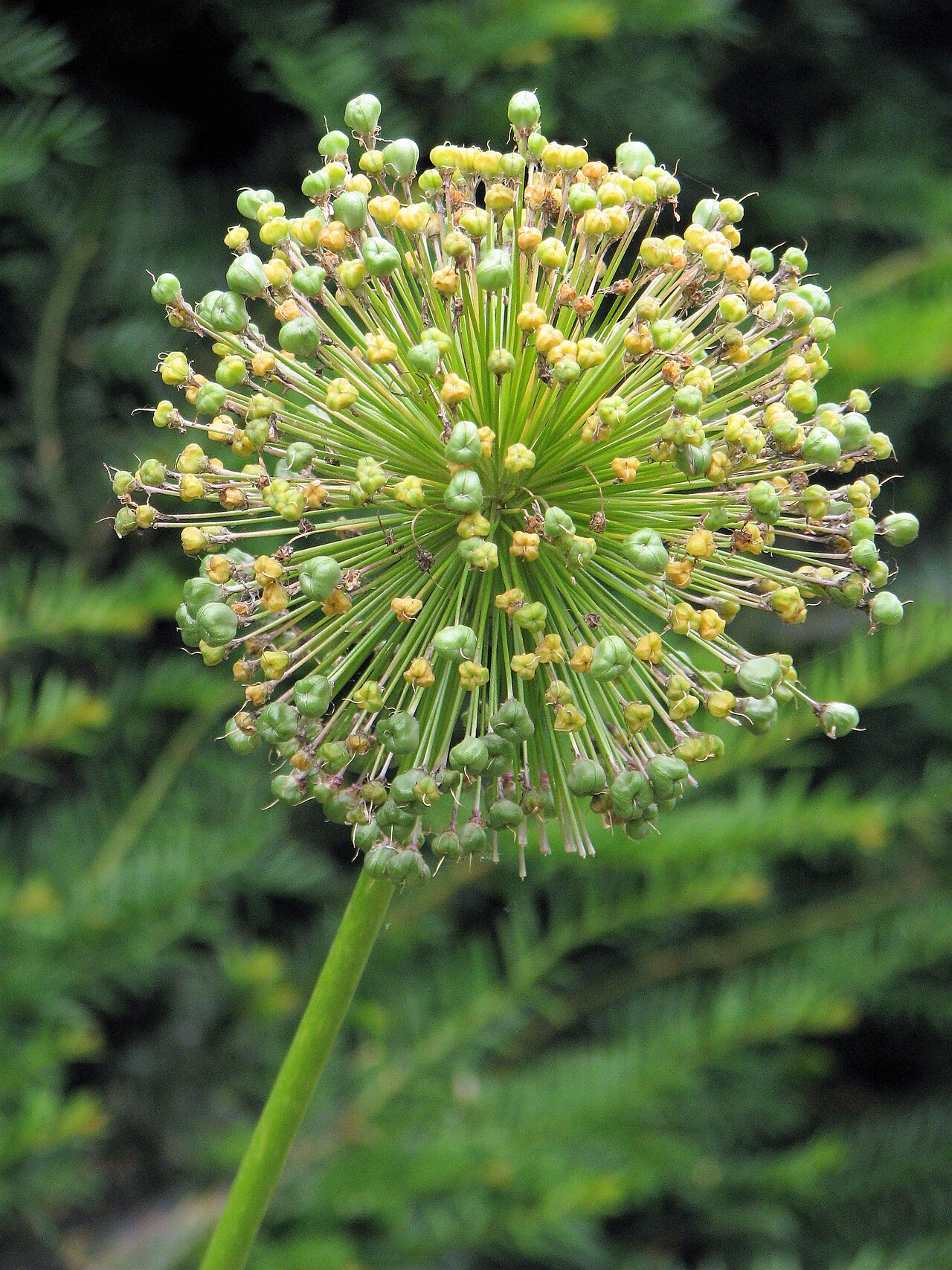
The trade-off is the same allium bargain: foliage that yellows as flowers open, so plant Purple Sensation through lower perennials that hide the dying leaves, and bulbs that rot in wet soil, so sharp drainage is non-negotiable. Do not eat the bulbs — ornamental alliums are not food onions — and leave seed heads standing after bloom for goldfinches and winter structure. In return you get the most reliable, most multiplying purple globe in the trade.
If you are new to choosing between cultivars, the Varieties Matter guide explains why the name after the plant matters as much as the plant itself. Purple Sensation is a perfect example: it is not just a giant allium in the abstract, it is a giant allium with a specific job, a specific history, and specific strengths.
Florida honesty: giant allium is a North Florida trial, not a statewide promise, and Purple Sensation, while tougher and more multiplying than Globemaster, is still a chill-needing bulb in a state short on chill. In North Florida, plant bulbs in fall in sharp drainage and full sun, treat bloom as a triumph, and welcome any return as a bonus. South of the Panhandle, expect little or no bloom, and plant a native bulb instead.
How to grow
Plant bulbs in fall, 6 to 8 inches deep, in full sun and sharply drained soil — alliums are the bulbs that rot first in wet soil, so a raised bed or gritty mix is worth the effort where rain ponds. Work worm castings into the bed at planting, mark the spot, and plant through lower perennials that will hide the yellowing foliage as flowers open. Do not eat ornamental allium bulbs — they are not food onions.
Set plants 8-12 inches apart, bulbs 6 inches deep in soil with a pH around 6.5-7.5. Work worm castings into the bed at planting and mulch to hold moisture. A well-fed giant allium plant rewards that care directly: steadier growth, better bloom, and a show that actually shows up.
Water & feeding
Keep soil moist in spring while the plant is growing, then let it dry as foliage dies back — allium bulbs rot in summer wetness. Water at the soil line, mulch lightly, and feed lightly: castings at planting is plenty. After bloom, reduce watering and let bulbs rest dry-ish until fall.
Common problems
- Yellowing foliage as flowers open — plant alliums through lower perennials that hide dying leaves.
- Bulb rot in wet soil — alliums rot first among bulbs; plant in sharp drainage or raised beds.
- Failure to bloom without winter chill — giant alliums need cold winters; in warm zones, treat them as a trial or one-season planting.
- Toxic bulbs — ornamental allium bulbs are not food onions; do not eat them.
- Wind toppling tall globes — plant in a sheltered spot or stake the tallest stems.
Harvest
Cut globes for bouquets in late spring, when florets are fully open — allium globes last well in water and dry beautifully for winter arrangements, holding their sphere for months. Leave some seed heads standing for goldfinches and winter structure, do not cut foliage until it yellows, and divide congested clumps in fall every few years, replanting at the same depth.
Browse all plant & pest guides
Saving seeds
Purple Sensation is the allium that made purple globes a garden staple: deep violet-purple spheres, 4 to 5 inches across, on 3-foot stems in late spring, on a plant that multiplies freely by bulb offsets and self-seeds lightly, so a planting grows into a drift without replanting. It is less enormous than Globemaster and more generous than almost any other allium — the one to plant in quantity, through roses, among hostas, or in a sunny border where a dozen purple globes floating over green foliage is the whole design. As a named allium it is kept true by bulb offsets, not by seed — seedlings would not hold the deep violet-purple spheres, and they take years to bloom. Plant bulbs in fall, 6 to 8 inches deep, in full sun and sharply drained soil — alliums are the bulbs that rot first in wet soil, so a raised bed or gritty mix is worth the effort where rain ponds. The full method is in the Saving seeds section of the Giant Allium guide.