
🔵 Red Fox Veronica
What it looks like

Why this variety
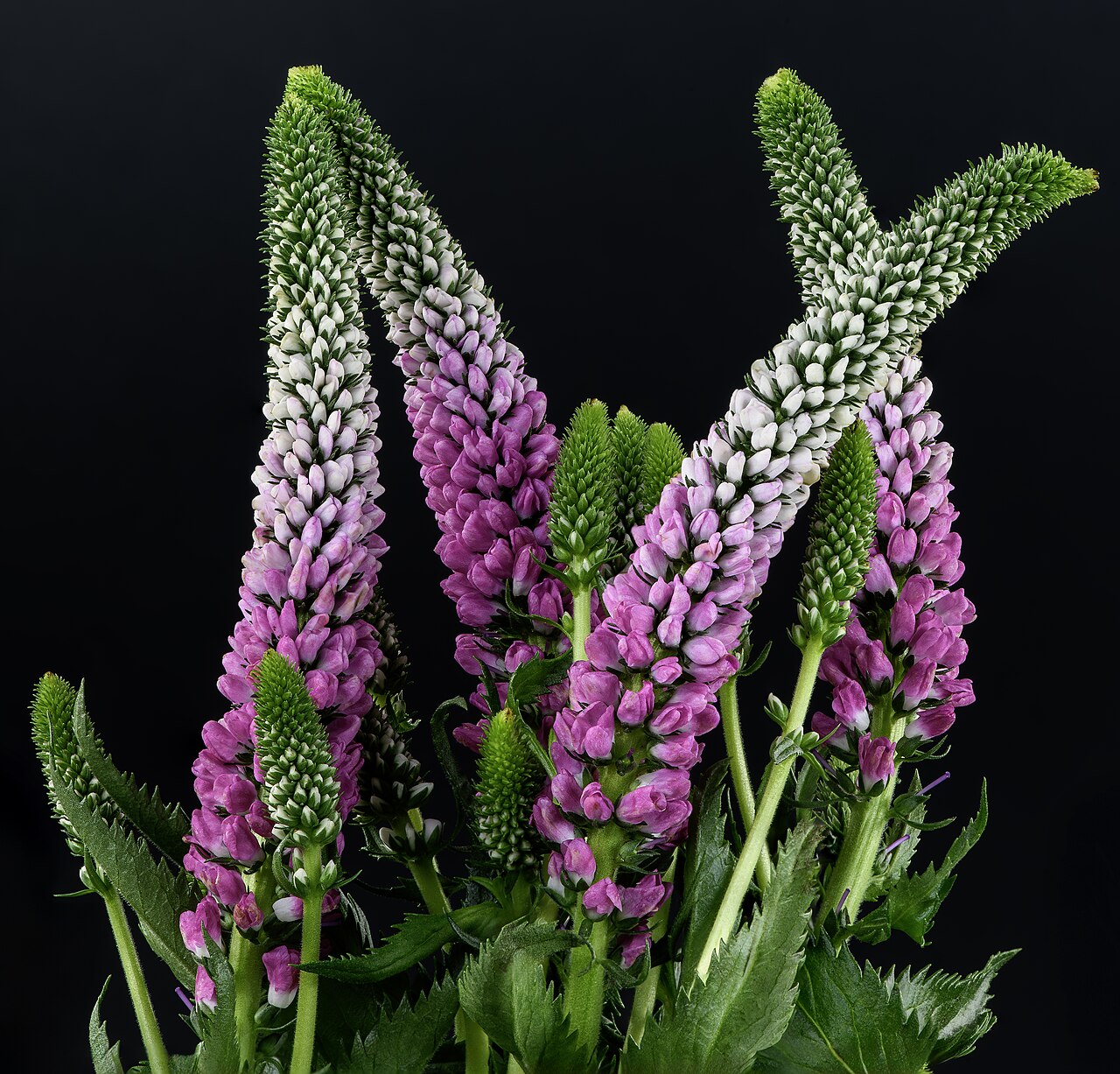
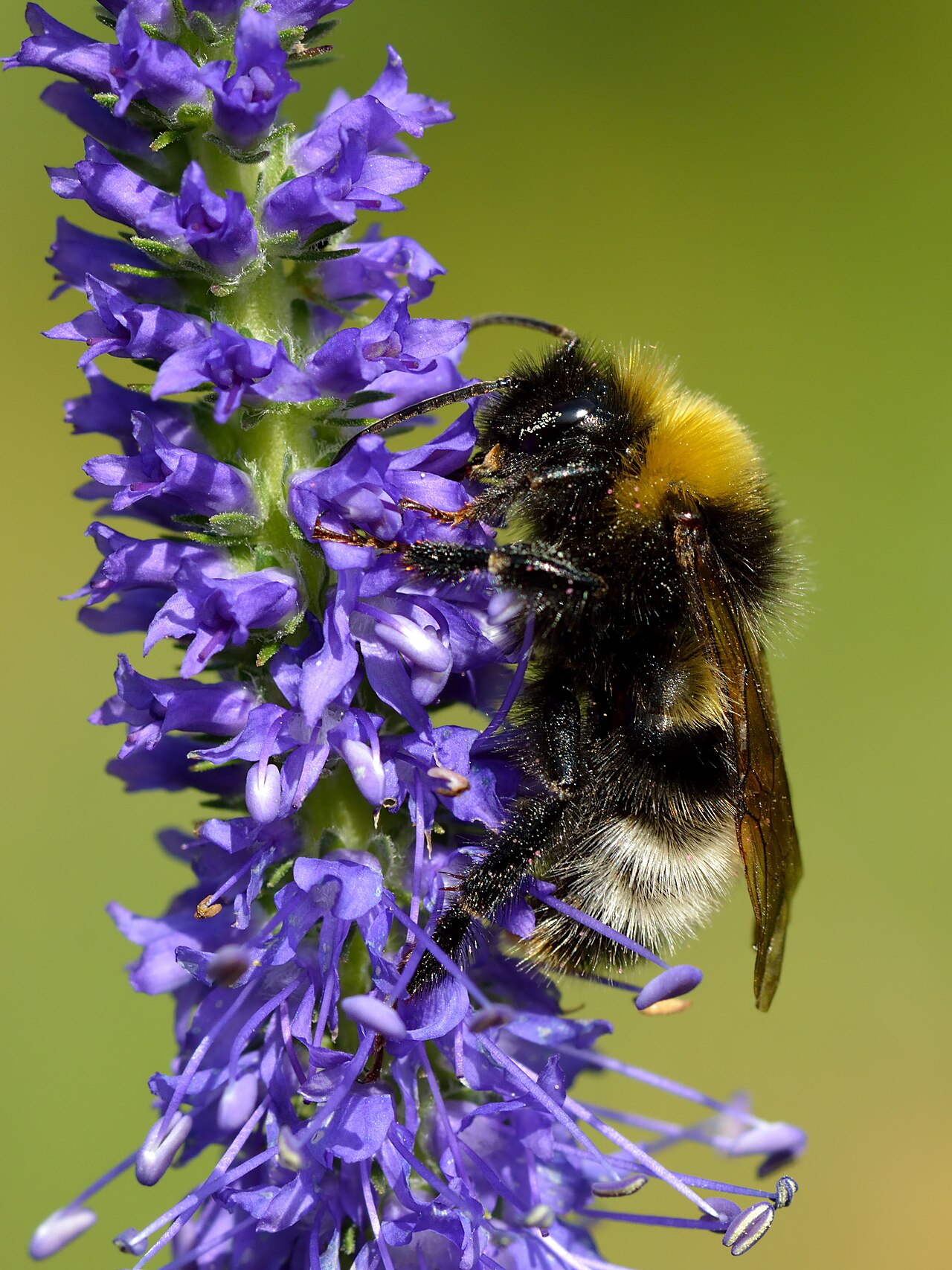
Red Fox is the veronica for gardeners who want a spike that is not blue: rich, rosy-red — more rose-pink than fox-red, despite the name — spikes on a compact mound, 12 to 15 inches tall, blooming from early summer into fall and repeating after deadheading. It is the veronica to plant where blue would vanish — against blue companions, in a pink border, or beside silver foliage, where its warm color stands out — and it draws bees just as faithfully as its blue cousins.
The trade-off is the usual veronica bargain: sun, drainage, and deadheading, or it flops and fades. Deadhead spent spikes for rebloom, divide congested clumps every few years, and do not plant it in wet soil or shade. Red Fox’s warm color also fades a little in intense sun, so give it morning sun with afternoon shade in the hottest gardens, where its rose holds longest.
If you are new to choosing between cultivars, the Varieties Matter guide explains why the name after the plant matters as much as the plant itself. Red Fox is a perfect example: it is not just a veronica in the abstract, it is a veronica with a specific job, a specific history, and specific strengths.
Florida honesty: veronica is a North and Central Florida trial, not a South Florida perennial, and Red Fox’s warm color makes afternoon shade even more valuable in Florida’s intense sun. In North Florida it performs as a long-blooming perennial; in Central Florida, give it sun with afternoon shade, a raised bed or sharp drainage, deadhead for rebloom, and treat it as a warm-season perennial that may need replacing after a wet summer.
How to grow
Plant in spring or fall in full sun and well-drained soil — veronica wants sun, air, and room. Work worm castings into the bed at planting, mulch to hold moisture, and deadhead spent spikes for rebloom. Divide congested clumps every few years in spring or fall, and do not plant it in wet soil or shade, where it flops and blooms thinly.
Set plants 12-15 inches apart in soil with a pH around 6.0-7.5. Work worm castings into the bed at planting and mulch to hold moisture. A well-fed veronica plant rewards that care directly: steadier growth, better bloom, and a show that actually shows up.
Water & feeding
Keep soil evenly moist but never waterlogged — veronica wants steady moisture and good drainage, not swamp and not drought. Water at the soil line, mulch to hold moisture, and feed moderately: castings at planting plus a balanced organic feed in spring. Avoid overhead watering where mildew is a problem, and space for air.
Common problems
- Crown rot in wet soil — the veronica killer in humid climates; plant in sharp drainage or raised beds and do not overwater.
- Flopping in rich soil or shade — lean soil and full sun make sturdier veronica; do not overfeed, and deadhead for rebloom.
- Powdery mildew in humid, crowded plantings — space for air, water at the soil line, and remove affected leaves.
- Short life — veronicas are short-lived perennials; divide every few years and replant without mourning.
- Fading of warm colors in intense sun — Red Fox’s rose fades in blazing sun; afternoon shade keeps the color richer.
Harvest
Cut spikes for bouquets from early summer into fall, when spikes are fully colored — veronica lasts well in water and its blue and rose spikes suit summer arrangements. Deadhead spent spikes for rebloom, leave some seed heads for birds if you like a naturalized look, and divide congested clumps every few years in spring or fall.
Browse all plant & pest guides
Saving seeds
Red Fox is the veronica for gardeners who want a spike that is not blue: rich, rosy-red — more rose-pink than fox-red, despite the name — spikes on a compact mound, 12 to 15 inches tall, blooming from early summer into fall and repeating after deadheading. It is the veronica to plant where blue would vanish — against blue companions, in a pink border, or beside silver foliage, where its warm color stands out — and it draws bees just as faithfully as its blue cousins. As a named veronica it is kept true by division and cuttings, not by seed — seedlings would not hold the rosy-red spikes or the compact mound. Plant in spring or fall in full sun and well-drained soil, deadhead spent spikes for rebloom, and divide congested clumps every few years in spring or fall. The full method is in the Saving seeds section of the Veronica (Speedwell) guide.