
🐍 Tropical Long Snake Gourd
What it looks like
Why this variety
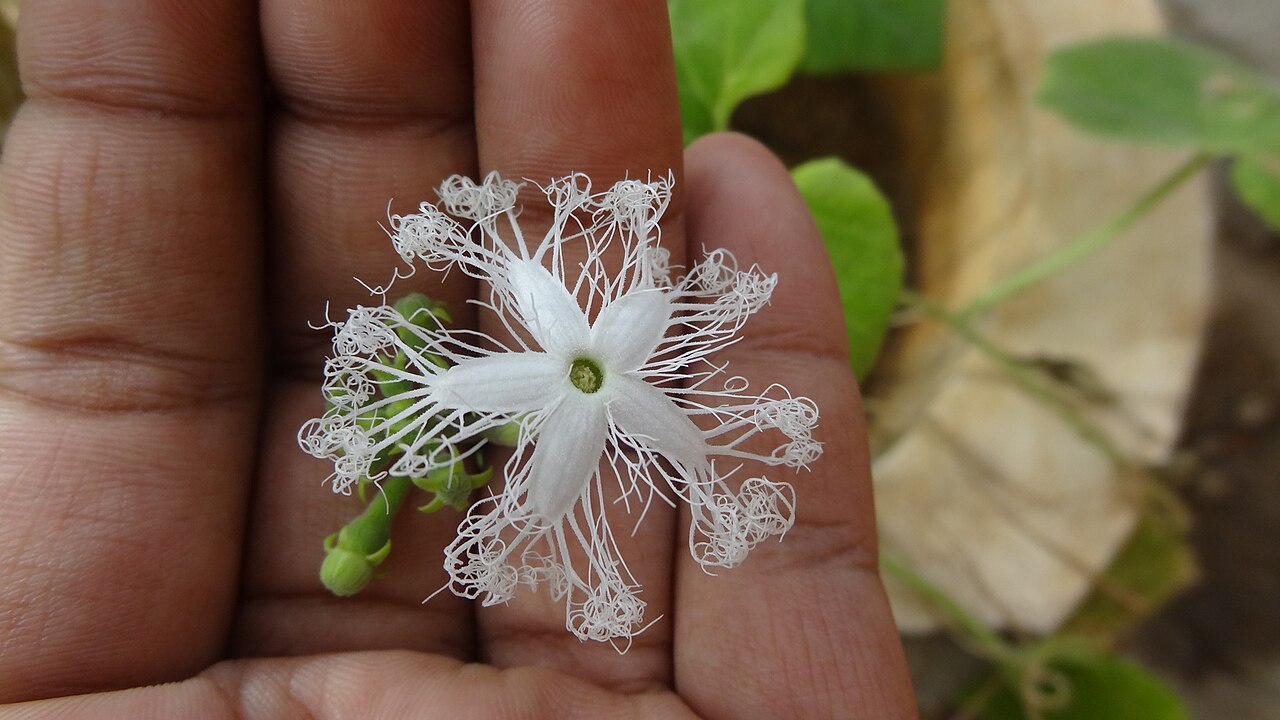
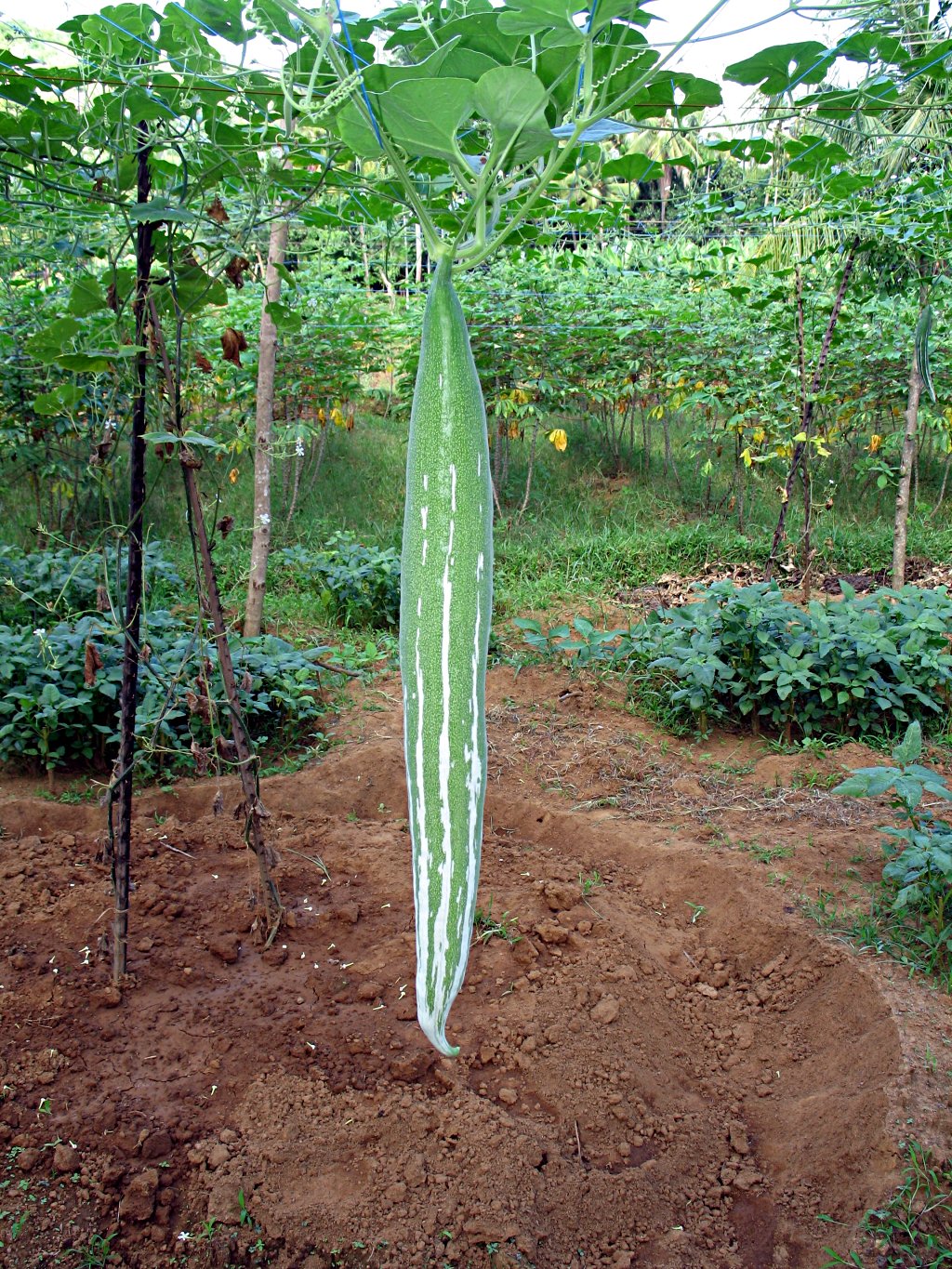
Tropical Long is the snake gourd type sold for sheer spectacle: a huge-fruited tropical long type whose fruit can reach five feet long, with soft flesh similar to luffa and leaves that can be eaten as greens. A note on honesty: Tropical Long is a catalog type name rather than a single registered cultivar — the type, not a pedigree — but the fruit length, the soft flesh, and the tropical vigor are consistent across the seed sold under the name, and that is what you are planting it for.
The spectacle is practical, not just showy: one young Tropical Long fruit, picked at a sensible length, feeds a family stir-fry, and the vine keeps producing through heat that stops other cucurbits cold. Let one fruit grow to full length for the photograph and the story — then pick the rest young, because a five-foot fruit is a conversation piece, and a two-foot fruit is dinner.
If you are new to choosing between cultivars, the Varieties Matter guide explains why the name after the plant matters as much as the plant itself. And if you want the whole clan at a glance, the broader Snake Gourd guide covers snake gourd generally.
How to grow
In Florida, snake gourd is in its element: give it a strong trellis, full sun, and the hottest months, and it will out-climb almost anything else in the garden, setting fruit that can dangle several feet long if you let them. Plant after the soil is warm, and harvest the fruit young and tender for cooking — left to mature, they turn fibrous and better suited to seed-saving than supper. It loves the humidity that makes other cucurbits mildew and mope, which makes it one of the most Florida-proof vines you can grow.
Grow it like Buag Ngu but give it more room and more trellis: start after the soil warms, space 24–36 inches apart, and build the support for a vine that will cover a fence and then ask for more. Water deeply and consistently — a long fruit needs a lot of water to fill out evenly — mulch heavily, and feed regularly; a hungry long-fruited vine gives you curved, bitter fruit, and nobody wants a bitter five-footer.
Water & feeding
Snake gourd is a thirsty vine in summer heat, and a big vine moves a lot of water. Water deeply and consistently, mulch heavily to hold moisture, and feed every few weeks with compost or a balanced fertilizer; uneven watering gives you misshapen, bitter fruit, so do not let the bed dry out between waterings.
Common problems
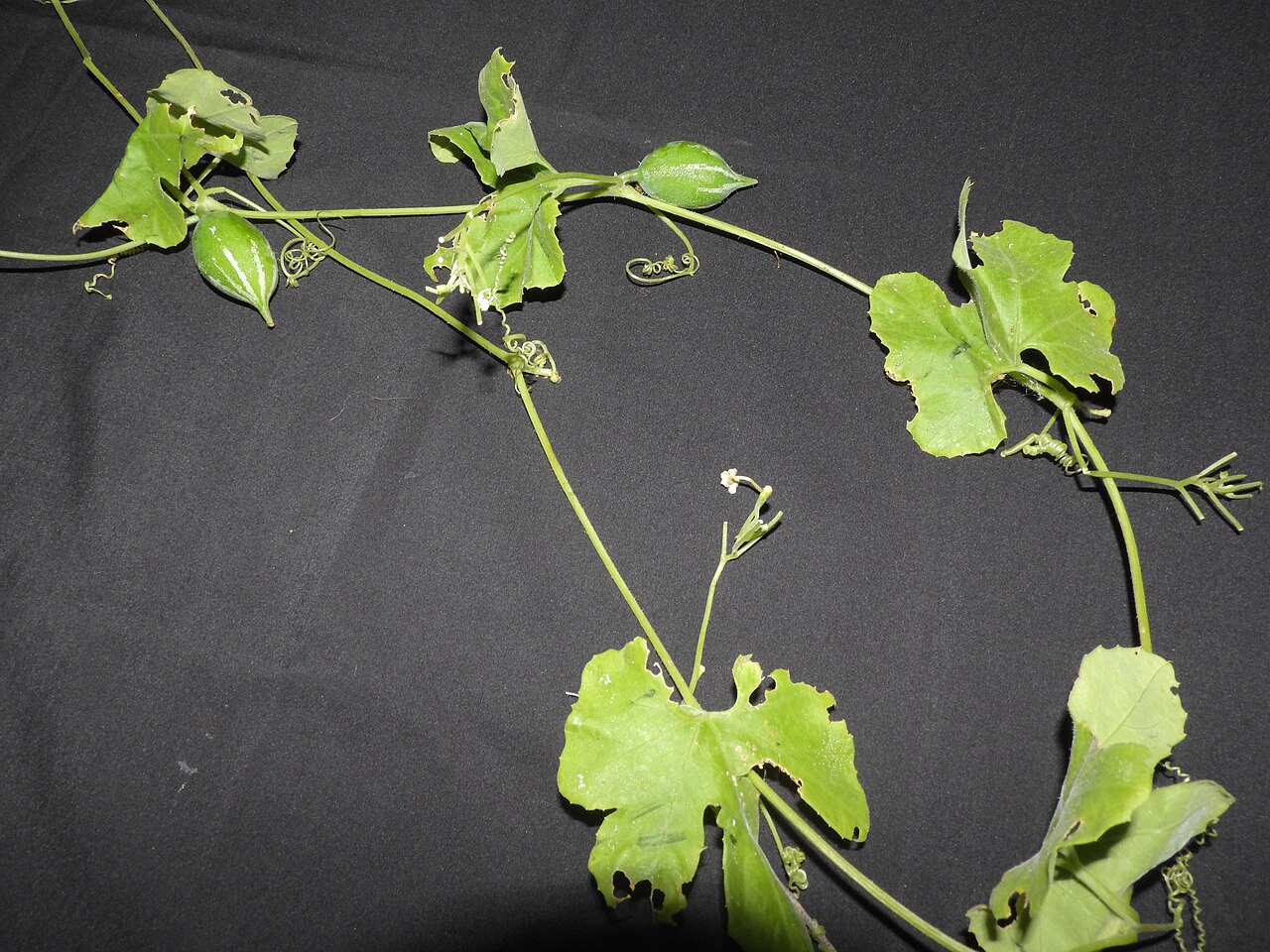
Cucumber beetles, squash bugs, and late-season mildew are the usual cucurbit visitors, handled with airflow, scouting, and prompt removal of affected leaves. The vine’s size is its own management job: train it up a trellis, tie heavy young fruit so they hang straight, and keep the picking path clear, because a vine this vigorous will happily swallow a walkway if you let it.
Harvest
Harvest young fruit for cooking, when they are tender and the flesh is soft — slice into curries, stir-fries, and soups, where they absorb flavor like a sponge. Young leaves can be cooked as greens. For seed or spectacle, leave one fruit to reach its full, dramatic length, then dry it and save the seed — and take the photograph before you pick it, because nobody will believe five feet without proof.
Nerdy fact: The snake in snake gourd is not just marketing: the young fruit really do hang and curl like snakes, and in some gardens they are tied with a small weight at the tip to grow straight — a trick that turns a curly fruit into a straight one. Whether you weight them or let them curl, the vine is one of the few vegetables that is genuinely fun to watch grow, day by day, foot by foot.
Saving seeds
Tropical Long is the snake gourd type sold for sheer spectacle: a huge-fruited tropical long type whose fruit can reach five feet long, with soft flesh similar to luffa and leaves that can be eaten as greens. A note on honesty: Tropical Long is a catalog type name rather than a single registered cultivar — the type, not a pedigree — but the fruit length, the soft flesh, and the tropical vigor are consistent across the seed sold under the name, and that is what you are planting it for. Snake gourd seed is sold as open-pollinated — Reimer lists its snake gourd as “Open Pollinated” — so seed saved from your own plants comes true as Tropical Long. Let one fruit mature fully on the vine until it turns fibrous and the seeds inside harden, then scoop, wash, and dry them. Snake gourd is heavily cross-pollinated by bees and moths, so grow only one snake gourd type for seed. The full method is in the Saving seeds section of the Snake Gourd guide.