
🌿 American Upland Upland Cress
What it looks like
Why this variety
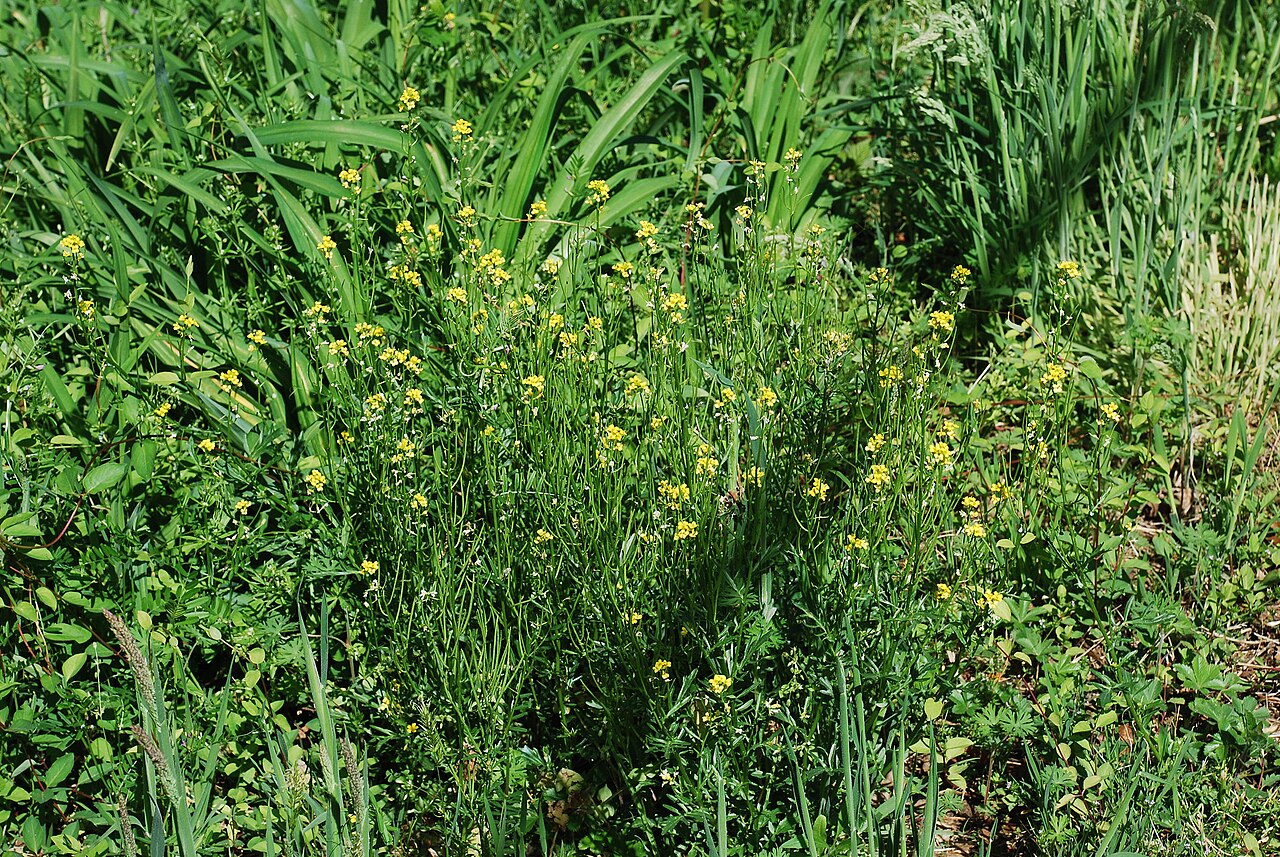
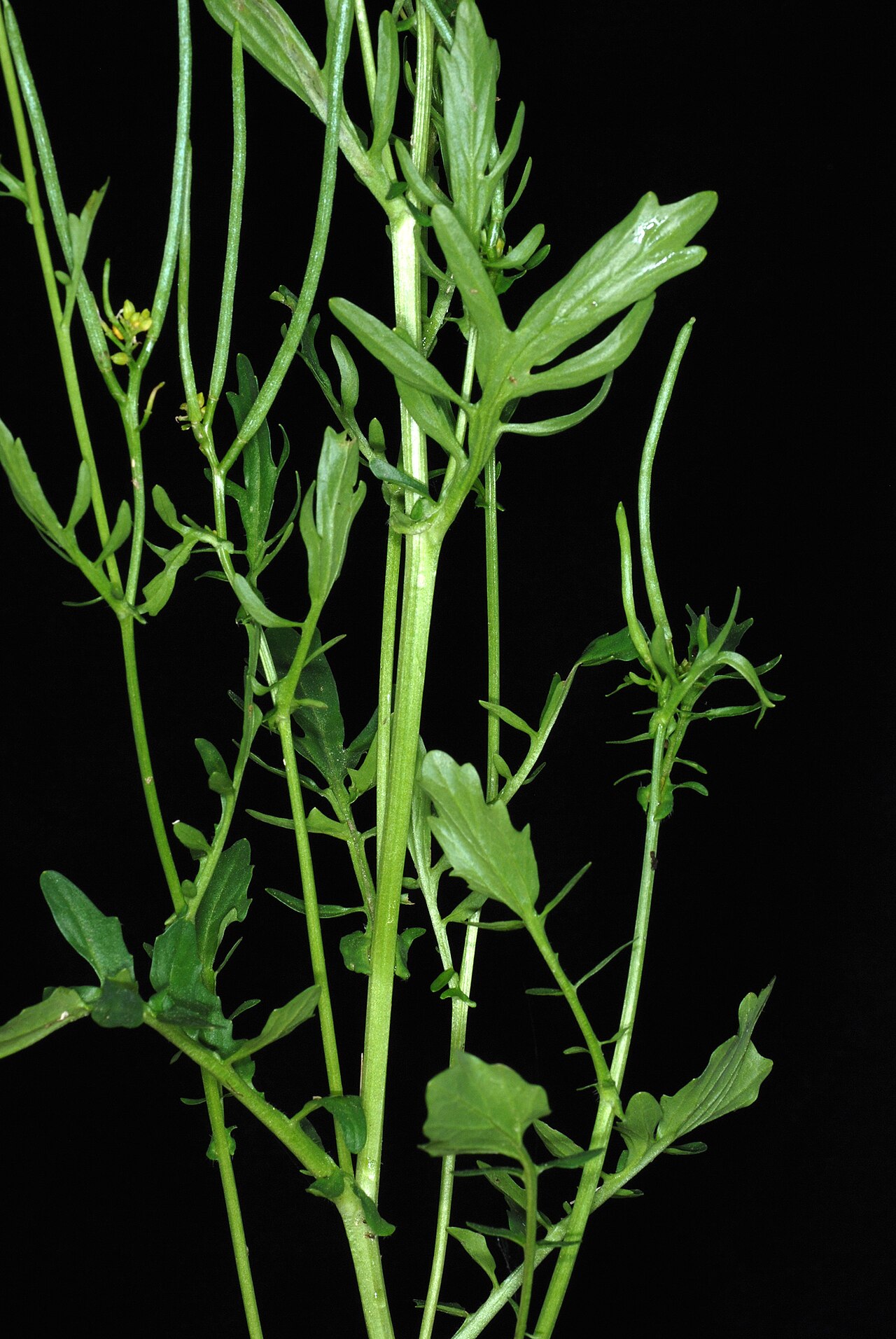
American Upland is the upland cress sold under its oldest American name: a traditional selection of Barbarea verna, also called land cress, with a pungent flavor similar to watercress but a much easier temperament. It forms a beautiful rosette of dark green leaves, has been cultivated since before 1900, and earned its place in Southern gardens as the cress you can grow in a bed instead of a stream — the flavor without the plumbing.
For the table, American Upland is a cool-season green with a kick: peppery, mustardy, and bright, good raw in salads when young and excellent wilted or in soup when older. It is also one of the first greens of spring in the Southern Appalachians, where it is prized as a wild-ish garden green that comes back year after year if you let a few plants seed.
If you are new to choosing between cultivars, the Varieties Matter guide explains why the name after the plant matters as much as the plant itself. And if you want the whole clan at a glance, the broader Upland Cress guide covers upland cress generally.
How to grow
In Florida, upland cress is the watercress flavor without the stream: a cool-season rosette green for fall through spring, sown when the heat breaks and harvested before summer turns it bitter and seedy. It is the easiest cress to grow in ordinary garden soil, which is the whole point — no running water required, just rich, moist ground and a willingness to pick often. Let a few plants go to seed and it self-sows, which is either a gift or a weed depending on where you let it happen.
Sow directly in fall or late winter, 6 inches apart in rich, moist soil, and keep the soil moist — upland cress tolerates drier conditions once growing, but it yields poorly when dry. Thin to 6 inches, mulch lightly, and pick outer leaves often. Let a few plants flower and seed if you want it to self-sow; otherwise, harvest before flowering to keep leaves tender.
Water & feeding
Upland cress wants rich, moist soil and will not forgive a dry bed — flavor turns harsh and leaves turn tough when it dries out. Water steadily, mulch to hold moisture, and feed lightly with compost; this is a fast, leafy crop, not a heavy feeder, and overfeeding makes soft, aphid-prone growth.
Common problems
Aphids love the tender rosettes, especially in spring; a strong jet of water or insecticidal soap handles them. Flea beetles hole young leaves — row cover helps. The main mistake is letting it dry out or bolt in warm weather: leaves turn bitter and tough once the flower stalk rises, so harvest hard in the cool months and treat summer as the off-season.
Harvest
Pick outer leaves as needed from fall through spring, using scissors so you do not uproot the rosette. Young leaves go raw into salads; older leaves are better cooked, where the pungency mellows into a pleasant mustard warmth. Flowering shoots in the second year resemble small broccoli and can be eaten cooked — a bonus harvest most gardeners miss.
Nerdy fact: Upland cress is not watercress, garden cress, or wintercress, though all three names get tangled in seed catalogs: watercress grows in water, garden cress is a different genus entirely, and wintercress is a close cousin with a bitter reputation. The extension advice is to order by the scientific name, Barbarea verna, because the common names are a glorious mess — and American Upland is the traditional name that has survived that mess intact.
Saving seeds
American Upland is a traditional selection, so it comes true from seed — let a few plants go to seed and it will self-sow. The full method is in the Saving seeds section of the Upland Cress guide.