
🌿 Creasy Greens Upland Cress
What it looks like
Why this variety
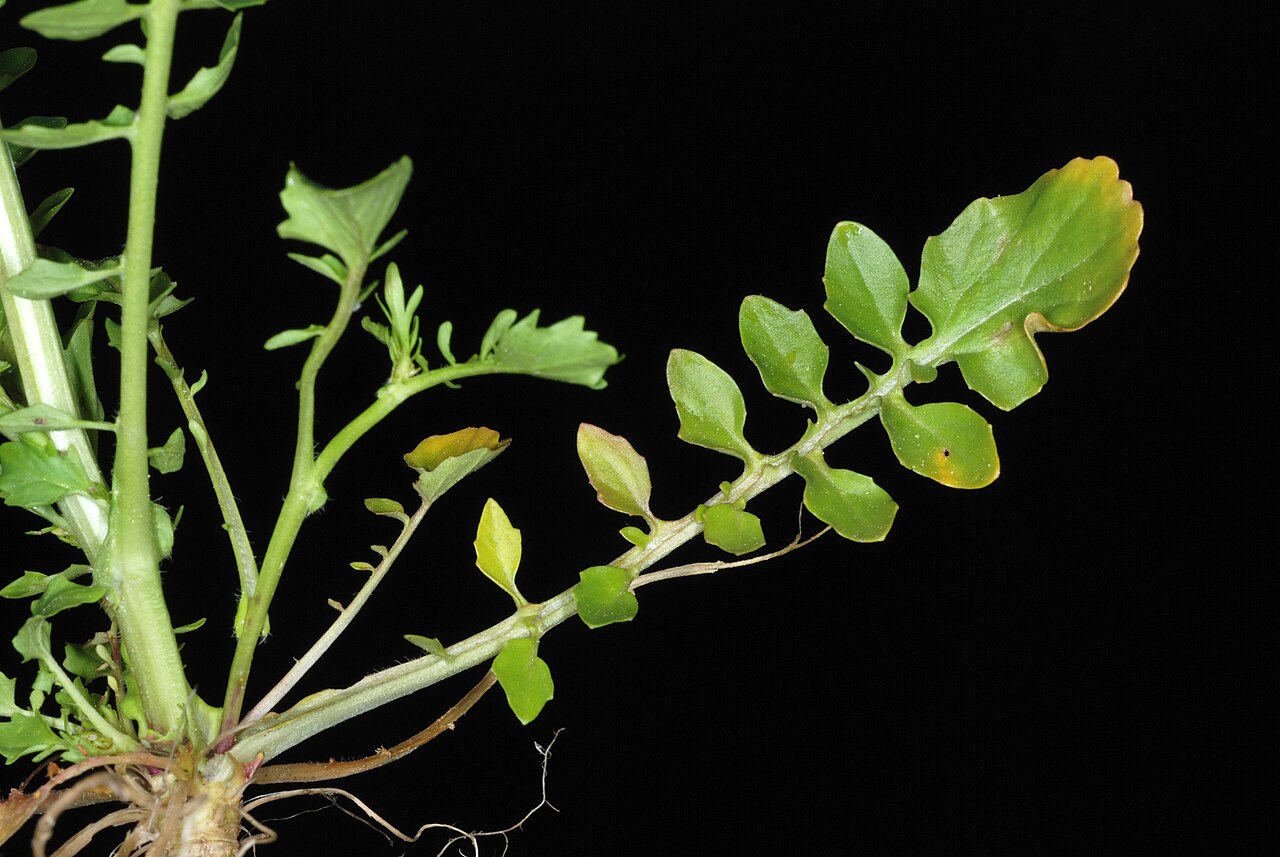
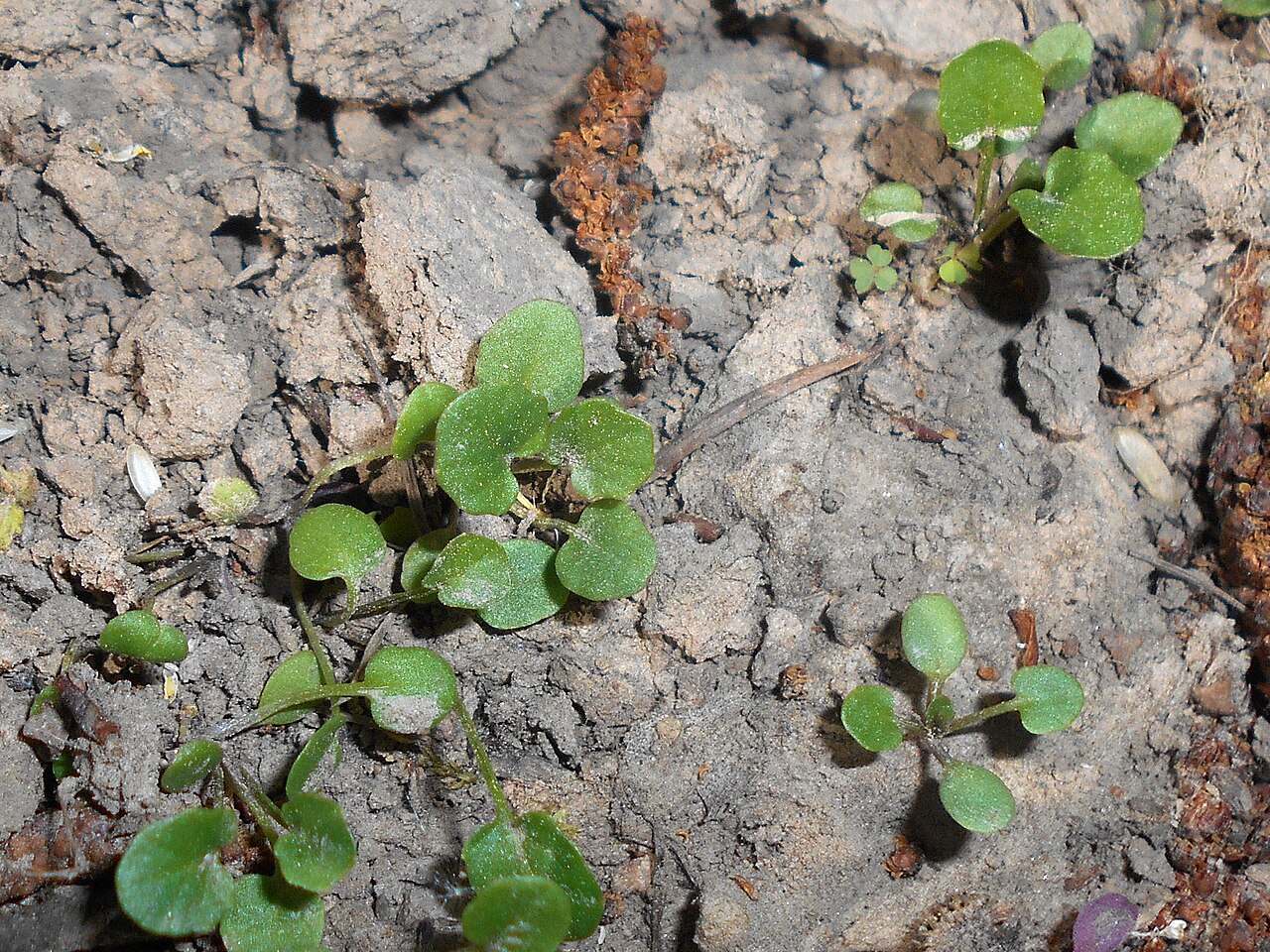
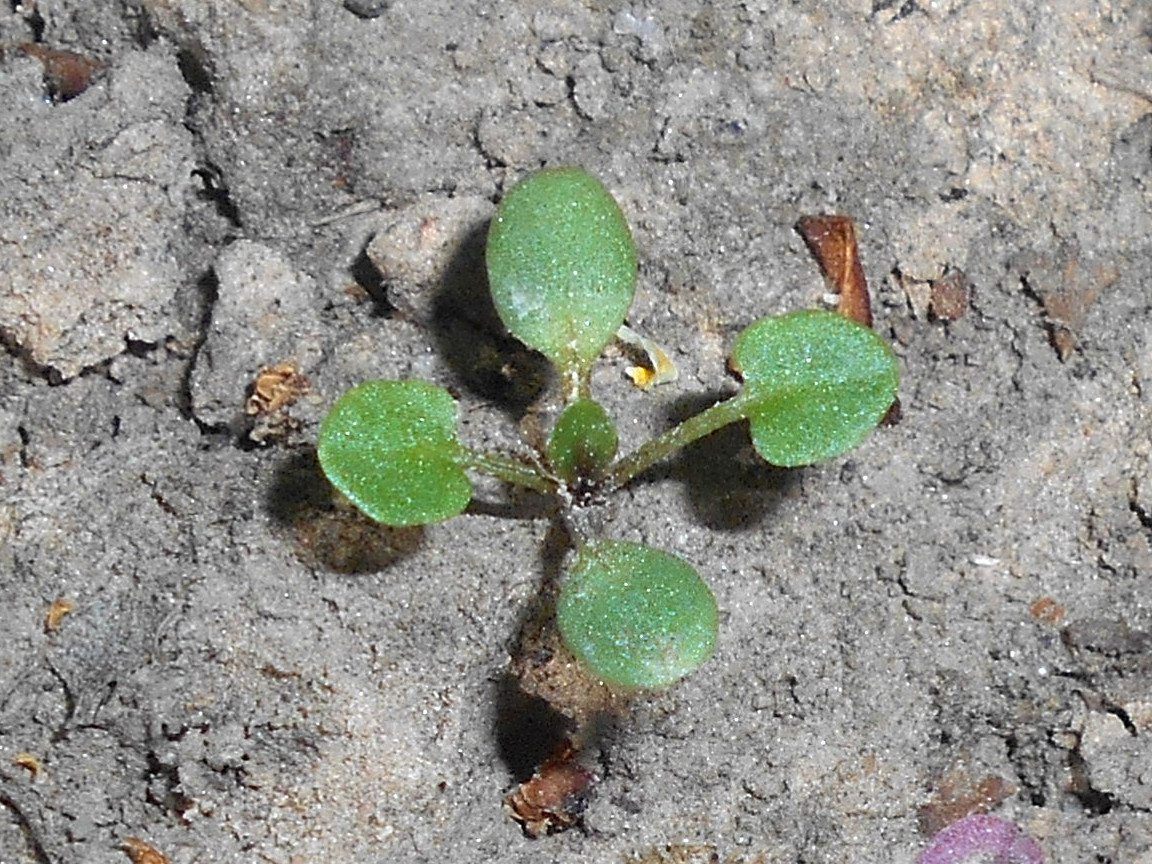
Creasy Greens is the Appalachian name for upland cress — also called early winter cress and Belle Isle cress — a traditional Southern selection of Barbarea verna prized as one of the first edible plants to emerge in spring. The name is the story: in the Southern Appalachians, creasies are a foraged and garden green with a spicy kick similar to watercress, but easier to grow, because they thrive just about anywhere you throw the seed, even in poor soil.
For the gardener, Creasy Greens is the cress that takes care of itself: extremely frost-tolerant, readily self-sowing year after year, and happy in soil that would embarrass fussier greens. Sow it once in fall or late winter, let a few plants go to seed, and you have a perennial supply — a green that acts like a weed in the best possible way, showing up when you need it and asking for nothing in return.
If you are new to choosing between cultivars, the Varieties Matter guide explains why the name after the plant matters as much as the plant itself. And if you want the whole clan at a glance, the broader Upland Cress guide covers upland cress generally.
How to grow
In Florida, upland cress is the watercress flavor without the stream: a cool-season rosette green for fall through spring, sown when the heat breaks and harvested before summer turns it bitter and seedy. It is the easiest cress to grow in ordinary garden soil, which is the whole point — no running water required, just rich, moist ground and a willingness to pick often. Let a few plants go to seed and it self-sows, which is either a gift or a weed depending on where you let it happen.
Sow outdoors in early fall or late winter as soon as the soil is workable, 6 inches apart in rich, moist soil, and keep it moist until established. It is a biennial: leaves in the first year, flowers and seed in the second after a cold winter. Pick outer leaves often, and let a few plants seed for next year’s patch — or deadhead if you do not want volunteers everywhere.
Water & feeding
Upland cress wants rich, moist soil and will not forgive a dry bed — flavor turns harsh and leaves turn tough when it dries out. Water steadily, mulch to hold moisture, and feed lightly with compost; this is a fast, leafy crop, not a heavy feeder, and overfeeding makes soft, aphid-prone growth.
Common problems
Aphids and flea beetles visit; water jets and row cover handle them. The main risk is not pests but enthusiasm: a self-sowing creasy patch spreads, so give it a defined bed and pull volunteers from paths. Leaves turn bitter after flowering, so harvest hard before the flower stalks rise, and enjoy the second-year flowering shoots cooked like small broccoli.
Harvest
Harvest outer leaves from fall through spring, young for salads, older for cooking. The flavor is spicy and peppery — stronger than lettuce, gentler than mustard — and it brightens a winter salad like nothing else in the bed. In spring, the flowering shoots are a bonus: pick them young, steam or sauté, and taste the green that mountain gardeners have prized for generations.
Nerdy fact: Creasy greens are a biennial trick: the plant spends its first year as a rosette, its second year flowering and seeding, and then dies — but because it self-sows so readily, the patch looks perennial. Gardeners who understand that rhythm never buy creasy seed twice: they just let a few plants do what they evolved to do, which is make more creasies.
Saving seeds
Creasy Greens is a traditional Southern selection of upland cress, and it self-sows true year after year — let a few plants go to seed and you have a perennial supply. The full method is in the Saving seeds section of the Upland Cress guide.