
🌿 Broadleaf Watercress
What it looks like


Why this variety
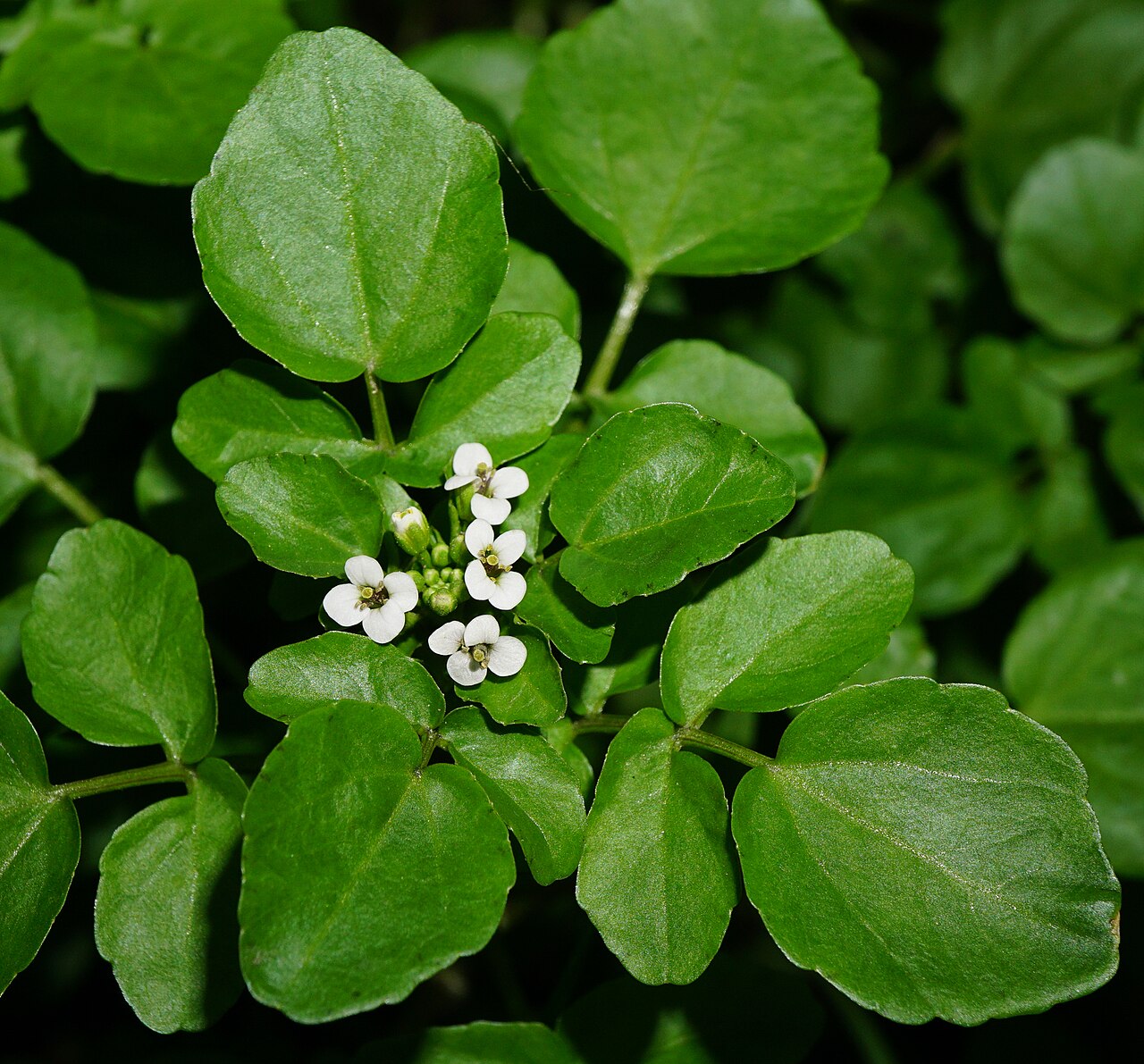
Broadleaf is the watercress sold as a broad-leafed strain rather than a single registered cultivar — and the leaves are the description: broader, larger, and a little coarser than the fine types, with the classic peppery watercress flavor and a texture that holds up in salads and as a garnish. It is the watercress that seed houses sell for gardeners who want leaves big enough to notice, and it is the strain that commercial growers have long favored for market production.
For the table, Broadleaf is the watercress for sandwiches, salads, and soup: peppery, fresh, and substantial, with leaves that do not disappear into a sandwich the way fine types can. Grow it in a pot standing in a tray of clean water, pick it often, and you have a cut-and-come-again green through the cool months that tastes like spring water and mustard had a very good idea.
If you are new to choosing between cultivars, the Varieties Matter guide explains why the name after the plant matters as much as the plant itself. And if you want the whole clan at a glance, the broader Watercress guide covers watercress generally.
How to grow
In Florida, watercress belongs in a container of clean water, not a ditch: grow it in a pot standing in a tray of fresh water through the cool months, harvest often, and expect summer heat to push it to flower and turn bitter. Never harvest wild watercress from streams or ditches — wild plants can carry liver fluke and pollutants, and no amount of rinsing makes a ditch safe. Seed-grown plants in clean water give you the same peppery leaf without the gamble.
Sow seed on the surface of moist soil or in a pot, thin to 4 inches, and stand the pot in a tray of clean, fresh water, changing the water regularly. Keep it in full sun to part shade through the cool months, and pick often — an unpicked watercress flowers and turns bitter, while a picked one keeps producing tender leaves. In summer heat, move the pot to shade and expect slower growth.
Water & feeding
Watercress is the crop where water is the soil: keep the roots constantly wet in clean, fresh water, changing tray water regularly so it never goes stagnant or slimy. Feed lightly — a weak liquid feed now and then — and keep picking, because an unpicked watercress flowers, turns bitter, and stops being a salad.
Common problems
Aphids love watercress, especially in warm weather; a strong jet of water or a dunk in clean water handles them. The real warning is about wild watercress: never harvest from streams or ditches, where liver fluke and pollutants hide, and never let garden watercress escape into a waterway — it is a vigorous plant that naturalizes readily. Grow it contained, in clean water, and the risk disappears.
Harvest
Pick tips and young leaves as needed, using scissors, and use within a day or two — watercress wilts fast, which is why store watercress is a shadow of garden watercress. Young leaves go raw into salads and sandwiches; older leaves are excellent in soup, where the peppery flavor deepens. Keep picking to delay flowering, and harvest hard before summer heat turns the plant bitter.
Nerdy fact: Watercress is about 95 percent water, grows in water, and tastes like water with an opinion — which is why it has been a spring tonic for centuries and why researchers study it for vitamin C, calcium, iron, and compounds that show promise in laboratory studies. The peppery bite is isothiocyanates again, the mustard family’s signature, and it is the same chemistry that makes watercress taste clean and sharp at once.
Saving seeds
Broadleaf is a broad-leafed strain, so it comes true from seed — save seed from your best plants and let them dry fully before storing. The full method is in the Saving seeds section of the Watercress guide.