
💧 Watercress
What it looks like

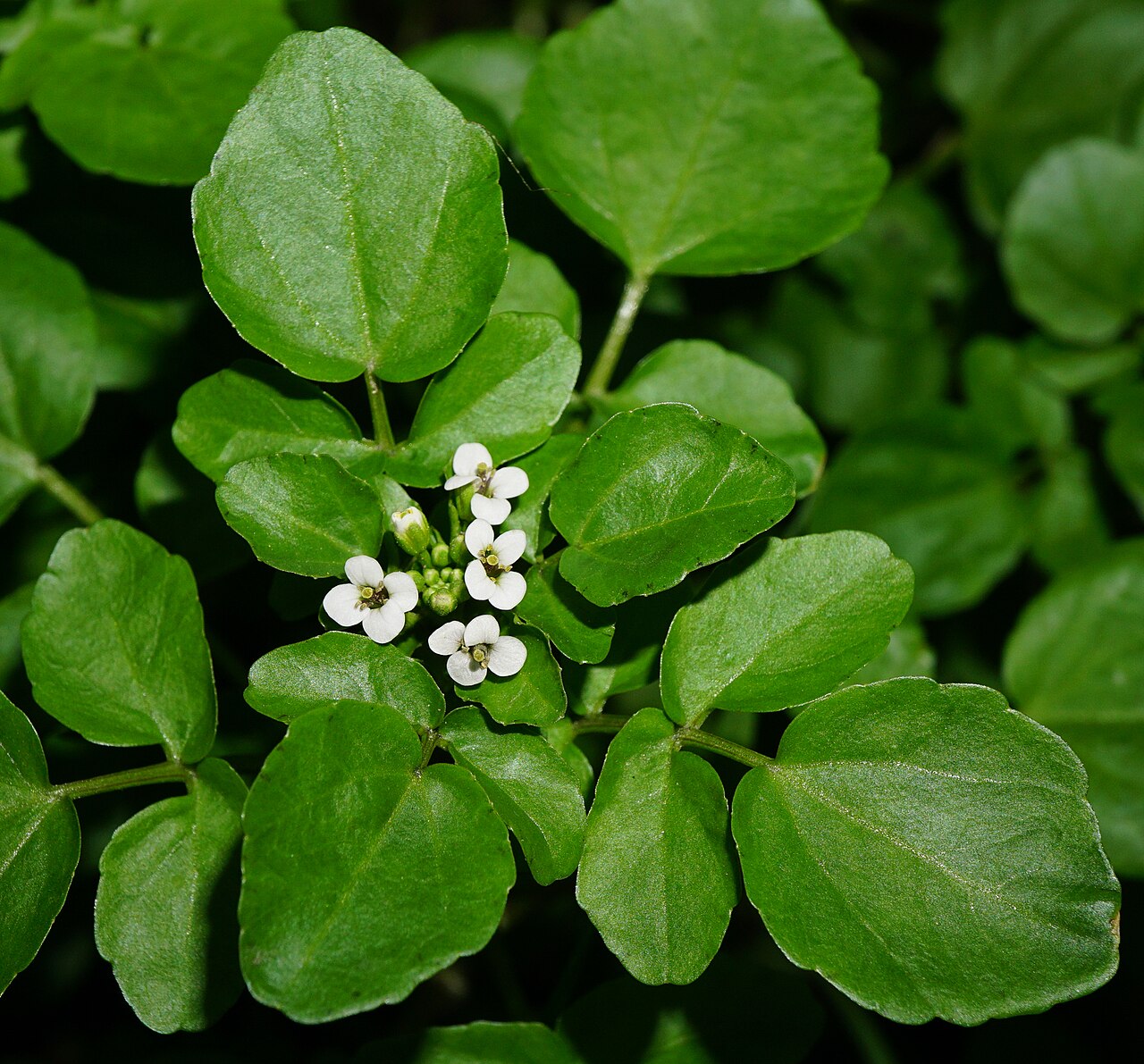

How to grow
Watercress is a fast-growing aquatic perennial in the mustard family, prized for crisp, peppery leaves. Do not confuse it with garden nasturtium, the trailing flower — different plant entirely, same first name, no relation on the plate. True watercress grows with its roots in water: a stream, a pond edge, or — most practically for home gardeners — a pot standing in a tray of water.
For the container method, fill a wide pot with rich, moisture-retentive mix, sow seed shallowly (about 1/8 inch deep) or set in rooted cuttings from a clean source, and stand the pot in a tray kept topped up with fresh water. Change the water regularly so it stays fresh, not stagnant. Alternatively, plant in a basket at a pond edge where water moves gently. Sow in spring once frost has passed, or in fall for a cool-season crop. Keep watercress contained: it spreads fast in open water and is unwelcome in natural waterways, so never plant it in a stream or ditch.
USDA zones
Watercress is perennial in zones 6–9 and grown as an annual in colder zones. It is a cool-weather crop at heart: it bolts and turns bitter as temperatures climb. In Florida, grow it in the cool months with shade and constantly refreshed water, and expect summer to end the crop.
Water & feeding
Water is the whole job — roots must stay wet, and the water must stay clean and fresh. In containers, top up daily in warm weather and change the water at least weekly. Feed lightly with a dilute liquid feed or compost-enriched mix at planting; watercress in rich, wet soil needs little else. If leaves yellow, the water is usually stale or the plants are hungry — refresh both.
Common problems
- Bolting and bitterness — heat and flowering turn leaves sharp and tough. Harvest young, pinch flower heads off, and grow in the cool season.
- Stagnant water — breeds mosquitoes and slime. Keep water moving or changed, and never let a container go green and still.
- Slugs, snails, and leafhoppers — pick off by hand and keep the area tidy; avoid spraying anything on a crop you eat raw.
Harvest
Cut-and-come-again: snip shoot tips and young leaves, leaving the growing points so plants regrow for repeat harvests through the season. Eat fresh in salads and sandwiches or wilt into soup — and only eat watercress you grew yourself in clean water. Never harvest watercress from wild streams or unknown waterways, where the water may carry contaminants you cannot see.
Browse all plant & pest guides
Saving seeds
Watercress seed is easy. Let the seed pods ripen on the plant until they are dry and brown, then strip them into a paper bag. No cold treatment is needed; sow in spring in wet soil — it wants to be damp, not dry — barely covered, and keep it moist. Germination usually comes in one to two weeks, and it is fast and even.
It self-seeds freely in wet places, which is a gift if you want a watercress patch and a chore if you do not — watercress will colonize any damp spot it finds. Deadhead if you want to keep it in bounds, or let it go and pull the volunteers you do not want. Save from the plants with the best leaves — the tenderest, the least bitter — and dry the seed thoroughly before storing; it keeps several years in a cool, dry jar.
Watercress crosses with other Nasturtium, so grow only one type for seed at a time if you want it pure. And a caution: watercress can escape into waterways and become invasive in Florida’s warm, wet places — never plant it in a ditch or a stream, and never dump seed or plants into a waterway. A contained bed or a pot is the right home.
In Florida, watercress is a cool-season green for fall through spring, happiest in north and central Florida with sun and a wet bed. It wants moving water, not a stagnant puddle, so give it a pot with a drip or a shallow tray that stays moist.
Varieties
Every named variety of Watercress with its own growing guide:
- Broadleaf Watercress — The broad-leafed watercress strain — large, peppery leaves, and the standard for garnishing and salads.
- Aqua Watercress — The vigorous watercress selection — selected for strong growth and improved yield in cultivation.