
🌿 Aqua Watercress
What it looks like


Why this variety
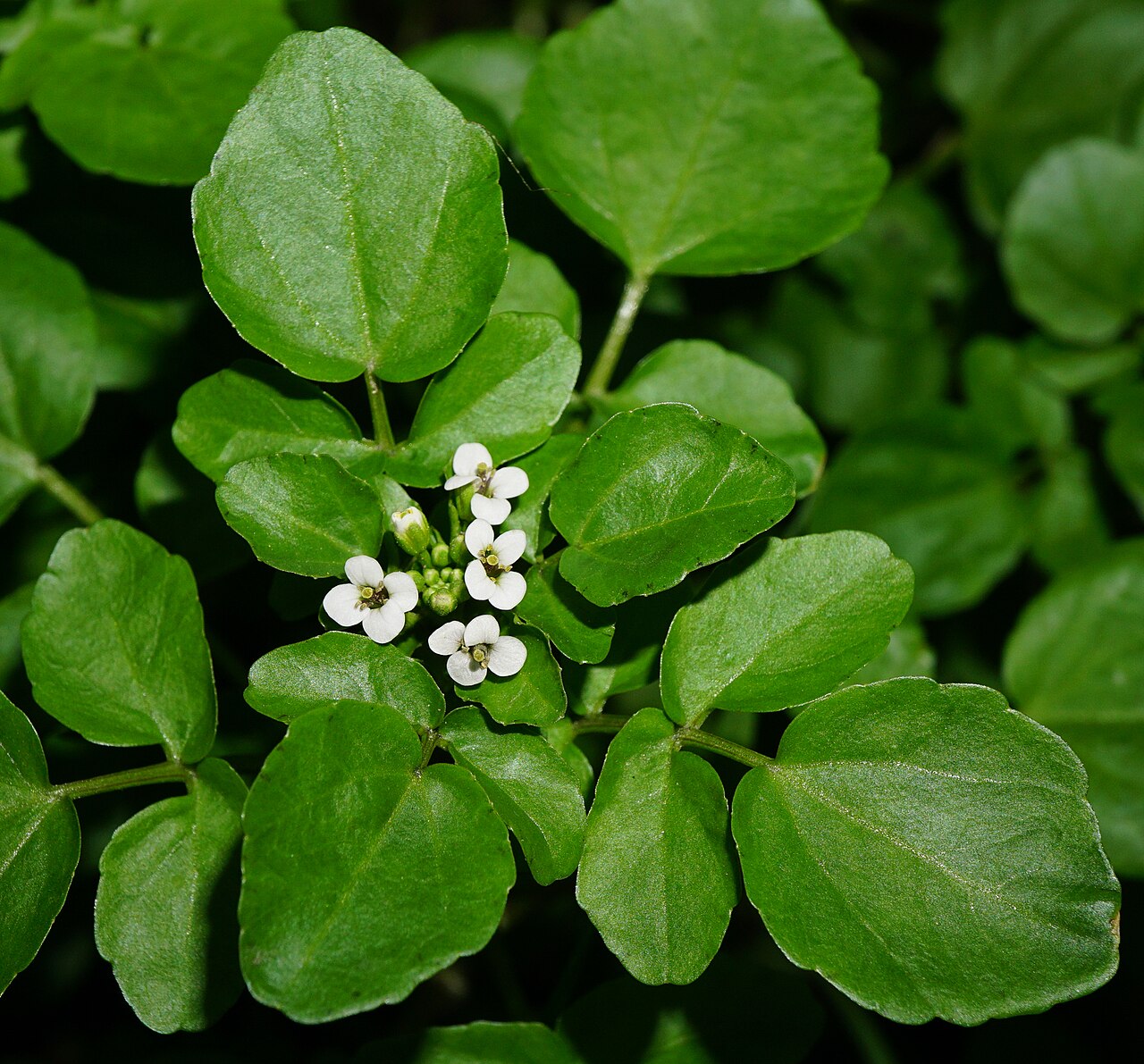
Aqua is a named watercress selection listed among commercial watercress types, selected for vigorous growth and improved yield in cultivation — a working selection rather than a garden novelty, bred for the job of producing a lot of peppery leaves reliably. Where Broadleaf is the strain for leaf size, Aqua is the selection for vigor: it grows fast, regrows fast after picking, and keeps producing through the cool season with less fuss.
For the gardener, Aqua is the watercress for a container that gets picked hard: plant it in a pot in clean water, pick it every few days, and it comes back, again and again, like a green that actually wants to be eaten. The flavor is the classic watercress pepper, fresh and clean, and the yield is the point — a small pot of Aqua feeds a salad habit through winter and spring.
If you are new to choosing between cultivars, the Varieties Matter guide explains why the name after the plant matters as much as the plant itself. And if you want the whole clan at a glance, the broader Watercress guide covers watercress generally.
How to grow
In Florida, watercress belongs in a container of clean water, not a ditch: grow it in a pot standing in a tray of fresh water through the cool months, harvest often, and expect summer heat to push it to flower and turn bitter. Never harvest wild watercress from streams or ditches — wild plants can carry liver fluke and pollutants, and no amount of rinsing makes a ditch safe. Seed-grown plants in clean water give you the same peppery leaf without the gamble.
Sow on moist soil, thin to 4 inches, and stand the pot in clean water, changing the water regularly so it stays fresh and oxygenated. Give it sun to part shade in the cool months, pick tips often to encourage branching, and move to shade in summer heat. Feed very lightly — a weak liquid feed now and then — because overfed watercress grows soft and aphid-prone.
Water & feeding
Watercress is the crop where water is the soil: keep the roots constantly wet in clean, fresh water, changing tray water regularly so it never goes stagnant or slimy. Feed lightly — a weak liquid feed now and then — and keep picking, because an unpicked watercress flowers, turns bitter, and stops being a salad.
Common problems
Aphids are the main pest, especially as weather warms; water jets and regular picking keep them minor. Stagnant water is the other risk — change tray water often, and never let it go slimy, because stagnant water invites mosquitoes and disease. And keep it contained: watercress naturalizes in waterways, so a pot, not a ditch, is the responsible home.
Harvest
Harvest tips and young leaves every few days, using scissors, and use fresh — watercress wilts within a day, so pick what you need and leave the rest growing. Young leaves are salad and sandwich greens; older leaves make excellent soup. Pick hard before summer heat, when the plant flowers and turns bitter, and start a fresh pot in fall for the next cool season.
Nerdy fact: Watercress has been cultivated in managed beds since the 1800s, when growers in England built shallow, spring-fed beds specifically for it — the first watercress farms were water engineering as much as gardening. Aqua’s selection for yield continues that tradition: a plant bred to produce in a managed bed, not a wild stream, which is exactly how a home gardener should grow it.
Saving seeds
Aqua is a named selection, so seed saved from it won’t come true — buy fresh seed or start from cuttings instead. The Saving seeds section of the Watercress guide covers the seed method for the straight species.