
🌼 Orange King California Poppy
What it looks like
Why this variety
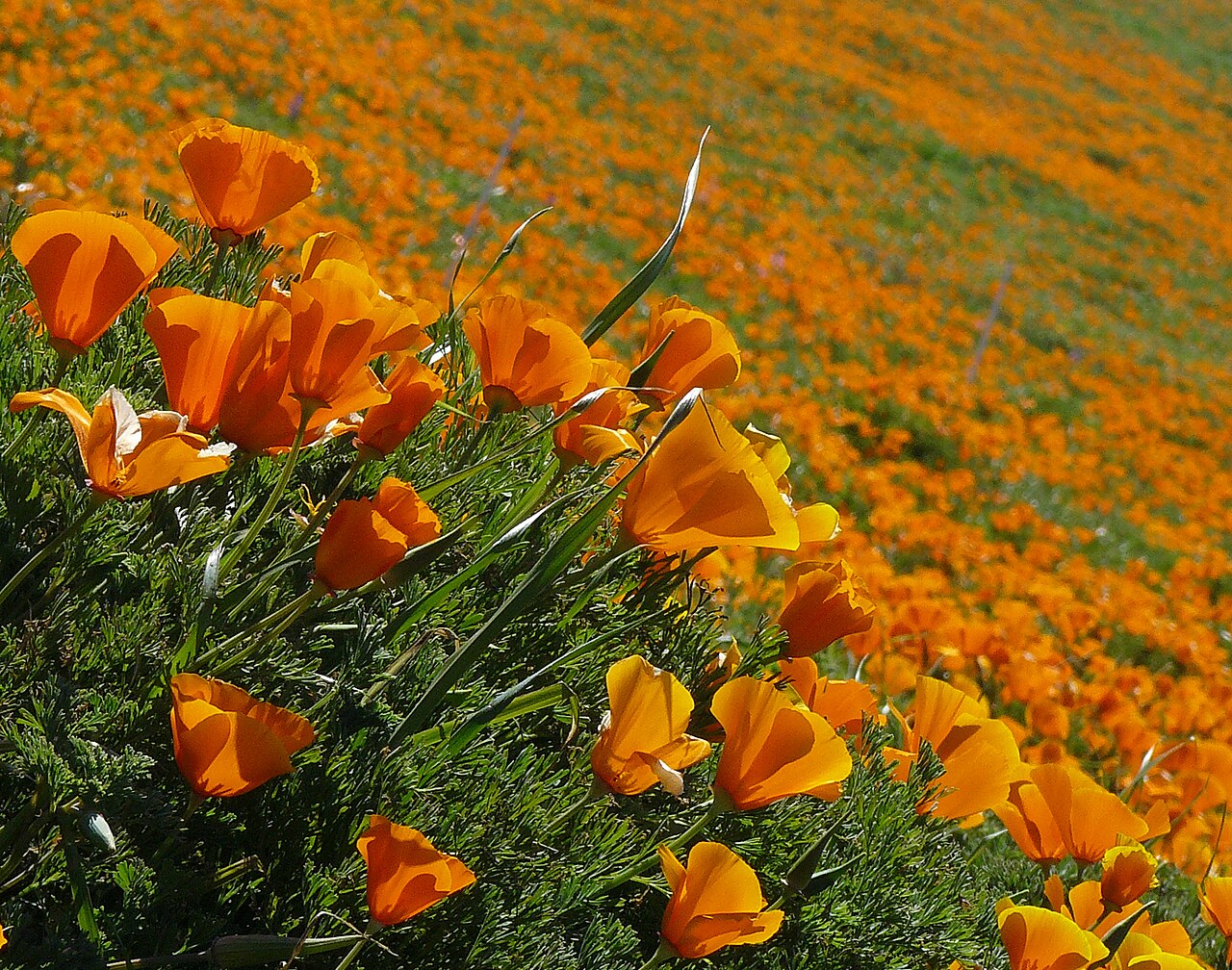
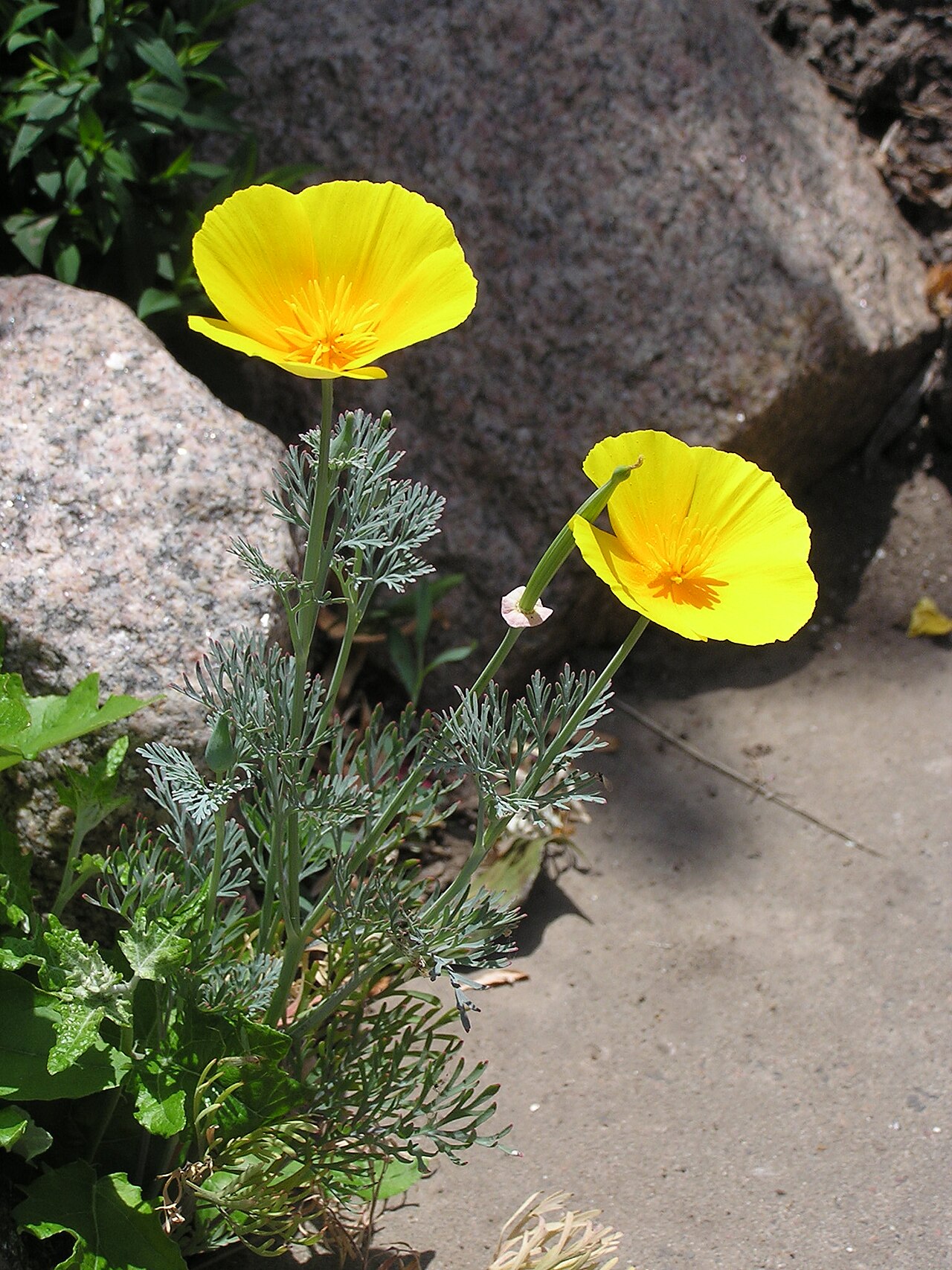
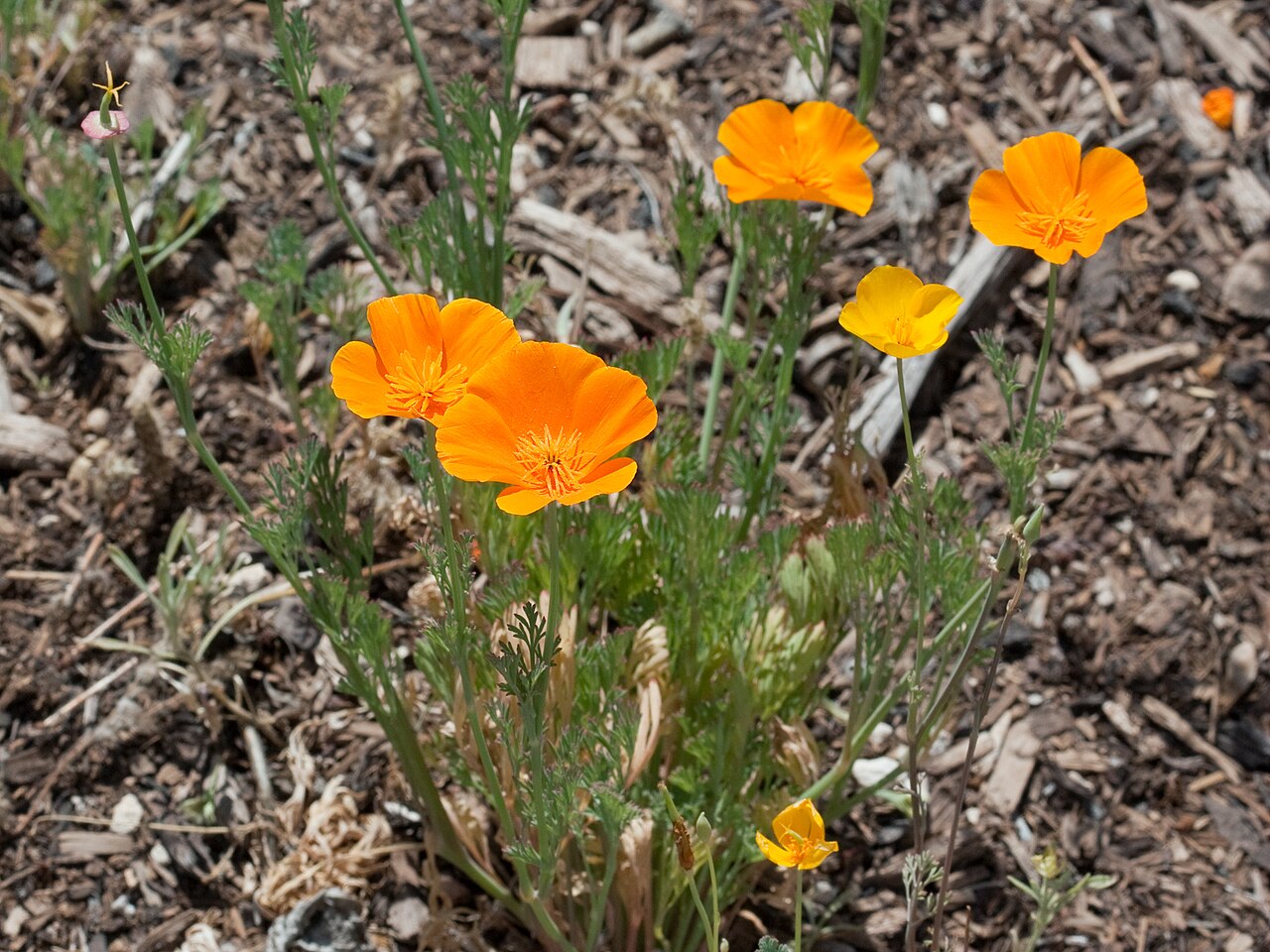
Orange King is the California poppy with no apologies and no mixed colors: one color, done gloriously. Its flowers are large, single, silky cups of pure blazing orange, the color that made the species the state flower of California and the color every other poppy color is measured against. On a compact plant that stays tidy instead of sprawling, Orange King makes a drift that reads from the street, which is exactly what a front-bed annual should do.
Florida gardeners should treat Orange King exactly like Mission Bells: a fall-sown, cool-season annual that blooms through winter and spring and fades when summer heat arrives. Sow where it can self-sow, in sun and sharply drained soil, and do not pamper it with rich soil or constant water, because a California poppy in a wet, rich bed rots or goes leggy instead of blooming. The plant is an annual here, not a perennial promise, and it is honest about it: a short, brilliant season, then seed for next year.
If you are new to choosing between cultivars, the Varieties Matter guide explains why the name after the plant matters as much as the plant itself. Orange King is a perfect example: it is not just a california poppy in the abstract, it is a california poppy with a specific job, a specific history, and specific strengths.
How to grow
Sow seed directly in fall in full sun and sharply drained, lean soil — California poppy resents transplanting and rots in rich, wet soil faster than it starves in poor soil. Work a little worm castings into the bed at sowing, rake seed in lightly, and thin seedlings to 8 to 10 inches apart. Water to establish, then water sparingly, and let plants self-sow for next year’s drift. Do not sow in summer and expect bloom; California poppy is a cool-season flower in Florida and blooms in cool weather, fading in heat, which is its nature, not a failure.
Set plants 8-10 inches in soil with a pH around 6.0-7.5. Work worm castings into the bed at planting and mulch to hold moisture. A well-fed california poppy plant rewards that care directly: steadier growth, better bloom, and a show that actually shows up.
Water & feeding
Water to establish, then water sparingly — California poppy is a dry-soil plant that rots in wet soil, so overwatering is the mistake to avoid. Water at the soil line, do not mulch heavily, and feed lightly: castings at sowing is usually enough, because rich soil makes leggy poppies with fewer flowers. In a dry fall, occasional watering keeps seedlings growing; in a wet fall, drainage is the care program.
Common problems
- Fading in summer heat — California poppy is a cool-season annual; it sets seed and fades when heat arrives, which is normal, not failure.
- Leggy growth in shade or rich soil — lean soil and full sun make sturdier poppies; do not overfeed.
- Damping off in wet seed beds — sow in well-drained soil, do not overwater seedlings, and thin for air.
- Enthusiastic self-seeding — volunteers appear freely; edit seedlings in spring if you do not want them.
- Failure to bloom without sun — poppy needs full sun; a shaded poppy gives foliage and few flowers.
Harvest
There is no fruit harvest — California poppy flowers are the harvest, and the seasonal work is letting them seed. Cut a few flowers for small bouquets in spring, when cups are fully open — poppy flowers last a day or two in water, which is short but glorious, and they suit wildflower-style arrangements. Do not cut heavily: the plant needs its seed to self-sow. Let plants set seed, shake a few seed heads where you want next year’s drift, and leave the rest to sow themselves.
Browse all plant & pest guides
Saving seeds
Orange King is the California poppy with no apologies and no mixed colors: one color, done gloriously. Its flowers are large, single, silky cups of pure blazing orange, the color that made the species the state flower of California and the color every other poppy color is measured against. On a compact plant that stays tidy instead of sprawling, Orange King makes a drift that reads from the street. As an open-pollinated strain it comes true from seed: sow seed directly in fall in full sun and sharply drained, lean soil — California poppy resents transplanting and rots in rich, wet soil — rake seed in lightly, thin seedlings to 8 to 10 inches apart, and let plants self-sow for next year’s drift. The full method is in the Saving seeds section of the California Poppy guide.