
🌿 Variegata Lemon Verbena
What it looks like
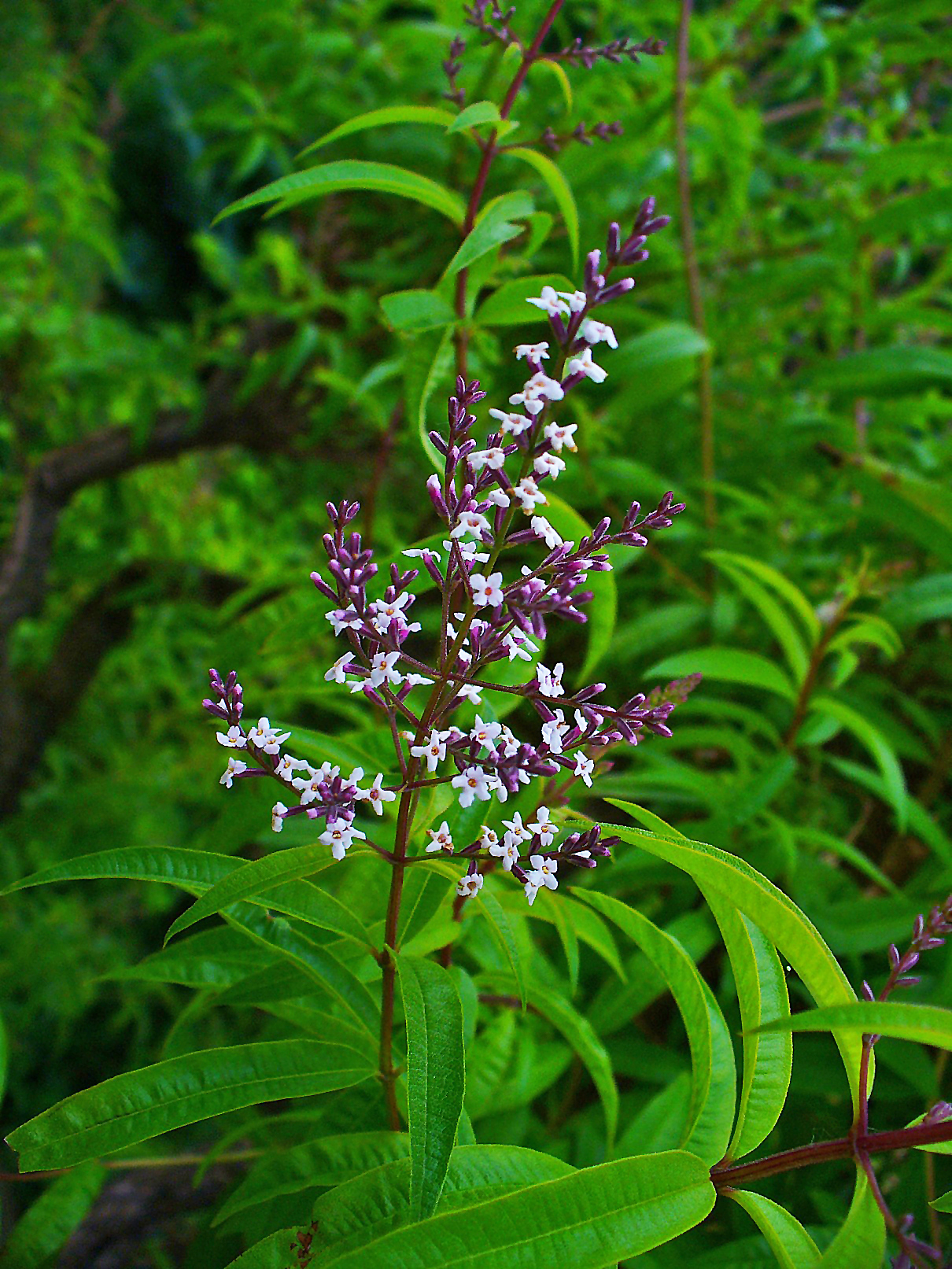
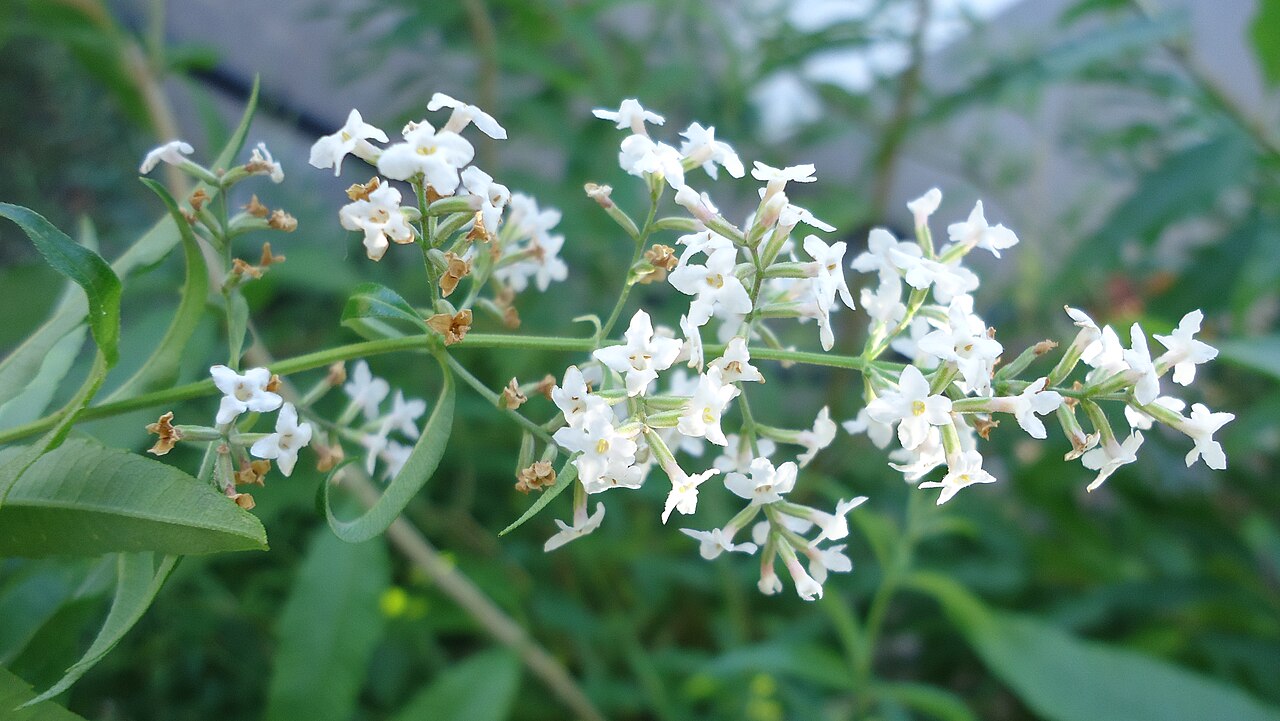
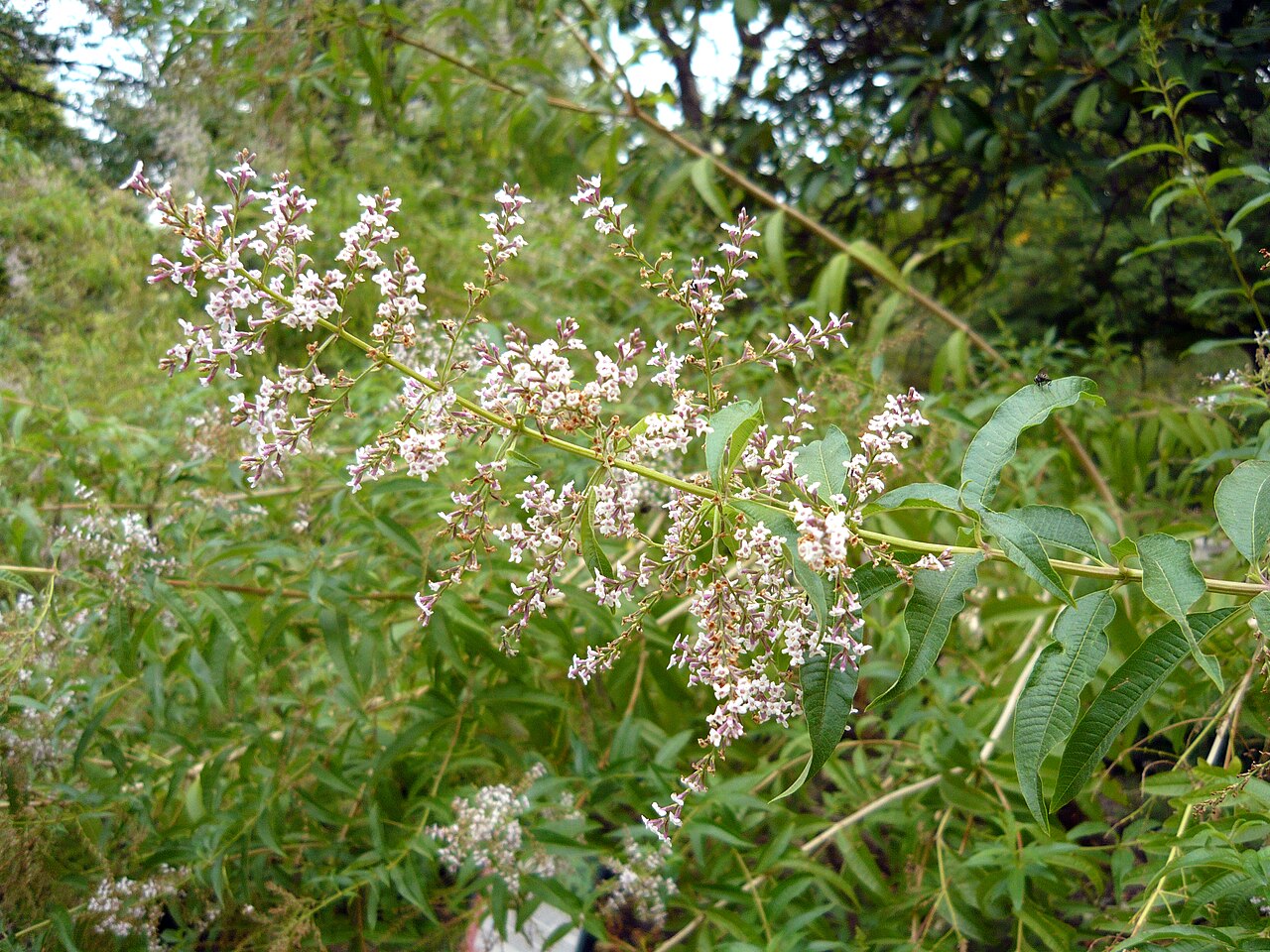
Why this variety
Variegata is the plain species lemon verbena with one glorious edit: its narrow, intensely lemon-scented leaves carry creamy-white edges, so the plant looks variegated and luminous even before you brush it and release that famous scent — the strongest, cleanest lemon fragrance of any leaf you can grow, sweeter than lemon balm and sharper than lemongrass. It is the lemon verbena to plant where you will see it up close: beside a path, in a pot by the kitchen door, or in a tea garden, where its looks earn their keep between harvests.
The trade-off is vigor. Variegated leaves carry less chlorophyll than green ones, so Variegata grows a little more slowly and a little less lushly than the straight species, and it still wants the same deal: full sun, sharp drainage, and a winter rest indoors where frost bites. Do not overwater it in winter — a dormant lemon verbena in wet soil rots faster than it starves — and prune it back hard in spring, because lemon verbena is a shrub that sulks if you let it go leggy and rewards a hard haircut with a fountain of new, scented growth.
If you are new to choosing between cultivars, the Varieties Matter guide explains why the name after the plant matters as much as the plant itself. Variegata is a perfect example: it is not just a lemon verbena in the abstract, it is a lemon verbena with a specific job, a specific history, and specific strengths.
Florida honesty: lemon verbena grows statewide in Florida as a tender shrub, and Variegata is no exception. In South and Central Florida it lives outdoors year-round; in North Florida, grow it in a large pot and move it under cover before frost, letting it go dormant and nearly dry over winter. It loves Florida heat and sun, which is more than can be said for most lemon-scented things, and its scent is at its strongest on a hot afternoon — which is exactly when you will be standing next to it, wondering why you did not plant three.
How to grow
Plant in spring in full sun and sharply drained soil, or one per large pot — lemon verbena is a tender woody shrub that wants sun, drainage, and room to become a 3- to 5-foot fountain of scented leaves. Work worm castings into the planting hole, water to establish, and prune hard in spring before new growth starts, because lemon verbena sulks if left leggy and explodes after a hard haircut. In cold zones, pot it and move it under cover before frost, letting it go dormant and nearly dry over winter.
Set plants 18-24 inches apart (or one per large pot) in soil with a pH around 6.0-7.5. Work worm castings into the bed at planting and mulch to hold moisture. A well-fed lemon verbena plant rewards that care directly: steadier growth, better bloom or fruit, and a show that actually shows up.
Water & feeding
Water to establish, then water moderately — lemon verbena wants steady moisture in the growing season and near-dryness in winter dormancy, when wet soil rots it. Water at the soil line, mulch to hold moisture in summer, and feed lightly: castings at planting plus a light organic feed in spring is plenty, because rich soil makes leggy, less fragrant growth.
Common problems
- Freeze damage — lemon verbena dies back or dies outright in hard frost; pot it and move it under cover before frost, and let it go dormant and nearly dry over winter.
- Root rot in wet winter soil — the dormant-season killer; use sharp drainage, a pot with holes, and almost no water while leafless.
- Leggy growth without pruning — unpruned lemon verbena becomes a tangle of bare stems; prune hard in spring before new growth for a fountain of scented leaves.
- Whiteflies and aphids on stressed plants — blast with water and encourage predators before reaching for sprays; stressed, dry plants attract pests first.
- Fading scent in shade — lemon verbena’s perfume needs sun; a shaded plant gives leaves with little scent, so give it full sun, not a shady corner.
Harvest
Harvest leaves all season, from 6-8 weeks after planting — snip stems in the morning, when scent is strongest, and use fresh for tea, desserts, and marinades, or dry leaves flat in a warm, airy spot for winter tea. Do not strip a plant bare: take a third at a time and let it regrow, and cut the whole plant back hard in spring for a fountain of new growth. A single Variegata in a pot can supply a household’s lemon-verbena tea all season, and its scent, fresh or dried, is the strongest lemon flavor you can grow.
Browse all plant & pest guides
Saving seeds
Variegata is the plain species lemon verbena with one glorious edit: its narrow, intensely lemon-scented leaves carry creamy-white edges, so the plant looks variegated and luminous even before you brush it and release that famous scent — the strongest, cleanest lemon fragrance of any leaf you can grow, sweeter than lemon balm and sharper than lemongrass. Seed will not repeat the variegation, so Variegata is kept true by cuttings: take softwood cuttings in spring and root them in sharply drained soil. It still wants the same deal as the species — full sun, sharp drainage, and a winter rest indoors where frost bites — and it grows a little more slowly, because variegated leaves carry less chlorophyll. Do not overwater it in winter: a dormant lemon verbena in wet soil rots faster than cold ever kills it. The full method is in the Propagation section of the Lemon Verbena guide.