
🌾 Lemony Snicket Lemongrass
What it looks like
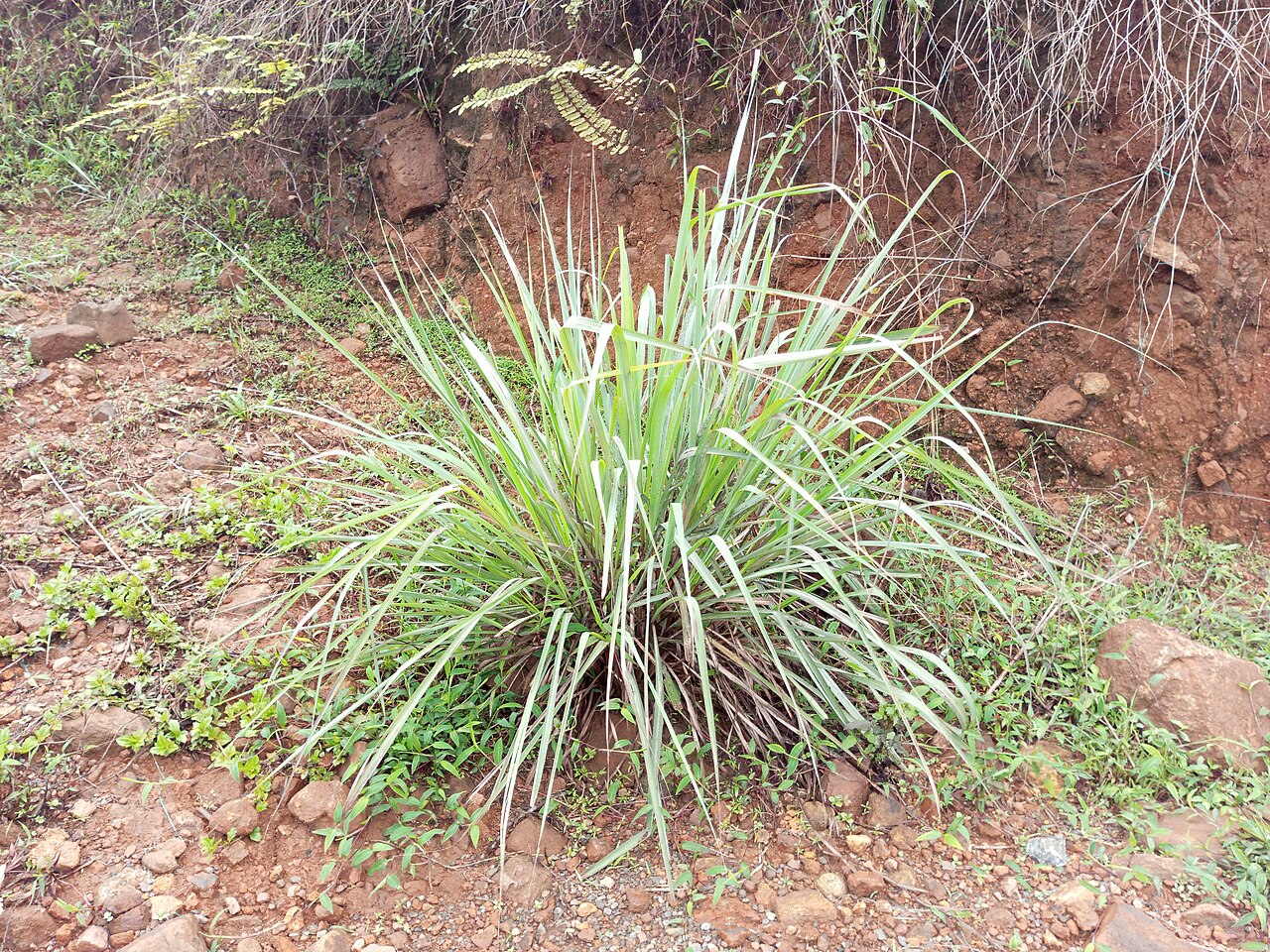

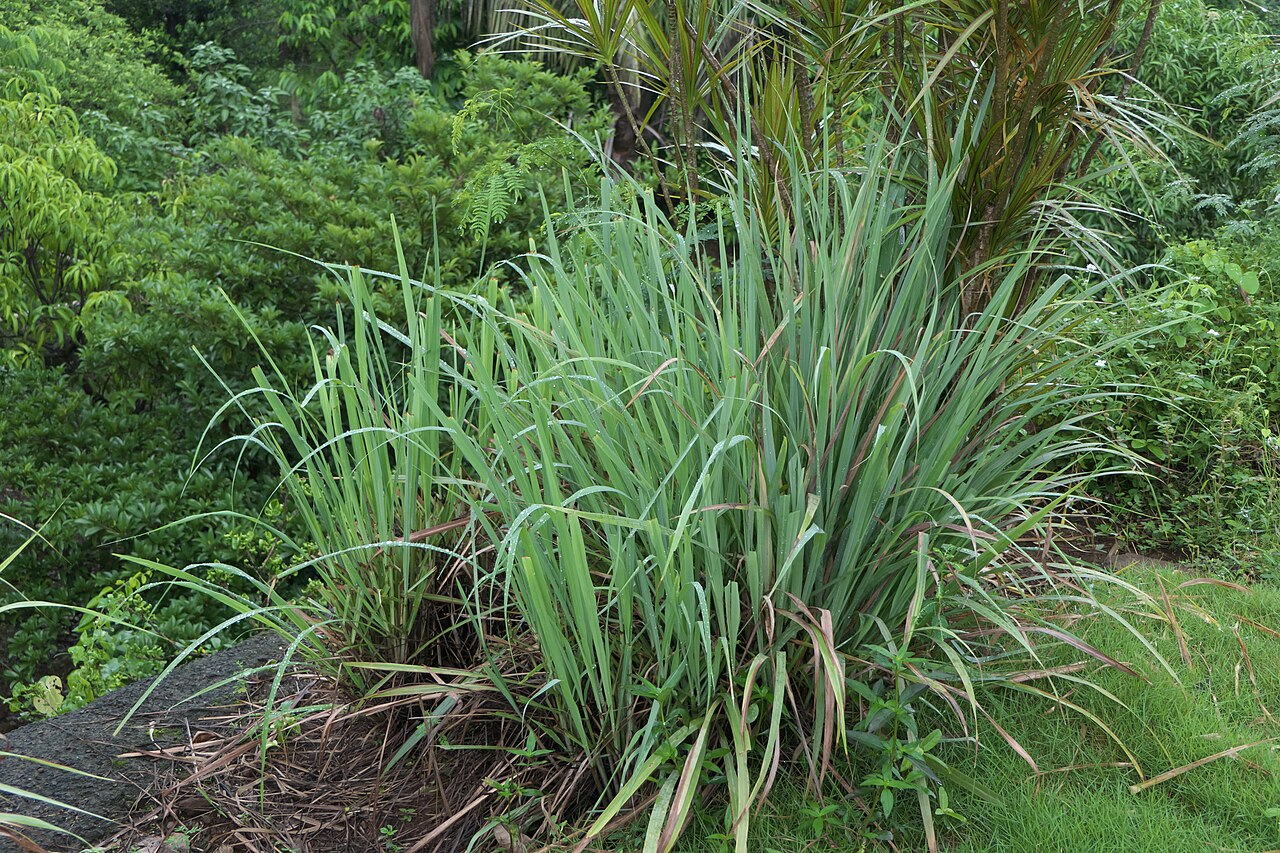
Why this variety
Lemony Snicket is one of the few named selections of true West Indian lemongrass — Cymbopogon citratus, the plump-stalked culinary species — sold under its own name in the nursery trade, selected for strong, true lemon fragrance and flavor from both its foliage and its stalks, fresh or dried. Most lemongrass is sold as an unnamed species plant, which is fine, but a named selection is a small promise: this clump was chosen because it performs, not just because it germinated. For a cook, that promise is worth having, because lemongrass is one of those plants where the difference between a vigorous, aromatic clump and a thin, tired one is the difference between a curry that sings and one that mumbles.
The trade-off is the same as all lemongrass: it is a tropical grass that grows like it means it in heat and sulks the moment frost touches it. Give it full sun, rich, moist soil, and room — a clump expands fast and will swallow a small bed edge — and cut stalks from the outside of the clump, leaving the center to keep growing. Do not confuse it with East Indian lemongrass, Cymbopogon flexuosus, a different species grown mostly for oil; this guide is for citratus, the cooking grass, and its stalks are the prize.
If you are new to choosing between cultivars, the Varieties Matter guide explains why the name after the plant matters as much as the plant itself. Lemony Snicket is a perfect example: it is not just a lemongrass in the abstract, it is a lemongrass with a specific job, a specific history, and specific strengths.
Florida honesty: lemongrass is a genuine Florida plant — a perennial in South Florida (zones 10-11) and a vigorous annual or potted plant elsewhere in the state. In North and Central Florida, plant it after frost danger, feed it well, and either dig a division to overwinter indoors or treat it as a glorious annual and start fresh next spring. It loves Florida’s heat, humidity, and summer rain, which is why it is one of the easiest tropical flavors to grow here, and a single clump can supply a household’s curries, teas, and marinades all season.
How to grow
Plant divisions or rooted stalks after frost danger in full sun and rich, moist soil — lemongrass is a tropical grass that grows fast and hungry. Work worm castings and compost into the bed at planting, space for a clump that expands quickly, and water generously through the season. Cut stalks from the outside of the clump, leaving the center growing, and dig a division to overwinter indoors where frost bites.
Set plants 24-36 inches apart (clumps expand fast) in soil with a pH around 6.0-7.0. Work worm castings into the bed at planting and mulch to hold moisture. A well-fed lemongrass plant rewards that care directly: steadier growth, better bloom or fruit, and a show that actually shows up.
Water & feeding
Keep soil consistently moist — lemongrass is a tropical grass that grows fast and drinks heavily, and a clump that dries out stalls and browns at the tips. Water deeply, mulch to hold moisture, and feed generously: castings and compost at planting plus regular feeding through the season, because a hungry lemongrass is a thin lemongrass.
Common problems
- Freeze damage — lemongrass dies at frost; dig divisions to overwinter indoors, or treat it as an annual and start fresh each spring.
- Clump takeover — a happy lemongrass clump expands fast and swallows bed edges; divide congested clumps in spring and give it room from the start.
- Browning leaf tips in dry soil — lemongrass shows drought in its tips first; water deeply and mulch, and cut browned tips for looks.
- Rust and leaf spots in humid, crowded plantings — space for air, water at the soil line, and remove affected leaves promptly.
- Confusion with citronella grass — citronella (Cymbopogon nardus) is a different species, grown for oil, not cooking; check the label reads Cymbopogon citratus for the culinary grass.
Harvest
Harvest stalks from 3-4 months after planting — cut outer stalks at the base, peel away the tough outer leaves, and use the thick, pale lower few inches, bruised, for cooking; the upper leaves make excellent tea, fresh or dried. Cut all season in warm zones, leaving the center of the clump growing, and divide congested clumps in spring. Freeze extra stalks whole for winter curries, because frozen lemongrass keeps its flavor far better than dried, and a Florida clump in full growth is a curry supply that never runs out.
Browse all plant & pest guides
Saving seeds
Lemony Snicket is one of the few named selections of true West Indian lemongrass — Cymbopogon citratus, the plump-stalked culinary species — sold under its own name in the nursery trade, selected for strong, true lemon fragrance and flavor, and it is grown from divisions — plant divisions or rooted stalks after frost danger in full sun and rich, moist soil, and dig a division to overwinter indoors where frost bites. The Propagation section of the Lemongrass guide covers propagation for the species.