
🍃 Atropurpurea Plantain Herb
What it looks like
Why this variety
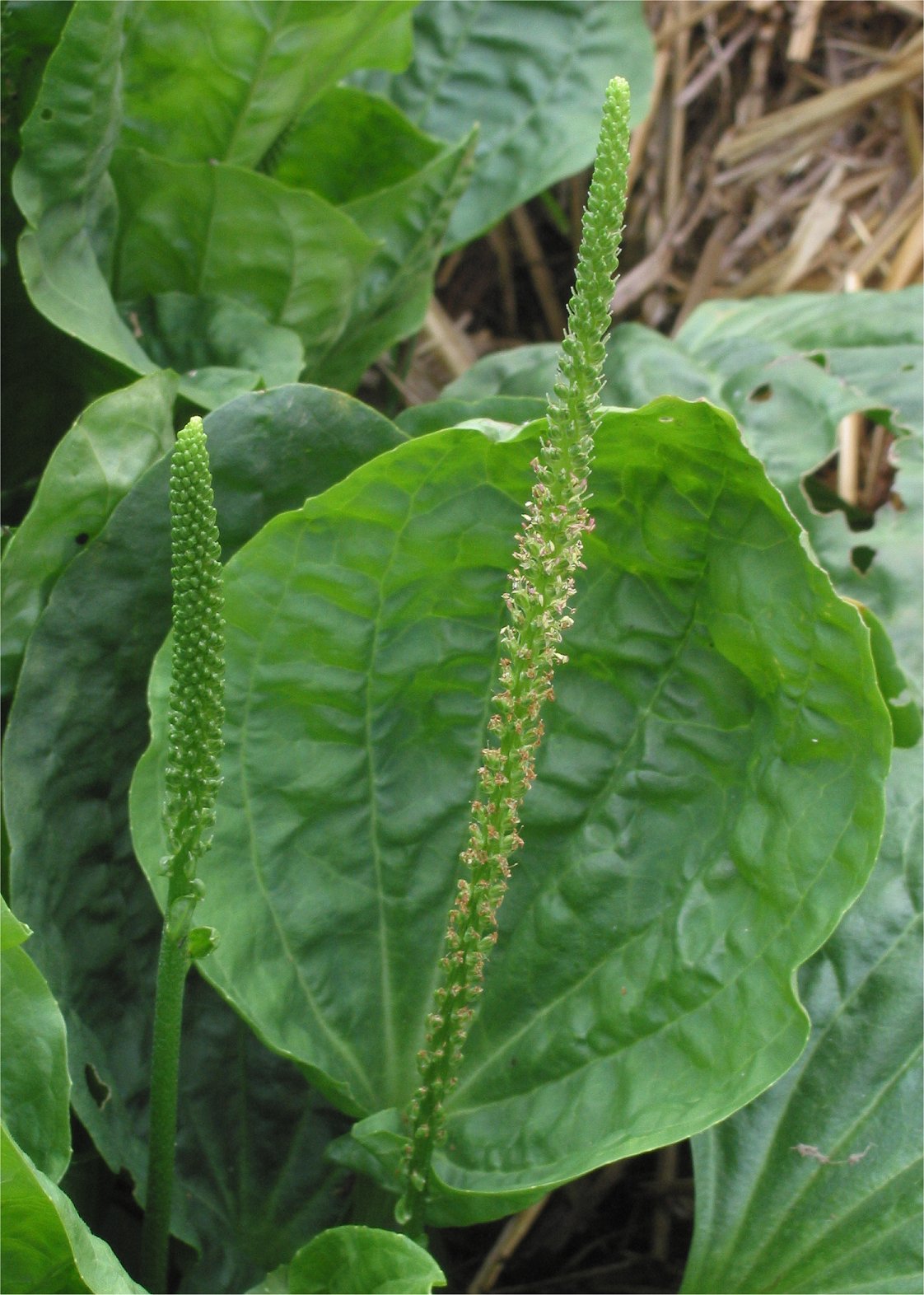
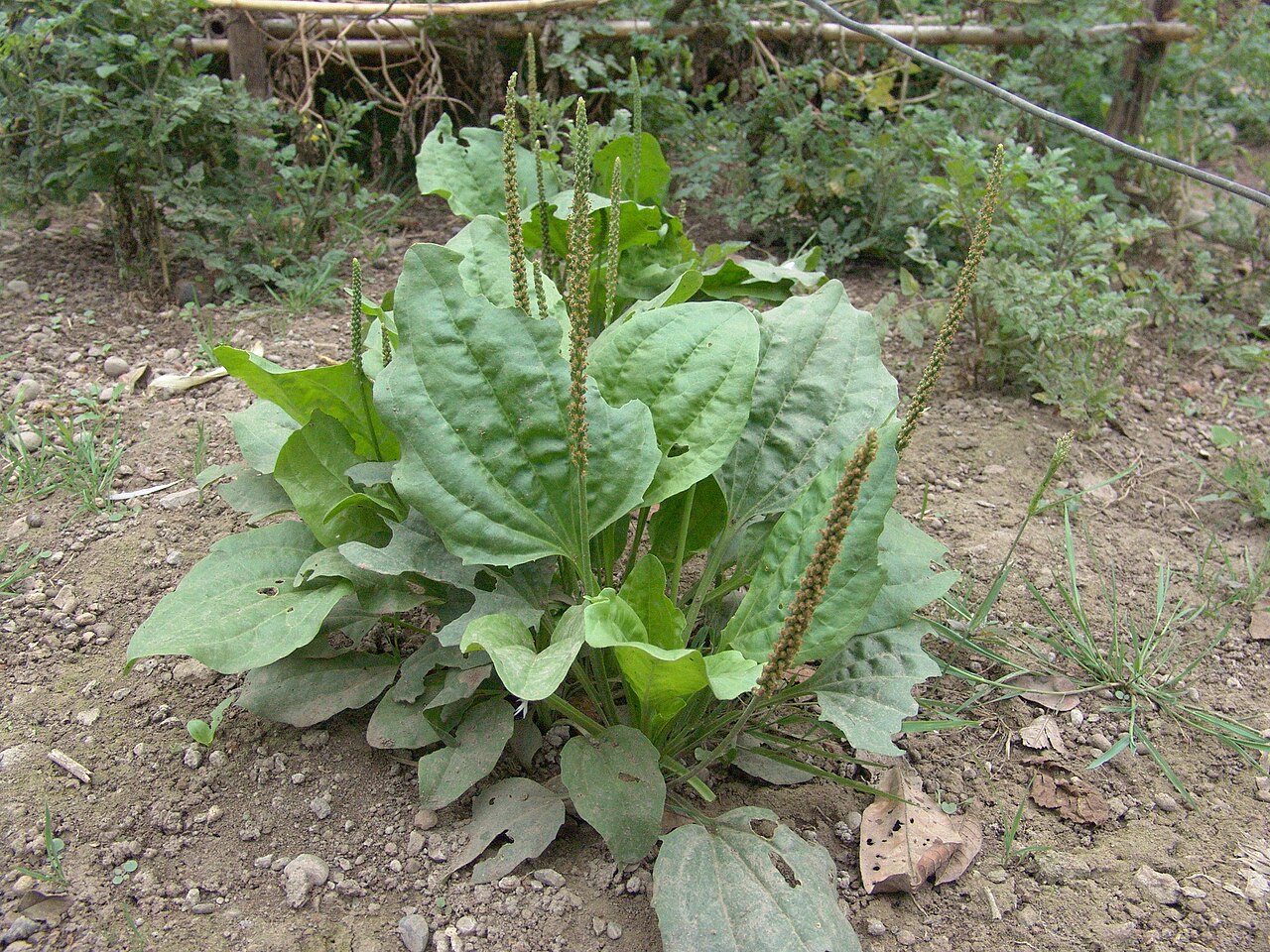
Atropurpurea is the plantain for gardeners who love plantain’s toughness but want it to look like a garden plant: a rosette of large, broad leaves tinged with dark purple on a green background, forming a decorative perennial that the RHS lists under its accepted name Rubrifolia, with Atropurpurea as a synonym — the same plant, filed under two names, which is a useful reminder to check synonyms before buying a duplicate. It is a rare purple form of a common weed, found in clay meadows where it accompanies dandelions, and it brings that weed’s toughness — drought tolerance, poor-soil tolerance, and sheer persistence — to a border where its purple-tinged leaves read as intentional, not accidental. If you want plantain as an ornamental, not a lawn invader, Atropurpurea is the form to plant, in a contained bed.
The trade-off is self-seeding: Atropurpurea is still a plantain, so it still makes thousands of seeds per plant, and its seedlings may revert to green, because purple foliage does not always breed true from seed. Grow it in a contained bed or a pot, deadhead spikes before seed ripens if you do not want volunteers, and propagate by division, not by seed, if you want to keep the purple. Give it sun to part shade, any decent soil, and occasional water, and it will be a purple rosette that asks for nothing and gives color all season — a weed with manners, kept in bounds.
If you are new to choosing between cultivars, the Varieties Matter guide explains why the name after the plant matters as much as the plant itself. Atropurpurea is a perfect example: it is not just a plantain herb in the abstract, it is a plantain herb with a specific job, a specific history, and specific strengths.
Florida honesty: plantain is a statewide plant in Florida — it grows in lawns, paths, and beds across the state, naturalized and persistent — and Atropurpurea is no exception, which is both its virtue and its warning. In every Florida zone, grow it in a contained bed or a pot, deadhead before seed, and do not plant it near wild areas, because a plantain allowed to seed will plant itself everywhere. It is a Florida-friendly herb, not a trial, but it is a herb that must be managed, not admired from a distance.
How to grow
Plant in spring or fall, in full sun to part shade and any decent soil — plantain is a tough, weedy perennial that grows in lawns, paths, and garden beds alike, and it wants nothing more than a spot where it will not be mowed. Work a little worm castings into the bed at planting, space for the rosette, and give it a contained bed or a pot, because plantain self-seeds prolifically and colonizes bare soil fast. Do not plant it near wild areas or lawns you want weed-free, because a plantain allowed to seed will plant itself everywhere, which is its nature, not a surprise.
Set plants 12-18 inches apart in soil with a pH around 6.0-7.5. Work worm castings into the bed at planting and mulch to hold moisture. A well-fed plantain herb plant rewards that care directly: steadier growth, better bloom, and a show that actually shows up.
Water & feeding
Water to establish, then water moderately — plantain tolerates drought once established and sulks only in bone-dry soil or standing water. Water at the soil line, do not mulch heavily, and feed lightly: castings at planting is usually enough, because rich soil makes lush leaves that flop. In a dry spell, occasional deep watering keeps rosettes green; in a wet spell, drainage is the care program, because crown rot in stagnant water is the one thing that kills a plantain.
Common problems
- Enthusiastic self-seeding — plantain makes thousands of seeds per plant; deadhead spikes before seed ripens if you do not want volunteers, or edit seedlings in spring.
- Crown rot in waterlogged soil — plantain wants drainage; do not plant it where rain ponds, and use a raised bed in heavy soil.
- Slugs on young leaves in damp spots — hand-pick at dusk, and do not mulch heavily against the crown.
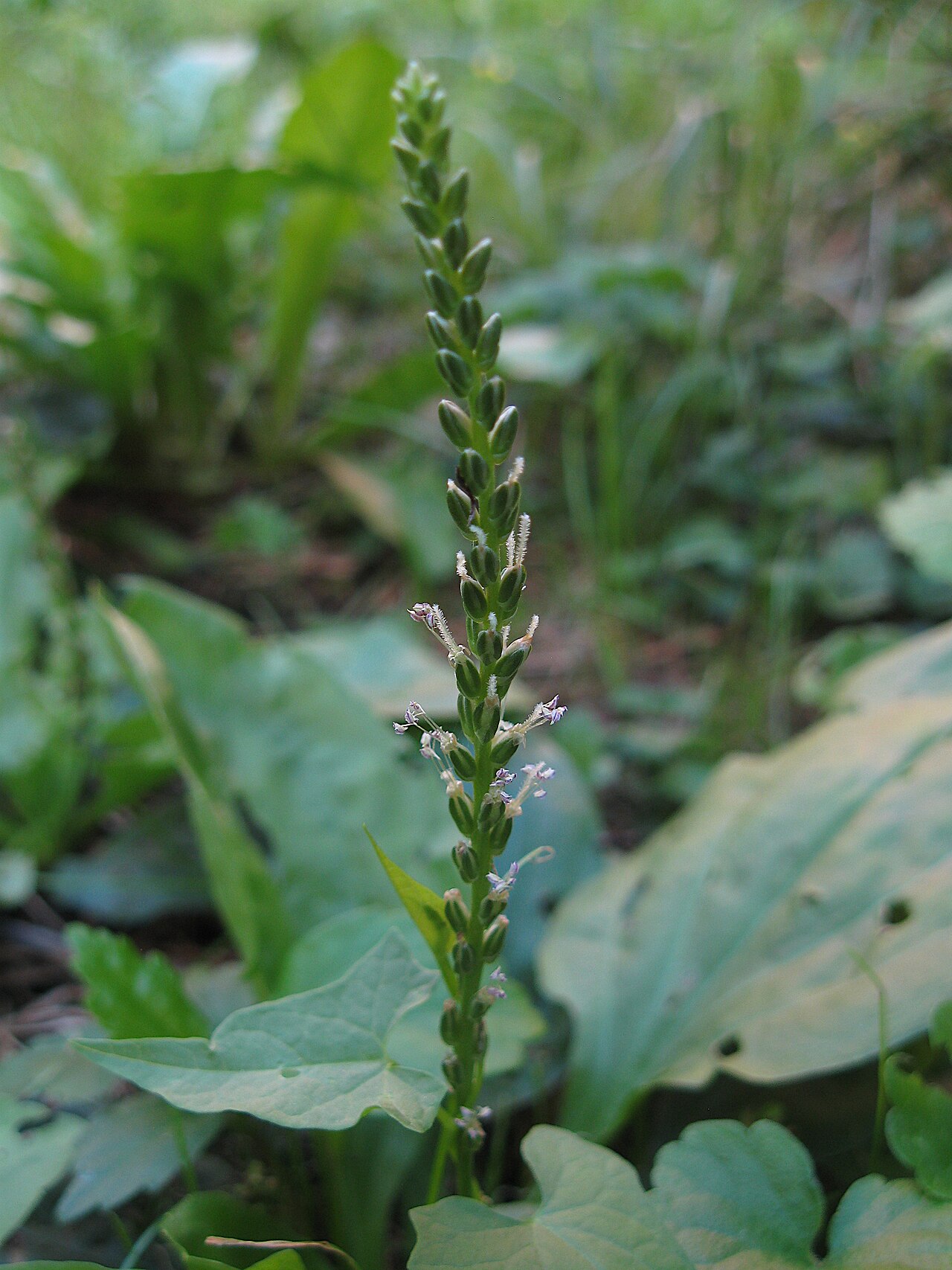
- Wind-pollinated flower spikes — plantain pollen can bother allergy sufferers in summer; cut spikes before bloom if pollen is a problem in your household.
- Confusion with the fruit plantain — the herb plantain is Plantago, not the banana-like fruit; do not expect fruit, and do not cook the herb like a banana.
Harvest
Pick young leaves for salads and cooking from spring into fall, when leaves are tender — plantain leaves are edible cooked or raw when young, and older leaves are best cooked like spinach. Pick flower spikes young for a green vegetable if you like, and collect seed heads in fall for seed, if you want more plants — though more plants are rarely the problem with plantain. Cut back spent spikes to keep the rosette tidy, divide congested clumps in spring, and compost diseased foliage, not seed heads, unless you want volunteers.
Browse all plant & pest guides
Saving seeds
Atropurpurea is a purple-leaf form, so seed saved from it won’t come true — buy plants instead. The Saving seeds section of the Plantain Herb guide covers seed for the straight species.