
🔴 Ida Lingonberry
What it looks like
Why this variety
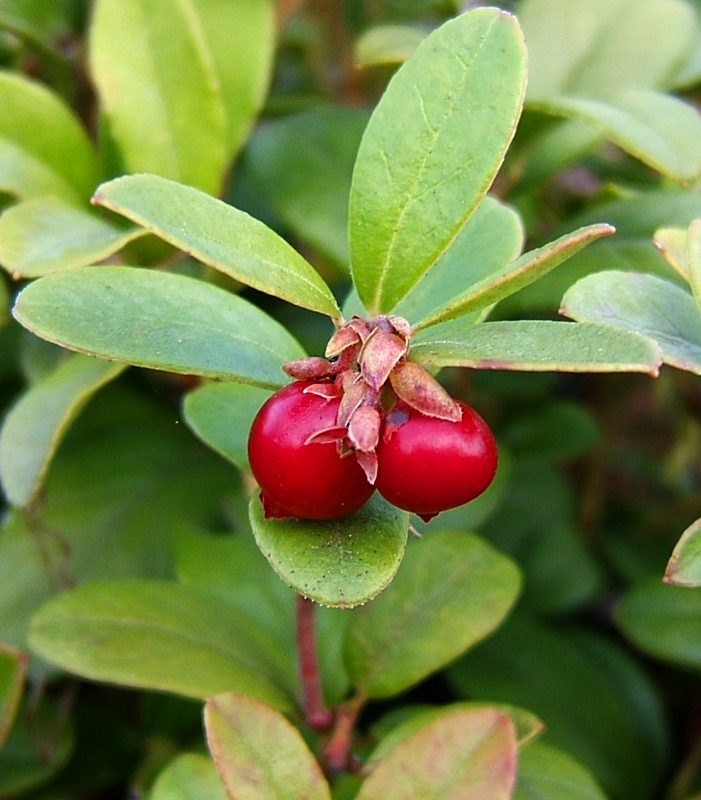
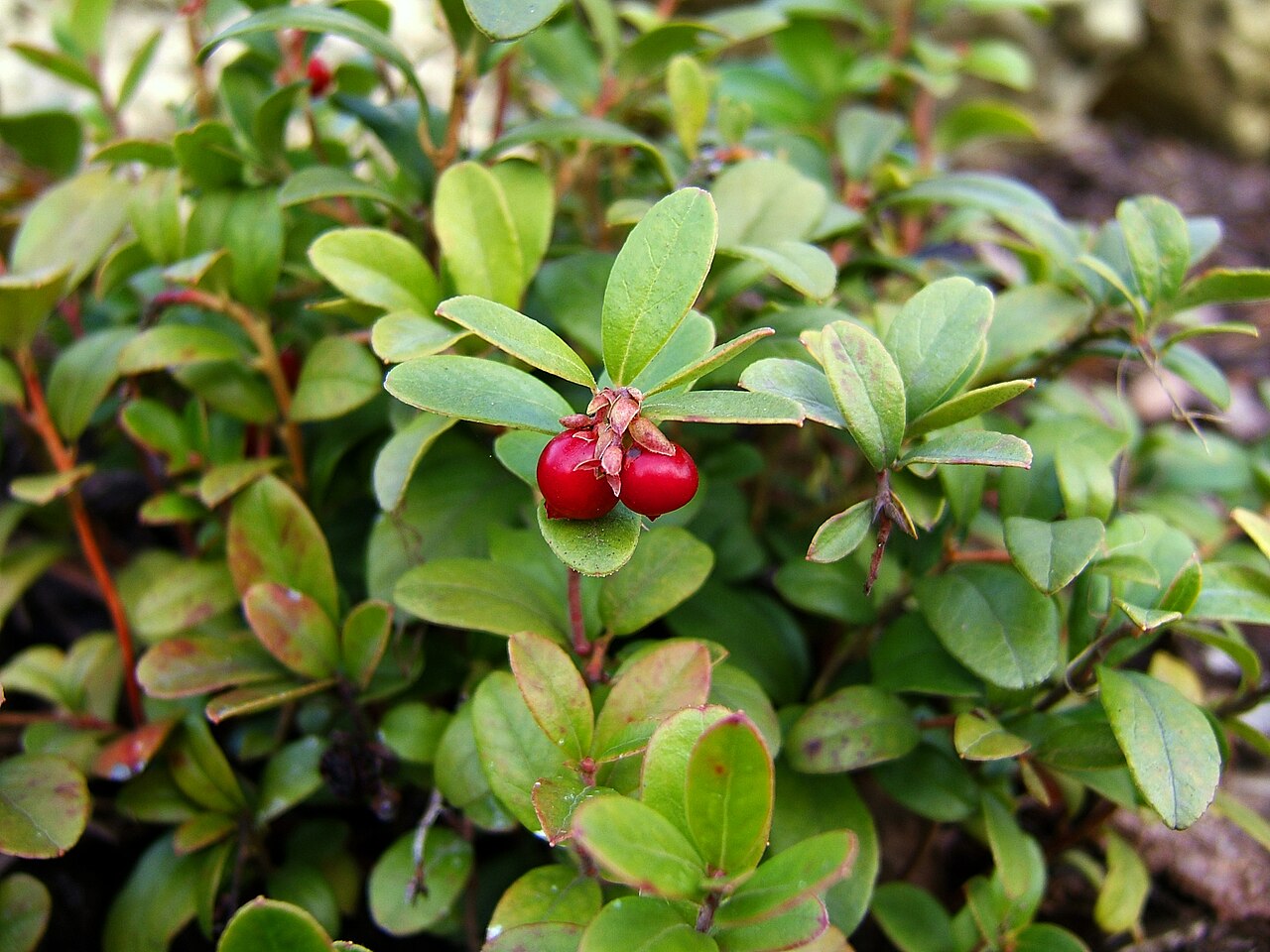
Ida is the lingonberry for gardeners who want Koralle’s reliability with bigger berries and a bigger crop: in the USDA trial at Corvallis, Oregon, Ida had the largest fruit of all ten cultivars and selections tested — over 40 percent heavier than the second-largest — and nearly twice the yield of Koralle, with the highest anthocyanin levels of the group, which means the deepest red color and the most of the compounds that make lingonberries famous in nutrition circles. It is a Swedish-bred cultivar from the Balsgård program, and it is the one to plant if you pick berries by hand and want each berry to be worth the bending. Bigger berries, more berries, deeper color: Ida wins on every measure a home gardener actually counts.
The trade-off is the same boreal fine print as Koralle, with one extra note: Ida is only mid-ranked for vigor in trials, so it needs its conditions right — acid soil, steady moisture, cool roots, and mulch — to deliver that headline yield, and it will not outgrow a bad site the way a vigorous spreader might. Plant it in raised, acid-amended beds with peat and pine bark, keep it watered through dry spells, and give it sun to part shade with cool roots. It is not a plant for hot, alkaline, or dry soil, and no amount of enthusiasm substitutes for pH 4.5 to 5.5.
If you are new to choosing between cultivars, the Varieties Matter guide explains why the name after the plant matters as much as the plant itself. Ida is a perfect example: it is not just a lingonberry in the abstract, it is a lingonberry with a specific job, a specific history, and specific strengths.
Florida honesty, stated plainly: Ida is not viable outdoors in Florida, any more than Koralle is. Zones 2-6 is the range, and Florida is outside it on both ends — too warm in winter for the chill it expects, too hot in summer for the cool roots it needs, and too alkaline in most soils for the acid it demands. This guide exists for the plant’s real range and for gardeners in cool climates, and Florida readers should read it as a reference, not a shopping list. The honest Florida move is to enjoy lingonberries from a jar and plant a berry that belongs in your zone.
How to grow
Plant in spring in full sun to part shade and acidic, moist soil — lingonberry is a boreal groundcover that wants soil as acidic as a blueberry’s, steady moisture, and cool roots. Work peat, pine bark, and worm castings into a raised bed at planting, space plants 12 inches apart to knit into a mat, mulch with pine needles or bark, and water through every dry spell. Do not plant it in alkaline, dry, or hot soil and expect berries; pH 4.5 to 5.5 is the whole game.
Set plants 12 inches apart as a groundcover mat in soil with a pH around 4.5-5.5. Work worm castings into the bed at planting and mulch to hold moisture. A well-fed lingonberry plant rewards that care directly: steadier growth, better bloom or fruit, and a show that actually shows up.
Water & feeding
Keep soil evenly moist but never waterlogged — lingonberry wants boreal moisture, not swamp and not drought, and its shallow roots dry out fast. Water at the soil line, mulch with pine bark or needles to hold moisture and acidity, and feed lightly: castings at planting plus an acid fertilizer in spring if growth is pale. Never lime the bed, and never let a young mat bake dry.
Common problems
- Wrong soil pH — lingonberry fails in neutral or alkaline soil; test pH, amend with peat and pine bark to 4.5-5.5, and never lime the bed.
- Heat stress — lingonberry is a boreal plant; hot summers scorch it and stop fruiting, which is why it is not viable outdoors in Florida.
- Drought — shallow roots dry out fast; mulch deeply, water through every dry spell, and never let a young mat bake dry.
- Poor fruit set without cross-pollination partners — plant two or more cultivars together for the best crops, and do not expect a single isolated plant to fruit heavily.
- Weed competition in the mat — low groundcovers lose to weeds; mulch well, hand-weed gently (roots are shallow), and do not use heavy cultivation in the bed.
Harvest
Pick berries when fully red and slightly soft, in midsummer and again in fall — lingonberries are tart, and they sweeten a little with a light frost, so a fall crop picked after a cold snap is the best of the year. Pick by hand or with a berry rake, use fresh in sauces and baking, or freeze in bulk: lingonberries freeze beautifully and their natural benzoic acid keeps preserves for months. Do not expect strawberry sweetness; expect a tart, wild, Scandinavian berry that makes roast meats, pancakes, and jam taste like a northern forest in winter.
Browse all plant & pest guides
Saving seeds
Ida is a Swedish-bred lingonberry cultivar from the Balsgård program, with the largest fruit of all ten cultivars tested in the USDA trial at Corvallis, and seedlings won’t hold that fruit size or yield — plant nursery-grown plants in acidic, moist soil. The Saving seeds section of the Lingonberry guide covers seed for the species generally.