
⭐ Blanco Star Star Apple
What it looks like
Why this variety
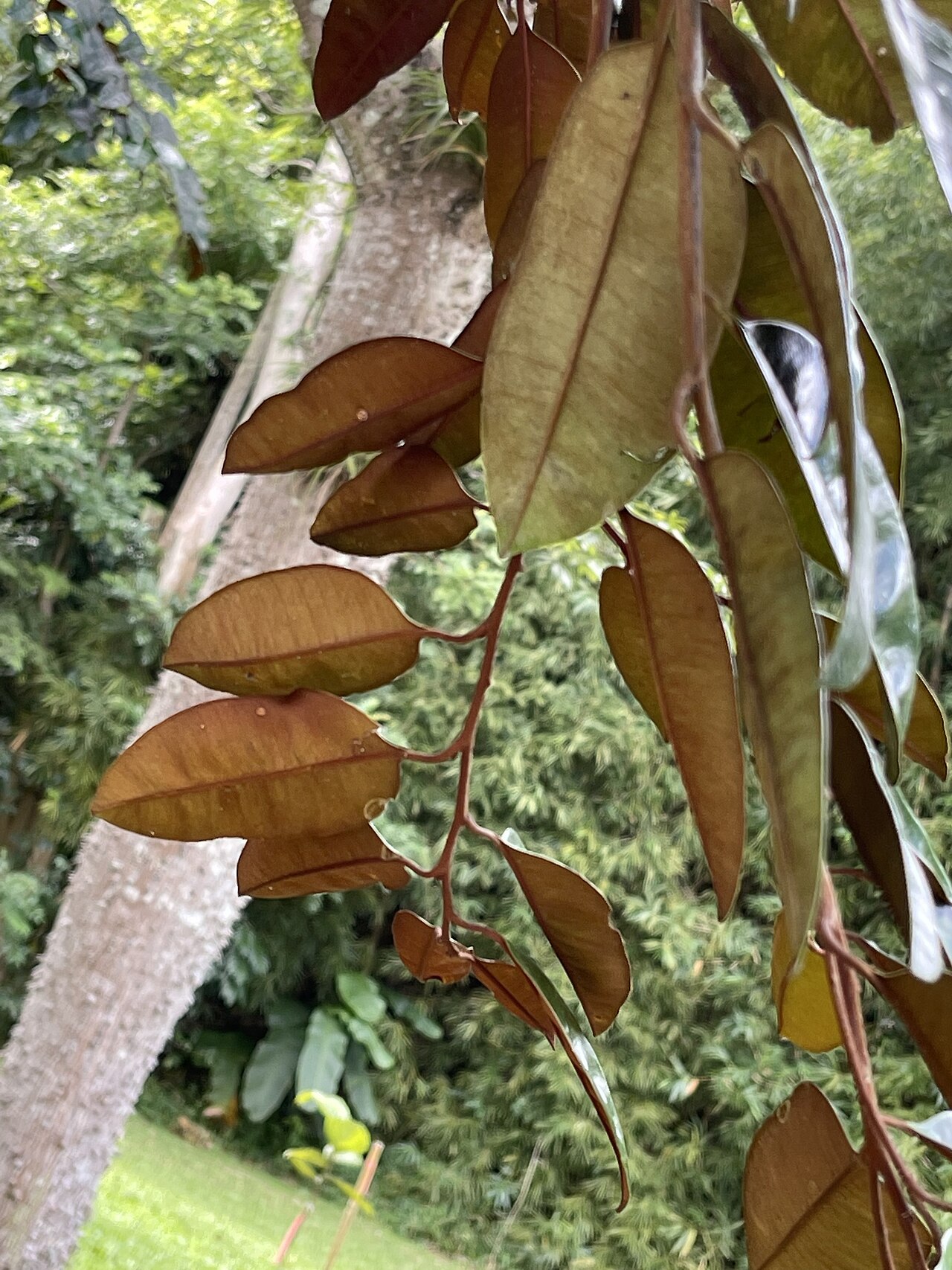
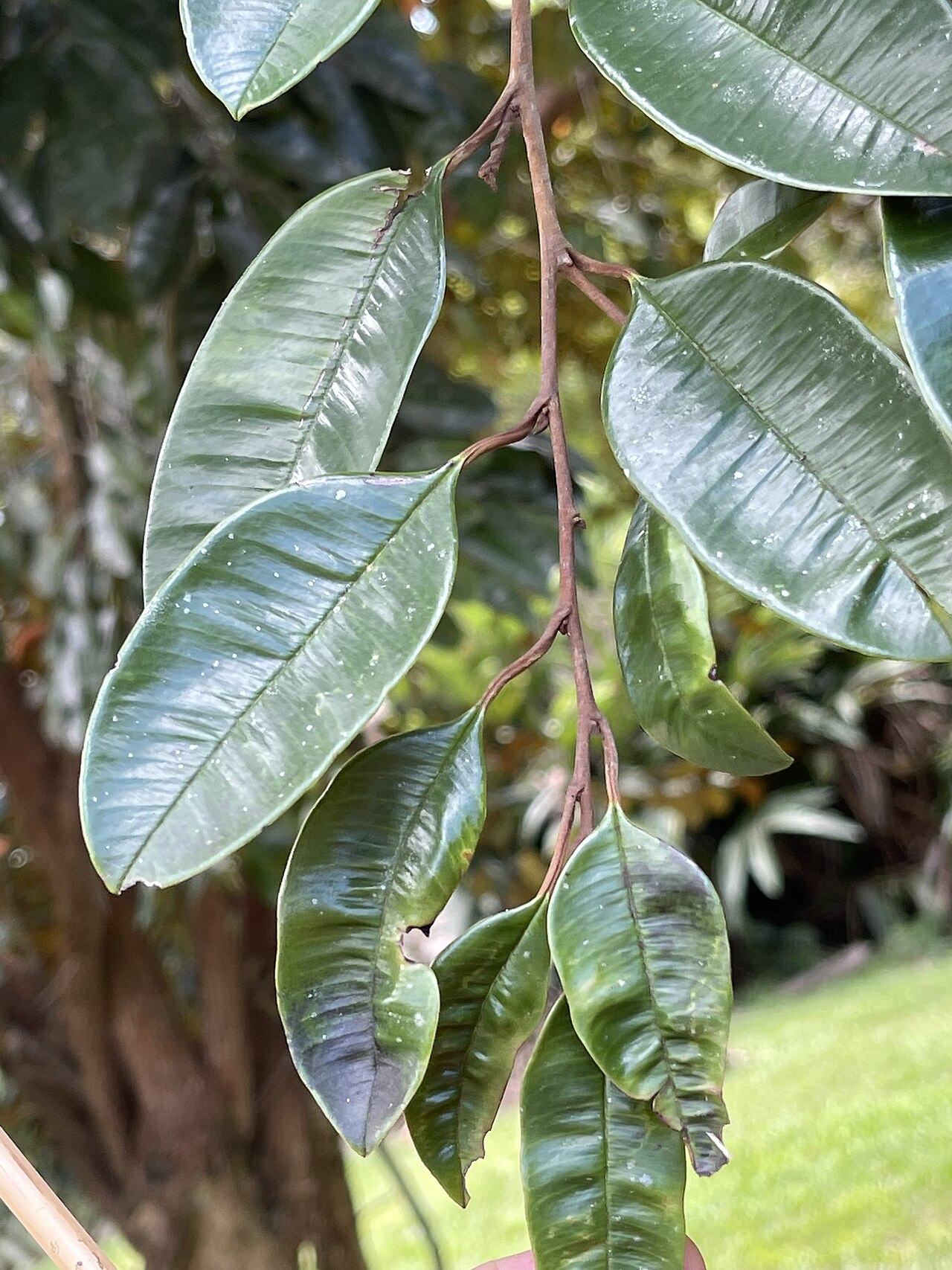
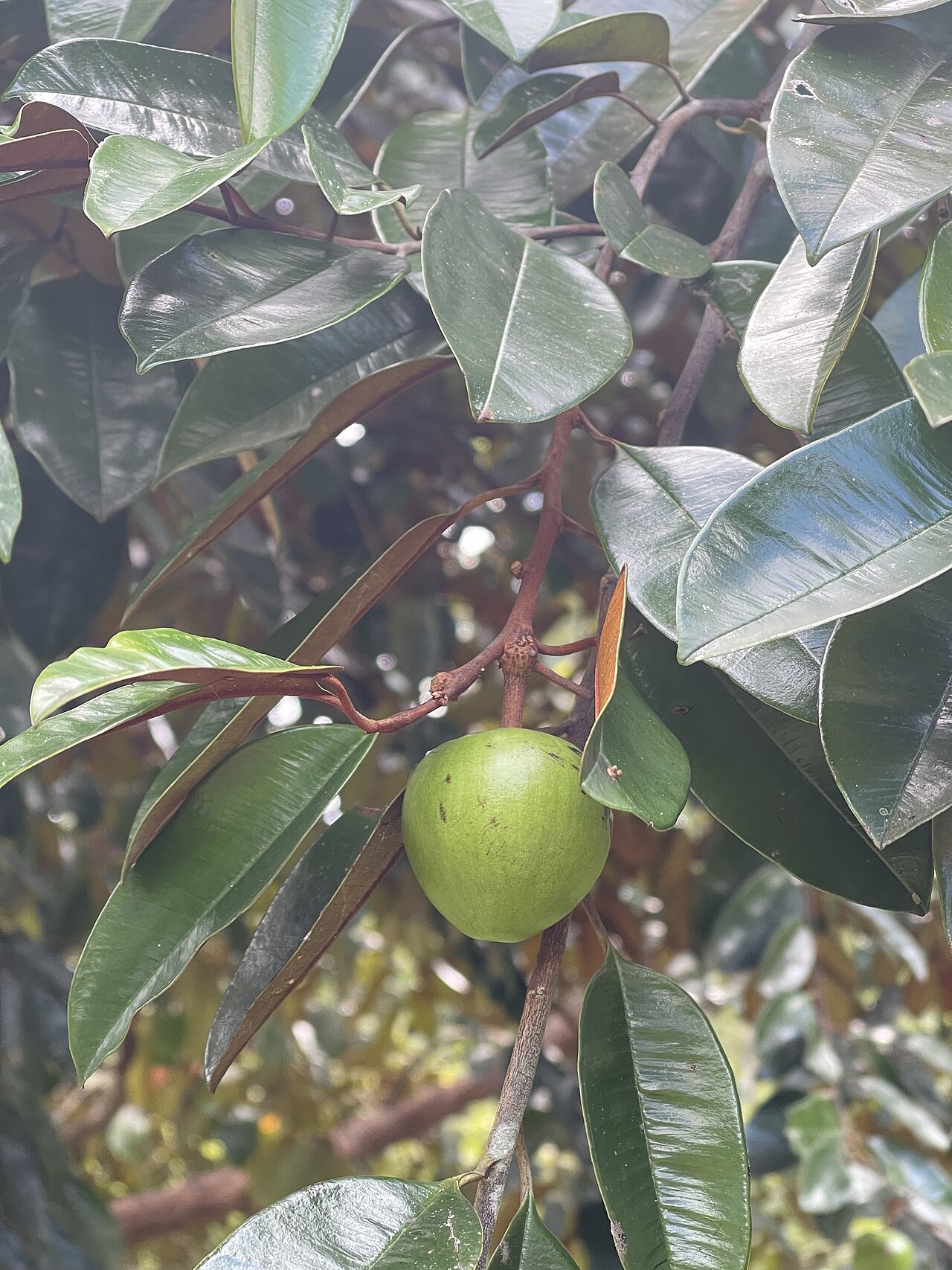
Blanco Star is the green-skinned star apple sold alongside Haitian Star in South Florida nurseries, and the contrast between the two is the whole lesson in star apple varieties. Where Haitian Star is purple, firm, and thick-rinded, Blanco Star ripens pale green to golden, with a finer rind and paler, more liquid, delicately sweet flesh. Growers who find purple caimito too firm or too strongly flavored usually prefer the green type.
Like Haitian Star, Blanco Star is self-fertile and sold grafted, so a single tree fruits true to type and years sooner than a seedling. The tree is the same two-tone beauty, green above and gold-brown beneath, and the fruit is eaten the same way: cut across, admire the star, and scoop the flesh with a spoon, leaving the latex rind behind.
If you are new to choosing between cultivars, the Varieties Matter guide explains why the name after the plant matters as much as the plant itself. Blanco Star is a perfect example: it is not just a star apple in the abstract, it is a star apple with a specific job, a specific history, and specific strengths.
Florida framing, stated plainly: star apple is a South Florida tree, zones 10-11, and a container or greenhouse plant anywhere colder. Blanco Star is no hardier than Haitian Star, so Central and North Florida growers should not plant it in the ground and hope. In the far south it is a genuine landscape fruit tree.
How to grow
Plant a grafted tree in spring in full sun and well-drained, slightly acidic soil, with wind protection, because star apple branches are brittle and fruit is heavy. Work worm castings into the planting hole, water deeply while establishing, and mulch to hold moisture, but keep mulch off the trunk. Stake young trees, prune lightly for shape, and do not plant a seedling and expect named-variety fruit, because seedlings vary wildly in flavor.
Set plants 25-30 feet apart in soil with a pH around 5.5-6.5. Work worm castings into the bed at planting and mulch to hold moisture. A well-fed star apple plant rewards that care directly: steadier growth, better bloom or fruit, and a show that actually shows up.
Water & feeding
Keep soil evenly moist while establishing and through dry spells; a star apple that dries out drops fruit and stalls. Water at the soil line, mulch to hold moisture, and feed moderately: castings at planting plus a balanced organic feed in spring and summer. In winter, reduce water for young trees, and protect them from frost, because cold damage shows as blackened leaves that drop in spring.
Common problems
- FROST DAMAGE — star apple is killed or badly damaged by frost; plant it only in zones 10-11, and protect young trees in any cold snap.
- LATEX AND UNRIPE FRUIT — the rind is inedible and full of latex, and unripe fruit is astringent; eat only fully ripe fruit, scooped with a spoon.
- BRITTLE WOOD — star apple branches break in wind and under heavy fruit; stake young trees and prune for a strong structure.
- FRUIT DROP in drought — a tree that dries out drops fruit and stalls; water deeply through dry spells.
- SEEDLING VARIABILITY — seedlings vary wildly in flavor; buy grafted named varieties, not seedlings, if you want predictable fruit.
Harvest
Harvest fruit when it gives slightly to a squeeze and tastes sweet, cutting fruit with a short stem rather than pulling it, because pulled fruit bruises. Cut fruit across to reveal the star, scoop the flesh with a spoon, and discard the latex rind and seeds. Eat fruit fresh, within a few days of picking, because star apples do not store long, and do not eat unripe fruit, which is astringent enough to pucker a mouth shut.
Browse all plant & pest guides
Saving seeds
Blanco Star is a named selection, so seed saved from it won’t come true — plant a grafted tree instead. The Saving seeds section of the Star Apple guide covers seed for the straight species.