
🌸 Polka Valerian
What it looks like
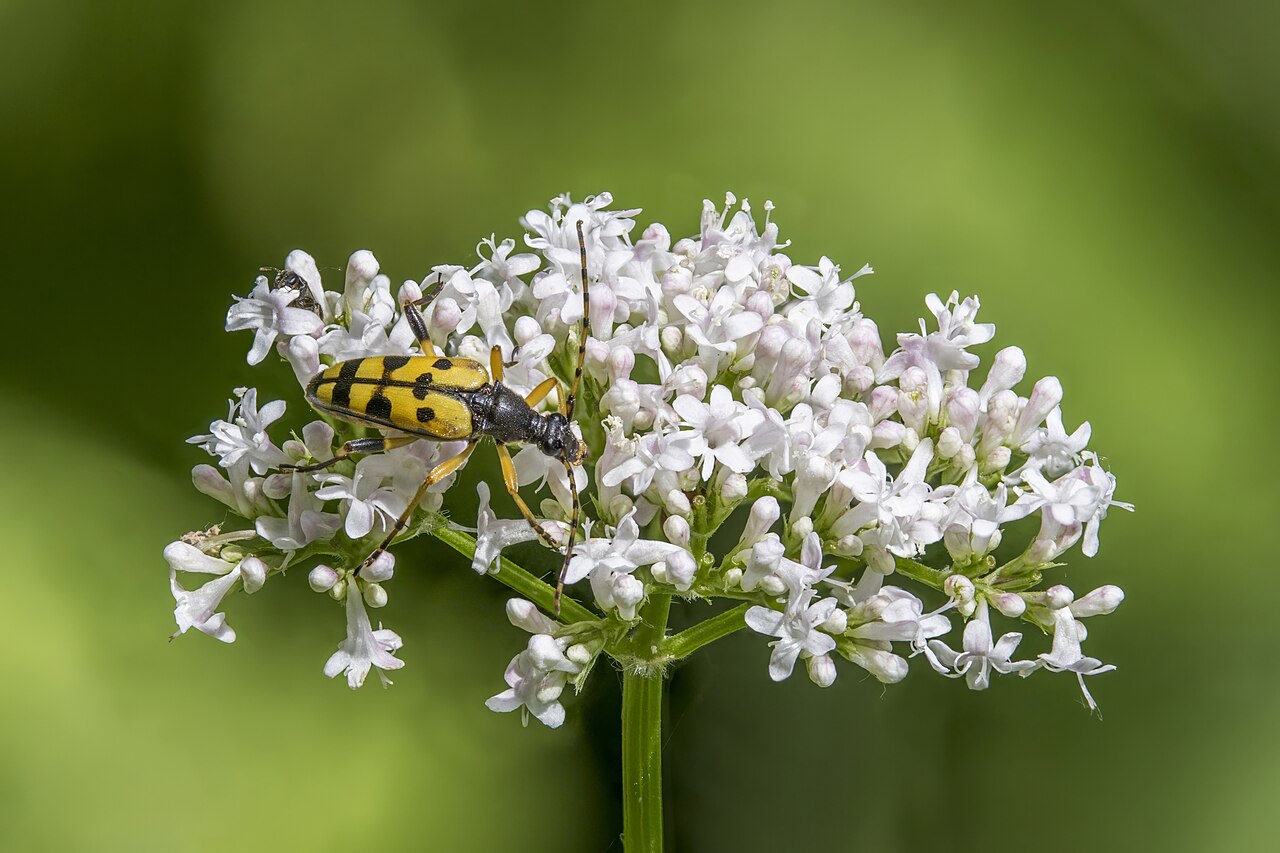
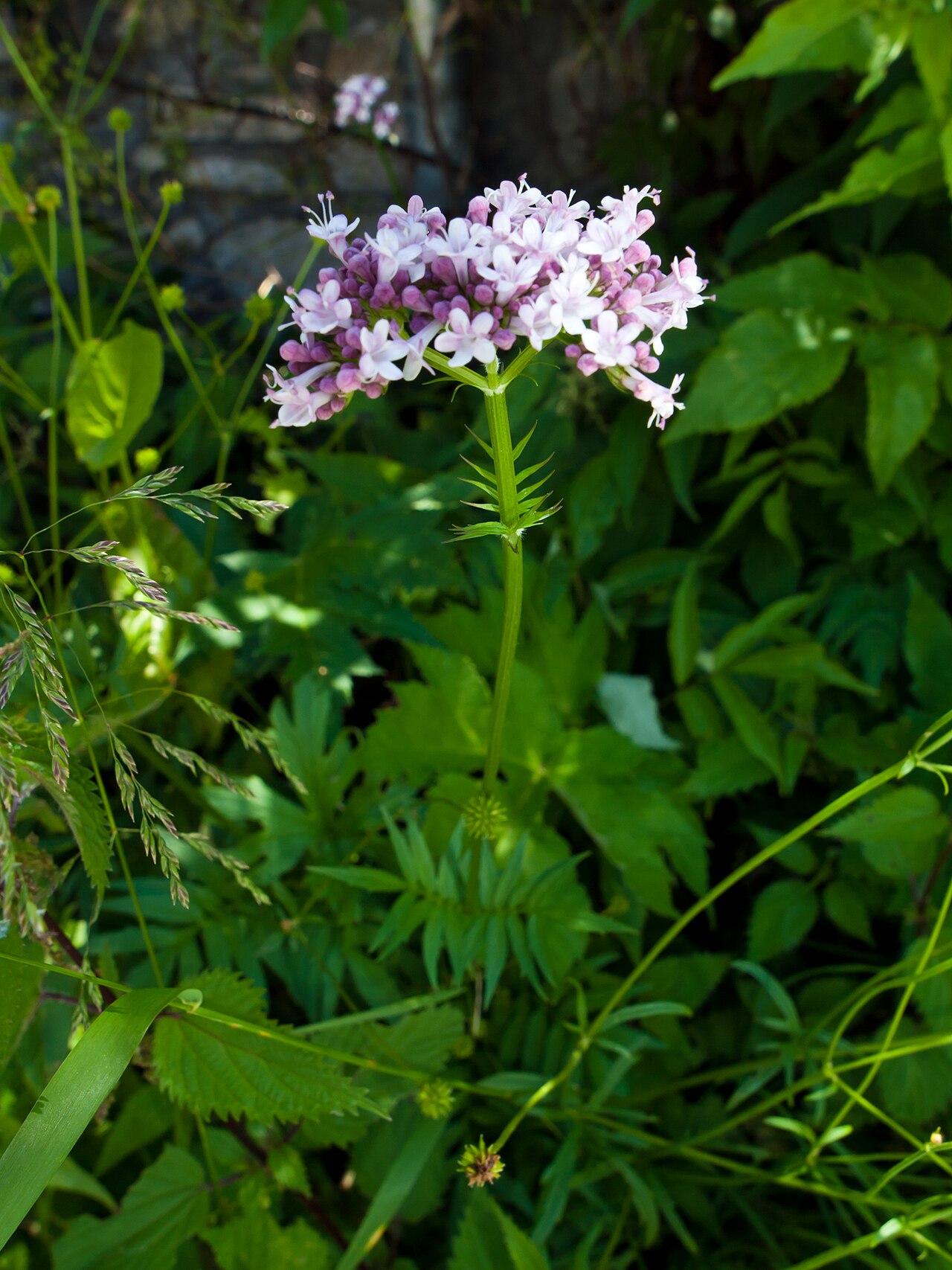
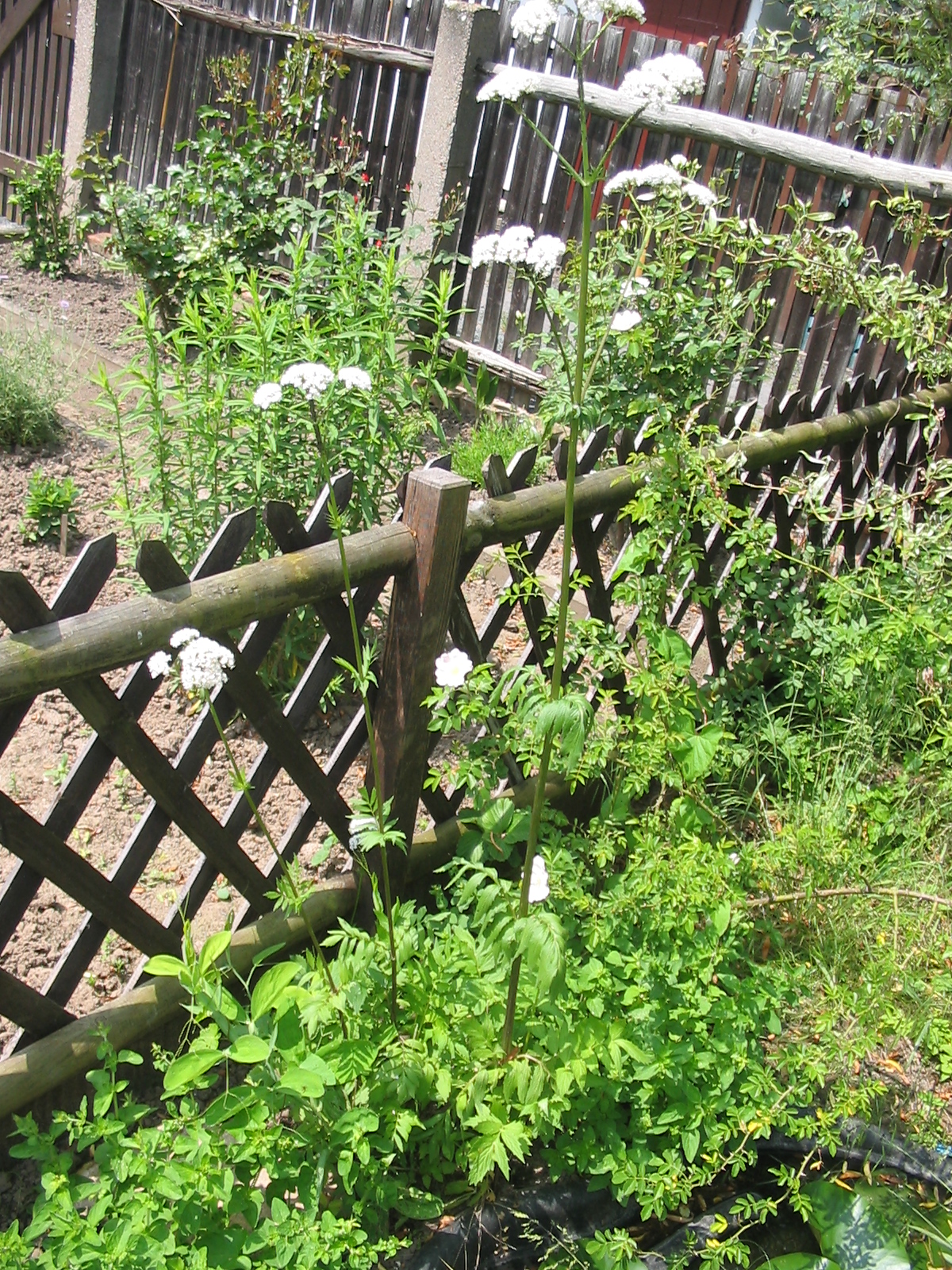
Why this variety
Polka is a thin-rooted valerian variety, the counterpart to Lubelski in field trials: lower root yields, but a higher content of active substances, including valerenic acid, the compound most associated with valerian’s traditional use. For a gardener growing valerian for quality rather than weight, Polka is the variety to plant, because a smaller harvest of stronger roots is worth more, in every sense, than a large harvest of weak ones.
Grow Polka like Lubelski: rich, moist, well-drained loam, part shade to full sun, tall stems at the back of the bed, and flowers that smell wonderful while the roots smell memorable. Harvest roots when dormant, dry them promptly and thoroughly, because valerian roots mold if dried slowly, and keep cats away from the drying roots, because cats roll in valerian the way they roll in catnip, and a cat in a drying tray is a mess.
If you are new to choosing between cultivars, the Varieties Matter guide explains why the name after the plant matters as much as the plant itself. Polka is a perfect example: it is not just a valerian in the abstract, it is a valerian with a specific job, a specific history, and specific strengths.
Florida framing, stated plainly: valerian is a North Florida trial, zones 4-9, and it wants cool, moist soil that Florida summers do not naturally provide. Give Polka afternoon shade, steady moisture, and rich soil, and expect early dormancy in heat, because valerian’s season ends when the cool weather ends.
How to grow
Start from fresh seed, less than a year old, indoors a month before transplanting, or sow outdoors in fall or early spring, covering seed lightly, because old valerian seed barely germinates. Set plants at the back of the bed in part shade to full sun and rich, moist, well-drained loam, work worm castings into the bed at planting, and space 36 inches apart. Water steadily, because drought makes valerian sulk and go dormant early, and fence plants if cats are enthusiasts, because cats roll in valerian.
Set plants 36 inches apart in soil with a pH around 5.5-7.0. Work worm castings into the bed at planting and mulch to hold moisture. A well-fed valerian plant rewards that care directly: steadier growth, better bloom or fruit, and a show that actually shows up.
Water & feeding
Keep soil consistently moist, about an inch to an inch and a half a week in dry weather; drought makes valerian sulk and go dormant early. Water at the soil line, mulch to hold moisture, and feed lightly: castings at planting plus a spring top-dress. Harvest roots when dormant, dry them promptly and thoroughly, and keep cats away from drying roots, because cats roll in valerian.
Common problems
- CATS — cats roll in valerian like catnip and wreck plants and drying trays; fence plants and dry roots where cats cannot reach.
- EARLY DORMANCY in heat — valerian goes dormant early in hot weather; in Florida, expect a short season, not a summer perennial.
- SELF-SEEDING — valerian self-sows freely; deadhead if you do not want volunteers, or edit seedlings in spring.
- MOLDY ROOTS if dried slowly — valerian roots mold when dried slowly; dry them promptly and thoroughly in a warm, airy place.
- SEED VIABILITY — old valerian seed barely germinates; use seed less than a year old, or buy fresh plants.
Harvest
Harvest roots in fall of the first year or spring of the second, when the plant is dormant, digging the whole root system and washing it thoroughly. Dry roots promptly and thoroughly in a warm, airy place, because slow drying molds them, and keep cats away from drying roots, because cats roll in valerian. Do not harvest heavily from young plants, because the plant needs its first season to establish, and do not use harvested root medicinally without talking to a clinician first.
Browse all plant & pest guides
Saving seeds
Polka is a thin-rooted valerian variety, the counterpart to Lubelski in field trials: lower root yields, but a higher content of active substances, including valerenic acid, the compound most associated with valerian’s traditional use. For a gardener growing valerian for quality rather than weight, Polka is the variety to plant, because a smaller harvest of stronger roots is worth more, in every sense, than a large harvest of weak ones. As an open-pollinated valerian variety it comes true from seed: start from fresh seed, less than a year old, indoors a month before transplanting, or sow outdoors in fall or early spring, covering seed lightly, because old valerian seed barely germinates. Set plants at the back of the bed in part shade to full sun and rich, moist, well-drained loam, and space 36 inches apart. The full method is in the Saving seeds section of the Valerian guide.