
American Hazelnut (Corylus americana)
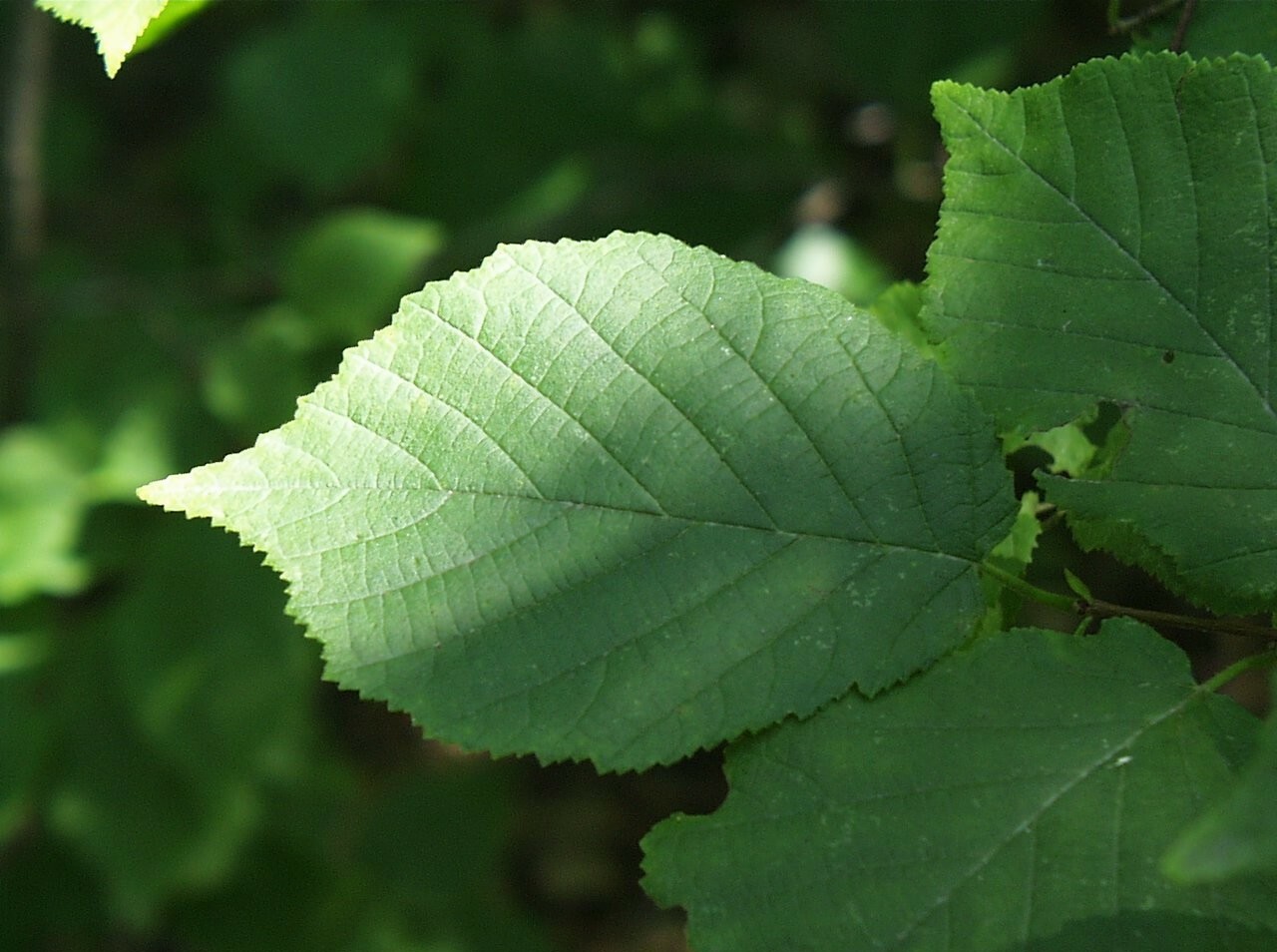

Quick Facts
- Type: shrub
- Size: 8-12 ft tall
- Sun: part
- Water: moderate
- Soil: Well-drained, loamy soils
- USDA zones: 7-8
Tasty native hazelnuts in frilly husks – if you beat the squirrels to them.
A panhandle thicket shrub; plant two for pollination and expect serious squirrel competition.
In the Landscape
Excellent for hedgerows, wildlife thickets, and native plant gardens. Let it sucker into a broad colony for maximum wildlife value, or thin the suckers to keep a tidier multi-stemmed shrub.
Care & Propagation
Plant in fall or spring in well-drained soil; it will not tolerate wet feet. Plant two or more for cross-pollination and the best nut crops, and give it full sun if nuts are the goal.
Sow fresh nuts in fall or cold-stratify them over winter and plant in spring. It also spreads by root suckers, which can be dug and divided to make new plants.
Wildlife Value
Squirrels, chipmunks, blue jays, turkeys, and deer compete for the fall nuts, while grouse and turkeys eat the male catkins through winter. Its leaves feed the caterpillars of over a hundred moth and butterfly species.
🌱 Fun fact: The genus name Corylus comes from the Greek word for 'helmet' — a nod to the hard shell guarding each nut.
← Browse all Florida native plants
🌴 In Florida
A panhandle thicket shrub; plant two for pollination and expect serious squirrel competition.
🌿 Keep exploring
More Florida natives worth meeting:
- Adam's Needle (Yucca filamentosa)
- Allegheny chinquapin (Castanea pumila)
- American Beautyberry (Callicarpa americana)
🪱 Your Soil Needs This
Reading about healthy soil is great. Growing in it is better. Our small-batch, traceable worm castings are the shortcut your garden deserves.
Shop Worm Castings Subscribe & SaveEvery bag comes with a lot certificate. Know what's in your soil.