
Greenhouse & Shade House in Florida Heat
Every greenhouse catalog photograph tells the same story: a smiling gardener in a sweater, in a glass house, in what is clearly Vermont, rescuing tender plants from a world of frost. Florida gardeners look at these photos the way penguins look at beach umbrellas. Our relationship with a covered structure is the photographic negative of the northern one: they build greenhouses to keep the cold out; we would build them, most months, to keep the sun from cooking everything inside them like a parked car. The Florida greenhouse paradox is real — the structure that saves a Minnesota tomato in April will murder one in Jacksonville in July — and this guide is about covered growing adapted to the truth of our climate: in Florida, you fight heat, not cold. Ventilation is the main event, shade is infrastructure, and for many growers the honest answer isn’t a greenhouse at all. It’s a shade house.
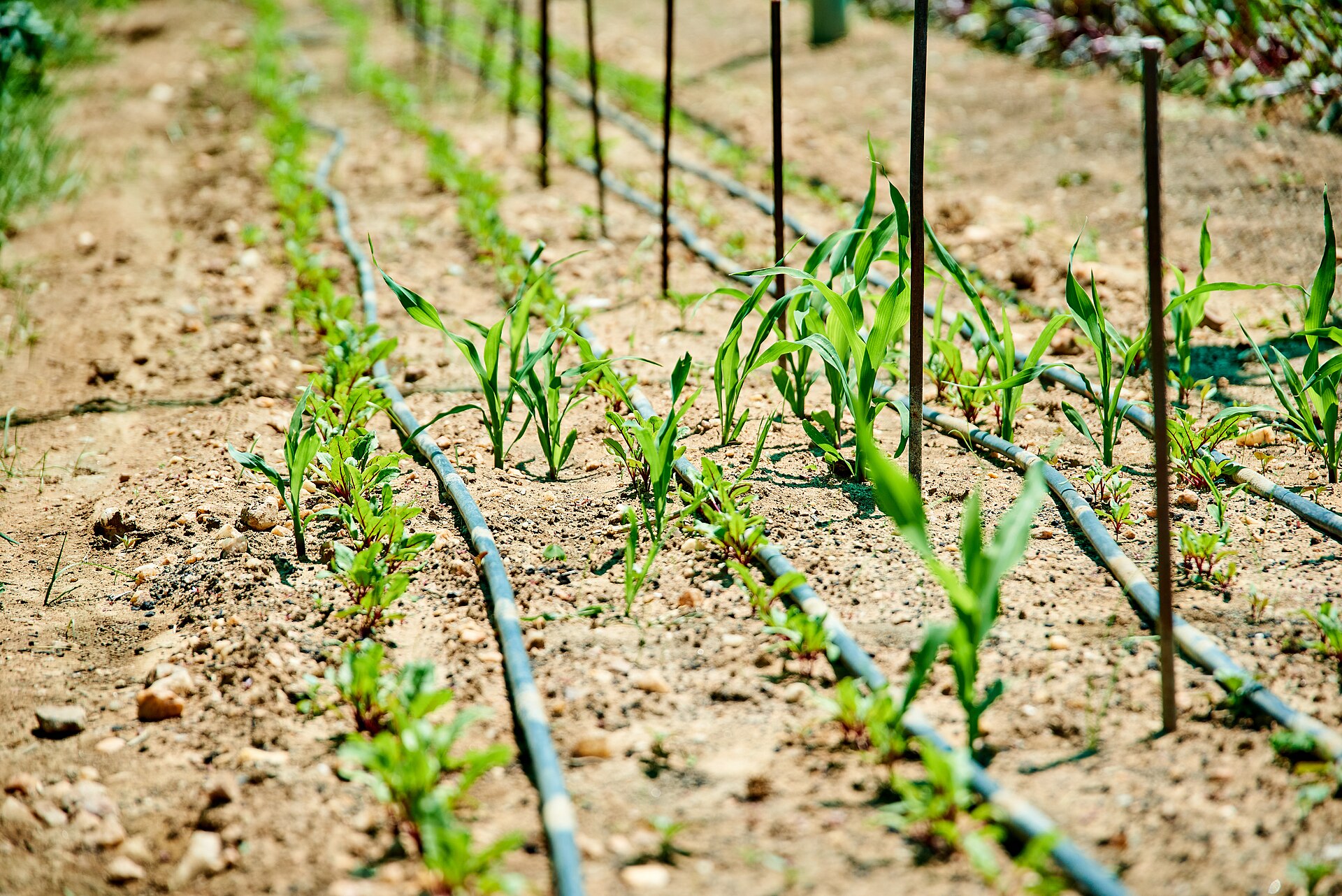
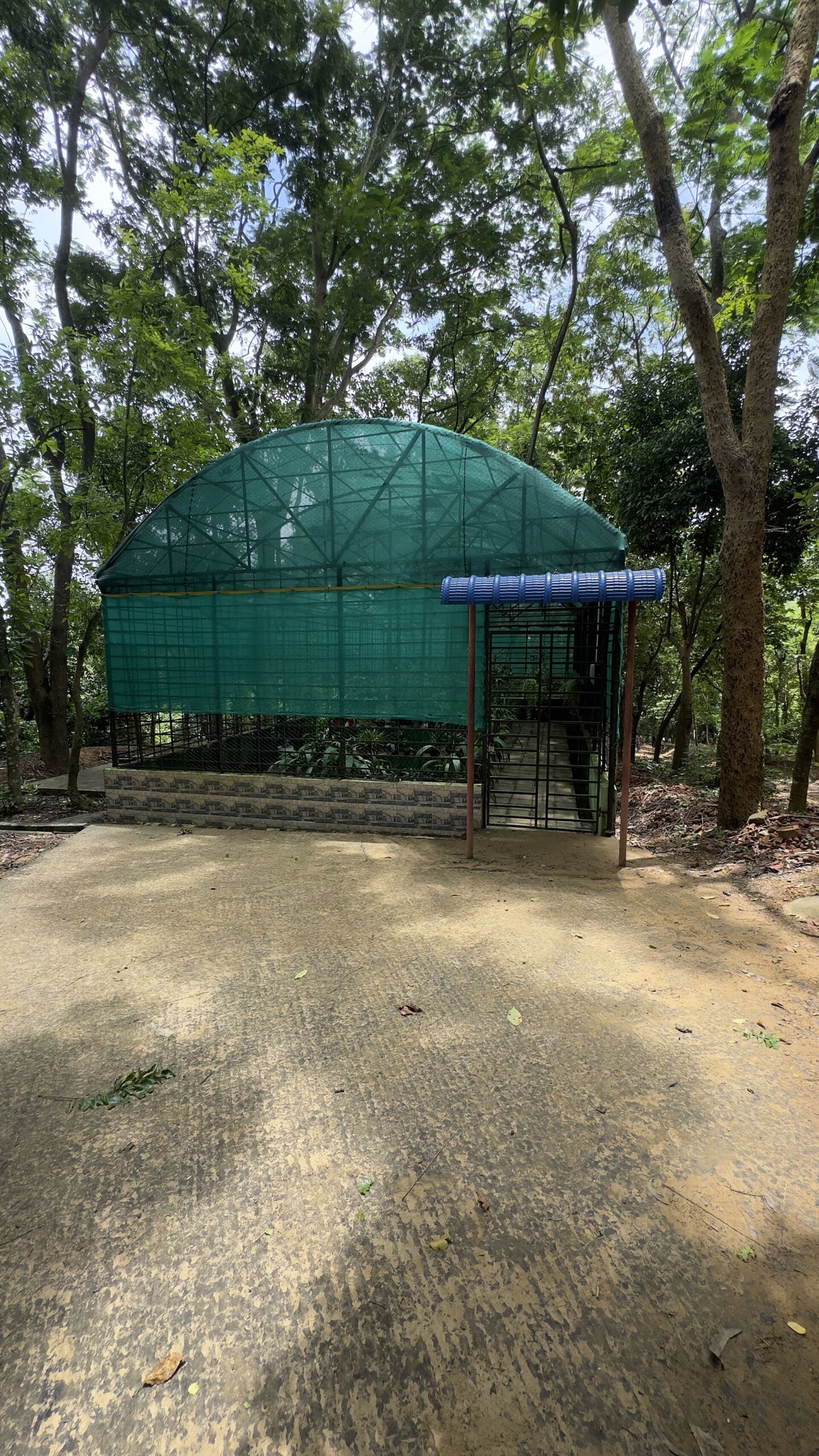
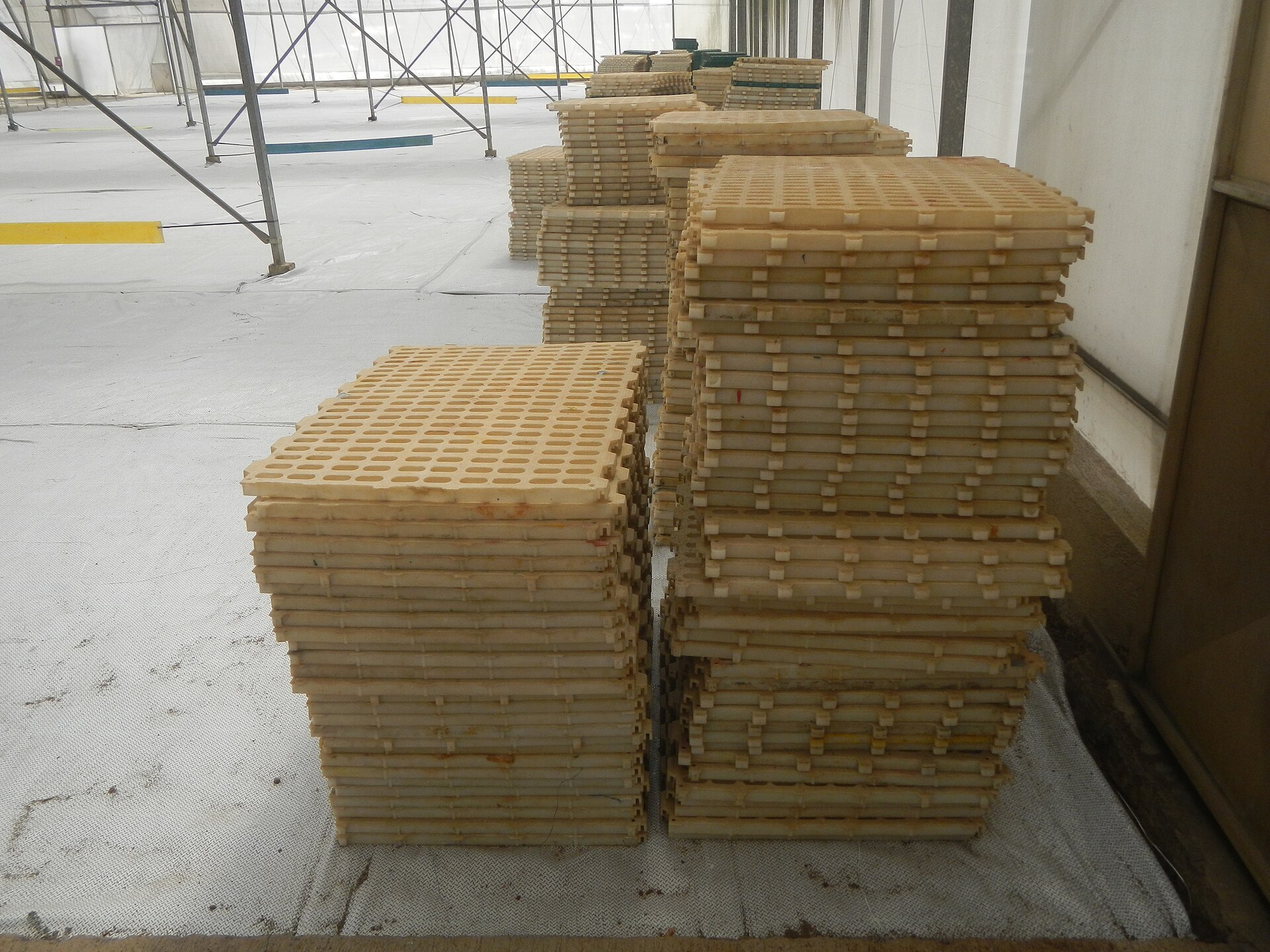
First Principles: A Greenhouse Is a Solar Oven With Plants In It
Glass and plastic glazing let sunlight in and slow heat’s escape; that’s the entire technology, and in Florida sun it’s a runaway effect. An unvented greenhouse here doesn’t get warm — it gets lethal, soaring past the temperatures plants can survive, on an ordinary spring day, by lunchtime. So the design hierarchy for Florida is upside down from the catalog:
- Ventilation first. Hot air rises, so the most valuable vents are at the ridge (the roof peak), with intake low on the walls — the chimney effect does free work every minute the sun shines. Roll-up sides are the budget hero: they turn a sealed oven into an open pavilion. Fans and exhaust systems are the powered upgrade, sized to actually exchange the house’s air, not stir it. A Florida greenhouse that cannot dump its heat is not a greenhouse; it’s a solar dehydrator with a door.
- Shade second. Shade cloth — knitted fabric rated by how much light it blocks, sold in a range of densities — is draped over or under the glazing and is, functionally, Florida’s primary temperature dial. Start lighter than your instincts say; plants under cover already lose some light to the glazing, and the goal is comfortable, not cave. Aluminized cloths reflect heat as well as blocking light and earn fans in our latitude.
- Glazing last. In Florida the glazing’s winter job barely exists. Many of our most successful covered structures use twin-wall polycarbonate for its diffusion and toughness (see “hurricane,” below) or skip rigid glazing for shade cloth and screen entirely.
Evaporative Cooling and the Humidity Bargain
The classic greenhouse cooling trick is evaporation: fan-and-pad systems pull air through wet pads; misters and foggers spray water into the air. Evaporation genuinely cools — it’s how sweat works — but it obeys a physical law with Florida’s name on it: evaporation only cools air that can still take up water. On a dry-climate afternoon, pads are miracles. In Florida’s summer soup, where the air arrives pre-humidified by the Gulf of Mexico, evaporation’s margin shrinks hard, and what the system reliably produces is wetness — wet foliage, wet surfaces, saturated air — which is a engraved invitation to the fungal diseases that already run this state. This doesn’t make evaporative tools useless here; misting seedlings and propagation benches is a legitimate joy. It makes them a bargain to strike consciously, in the well-ventilated months, rather than a default climate system. In Florida, moving air beats wet air almost every time.
Life Under Cover: The Fungal Reality
Cover changes the disease math in both directions. The wins are real: rain doesn’t hammer foliage (many leaf diseases spread by splashing water and need wet leaves to infect, so a roof is a disease intervention all by itself), and you control the irrigation entirely. The costs are equally real: any humidity that gets in tends to stay, still air lets spores settle and germinate undisturbed, and a crowded bench under cover is a fungal convention center. The management is unglamorous and total: space plants for airflow like you mean it, run fans for circulation even when cooling isn’t needed (moving air is a fungicide made of weather), water the soil and not the leaves, and scout under cover more often than outside, because problems in a warm, still, humid box move faster than problems in the open wind. The greenhouse doesn’t remove the Florida disease triangle; it lets you hold two of its corners — moisture and airflow — in your hands. Hold them.
The Shade House: Florida’s Honest Default
Now the confession this guide exists to make. For a large share of Florida growing goals — orchids, seedlings, container collections, tropicals, a nursery bench, summer production of anything tender — the best structure is not a glazed greenhouse at all. It’s a shade house: a frame roofed and sided with shade cloth or screen, open to the breeze, immune to overheating by design. It cuts the sun’s violence, knocks down the wind, breaks the rain’s fall, and never once becomes an oven, because there’s nothing to trap the heat with. It is the screened porch of plant structures, and like the screened porch, it is the Florida-native answer that newcomers overlook while shopping for the northern one.
Siding a structure in fine insect screen upgrades it further, into genuinely professional territory: screen excludes insect pests physically, which is the entire principle behind the protective screen structures Florida’s citrus industry adopted against the psyllid that spreads citrus greening. A home-scale screened house applies the same logic to the home nursery’s most vulnerable citizens — seedlings and young plants get a childhood free of caterpillars, leafminers, and the spray decisions they provoke. (The beekeepers will note the corollary: screens exclude pollinators too, so anything flowering for fruit under screen needs hand-pollination or scheduled visiting hours. Physics gives; physics itemizes.)
What “Season Extension” Means at This Latitude
In Vermont, a greenhouse buys spring in March. In Florida, covered growing buys three different, stranger things:
- Summer mercy. Shade and rain cover let heat-sensitive crops — and heat-sensitive gardeners — keep some production going in the months when open sun is a contact sport. Lettuce under shade cloth in a Florida summer is still a negotiation with bolting, but it’s a negotiation instead of an obituary.
- Winter insurance, by the night. Our cold arrives as events, not seasons — a handful of frost or freeze nights, mostly in the northern two-thirds of the state. A covered structure plus a cover-within-the-cover (frost cloth over the benches on the bad nights) carries tropicals and seedlings through events that would end them in the open. You’re not heating a season; you’re body-blocking a few specific nights, and a structure makes that cheap.
- A head start and a long goodbye. Seedlings started under cover ahead of the spring window, and warm-season crops nursed a few weeks deeper into fall in the south — the calendar stretches at both ends, modestly and honestly.
Hurricanes: The Section Every Florida Structure Owes You
A covered structure in Florida is a kite with a mortgage unless it’s anchored and planned for storm season. The non-negotiables, in general terms: the frame anchored to the ground or a slab as the manufacturer specifies (a structure sitting on its own weight is a rumor); polycarbonate and glazing secured so panels can’t become the neighborhood’s least welcome flying objects; a written storm plan you can execute in an afternoon — what gets removed (loose shade cloth may be safer off than on, per the maker’s guidance), what gets moved inside, where the benches’ contents go; and valuable plants triaged in advance, because the time to decide which orchid is irreplaceable is June, not during the cone of uncertainty. Our Hurricane Garden Prep & Recovery guide covers the yard-wide version of this thinking; the structure gets its own paragraph in your plan because it’s both the most vulnerable asset and the shelter for everything else.
Growing in It: Containers, Benches, and Living Soil Under a Roof
Under cover, most Florida growing is container growing — benches of pots in real potting mix, fertigated or fed on the container program (our Container Gardening Guide is the operating manual) — and that’s a feature: portability for storm prep, isolation for a sick plant, exact water control. Ground beds inside a structure are possible but import the soil questions wholesale, with worse airflow; the bench-and-pot system is the honest default. One practice crosses over from the open garden unchanged and matters even more indoors: biology. A living potting mix — castings included at the rates we use for containers and seedlings — gives container plants under cover the same microbial support crew they’d get outside, in the place where their entire world is twelve inches wide and entirely your responsibility. Under a roof, there is no ecosystem arriving as a volunteer. Whatever lives in that pot, you hired. Hire well.
Build the Florida version of the dream, then: ridge vents like you mean it, shade cloth on a dial, screen on the sides, fans humming, and a storm plan in a drawer. Let Vermont keep its sweater weather. Ours runs twelve months a year, and with the heat engineered out, so does the garden — see Florida Growing Seasons One last piece of fieldwork before you spend a dollar: go stand in a working Florida shade house at a local nursery on a bright August afternoon, then step back outside into the full sun. That ten-degree, ten-decibel difference — calmer air, quieter light, plants visibly unbothered — is the entire sales pitch, delivered in the only language that never exaggerates: weather, experienced personally, at noon. Bring a notebook; you will come home with measurements, opinions, and a structure half designed in your head already.
Siting and Sizing, Before the Kit Arrives
Put the structure where the utilities are: water within a hose’s honest reach, power within an extension cord’s legal one — fans, vents, and your future self’s sanity all run on those two lines. Think about your own shade map across the day: a structure tucked where a big oak steals the 3 p.m. blast has free cooling built in, provided the same oak isn’t raining limbs in storm season or dripping the light below what your crops accept — in Florida the difference between “afternoon mercy” and “permanent gloom” is one tree’s opinion, so watch the spot through a full day before you commit. Drainage matters as much as sun: a structure sited in the yard’s natural puddle will grow algae floors and fungus with an enthusiasm your plants can’t match, so grade the pad, gravel the floor, and let water leave like a guest who knows the party’s over. Size honestly: the consistent testimony of covered growers is that nobody wishes they’d built smaller, and the consistent arithmetic is that heat load, cost, and storm exposure all scale with volume — buy the size your actual bench list needs, not the size in the catalog photo with the sweater. And check your local rules the way the beekeepers do: many Florida jurisdictions and HOAs have something to say about accessory structures, setbacks, and permits. Learn it in the planning month, not from a letter.
The Propagation Bench: The Highest-Value Square Footage You Own
If the structure has one room to build first, it’s the propagation corner — a bench with shade, gentle mist or faithful hand-watering, and room for trays of cuttings and seedlings in their most fragile fortnight. Covered propagation removes the three assassins of the outdoor cutting — the drying wind, the battering thunderstorm, the direct-sun hour you forgot — and replaces Florida’s chaotic nursery weather with the steady humidity cuttings dream about (the techniques themselves live in our Propagation Guide; this is their ideal housing). It’s also where a small structure justifies itself fastest: a season’s worth of transplants for the whole garden can cycle across a single bench, and the bench doesn’t care that it’s January in the rest of the state. Gardeners planning a shade house “someday, for the collection” should be told the truth early: the collection will be fine anywhere. Build it for the babies.
Troubleshooting the Covered Garden
- Everything’s fine, then a tray of seedlings is dead by noon. The classic covered-structure kill: a sunny morning, vents closed or fans off, and a structure doing its oven impression on the most tender plants you own. Seedlings have no reserves and no vote. The fix is systems, not vigilance — vents that open on temperature or timers you trust, because the day you forget is already on the calendar.
- Whiteflies and aphids are worse inside than out. You built a paradise and excluded its predators. Under cover, pest insects arrive as hitchhikers and find no ladybugs in residence — biological control doesn’t volunteer indoors; it must be hired (released beneficials are a real industry under cover) or replaced by your own scouting, sticky cards, and prompt removal of infested plants. Screen on the intakes is the tier-one answer, as the citrus industry could tell you.
- Green slime on the floor, the pots, everything. Algae — harmless to plants directly, honest as a symptom: constant wet plus light plus fertilizer runoff. Improve drainage, let surfaces dry between waterings, ease up on the feed. It’s the structure telling you the humidity budget is being spent carelessly.
- White crust on pot rims and leaf edges burning. Salt buildup, the container grower’s tax: fertilizers and our mineral-bearing water leave salts behind every time a pot dries. Under cover there’s no rain to forgive you. Periodically water deeply enough to flush the pot through, and let it drain — leaching is not waste here, it’s rent.
What Earns Bench Space First
Bench space is the scarcest resource in the structure, so spend it by value. First, the babies: seedlings and cuttings, whose whole survival math changes indoors — this is the bench that feeds every other bed you own. Second, the tender collection: orchids, tropicals, and anything whose Florida problem is a single freeze night or a single July — under shade and screen, their enemies list collapses to the ones you can manage. Third, the high-value vegetables in their hard season: tomatoes and peppers under screen, growing through windows where the open garden is a pest-and-fungus casino, trading a little light for a whole season of lower drama. Last, and on probation, the space hogs: anything big, cheap, and happy outside doesn’t get a bench just because the bench exists. The structure’s economics are the garden’s economics in miniature — scarce room, honest accounting, and a waiting list that keeps everyone’s ambitions where the vents can reach them.
🌱 Keep learning
Run the benches with the Container Gardening Guide, prep the structure with Hurricane Garden Prep & Recovery, plan the year with Florida Growing Seasons, and find the rest of the collection at the Living Root Academy.
🪱 Your Soil Needs This
Reading about healthy soil is great. Growing in it is better. Our small-batch, traceable worm castings are the shortcut your garden deserves.
Shop Worm Castings Subscribe & SaveEvery bag comes with a lot certificate. Know what's in your soil.