
Every Florida gardener knows the summer slump: the spring garden fades, the heat arrives, and half the plants file for vacation. Southern peas do not file for anything. Cowpeas and black-eyed peas love Florida summers — heat, humidity, poor soil, neglect — and they pay you back in protein while improving the ground they grew in. This is the bean that feeds the soil while it feeds you.
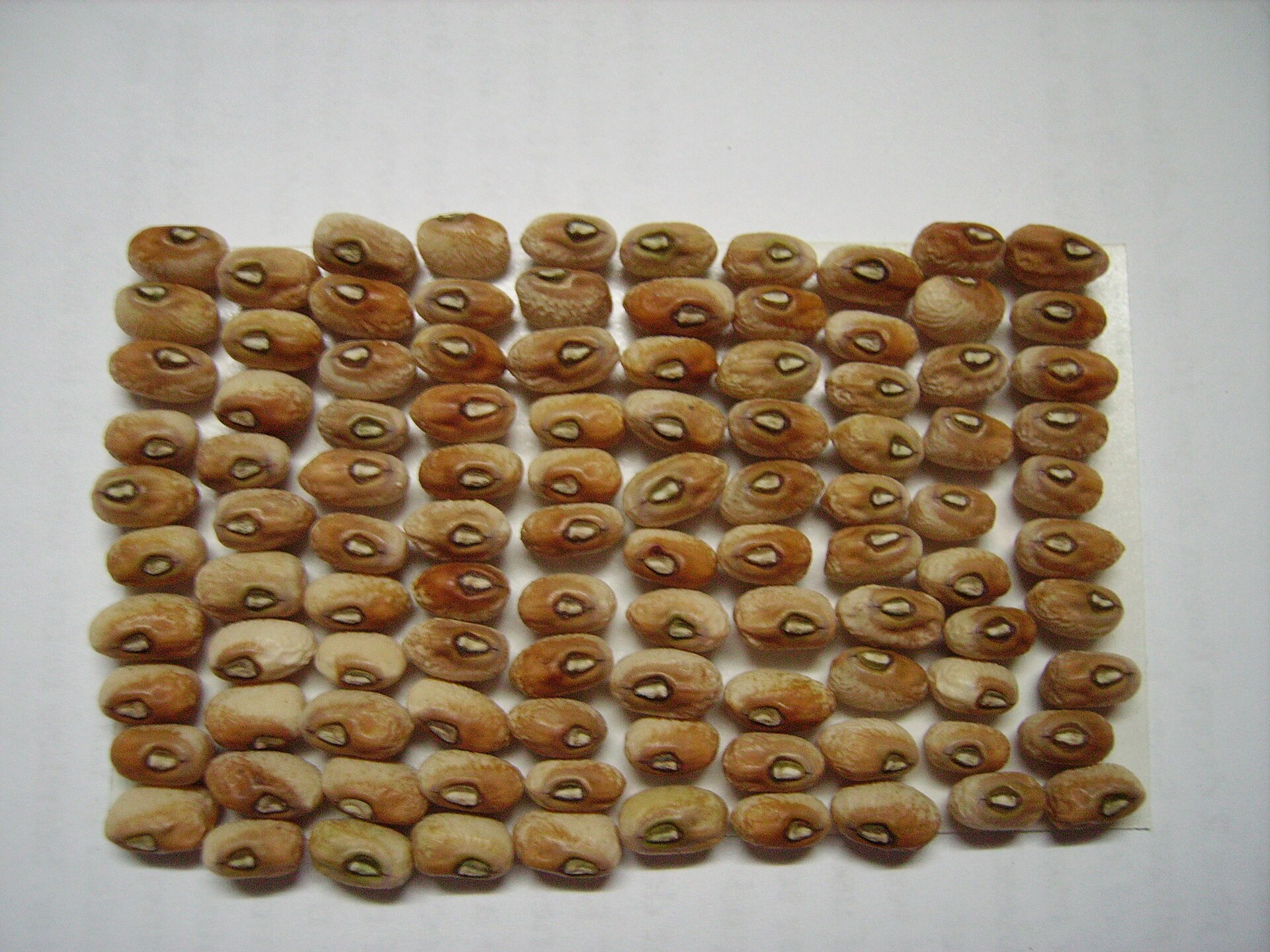
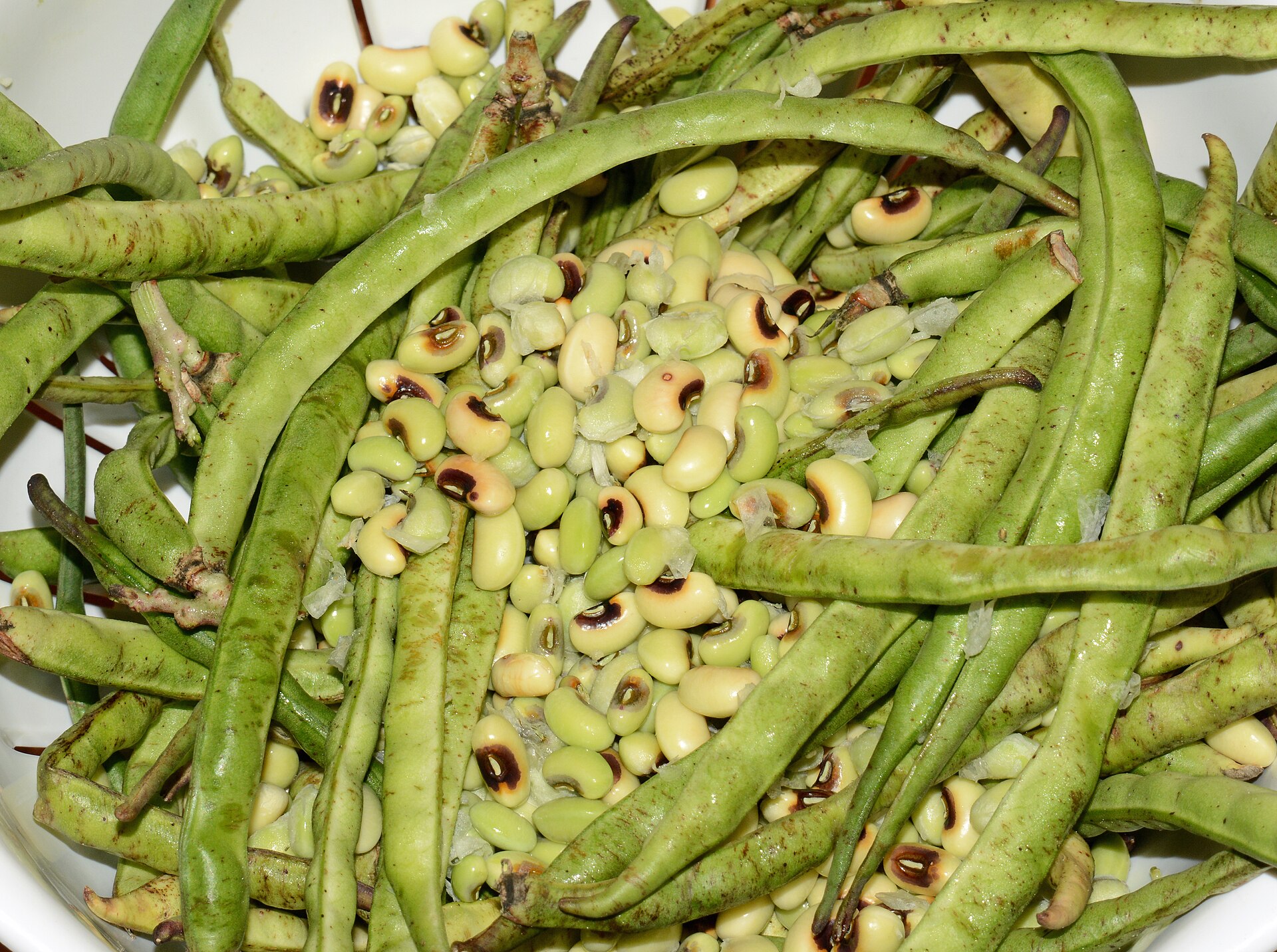
First, the family: southern peas are cowpeas (Vigna unguiculata), not the green peas of spring (Pisum sativum). Black-eyed peas are the famous one, but the family is bigger — crowders, cream peas, purple hulls, all the same species, all heat-loving. If a pea has an eye or a hull color in its name, it is probably a cowpea, and it probably wants to grow in your yard right now.

The soil science (this is the good part)
Cowpeas are legumes, which means they run the same root-nodule trick as clover: rhizobium bacteria live in nodules on their roots and fix nitrogen straight from the air. The plant feeds the bacteria sugar; the bacteria hand back nitrogen the plant can use. When the season ends and the roots break down, some of that nitrogen stays in the soil for the next crop. Growing peas is fertilizing — slowly, honestly, and without a bag.
The nutrition science is just as neat: beans plus rice make a complete protein. Neither one alone has all the essential amino acids in the right proportions, but together they cover each other’s gaps. That is why peas-and-rice dishes exist in every hot climate on Earth — it is not tradition for tradition’s sake, it is biochemistry that tastes good. Add iron and folate to the list, and you have a summer crop that is genuinely feeding people, not just filling plates.
Growing tie-in (the short version)
Plant in spring through summer, in full sun, in soil other crops would sulk in. Pick young pods for fresh shelling when the peas inside have filled out, or let pods dry on the vine for dried peas. Succession-plant every few weeks and the harvest keeps coming. That is it. Cowpeas do not need coddling, which is half their charm.
Three ways to cook them
1. A pot of peas (the foundation)
For 1 pound of dried peas: rinse, cover with water, and simmer — no overnight soak required for southern peas, though a quick soak never hurts — with an onion, garlic, and smoked turkey or a ham hock if you eat meat, or just onion, garlic, and a good glug of olive oil if you don’t. Simmer 45–60 minutes until tender. Salt toward the end. The broth this makes — potlikker, thin and savory and full of everything the peas gave up — is not a byproduct. It is half the point. Serve peas over rice with a ladle of potlikker, and you have hoppin’ John without the ceremony.
2. Hoppin’ John (the classic)
Peas plus rice plus onion plus pepper, cooked together until the rice drinks the potlikker. Traditionally eaten on New Year’s Day for luck, but luck should not have to wait for January. The rule is simple: one part peas to roughly one part rice by volume once the peas are cooked, seasoned boldly, with hot sauce on the table for those who want it. It is peasant food in the best sense — cheap, complete, and better the next day.
3. Fresh shelled peas (the summer treat)
When pods are full but still green, shell them and simmer the fresh peas 20–30 minutes in salted water with butter — or just butter and a little onion. Fresh peas are sweeter and more tender than dried, and they cook fast. This is the version to eat standing at the stove, testing for doneness, telling yourself you are quality-controlling. You are. Quality control is important.
Dried vs fresh (know which you have)
Dried peas are the pantry staple: shelf-stable for a year or more, cooked low and slow, deep and earthy. Fresh peas are the seasonal prize: sweet, quick, gone too soon. Both come from the same plant at different moments. Grow enough for both — eat fresh in summer, dry the rest for winter, and your summer garden feeds you twice.
And when the pot is empty, the plants are not done: chop the spent vines into the compost or let the roots rot in place, and the nitrogen they fixed stays in the bed. Beans in soup are dinner; beans in the ground are next season’s fertilizer. Our Stone Soup Formula puts peas and beans exactly where they belong — in the pot, with everything else the garden gave you.
🌱 Keep learning
Three related guides worth reading next:
- Grow Your Own Kitchen Garden — A kitchen garden is exactly what it sounds like — dinner, steps from the door.
- The Companion Planting Guide — Which plants help each other — and which combinations to avoid.
- Tomatoes Are Thirsty Drama Queens — A hydration intervention for the thirstiest plant in your garden.
🪱 Your Soil Needs This
Reading about healthy soil is great. Growing in it is better. Our small-batch, traceable worm castings are the shortcut your garden deserves.
Shop Worm Castings Subscribe & SaveEvery bag comes with a lot certificate. Know what's in your soil.