
🍈 African Pride Atemoya
What it looks like
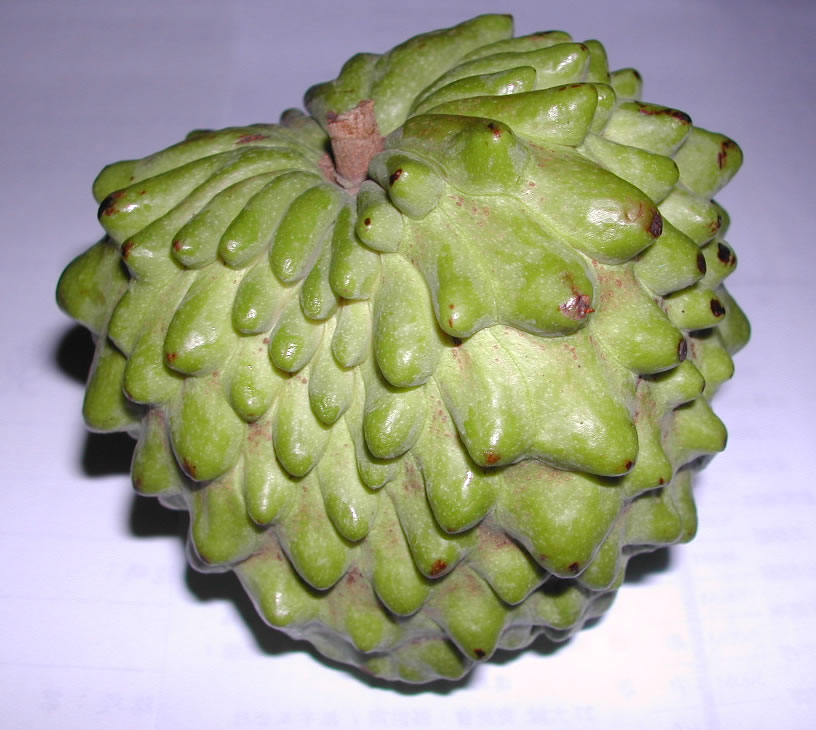
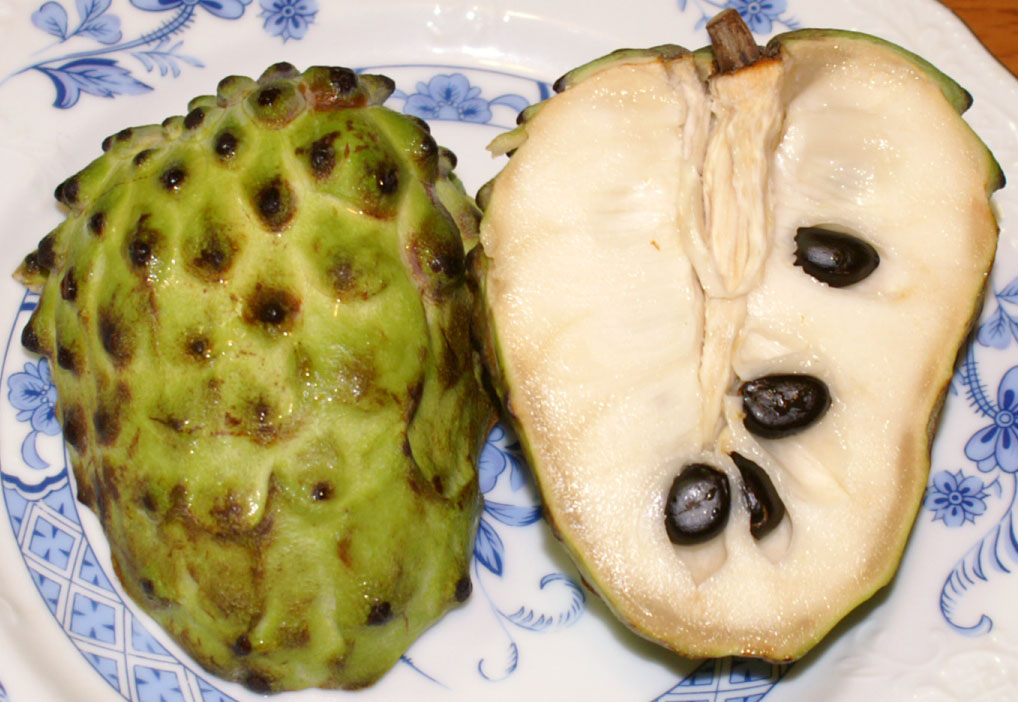
Why this variety
‘African Pride’ is the Australian atemoya that made its way into South Florida nurseries and stayed there — also sold under the name ‘Kaller’, which is the same cultivar wearing a different label, so do not buy both thinking you are getting two trees. The fruit is sweet and smooth, a classic atemoya custard with fewer of the gritty cells that can spoil a lesser annona, and the tree is a steady, productive bearer once established.
Compared with ‘Gefner’, ‘African Pride’ is the connoisseur’s second opinion: similar reliability, a slightly different custard character, and a tree that some growers find a touch less firm-fleshed. Planting both is a legitimate strategy — different ripening windows, a built-in taste test, and cross-pollination insurance for the whole annona corner of the yard.
How to grow
Here is the honest Florida part first: like all atemoyas, ‘African Pride’ is damaged below freezing and belongs in South Florida’s coastal counties or a protected microclimate further north. It tolerates heat and humidity well — better than pure cherimoya, which is the whole point of the hybrid — but a hard freeze is still its enemy, so keep frost cloth and a warm wall in the plan.
Plant grafted, in well-drained soil in full sun, and prune to a pickable height. ‘African Pride’ benefits from hand-pollination more than ‘Gefner’ does: if fruit set looks light, try the evening-pollen, morning-flower routine for a season and compare. Thin over-set branches so the remaining fruit sizes up instead of the tree producing a crowd of runts.
Water & feeding
Water deeply but infrequently once established — a long soak that reaches the root zone, then a drying interval, beats daily sprinkles that keep the surface wet and the roots shallow. Young trees need steady water for their first year or two; mulch 3-4 inches deep (kept off the trunk) to hold moisture in sandy soil. Feed with worm castings worked into the mulch ring a few times a year plus a balanced citrus/tropical-fruit fertilizer on the schedule your local extension recommends — and go easy on nitrogen, which grows leaves at the expense of fruit.
Common problems
- Freeze damage — damaged below freezing; plant in the warmest microclimate and cover young trees on cold nights.
- Light fruit set without pollination help — hand-pollinate if crops are sparse; it is a ten-minute dawn job that pays in pounds.
- Root rot from wet feet — well-drained soil only; never plant where water ponds.
- Fruit rot and pests on overripe fruit — pick at maturity and ripen indoors; do not leave soft fruit hanging.
Harvest
Pick ‘African Pride’ when the fruit yields slightly to pressure and the skin loosens between its bumps, then ripen a few days indoors for the cleanest custard texture. Fruit left to go soft on the tree bruises, splits, and invites every fruit fly in the neighborhood.
Eat fresh and chilled with a spoon — this is not a cooking fruit, it is a dessert that happens to grow on a tree. Fall ripening in South Florida makes it a welcome arrival after the summer fruit glut.
Browse all plant & pest guides
Saving seeds
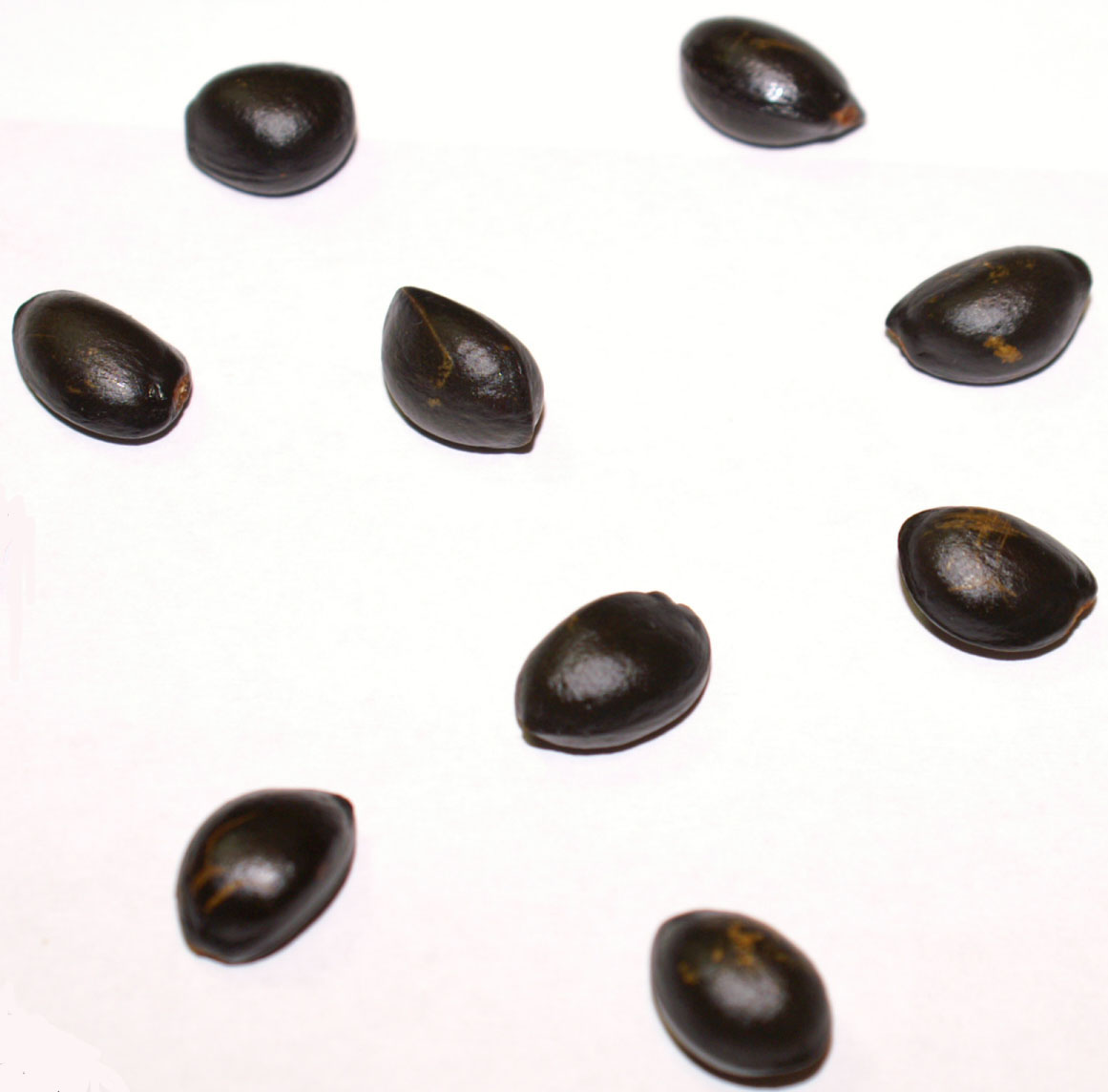
African Pride is a grafted cultivar, so seed saved from its fruit won’t come true — buy a grafted tree. The Propagation section of the Atemoya guide covers the vegetative methods.