
🍈 Atemoya
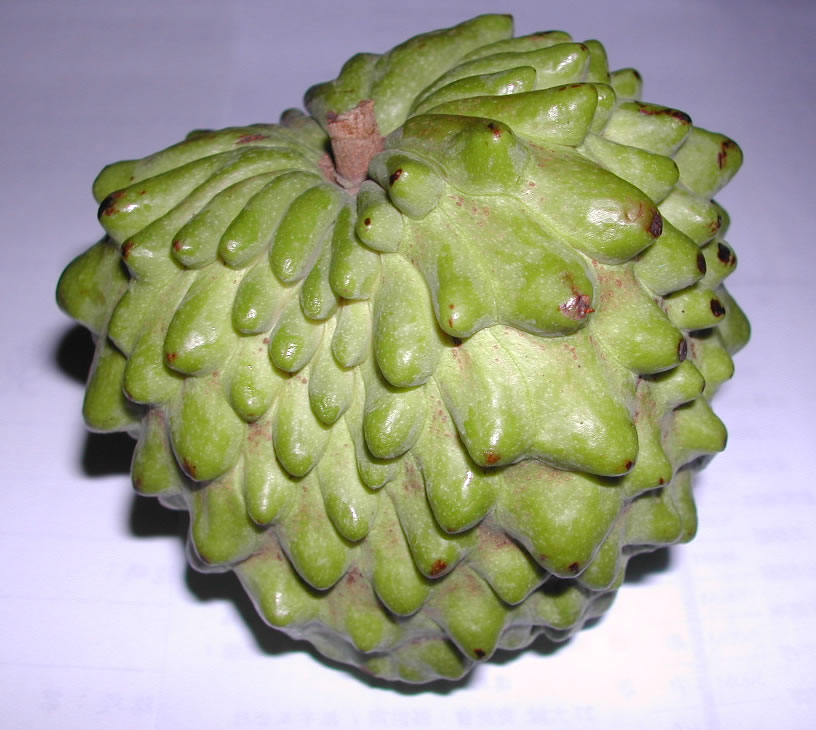
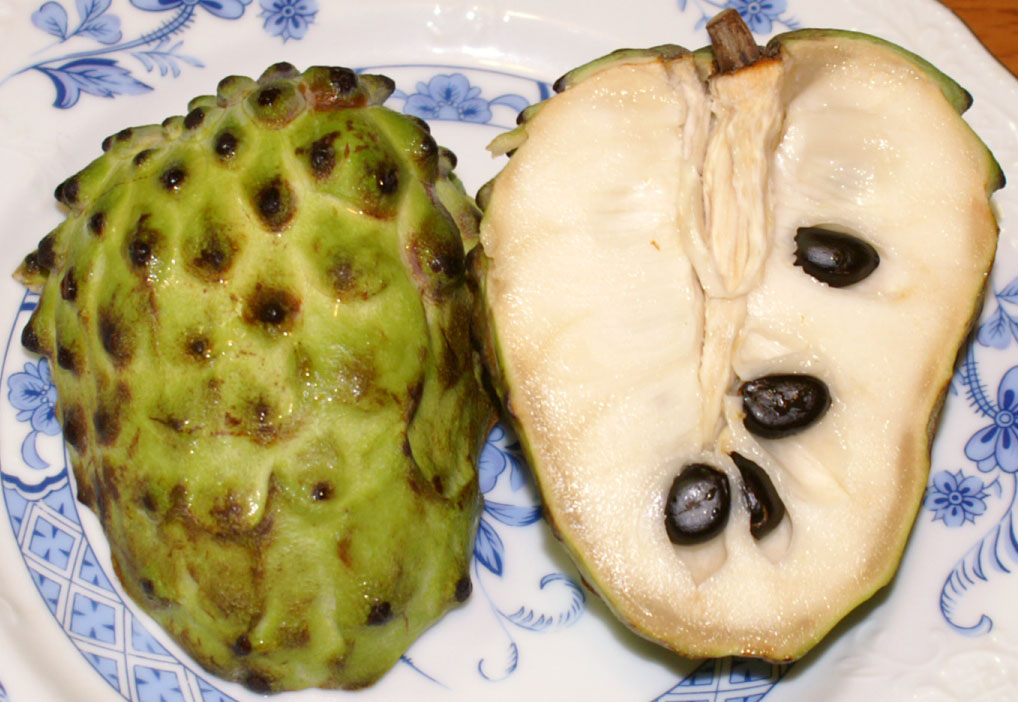
What it looks like
How to grow
Atemoya is a deliberate hybrid — cherimoya crossed with sugar apple — bred to combine the cherimoya’s flavor with the sugar apple’s heat tolerance and productivity. ‘African Pride’ and ‘Gefner’ are the classic varieties; ‘Gefner’ is notable for setting fruit well without hand-pollination, which makes it the friendliest Annona for a home grower. Plant in spring in rich, well-drained soil, in a sheltered spot protected from hard frost — atemoya tolerates light cold better than sugar apple but is still a subtropical tree. Prune in spring to an open shape and to keep the tree pickable. Like its parents, atemoya benefits from hand-pollination in many regions, but it is less dependent on it than cherimoya, which is the whole point of the hybrid.
Water & feeding
Consistent moisture during growth and fruiting; atemoyas drop fruit in drought and rot in waterlogged soil. Mulch thickly and feed in spring and midsummer. Protect young trees from frost with cloth on cold nights.
Common problems
- Frost on young trees — plant sheltered and cover on cold nights
- Variable fruit set without hand-pollination — ‘Gefner’ is the exception, not the rule
- Fruit splitting after irregular watering
- Scale and mealybug — treat with horticultural oil
Harvest
Pick when the fruit gives slightly and the skin has lightened — ripen indoors for a few days until soft and fragrant, like an avocado. Eat with a spoon, avoiding the seeds, or blend the flesh into smoothies and ice cream.
Browse all plant & pest guides
Propagation
Atemoya is a hybrid — a deliberate cross between sugar apple (Annona squamosa) and cherimoya (Annona cherimola) — and that single fact drives everything about how you multiply it. Seeds from a named atemoya will grow into atemoya trees, but they will not reliably grow into the same atemoya. A seedling of ‘Gefner’ is not a Gefner; it is a genetic reshuffle, and its fruit, years down the line, may be better, worse, or simply different. That is why every named cultivar in the nursery trade is grafted, not seed-grown.
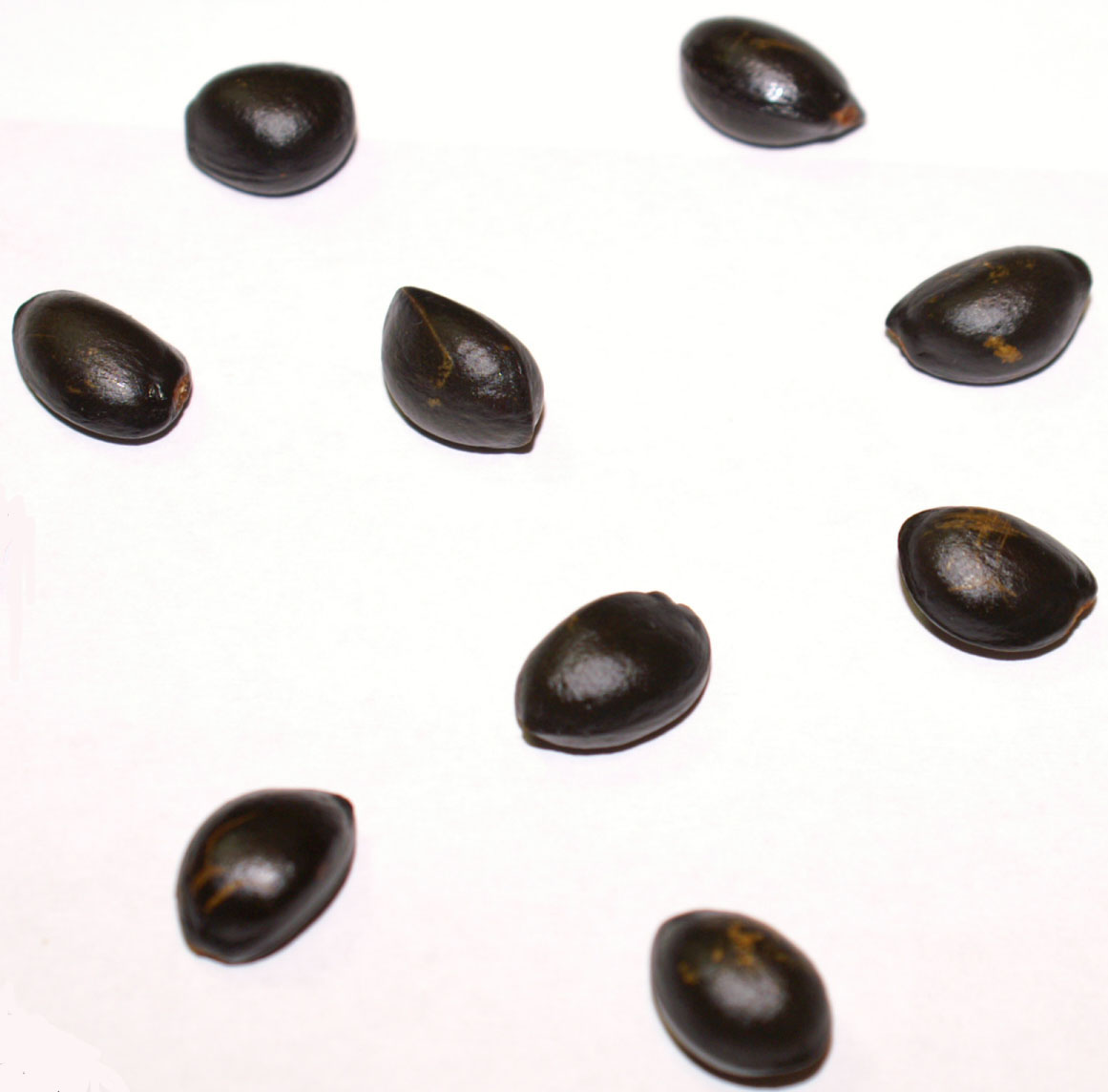
Seed still has a job: making rootstock. Save seeds from fully ripe fruit, rinse off all pulp, and sow them fresh in warm, moist mix — atemoya seed germinates best before it dries out, generally within a few weeks. Grow the seedlings on for a year or so until their stems are sturdy, then graft scion wood from the cultivar you actually want onto them. In Florida, sugar apple is the usual rootstock, and grafting is typically done in spring: whip-and-tongue grafts on young stock, cleft or bark grafts when top-working an older tree. As with any graft, line up the cambium layers precisely and keep the union snug until it takes.
One safety note: atemoya seeds are toxic — they contain annonacin and related compounds — so never eat them, and keep them away from children and pets while handling fruit. The flesh is the food; the seeds are planting material, nothing else. And if grafting sounds like more surgery than you signed up for, buying a grafted tree is how most Florida growers get a known cultivar — no genetic lottery, no years of suspense.
Varieties
Every named variety of Atemoya with its own growing guide:
- Gefner Atemoya — The atemoya that fruits without hand-pollination: firm, sweet custard flesh on a tree Florida extension recommends by name.
- African Pride Atemoya — The Australian atemoya also sold as 'Kaller': sweet, smooth custard fruit on a reliable South Florida tree.