
🍈 Gefner Atemoya
What it looks like
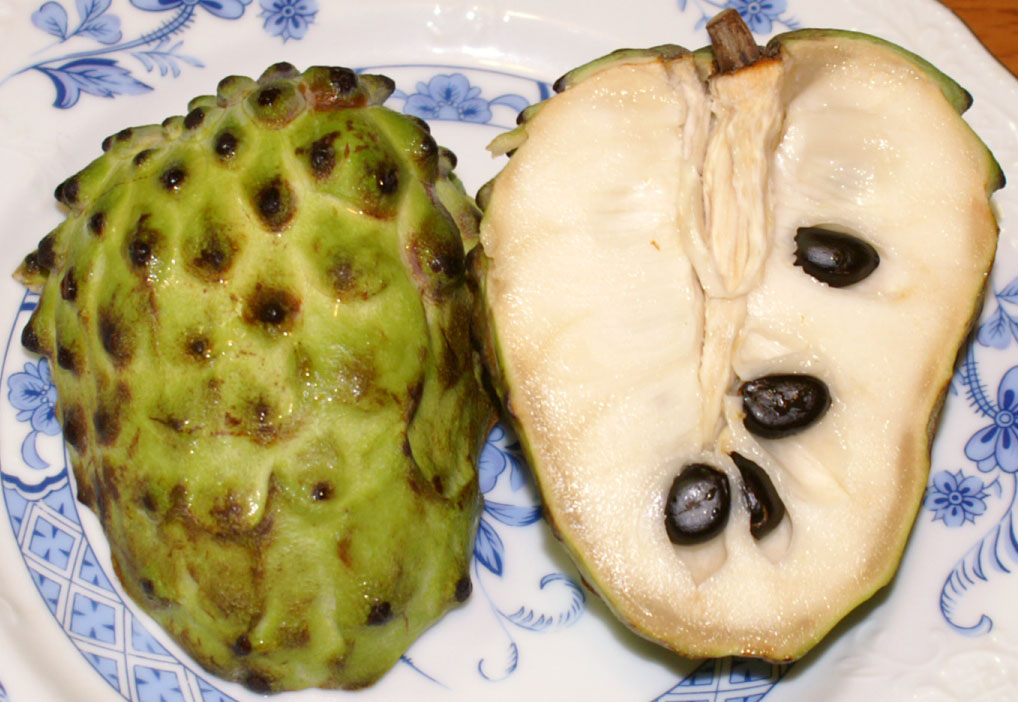
Why this variety
Atemoya is already a cheat code — a deliberate hybrid of cherimoya and sugar apple, bred to combine cherimoya flavor with sugar-apple toughness. ‘Gefner’ is the cheat code inside the cheat code: it is the cultivar UF/IFAS Extension names when it wants a tree that sets fruit without hand-pollination. Most annonas make you play bee with a paintbrush at dawn; ‘Gefner’ largely excuses you from that ritual, which is why it is the most-planted atemoya in home gardens.
The fruit itself is firm-fleshed rather than melting — sliceable custard, sweet and smooth, with the classic atemoya perfume. It is an Israeli selection that has proven itself in South Florida for decades, and it crops heavily for its size. If you only plant one annona, this is the one extension folks point to first, and that is a recommendation worth weighting heavily.
How to grow
Here is the honest Florida part first: atemoya is more cold-tolerant than sugar apple but is still damaged below freezing, so in Florida it belongs in the southern coastal counties and protected spots further north — extension draws the practical line roughly from Sarasota and Merritt Island southward. A hard freeze can defoliate or kill a young tree, so in marginal spots, plant against a south-facing wall and keep frost cloth handy.
Plant a grafted tree in well-drained soil — atemoyas sulk in wet feet — in full sun, and prune to keep the tree at a pickable 10-15 feet rather than letting it run to 30. ‘Gefner’ sets fruit on its own, but hand-pollination still increases fruit size and set if you enjoy the dawn-paintbrush ritual: collect pollen from fully open flowers in the evening and apply to receptive flowers the following morning.
Water & feeding
Water deeply but infrequently once established — a long soak that reaches the root zone, then a drying interval, beats daily sprinkles that keep the surface wet and the roots shallow. Young trees need steady water for their first year or two; mulch 3-4 inches deep (kept off the trunk) to hold moisture in sandy soil. Feed with worm castings worked into the mulch ring a few times a year plus a balanced citrus/tropical-fruit fertilizer on the schedule your local extension recommends — and go easy on nitrogen, which grows leaves at the expense of fruit.
Common problems
- Freeze damage — atemoya is damaged below freezing. Cover young trees on cold nights and plant in the warmest spot you have; a defoliated tree usually regrows, but a frozen trunk may not.
- Poor fruit set — even ‘Gefner’ sets better with pollinators around and an extended dry period before spring flowering. Hand-pollination boosts size and numbers if set is light.
- Root rot from wet feet — plant only in well-drained soil and never in a spot that ponds after rain.
- Annona seed borer and fruit rot — pick fruit promptly at maturity and destroy fallen fruit; do not let overripe fruit hang and rot on the tree.
Harvest
Atemoya fruit is ready when it yields slightly to pressure and the skin between the bumps lightens and loosens — ‘Gefner’ fruit is typically picked mature and ripened a few days indoors, which gives a firmer, cleaner-eating custard than tree-softened fruit. Do not wait for it to go soft on the branch; birds and rot will find it first.
Eat fresh with a spoon, chilled, or blend into ice cream and smoothies. In South Florida, ‘Gefner’ ripens mainly in fall — a crop that lands right when the summer garden is winding down, which is excellent scheduling by the tree.
Browse all plant & pest guides
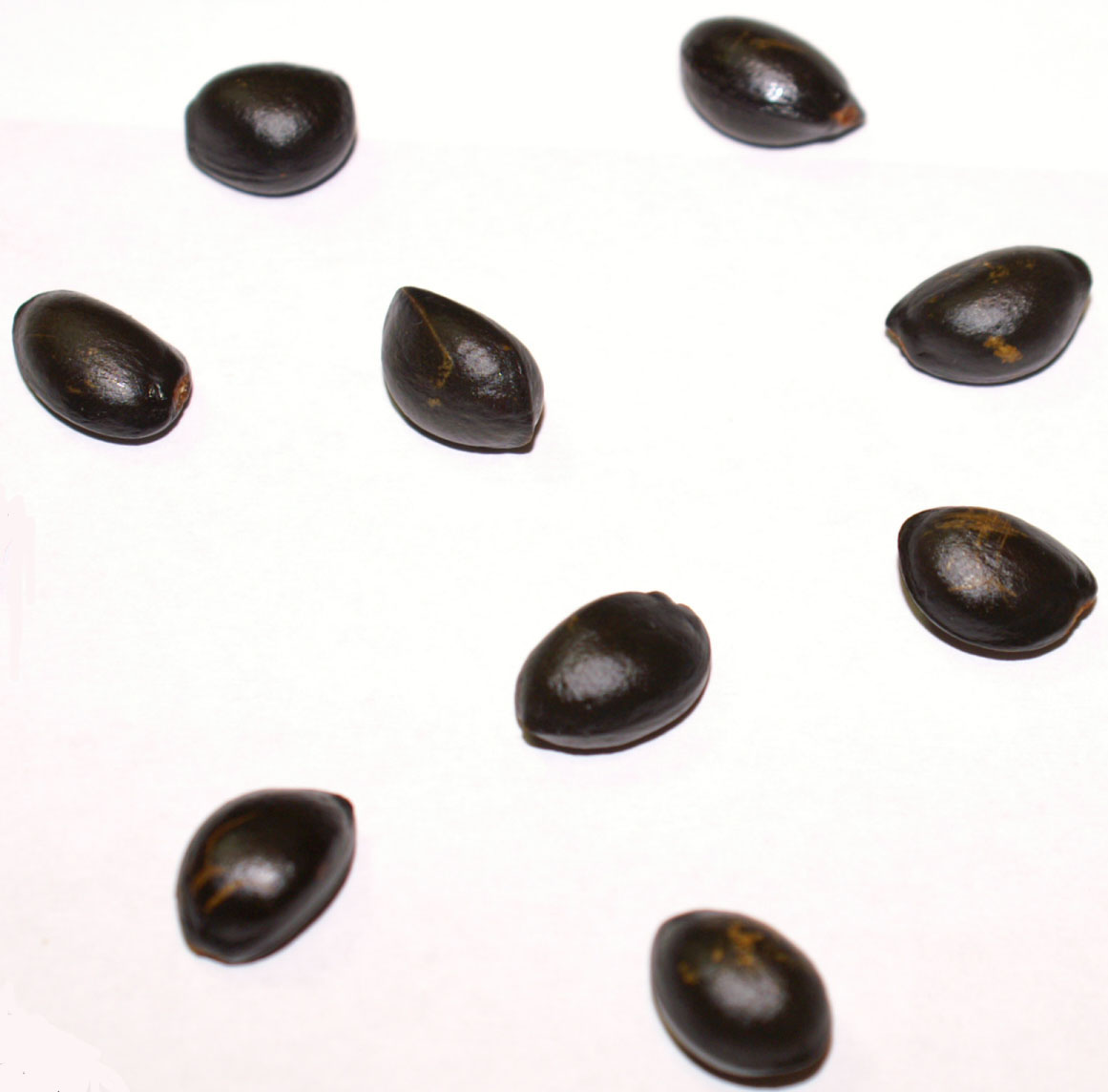
Saving seeds
Gefner is the most-planted atemoya in home gardens, and atemoyas are planted as grafted trees — a seedling won’t hold Gefner’s fruit set without hand-pollination or its firm, sliceable flesh. The Propagation section of the Atemoya guide covers propagation for the species generally.