
🌿 Ajwain
What it looks like
How to grow
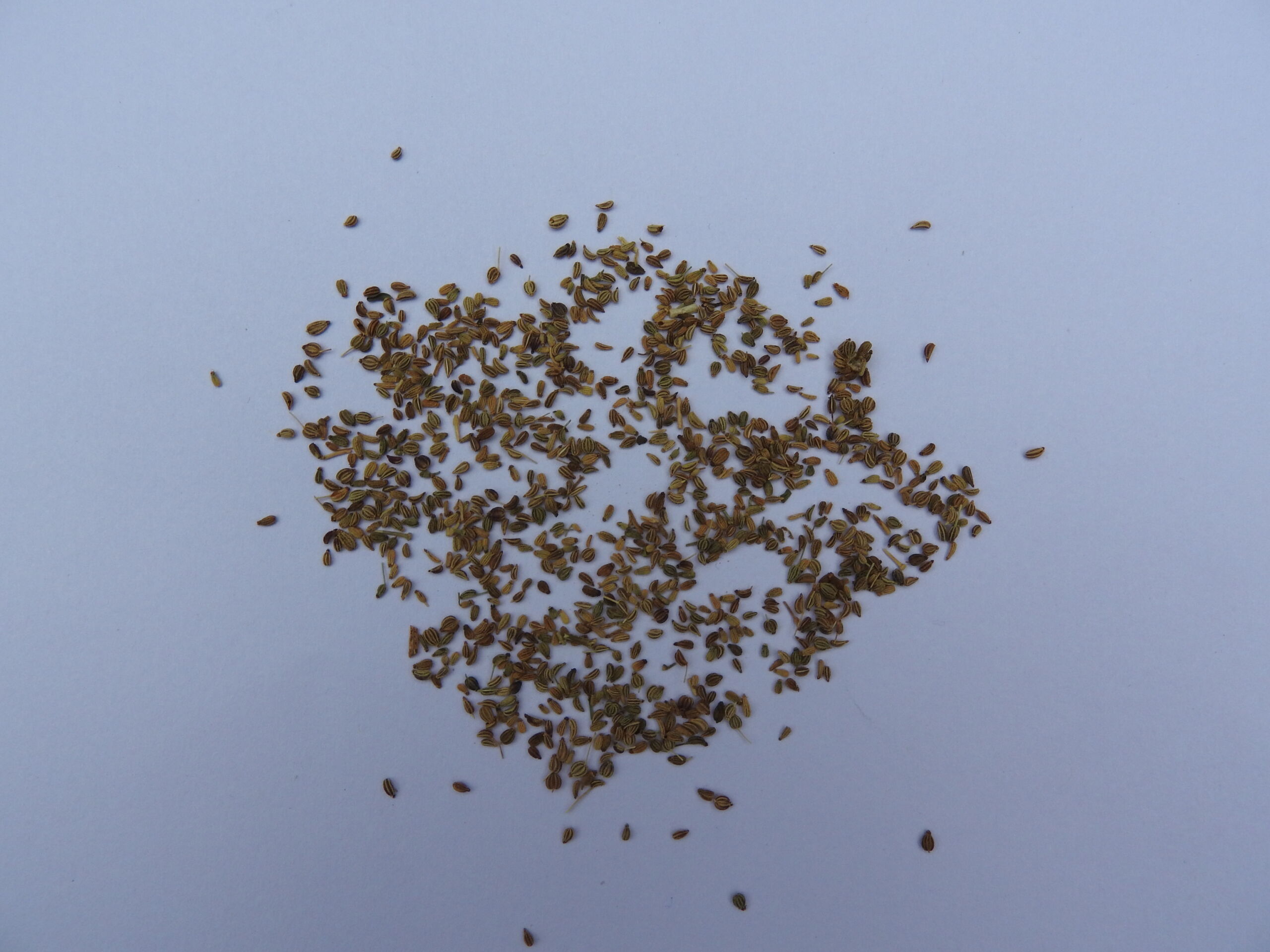
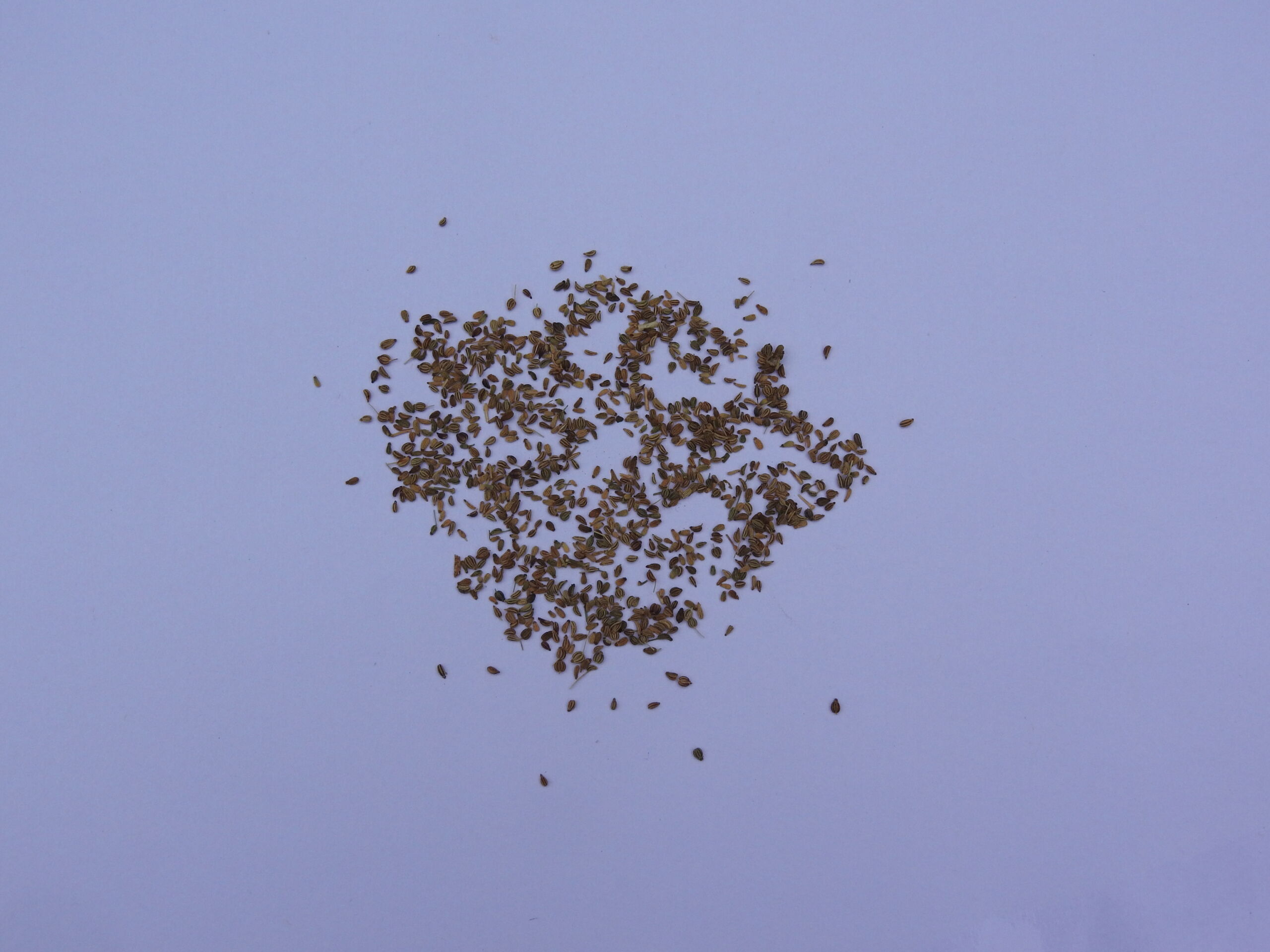
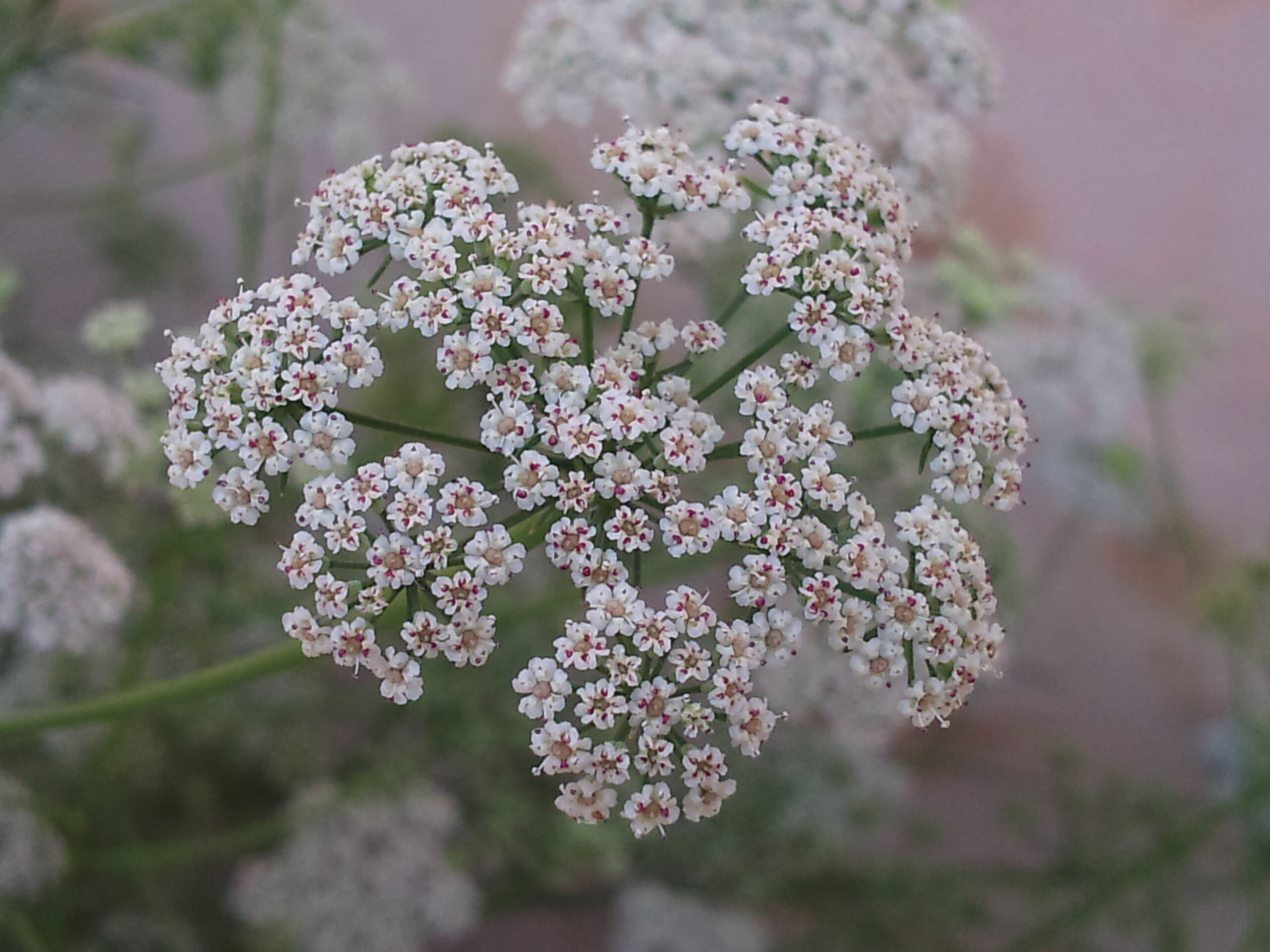
Ajwain — also called carom seed or bishop’s weed — is an annual herb in the carrot family, grown for its tiny, grayish-brown seed, 2 to 3 millimeters long, with a thyme-like flavor turned up by thymol. It grows upright and bushy, with feathery leaves and white umbels, and it wants what most seed spices want: sun, drainage, and a dry finish.
Direct-sow where it will grow, shallowly, at the hero spacing in a well-drained bed. In India ajwain is a rabi (winter) crop, sown in the cool season and ripened in dry heat, and in Florida the honest window is the same: a fall sowing that grows through the dry season and finishes before the summer rains. Summer rain on ripening umbels brings mold and shattering, so the calendar is the crop.
Named varieties differ mostly in season length: Lam Selection 1 finishes in about 120 days, AA-2 in 147, and AA-93 in about 150 — short for ajwain, and still a long season by garden standards. Choose earliness first in Florida, and let yield figures from irrigated Indian trials stay in their proper context: they describe the variety, not your bed.
USDA zones
Ajwain is grown as a cool-season annual. In its home regions it is a winter crop, and in Florida it should be treated the same way: sow in fall, grow through the dry season, and harvest before summer. It is not a summer crop here, and a spring sowing that runs into the rains will teach you why the hard way.
Water & feeding
Water sparingly and at the base. Ajwain is a dryland seed spice: steady light moisture while plants establish, then back off as seed ripens. Overwatering in humid air invites blight and powdery mildew.
Feed lightly with compost at planting. Ajwain is not a heavy feeder, and excess nitrogen grows soft, disease-prone foliage. Trial work found 45 by 30 centimeter spacing productive — about the hero spacing — so give plants room to branch and breathe.
Common problems
- Powdery mildew and leaf blight — humidity diseases; space for airflow, water at the base, and ripen seed dry
- Shattering — seed falls when fully ripe; harvest when umbels brown, not after
- Aphids — cluster on flower heads; blast off with water
- Damping off — wet seedbeds; sow in well-drained soil and do not overwater seedlings
Harvest
Harvest when umbels turn brown and seed feels firm — 120 to 150 days depending on variety. Cut whole plants, dry under cover, then thresh over a tray and winnow: ajwain seed is tiny, and a lawn is a terrible threshing floor.
Use the seed sparingly: temper a pinch in hot oil or ghee for dal and vegetables, knead into paratha dough, or add to breads. Ajwain’s thymol is potent, and a pinch too much will season the whole pot — which is either a warning or a promise, depending on your cooking.
Saving seeds
Ajwain, Trachyspermum ammi, also called carom, keeps its seed-saving secret in plain sight: what cooks call a seed is botanically a tiny dry fruit, a little ridged schizocarp that splits into two halves, each carrying the next plant. That is a nerdy distinction with a practical payoff, because it tells you what to look for. Ajwain flowers in flat-topped umbels, like its carrot-family cousins, and those umbels turn from green to grayish-brown as the fruits ripen. Wait until most of the umbels on a plant have turned brown and dry, but do not wait for every last one, because ripe ajwain shatters. The moment the lower fruits start dropping when you brush the head gently, the harvest window is open, and a windy day can take a surprising share of it overnight.
Cut the whole seed heads with a length of stalk attached, dropping them straight into a paper bag or a basket so the fruits that shatter on contact are caught, not lost. Dry the heads indoors, out of direct sun, in a shaded, well-ventilated spot, hanging small bundles upside down or spreading them on a tray. In Florida, where ajwain is a dry-season trial crop, this indoor drying step is the whole game: humid air at ripening time is the enemy of both flavor and seed viability, so do not leave heads to dry in damp weather and hope for the best. Once the heads are crisp, rub them gently between your hands or over a fine sieve to thresh out the fruits, then winnow away the chaff and discard any fruits that are still green, soft, or moldy. The good ones are small, grayish-brown, ridged, and hard, with the sharp thyme-like scent that comes from thymol, the compound that gives ajwain its punch.
Store the clean, thoroughly dry fruits in an airtight jar in a cool, dark place, and in a humid house add a small desiccant packet to the jar. Keep the seed jar separate from the spice jar and label it with the variety and the year, because a jar of ajwain all smells like dinner, and only the label knows which jar is next year’s crop. On viability, sources disagree, giving roughly one year in some accounts and up to two years in others, so the honest rule is to use your freshest seed first, sow older seed a little thicker, and test a pinch on a damp paper towel before trusting a whole bed to an old jar. Seed that has sat in a warm, humid kitchen will fade faster than seed kept cool, dark, and dry.
Ajwain is open-pollinated, not an F1 hybrid puzzle, so seed saved from your own plants should grow into plants recognizably the same kind, provided you grew one variety for seed. Umbellifers are insect-pollinated, so if two different ajwain varieties flowered side by side, some crossing is possible, and a gardener who wants pure seed should grow a single variety for seed or accept a little mixing. Save from healthy, vigorous plants with full, well-filled umbels, not from the weakest plant in the row, and you will have done the quiet, old-fashioned work of seed saving: a paper bag, a sieve, a labeled jar, and a spice that seasons next year’s pots from this year’s plants.
Varieties
Every named variety of Ajwain with its own growing guide:
- AA-2 Ajwain — The documented yielder: AA-2 matures in 147 days, averaging about 12.83 quintals per hectare irrigated and 5.2 rainfed.
- AA-93 Ajwain — The short-season one: AA-93 finishes in about 150 days — 30 to 40 days earlier than other ajwain varieties — and earliness is everything in Florida.
- Lam Selection 1 Ajwain — The earliest of the lot: Lam Selection 1 is erect, early-maturing in about 120 days, and selected for good-quality seed.