
🌿 Lam Selection 1 Ajwain
What it looks like
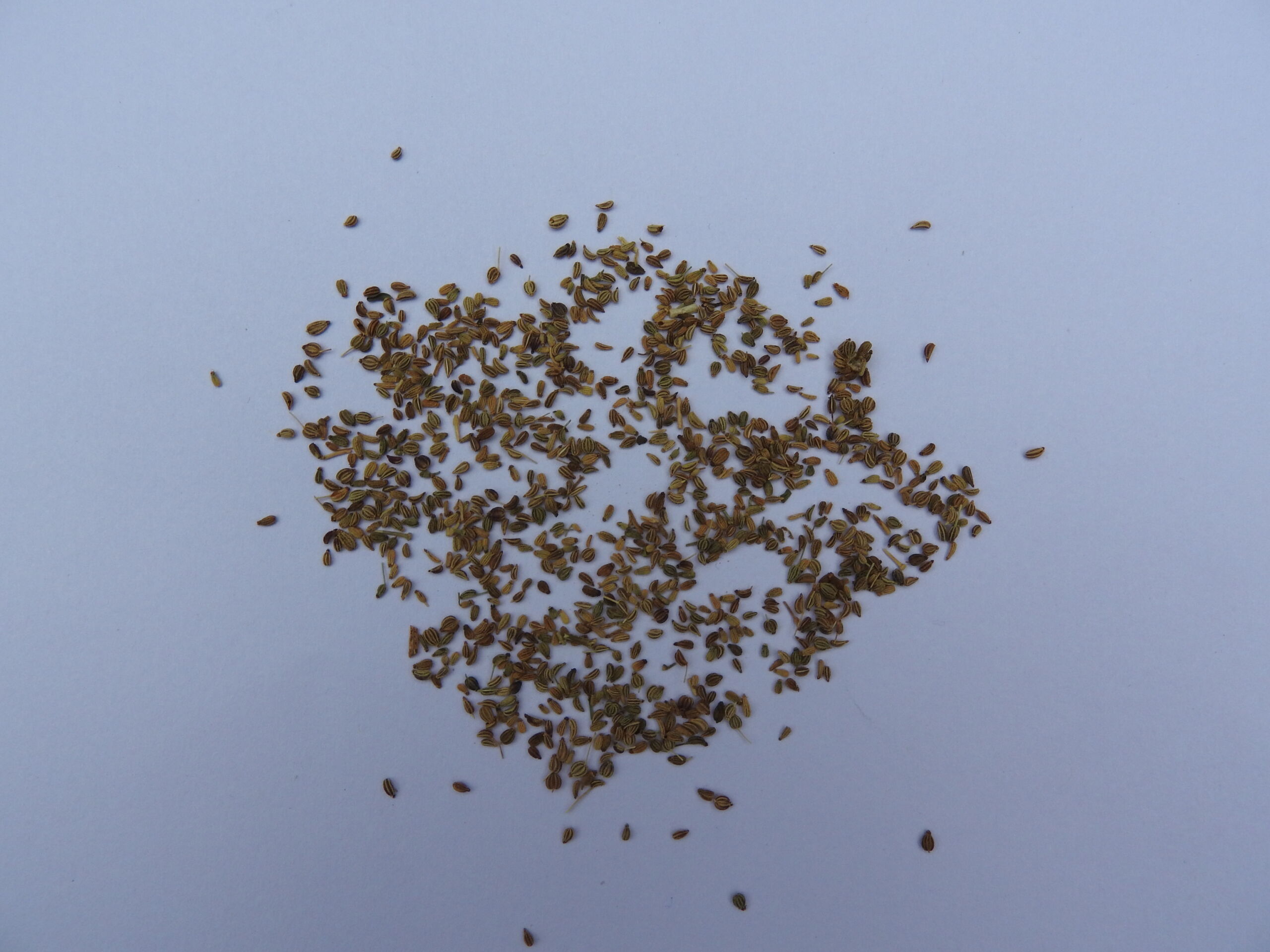
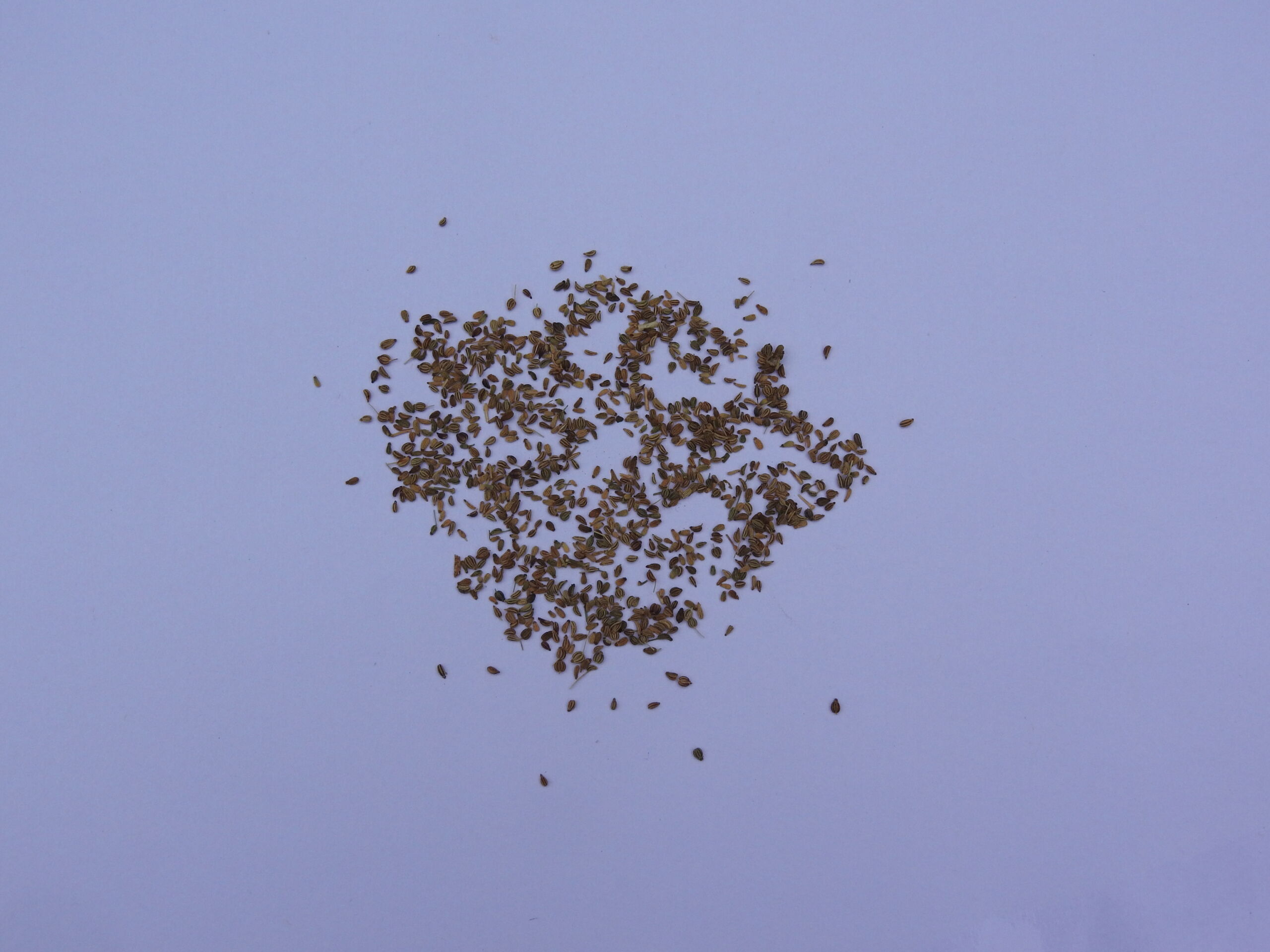
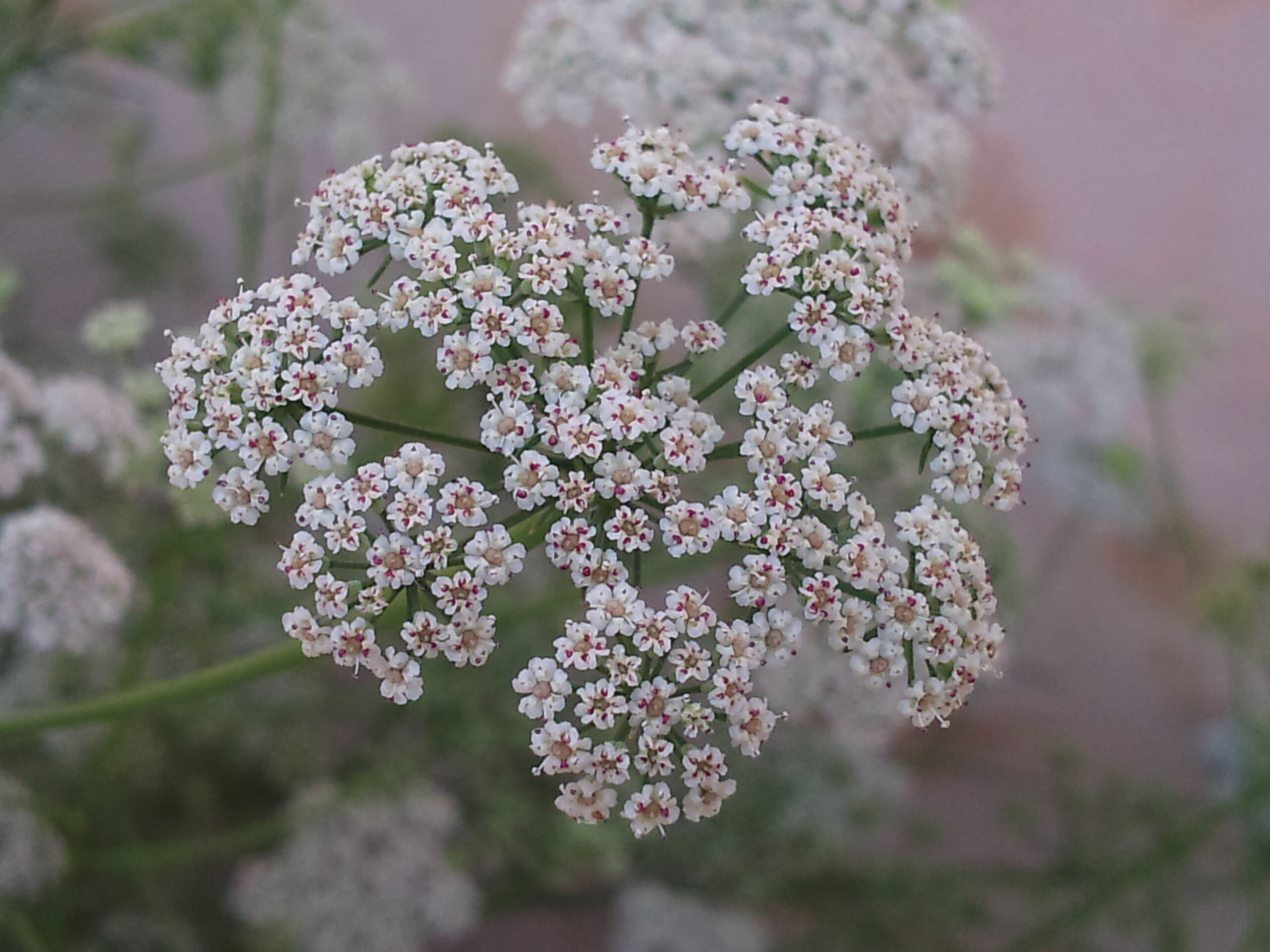
Photos show the species, since no cultivar-specific photo verified for this variety — the species photos above are already hosted on this site and attributed as on the species guide.
Why this variety
Lam Selection 1, from the Regional Agricultural Research Station at Lam, is described as an erect, early-maturing ajwain — about 120 days — producing good-quality seed. It is the earliest ajwain variety in this group by a full month, and in Florida that month is worth more than any yield figure.
Erect habit matters too: an upright plant dries faster after rain and lets air move through the canopy, which is real disease defense in humid air. Lam Selection 1’s combination — earliest season, upright growth, good seed — makes it the ajwain to sow if you only sow one, and the one to sow first if you sow several.
How to grow
Direct-sow where it will grow, shallowly, at the hero spacing in a well-drained bed. Ajwain is an annual Apiaceae herb grown for its tiny, thyme-scented seed, and like its carrot-family cousins it prefers to be sown in place rather than transplanted.
In Florida, sow in fall as a dry-season trial: ajwain is a rabi (winter) crop in India, grown through the cool, dry months and ripened in dry heat. Summer rain on ripening umbels brings mold and shattering, so a fall sowing that finishes before the summer rains is the honest strategy.
Water & feeding
Water sparingly and at the base. Ajwain is a dryland seed spice: steady light moisture while plants establish, then back off as seed ripens. Overwatering in humid air invites blight and powdery mildew, and a raised bed that never puddles is the best insurance.
Feed lightly with compost at planting. Ajwain is not a heavy feeder, and excess nitrogen grows soft, disease-prone foliage. Trial spacing work found 45 by 30 centimeters productive — about the hero spacing — so give plants room to branch and breathe.
Common problems
- Powdery mildew and leaf blight — humidity diseases; space for airflow, water at the base, and ripen seed dry
- Shattering — seed falls when fully ripe; harvest when umbels brown, not after
- Aphids — cluster on flower heads; blast off with water
- Damping off — wet seedbeds; sow in well-drained soil and do not overwater seedlings
Harvest
Harvest at about 120 days when umbels brown and seed is firm — the earliest finish in this group, and the most likely to beat the summer rains. Cut, dry under cover, thresh over a tray, and winnow.
Use Lam Selection 1 seed as you would any ajwain: a pinch tempered in hot oil for dal, or kneaded into paratha dough. Early does not mean mild — the thymol is fully present — it means finished, which is the flavor Florida gardeners learn to prize.
Browse all plant & pest guides
Saving seeds
Lam Selection 1, from the Regional Agricultural Research Station at Lam, is described as an erect, early-maturing ajwain — about 120 days — producing good-quality seed, a public open-pollinated selection, so saved seed comes true — direct-sow where it will grow, shallowly, in a well-drained bed, and sow in fall as a dry-season trial so the crop finishes before the summer rains. The full method is in the Saving seeds section of the Ajwain guide.