
🟤 Alano Sapodilla
What it looks like
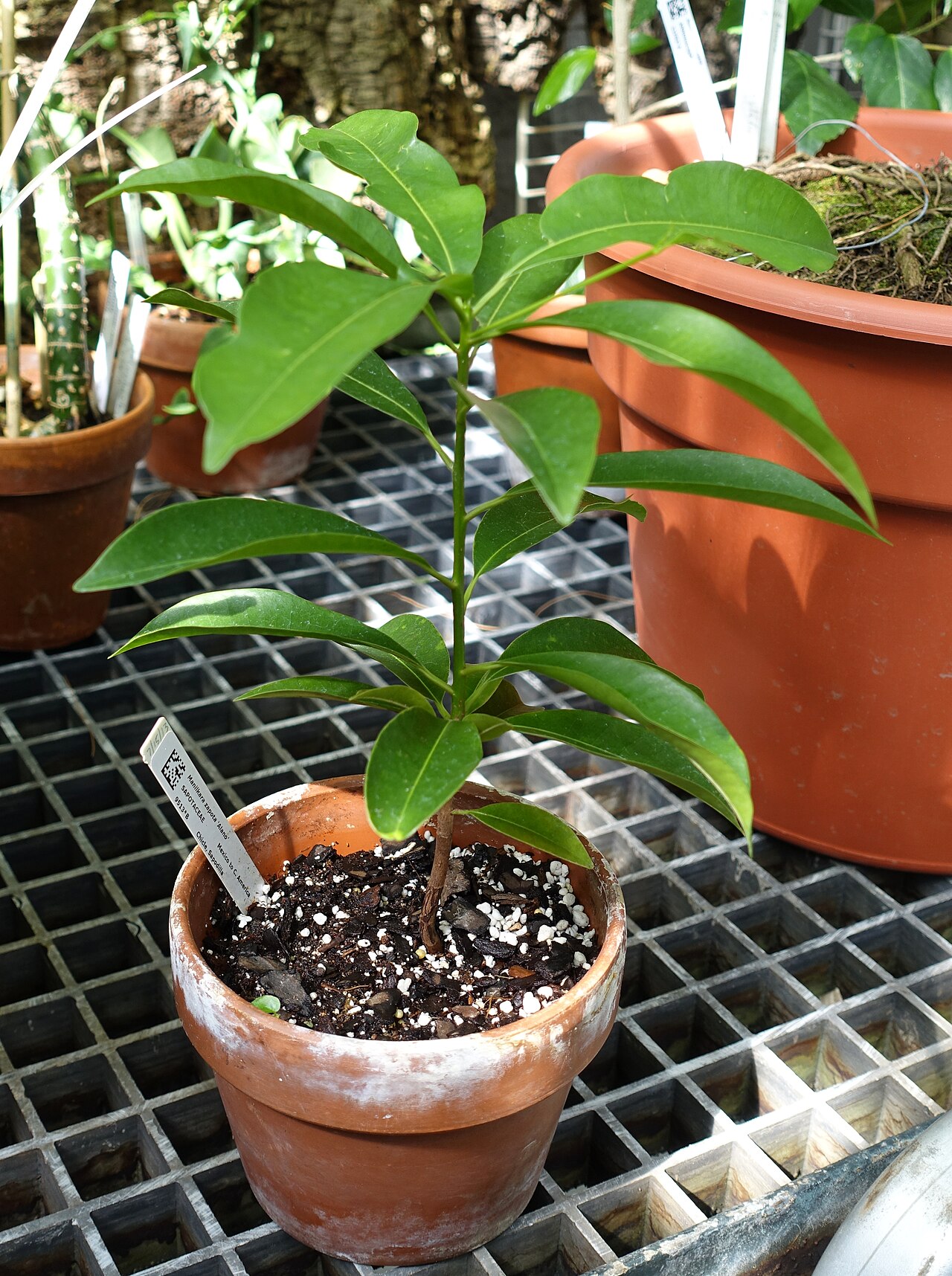
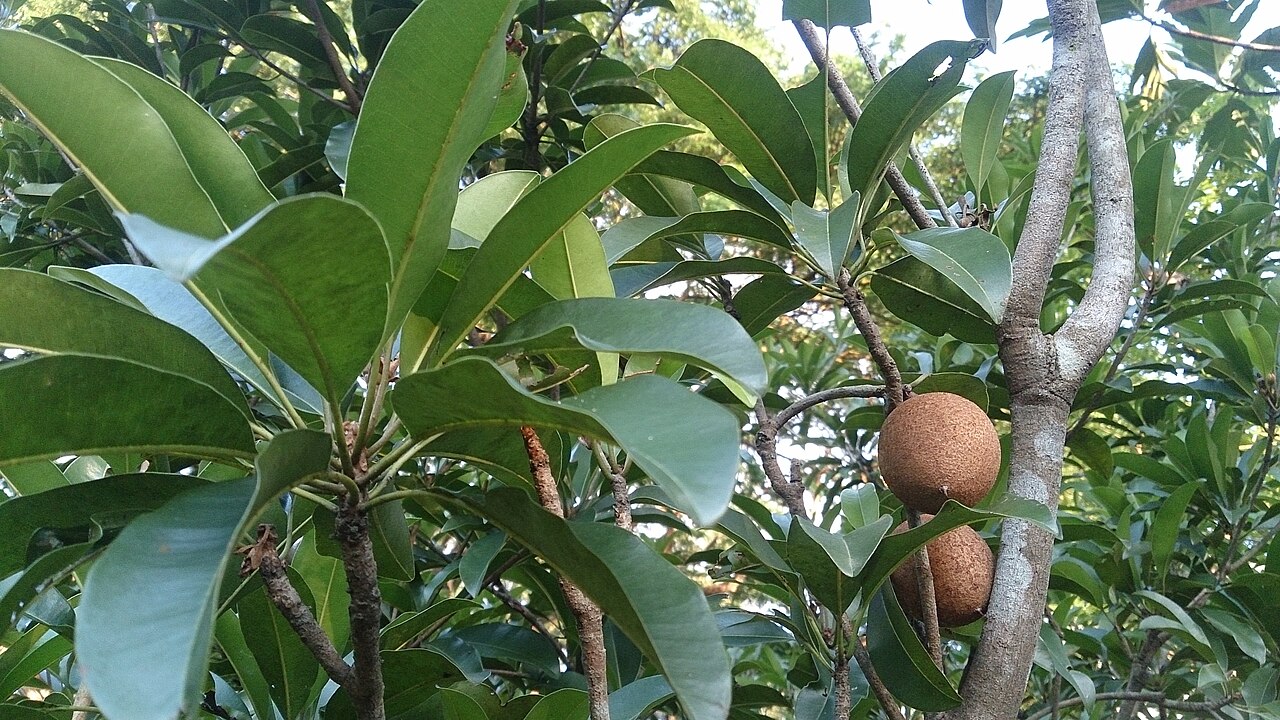
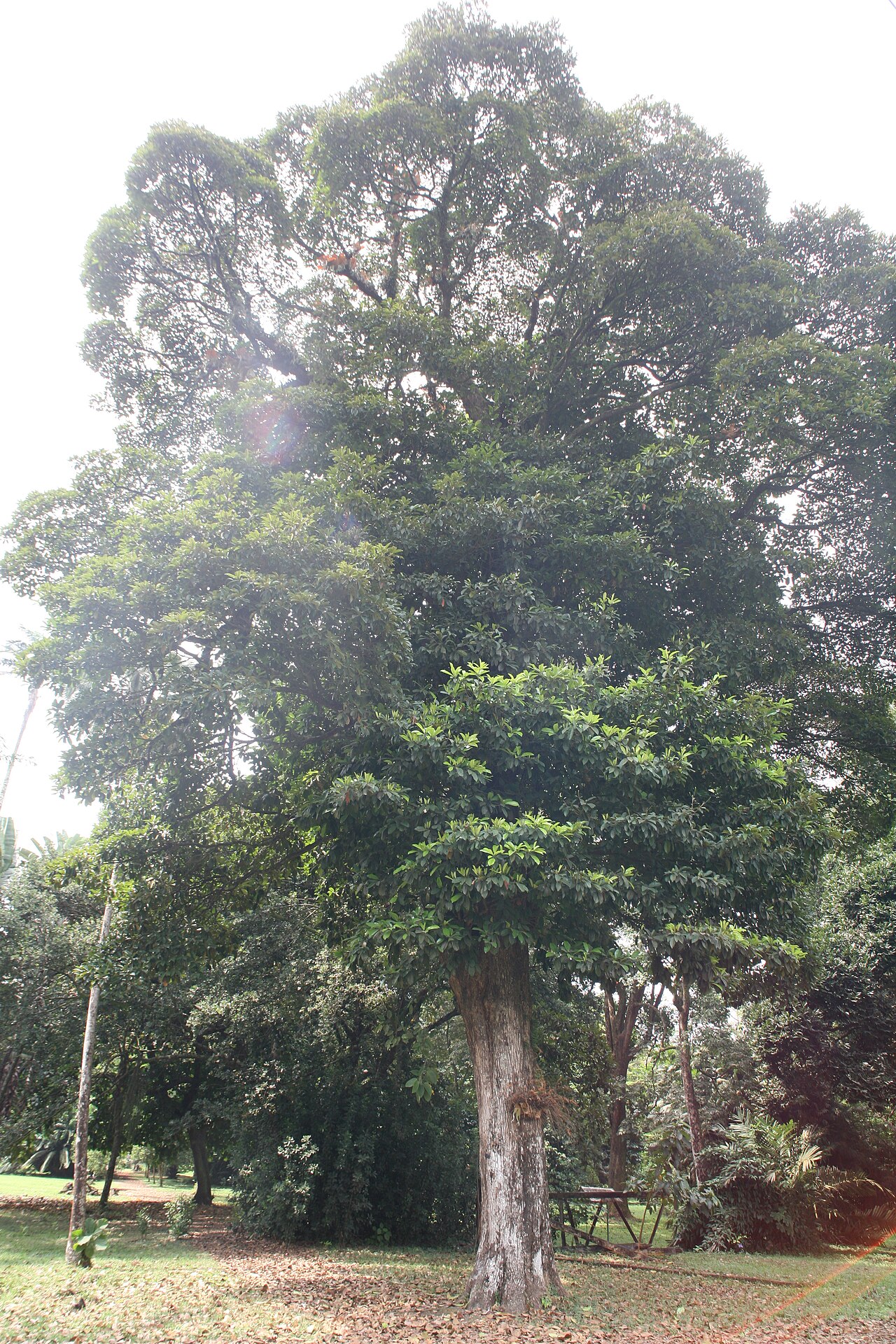
Why this variety
‘Alano’ is on UF/IFAS Extension’s short list of good sapodilla varieties for Florida — alongside ‘Makok’, ‘Hasyá’, ‘Morena’, and ‘Tikal’ — which is a recommendation worth more than any nursery superlative. It is a reliable, productive tree with the classic sapodilla character: brown, grainy-sweet fruit tasting of brown sugar and pear, borne over a long season from November through June.
Growers describe ‘Alano’ as a workhorse rather than a showpiece: steady, dependable, and a little one-dimensional next to flavor-first types like ‘Hasya’ or ‘Molix’. That is not an insult — a workhorse that fruits for eight months is the backbone of a home orchard, and ‘Alano’ is the sapodilla you plant when you want fruit you can count on.
How to grow
Here is the honest Florida part first: ‘Alano’ is a zone 10-11 South Florida tree like all sapodillas, wind-tolerant once established but freeze-tender. Give it full sun, well-drained soil, and room for a substantial tree — ‘Alano’ is not a dwarf, and it will eventually need its 20-30 feet.
Plant grafted, water steadily while young, and prune for a pickable canopy. Sapodilla’s slow growth means early patience pays: a well-sited ‘Alano’ becomes a decades-long producer, and the November-to-June season means winter fruit when little else is bearing.
Water & feeding
Water deeply but infrequently once established — a long soak that reaches the root zone, then a drying interval, beats daily sprinkles that keep the surface wet and the roots shallow. Young trees need steady water for their first year or two; mulch 3-4 inches deep (kept off the trunk) to hold moisture in sandy soil. Feed with worm castings worked into the mulch ring a few times a year plus a balanced citrus/tropical-fruit fertilizer on the schedule your local extension recommends — and go easy on nitrogen, which grows leaves at the expense of fruit.
Common problems
- Freeze damage — zone 10-11; protect young trees.
- Maturity guessing — use the nick test (tan flesh beneath the skin) and soften indoors; green flesh means wait.
- Scale insects — check stems; horticultural oil for infestations.
- Over-cropping on young trees — thin heavy sets so branches do not break and fruit sizes up.
Harvest
Pick ‘Alano’ when mature — skin smoothed, flesh tan under a nick — and ripen indoors until soft. The long November-to-June season means picking in waves; eat fresh with a spoon, and freeze surplus pulp for the summer months when the tree rests.
One ripe ‘Alano’ fruit is a dessert; a season of them is a pantry. Sapodilla pulp also bakes well into cakes and custards, where its brown-sugar character does the sweetening for you.
Browse all plant & pest guides
Saving seeds
Alano is a grafted cultivar, so seed saved from its fruit won’t come true — buy a grafted tree. The Saving seeds section of the Sapodilla guide covers seed for the straight species.