
🟤 Sapodilla
What it looks like
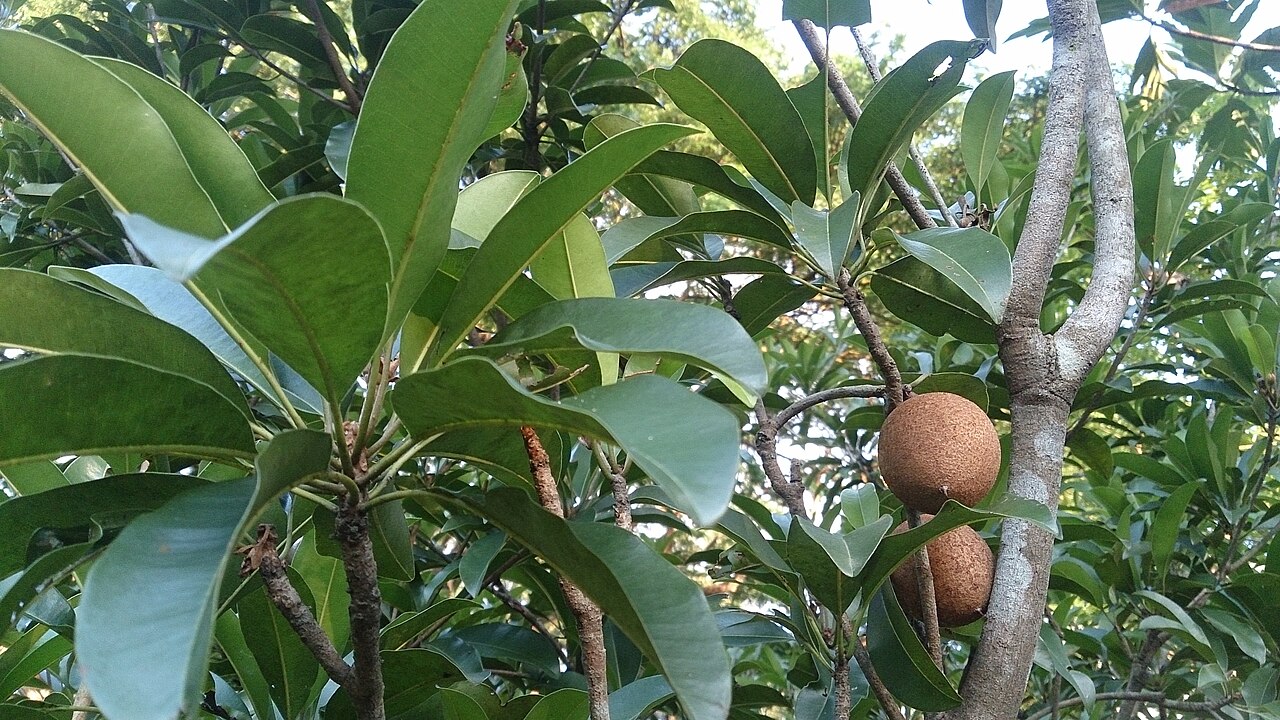
How to grow
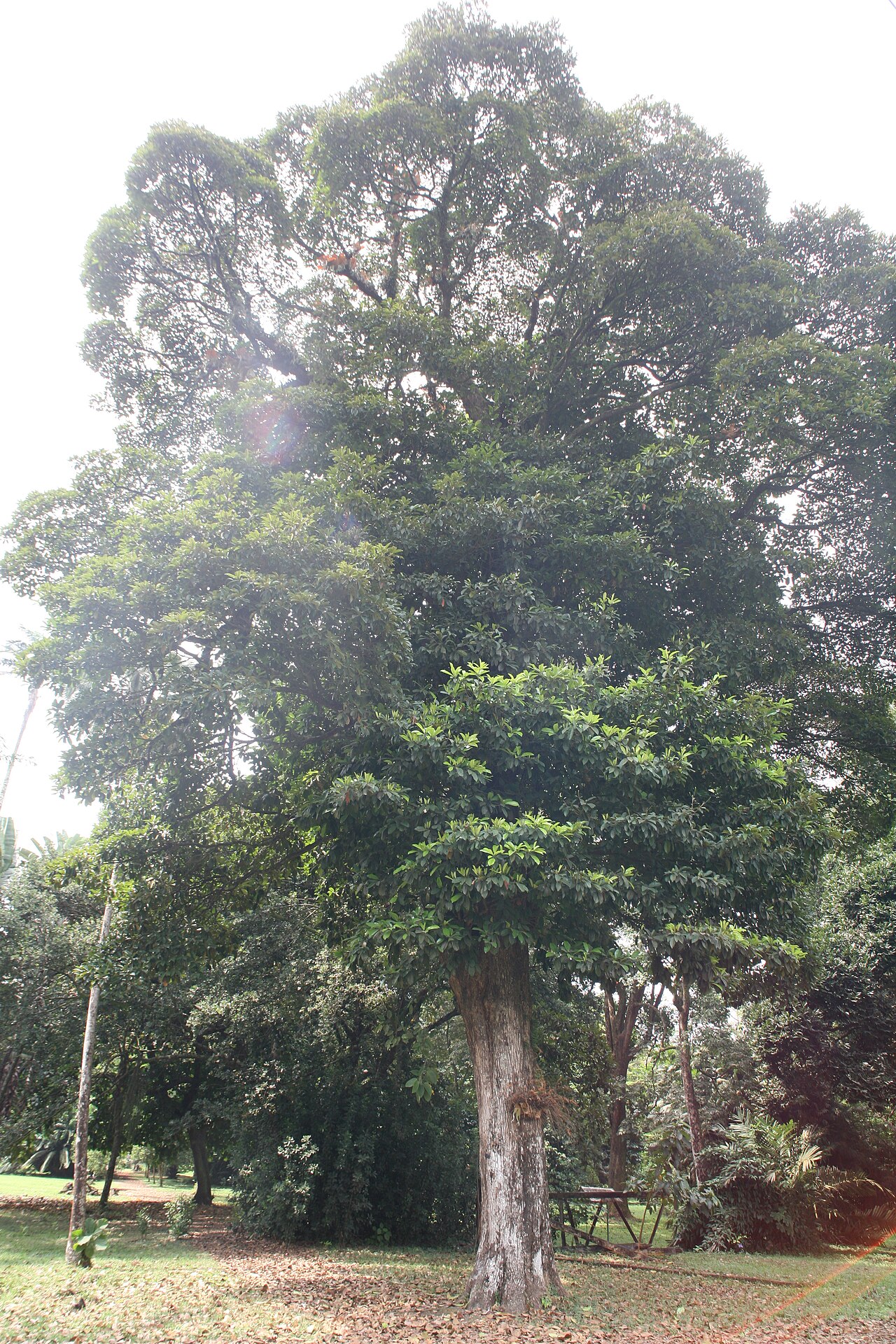
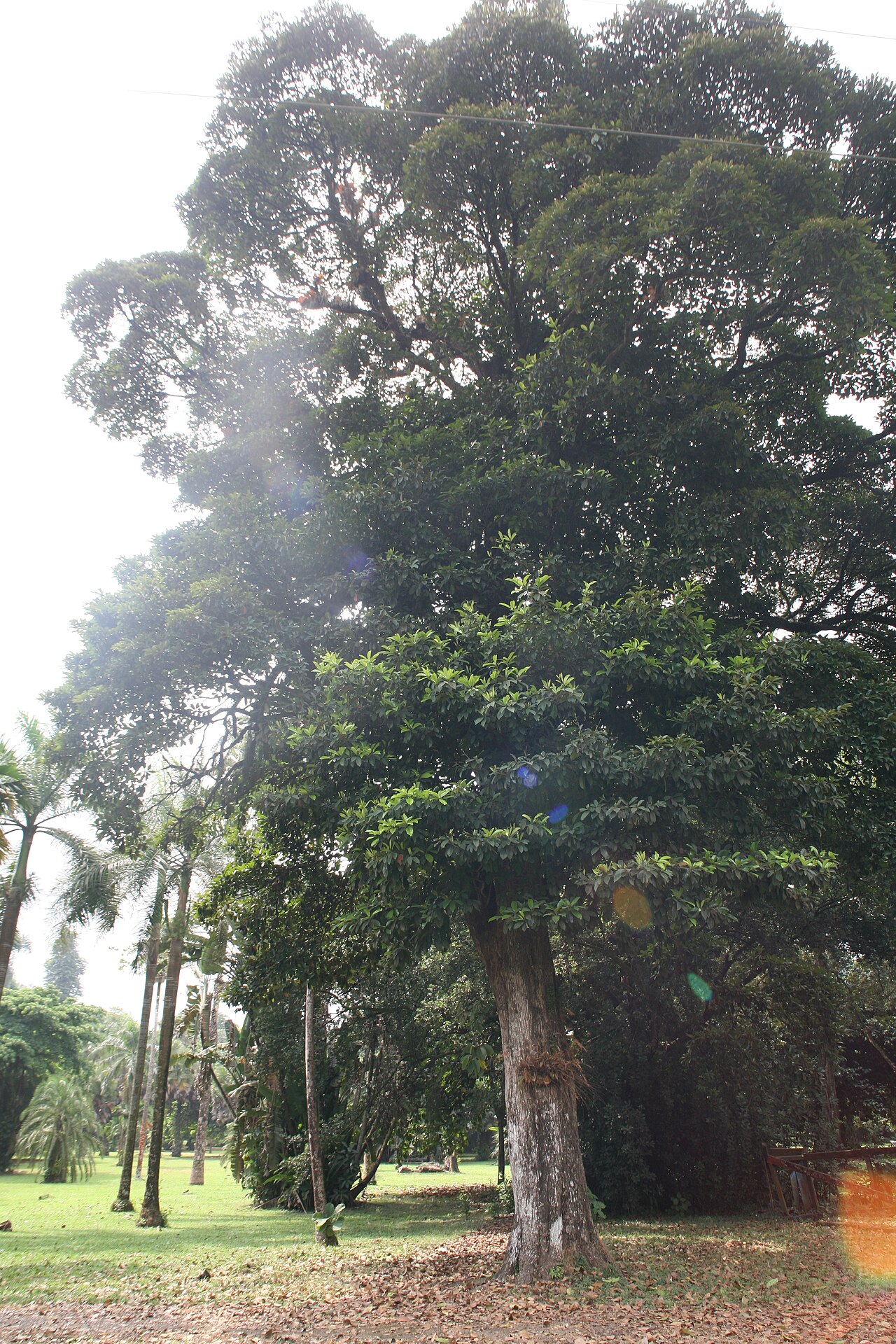
Sapodilla is a slow-growing evergreen tree from Central America that produces round, brown fruit with sweet, malty, pear-like flesh — and it is one of the most wind-tolerant tropical fruit trees, which matters in hurricane country. Plant a grafted variety (‘Prolific’, ‘Silas Woods’ for smaller trees) in spring in well-drained soil; sapodillas tolerate limestone soils common in south Florida. They are self-fertile, so one tree fruits, and they fruit over a long season rather than all at once. The tree is slow to establish but extremely long-lived — a sapodilla can fruit for a century. Prune lightly to shape and to keep the tree pickable; a mature sapodilla can reach 30 feet or more. The fruit must be picked at exactly the right stage: underripe sapodilla is astringent and unpleasant, fully ripe sapodilla is superb, and the window between them is days, not weeks.
Water & feeding
Water during establishment and dry spells; mature trees are drought-tolerant but fruit better with steady moisture. Mulch and feed lightly in spring. Sapodillas tolerate some salt spray, a bonus for coastal yards.
Common problems
- Picking underripe fruit — the scratch test helps: scratch the skin, and if it shows green underneath, wait; brown underneath means ready
- Frost — young trees are damaged by freezes; plant in the warmest microclimate
- Fruit flies in some regions — pick at the right stage and do not leave overripe fruit on the tree
- Slow growth — patience is required; grafted trees fruit years sooner than seedlings
Harvest
Pick when a scratched patch of skin shows brown rather than green, and the fruit gives slightly — then ripen indoors for a few days until soft throughout. Eat fresh with a spoon, or blend into milkshakes, where sapodilla’s malty sweetness is at its best.
Browse all plant & pest guides
Saving seeds
Sapodilla seed is easy to save and slow to reward — the seed sprouts readily, and then the tree takes its time. Eat the fruit, pull the large dark seeds out of the brown, grainy-sweet flesh, rinse off the pulp, and sow them fresh. Sapodilla seed loses viability as it dries out, so do not leave it on the counter for weeks and expect it to sprout. If you must hold it for a few days, keep it in a barely damp paper towel inside a bag in the fridge — that buys you a little time, not a season.
Sow about an inch deep in a warm, well-draining mix and keep it moist and warm, roughly 77 to 86°F. In Florida that is just a warm, bright spot out of scorching direct sun. Fresh seed germinates readily, usually within two to four weeks. Keep the mix damp but never soggy; a seed that dries out is dead, and one that sits in water will rot. Seedlings grow slowly at first — sapodilla is a slow-growing tree — and they need steady warmth and moisture without ever sitting wet.
The honest headline is the same one that applies to most fruit trees: a seedling is a gamble, not a copy. Sapodilla seedlings vary in fruit size, sweetness, and texture, and they may take five to eight years to fruit before you find out what you got. If you want a specific variety, grafting is the route — the guide notes that grafted trees fruit sooner and truer. Seed is for the adventure, and sapodilla is worth the gamble: it is a long-lived tree, and a seedling grown from a fruit you ate is a story worth telling.
Save seed from fruit that was fully ripe and delicious, from a healthy tree, and sow more than you need. In Florida, sapodilla is a warm-climate tree for zones 10 to 11, happiest in the southern part of the state, so start seedlings in pots and keep them sheltered through their first cool season. And give the tree room: a mature sapodilla grows large, and it does not ask permission first.
Varieties
Every named variety of Sapodilla with its own growing guide:
- Silas Woods Sapodilla — The dwarf sapodilla: compact, nearly everbearing, pear-and-brown-sugar sweet — the small-yard sapodilla.
- Alano Sapodilla — The UF/IFAS-recommended sapodilla: a good variety for South Florida, bearing November through June.