
🟤 Silas Woods Sapodilla
What it looks like
Why this variety
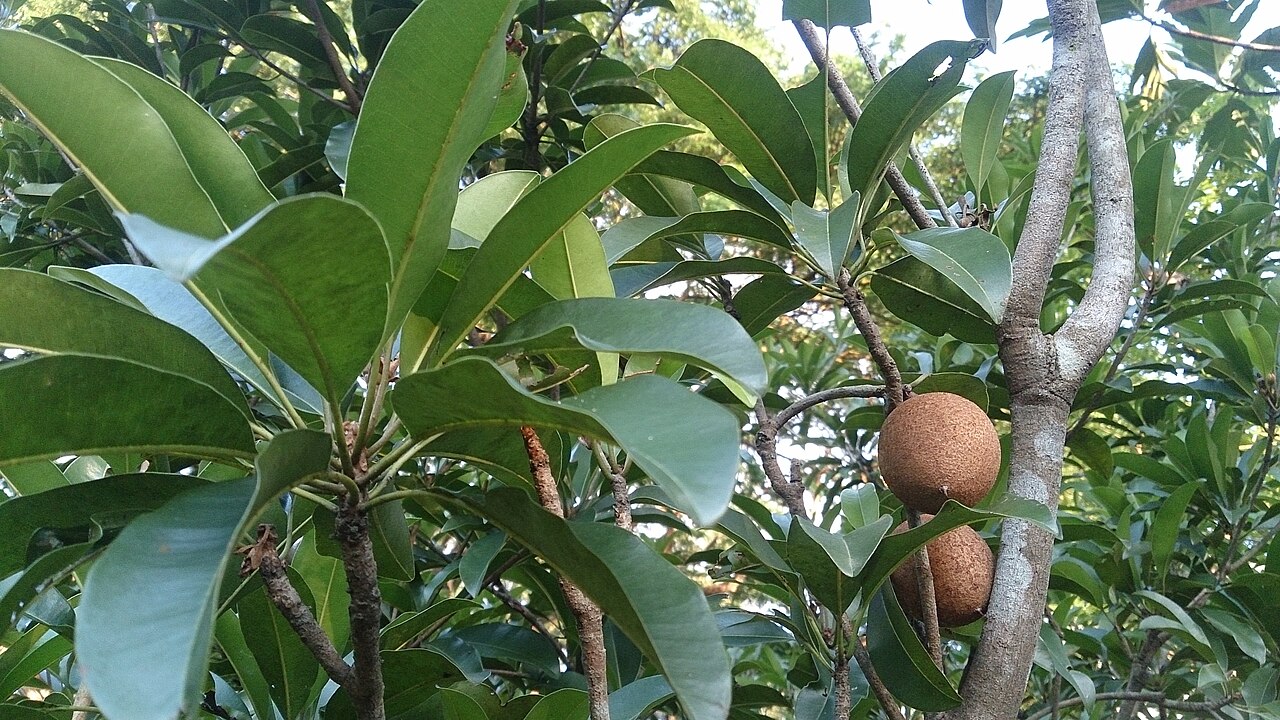
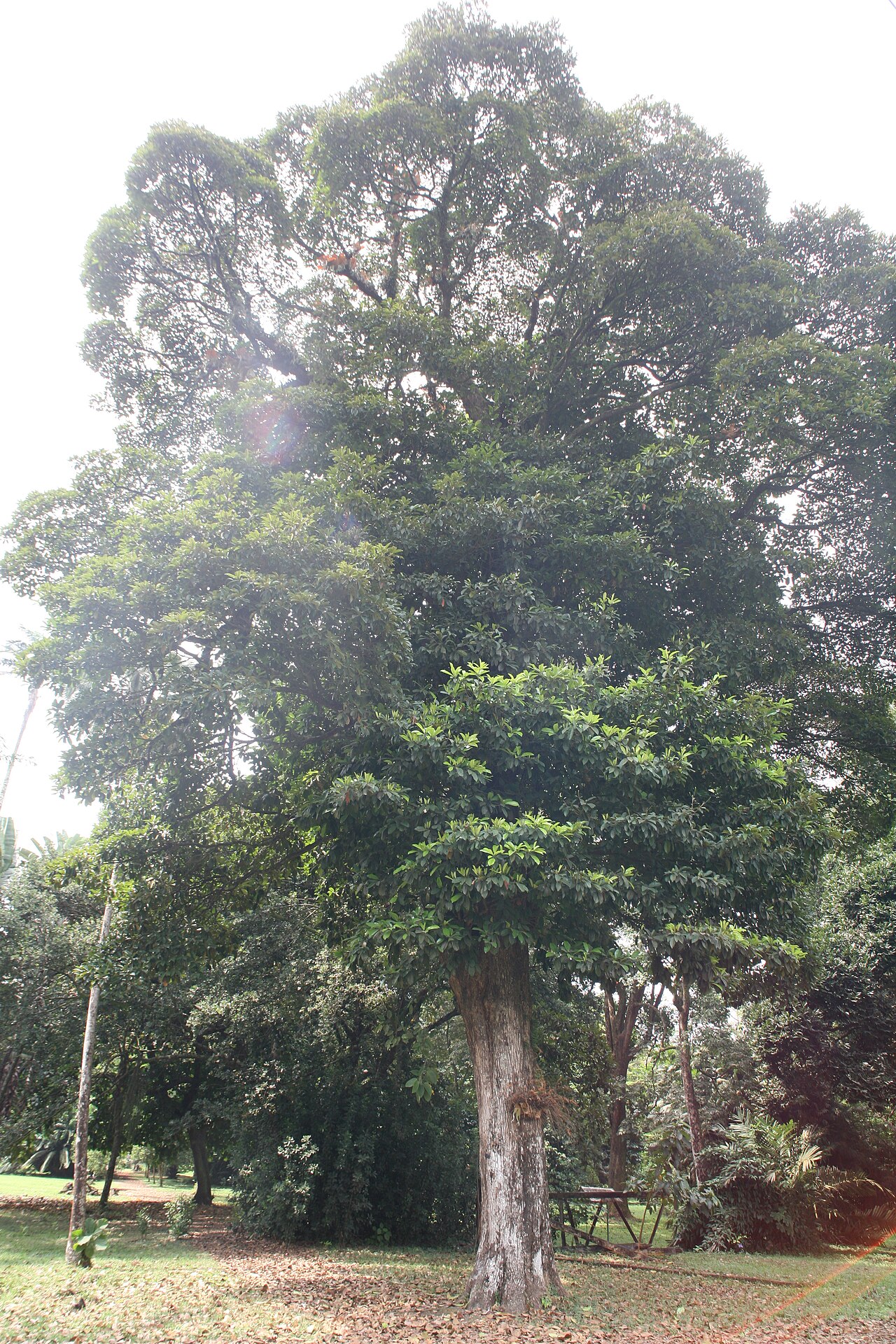
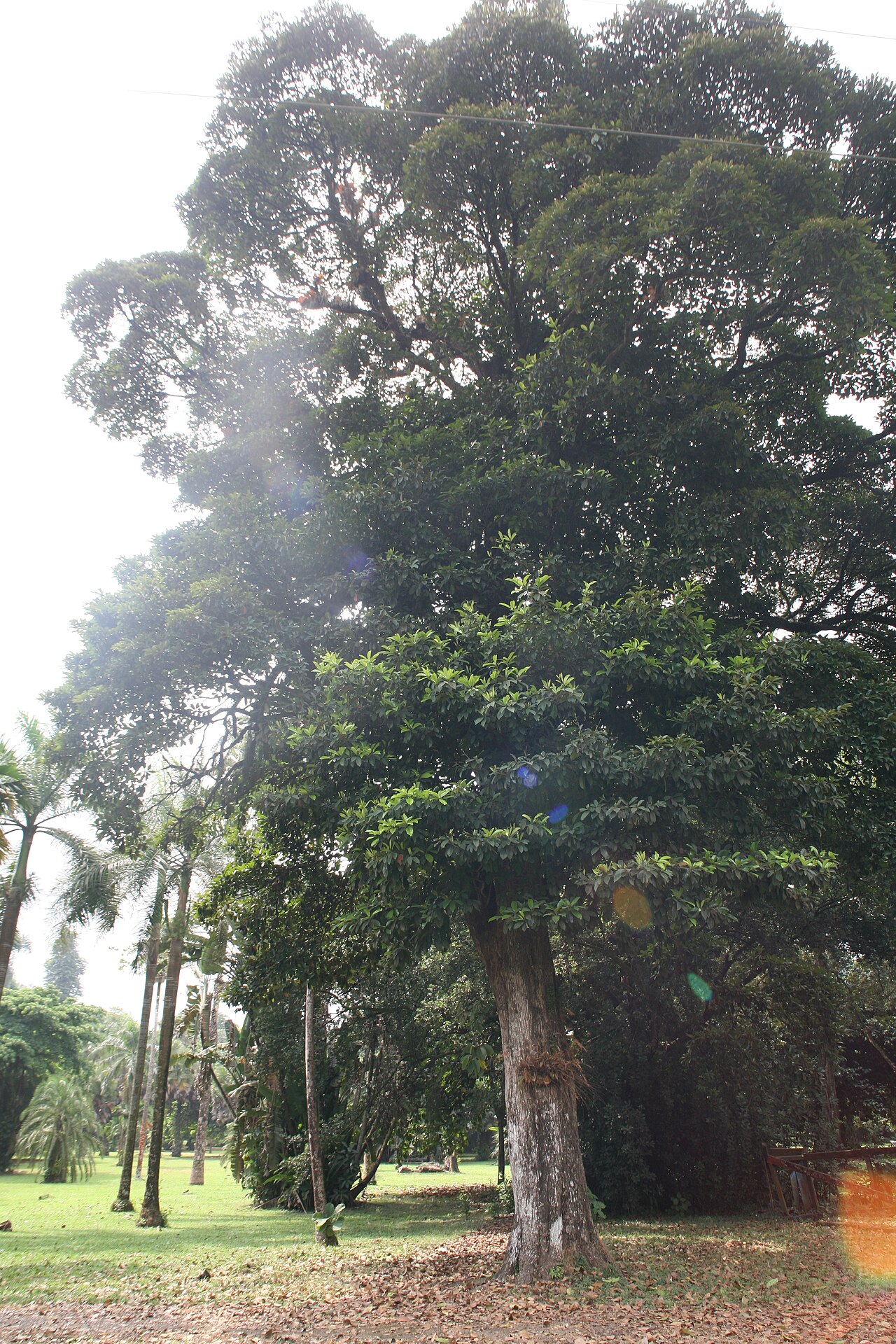
A standard sapodilla can reach 40 to 60 feet — a tree that outgrows most yards and most ladders. ‘Silas Woods’ is the answer for everyone else: a dwarf selection from the Homestead area, named for a member of the Rare Fruit Council, that stays around 15 feet with pruning while producing round, brown-skinned fruit with sweet flesh somewhere between pear and brown sugar. It is, by grower accounts, virtually everbearing — fruit in multiple waves rather than one annual event.
That combination — dwarf size plus near-continuous fruit — makes ‘Silas Woods’ the sapodilla for small yards and patient pickers. The fruit runs 2 to 4 inches across, caramel-brown, eaten fresh with a spoon once soft. If you have ever wanted sapodilla but not a sixty-foot tree, this is the cultivar the trade bred for exactly you.
How to grow
Here is the honest Florida part first: sapodilla is a zone 10-11 tree for South Florida. It tolerates a range of soils and is notably wind-tolerant once established — a real asset in storm country — but a hard freeze damages or kills it, and its fruit hangs through the cooler months. Plant in the warmest spot you have, and keep ‘Silas Woods’ pruned to its dwarf promise rather than letting it run.
Plant grafted in full sun and well-drained soil. Sapodilla is slow-growing and long-lived; feed modestly, water steadily while young, and do not expect instant gratification — the payoff is decades of fruit from a tree that fits the yard.
Water & feeding
Water deeply but infrequently once established — a long soak that reaches the root zone, then a drying interval, beats daily sprinkles that keep the surface wet and the roots shallow. Young trees need steady water for their first year or two; mulch 3-4 inches deep (kept off the trunk) to hold moisture in sandy soil. Feed with worm castings worked into the mulch ring a few times a year plus a balanced citrus/tropical-fruit fertilizer on the schedule your local extension recommends — and go easy on nitrogen, which grows leaves at the expense of fruit.
Common problems
- Freeze damage — zone 10-11; protect young trees on cold nights.
- Fruit maturity guessing — sapodilla is famously hard to judge; nick the skin and look for tan or tannish-green flesh beneath (green means wait), and let fruit soften indoors.
- Scale insects — sapodilla hosts scales; check stems and treat with horticultural oil.
- Slow growth impatience — sapodilla is slow by nature; judge it at year five, not year one.
Harvest
Pick ‘Silas Woods’ fruit when mature — skin smoothing and losing its scurfy roughness, flesh tan beneath a light nick — then soften indoors until it yields to pressure. Under-ripe sapodilla is astringent and gritty; fully ripe it is soft, grainy-sweet, and eaten with a spoon like brown-sugar custard.
Because ‘Silas Woods’ bears nearly year-round, pick in small batches as fruit matures rather than waiting for a single harvest. Fresh eating is the main event; surplus pulp freezes well for shakes and ice cream.
Browse all plant & pest guides
Saving seeds
A standard sapodilla can reach 40 to 60 feet — a tree that outgrows most yards and most ladders. ‘Silas Woods’ is the answer for everyone else: a dwarf selection from the Homestead area, named for a member of the Rare Fruit Council, that stays around 15 feet with pruning while producing round, brown-skinned fruit with sweet flesh somewhere between pear and brown sugar. It is, by grower accounts, virtually everbearing — fruit in multiple waves rather than one annual event. As a named sapodilla it is kept true by grafting, not by seed — plant grafted in full sun and well-drained soil. Sapodilla is slow-growing and long-lived; feed modestly, water steadily while young, and do not expect instant gratification — the payoff is decades of fruit from a tree that fits the yard. Here is the honest Florida part first: sapodilla is a zone 10-11 tree for South Florida. It tolerates a range of soils and is notably wind-tolerant once established, but a hard freeze damages or kills it. The full method is in the Saving seeds section of the Sapodilla guide.