
🍑 American Plum
What it looks like
How to grow
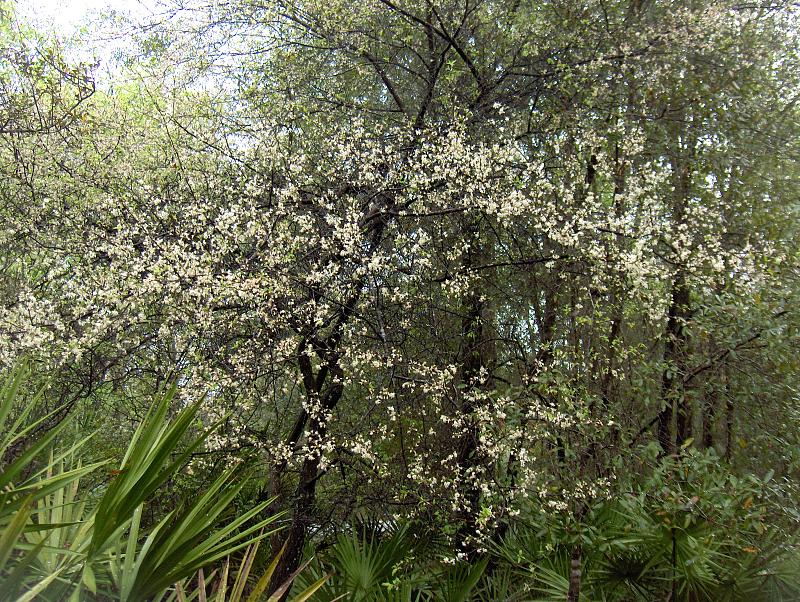
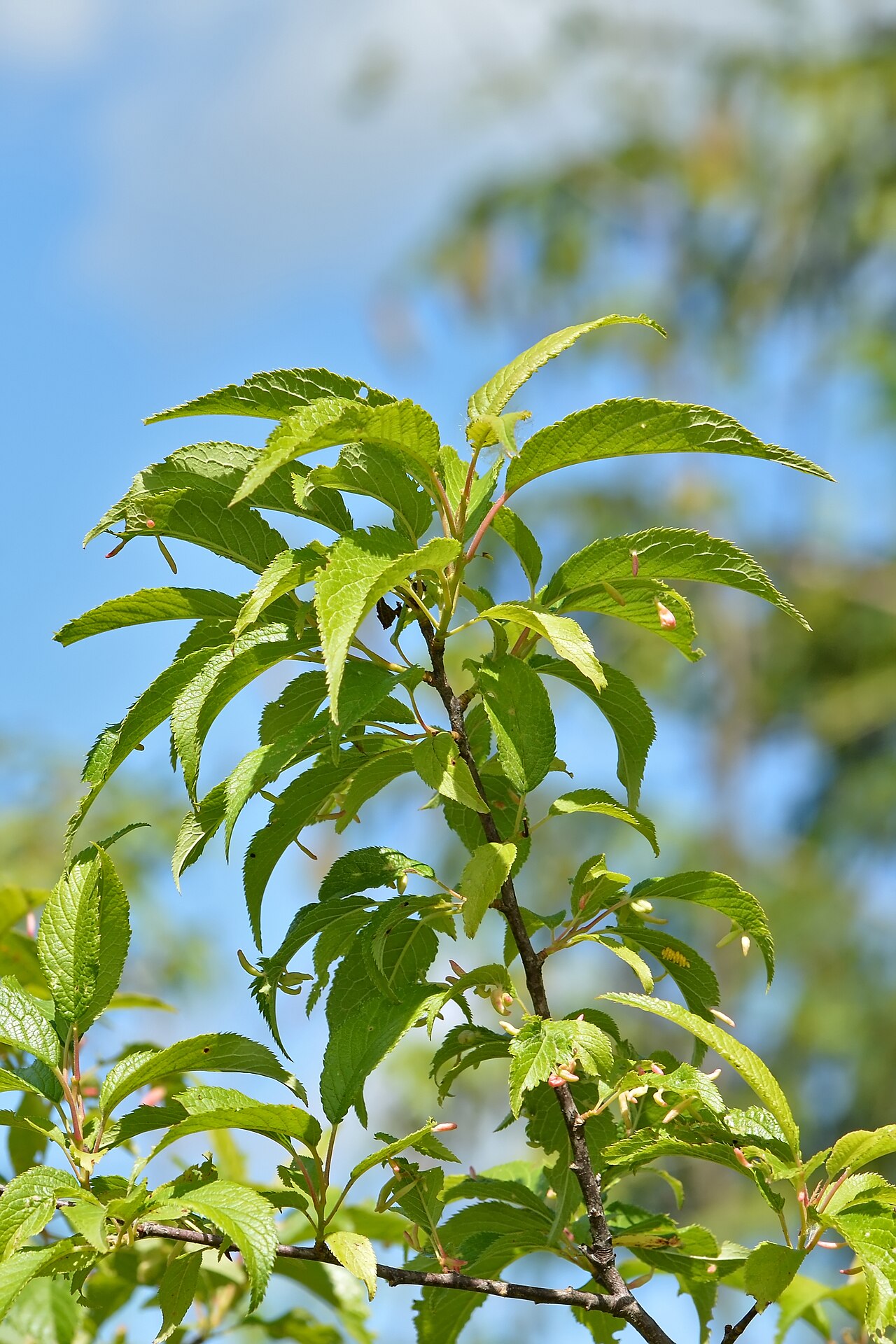
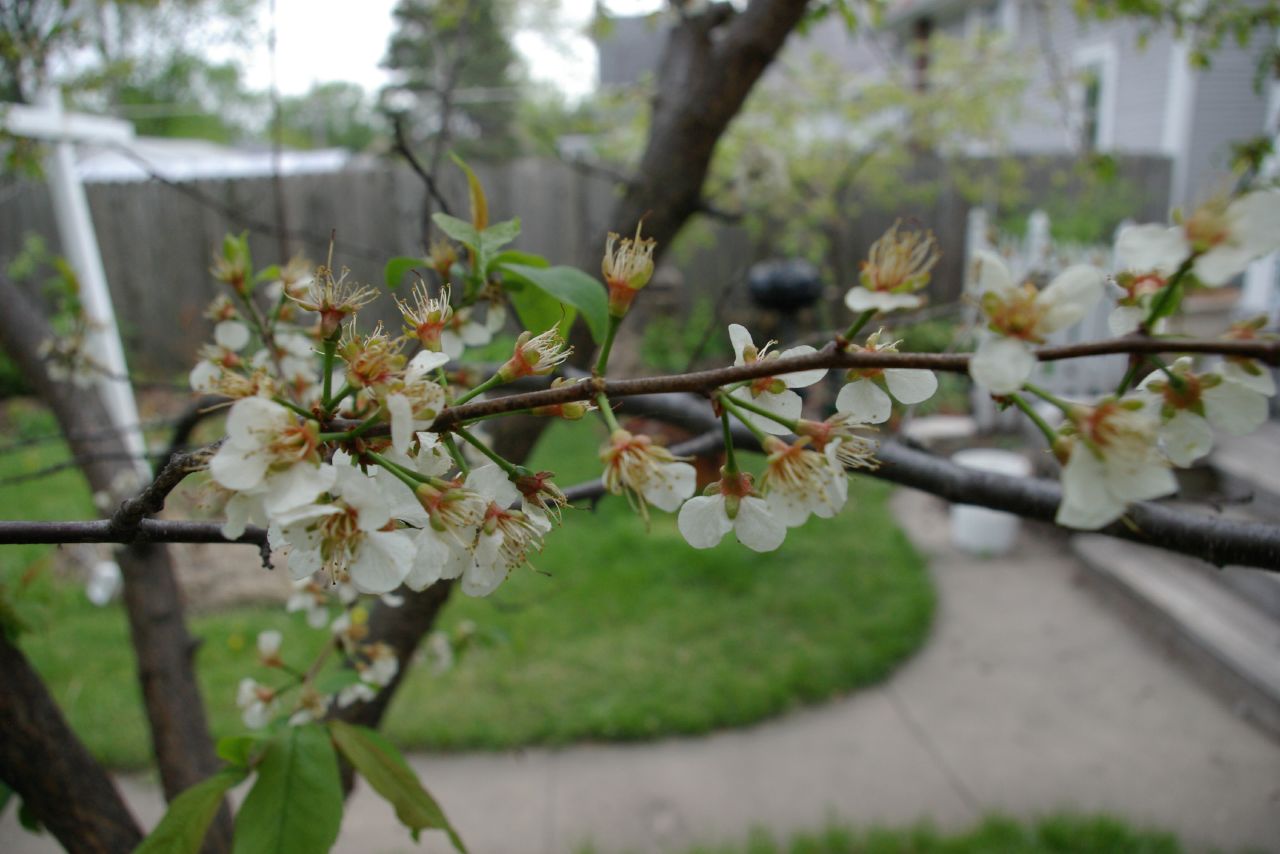
American plum is a native North American small tree, 15-25 feet tall, with white spring flowers and yellow-to-red fruit about an inch across, eaten fresh or made into preserves, jelly, and wine. It is tough in a way cultivated plums are not: hardy to zone 3, tolerant of drought and a range of soils, and useful as a pollinator and rootstock for hybrid plums. Plant in full sun in well-drained soil, and expect it to sucker into a thicket if you let it — prune to a single trunk for a tree, or let it thicket for wildlife cover. Fruit quality varies by seedling, so buy from a source that selects for flavor, or grow several and keep the best. It needs cross-pollination from another American or hybrid plum for a full crop.
Water & feeding
Water while young and in drought; established American plum is moderately drought-tolerant. Mulch to hold moisture and suppress suckers where unwanted. Feed lightly in spring with compost; it fruits well on modest fertility.
Common problems
- Black knot fungus — prune out black swellings well below the gall in dry weather.
- Plum curculio and brown rot — clean up fallen fruit and prune for airflow.
- Suckering thickets — mow or cut suckers if you want a single tree.
- Variable seedling fruit — taste before propagating a seedling for jelly.
Harvest
Pick when fruit colors fully and softens; some trees are sweet fresh, others are best cooked. Make jelly, jam, sauce, and wine, or eat the sweet ones fresh. Pick in passes as fruit ripens.
Browse all plant & pest guides
Saving seeds
American plum (Prunus americana) is one of the most forgiving native fruit trees to grow from seed, and also one of the most honest about what seed will and will not give you. The seed is the pit inside the fruit: each plum, yellow to red and about an inch across, holds a single flattened stone. Save the pits from fruit you actually liked eating, because a seedling is a gamble on flavor, and starting from a tree whose fruit you enjoyed at least loads the dice a little.
Harvest fruit when it colors fully and softens, usually in summer, and clean the pits right away. Rub or wash every trace of pulp off, because pulp left on invites rot and can inhibit germination; a brief soak and a good rinse does the job. Pits sown immediately in fall need no drying at all. Pits you plan to hold should be briefly air-dried, then stored cool and sealed, airtight with a desiccant packet, in a refrigerator, and kept cool and dark until you stratify them. Do not leave them loose in a warm room, and do not store them damp and warm, which in Florida is a fast road to mold.
Plum seed needs winter before it wakes. Sow fresh pits outdoors in fall, early enough to pre-chill before the ground freezes, mulched and protected from mice, and nature handles the rest. For spring sowing, stratify indoors: mix clean pits with damp sand or peat, seal in a bag, and refrigerate, cold and moist, for roughly two to three months. Some references stretch the cold period longer, up to several months, or add a warm period first, and germination itself is famously erratic, with many seedlings appearing the first spring and others waiting until the second year, sometimes as long as eighteen months after sowing. So sow more pits than you need, sow about an inch deep in deep pots or a protected seedbed, keep them evenly moist, and do not discard a quiet pot after one season.
Now the two warnings that save disappointment. First, seedlings do not come true. A pit from a named selection like De Soto or Wyant, both listed in the Varieties section below, will not grow into De Soto or Wyant; it will grow into a new, variable American plum seedling, which may be wonderful and may be only fit for jelly. That is not a flaw; it is how seed works, and it is also why this guide advises tasting seedling fruit before propagating it further. If you want a named variety for certain, propagate it vegetatively, from suckers or by grafting, not from seed. Second, do not eat the pits. The flesh of American plum is food; the kernel inside the pit is not, and bitter kernels in particular should never be eaten, because Prunus kernels carry compounds that are unkind in quantity. Pits are for planting, not snacking.
Cross-pollination shapes what you get, too. American plum needs another American or hybrid plum nearby for a full fruit crop, and seed from a cross-pollinated tree will vary even more than seed from an isolated one. Florida note: this guide lists zones 3 to 8, so American plum is a North Florida tree, and in Florida’s mild winters the refrigerator is your winter. Do not rely on a short, warm Florida cold snap to stratify pits; give them their full cold, moist months in the fridge, dry them thoroughly before any dry storage, and keep them airtight, cool, and dark until stratification begins.
Varieties
Every named variety of American Plum with its own growing guide:
- De Soto American Plum — A named selection of the native wild plum: hardy, tough, and still the plum that makes the best wild-plum jelly.
- Wyant American Plum — The historic native plum selection: large red fruit for a wild plum, very hardy, and still a jelly-maker’s plum.