
🍑 Wyant American Plum
What it looks like
Why this variety
Wyant is a piece of plum history still worth planting: a named selection of the native American plum (Prunus americana) that gained popularity across the Upper Midwest in the era when horticulturists from Wisconsin, Iowa, Minnesota, and South Dakota shared selections for larger fruit and sweeter flavor. For a wild plum, Wyant’s fruit is large — red, juicy, and good fresh, but truly excellent cooked into jelly, jam, and wine, which is how American plums have always earned their keep.
Like all American plums, Wyant suckers and thickets if you let it — mow or prune suckers if you want a single tree rather than a grove — and it needs a pollinizer nearby, another plum selection blooming at the same time, for reliable fruit set. It is very hardy, very tough, and very unbothered by cold that kills pampered plums, which is exactly why it survived in cultivation while hundreds of other native selections faded.
Florida note, stated plainly: Wyant is a northern tree, zones 3–8, and in Florida it belongs only in far North Florida as a trial — most of the state is too warm and too chill-short for American plum selections to fruit reliably. If you are in the Panhandle or the northernmost counties, try it; south of there, this guide is a history lesson, not a planting recommendation. Check specialty native nurseries for availability — historic selections like Wyant are not big-box stock.
For the species as a whole, see the American Plum growing guide.
How to grow
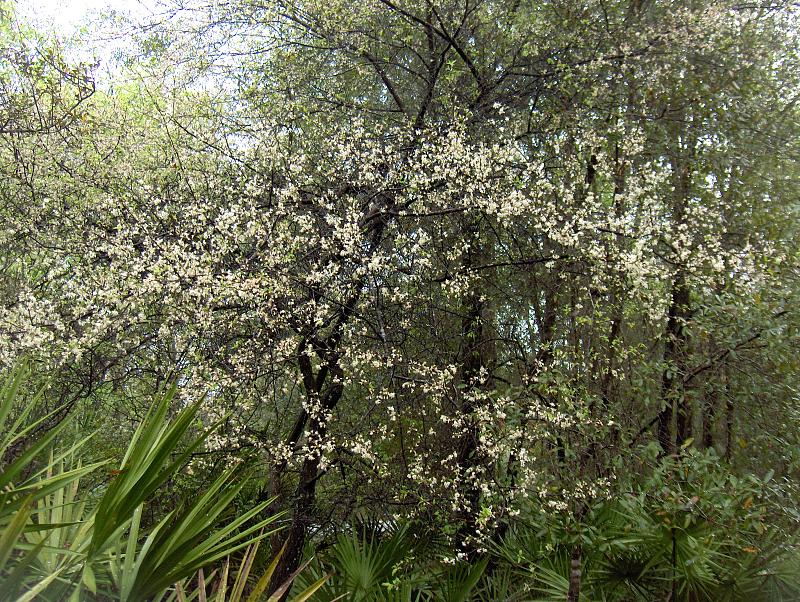
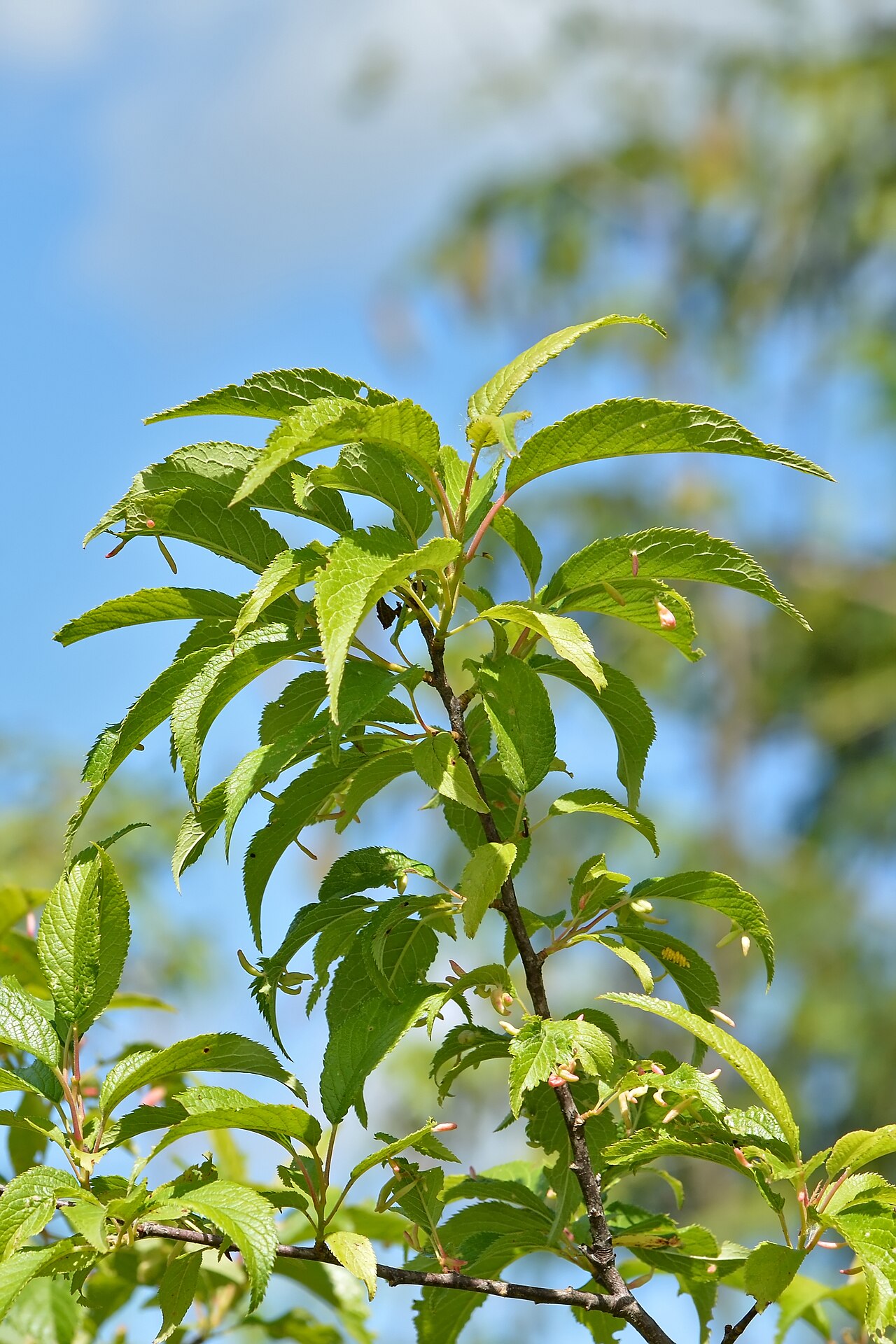
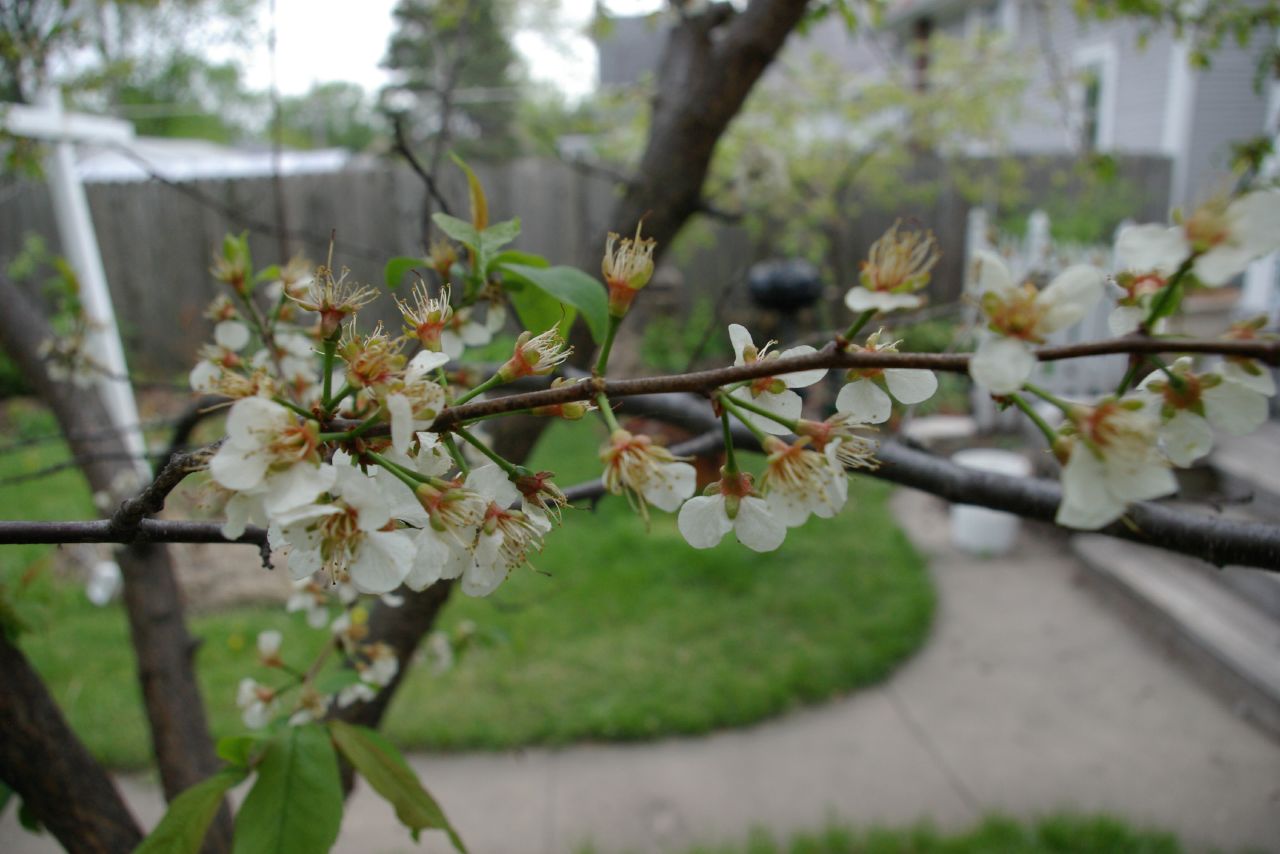
American plum is a native North American small tree, 15–25 feet tall, with white spring flowers and yellow-to-red fruit about an inch across, eaten fresh or made into preserves, jelly, and wine. Plant in full sun in well-drained soil, and expect a suckering, thicket-forming habit — mow or prune suckers if you want a single tree rather than a grove. Most American plums are not reliably self-fertile, so plant two different selections (or a compatible plum) nearby for good fruit set. Prune to an open center in late winter and thin fruit if branches overload.
Plant in full sun in well-drained soil, plant a second plum selection nearby for pollination, and manage suckers yearly if you want a tree rather than a thicket.
Water & feeding
Water while young and in dry spells; established American plum tolerates drought better than many plums. Mulch to hold moisture. Feed in spring with compost or a balanced fertilizer; avoid heavy nitrogen that pushes leafy growth at the expense of fruit.
Common problems
- Plum curculio and brown rot — the usual stone-fruit pair; clean up fallen fruit and prune for airflow.
- Black knot — hard black swellings on branches; prune well below them in winter and destroy the prunings.
- Suckering — the tree wants to become a thicket; remove unwanted suckers promptly if you want a single trunk.
- Variable seedling fruit — buy named selections for predictable flavor; seedlings are a lottery.
Harvest
Pick when fruit colors fully red and softens slightly; taste for sweetness, since wild-plum selections range from tart to sweet. Eat fresh if sweet, or cook into jam and jelly — Wyant’s traditional use, and still its best one. Fruit ripens over a window, so pick in passes.
Browse all plant & pest guides
Saving seeds
Wyant is a piece of plum history still worth planting: a named selection of the native American plum (Prunus americana) that gained popularity across the Upper Midwest in the era when horticulturists from Wisconsin, Iowa, Minnesota, and South Dakota shared selections for larger fruit and sweeter flavor. For a wild plum, Wyant’s fruit is large — red, juicy, and good fresh, but truly excellent cooked into jelly, jam, and wine, which is how American plums have always earned their keep. Like all American plums, Wyant suckers and thickets if you let it — mow or prune suckers if you want a single tree rather than a grove — and it needs a pollinizer nearby, another plum selection blooming at the same time, for reliable fruit set. It is very hardy, very tough, and very unbothered by cold that kills pampered plums, which is exactly why it survived in cultivation while hundreds of other native selections vanished. Seed will not repeat it: Wyant is a named selection, and seedlings vary in fruit size and flavor. Keep Wyant true by grafting or by transplanting a rooted sucker from the parent tree. The full method is in the Saving seeds section of the American Plum guide.