
🥝 Anna Hardy Kiwi
What it looks like

Why this variety
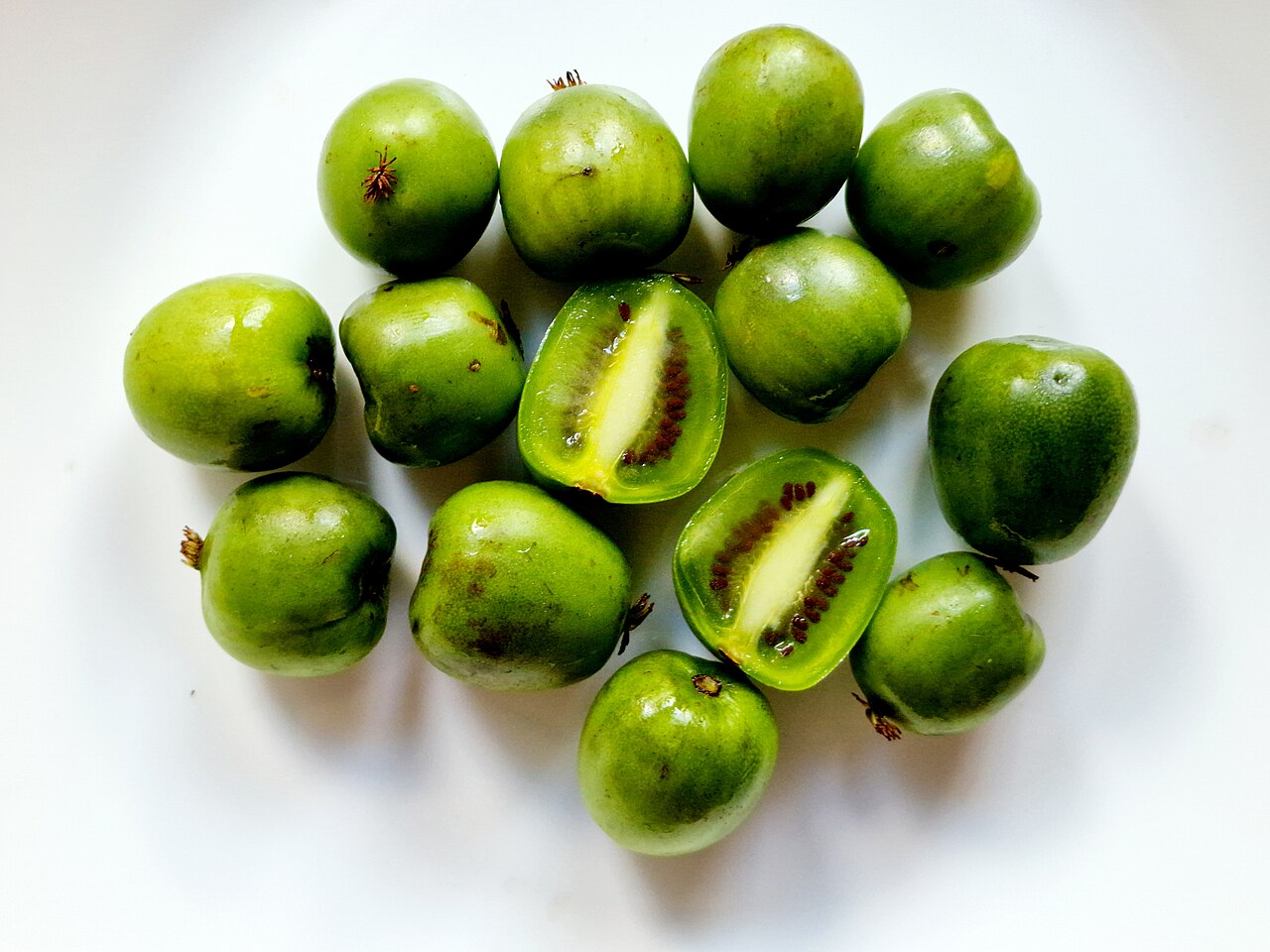
Anna — sold under the name Anna, botanically Ananasnaya, Russian for pineapple-like — is the hardy kiwi connoisseurs plant first: large, sweet, aromatic fruit with a hint of pineapple in the flavor, on a vigorous vine that fruits heavily once established. It is the standard against which other hardy kiwis are judged, because its fruit are bigger than Issai’s, its flavor is more complex, and its crops are generous when the vine is happy. The fruit are smooth-skinned and eaten whole, like grapes, and a mature Anna vine on a strong arbor can produce tens of pounds of kiwi berries in a good year — enough to eat fresh, freeze, and still give away.
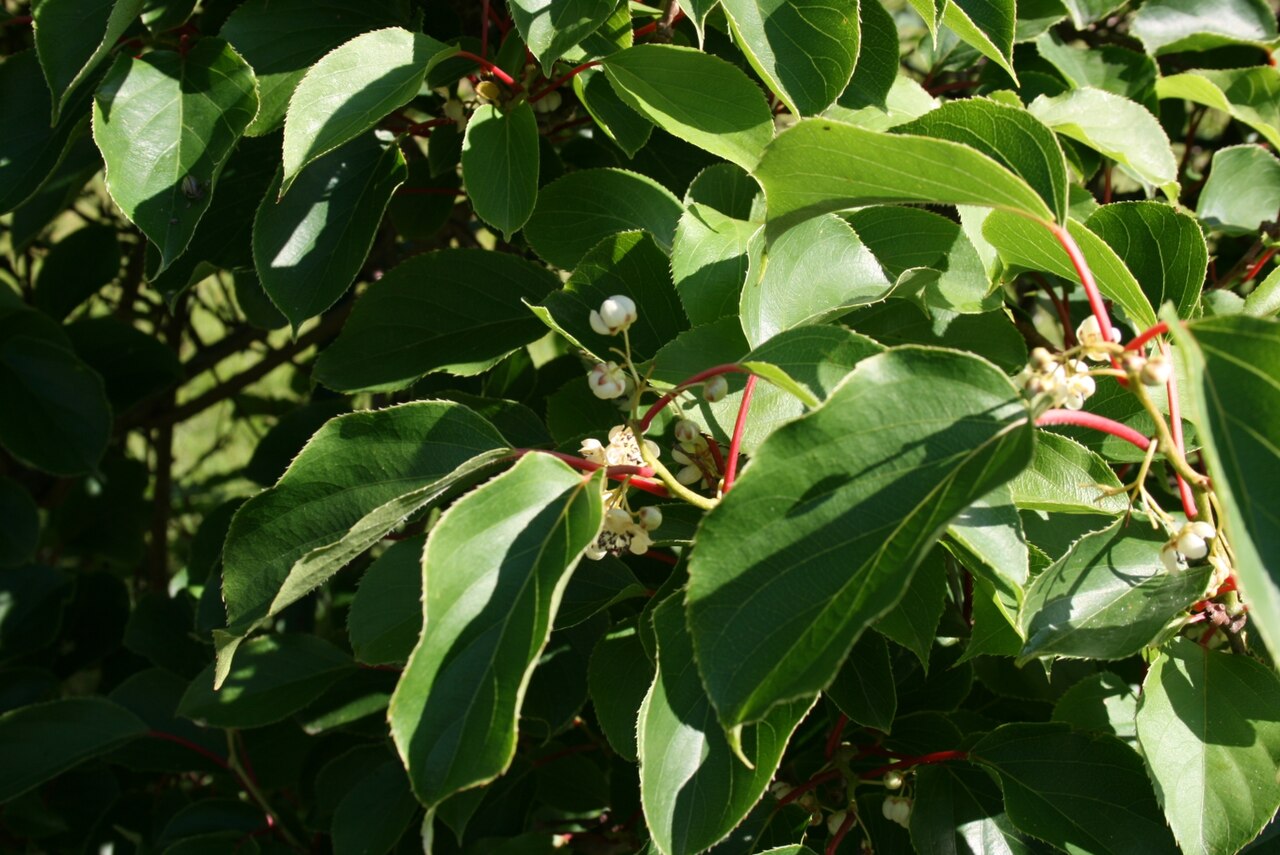
The trade-off is pollination and vigor. Anna is female and needs a male hardy kiwi nearby — one male vine pollinates several females, but without it you get flowers and no fruit, which is the most common hardy kiwi disappointment. It is also a vigorous vine that needs a strong trellis and annual winter pruning, because kiwis fruit on new growth and an unpruned vine becomes a leafy jungle. And like Issai it needs real winter chill, which limits it in Florida to the Panhandle trial, with late frosts as a real risk to spring flowers. Plant Anna with a male, or plant Issai alone — but do not plant Anna alone and expect fruit.
If you are new to choosing between cultivars, the Varieties Matter guide explains why the name after the plant matters as much as the plant itself. Anna is a perfect example: it is not just a hardy kiwi in the abstract, it is a hardy kiwi with a specific job, a specific history, and specific strengths.
Florida honesty: hardy kiwi is a North Florida trial only, and Anna is the trial for a Panhandle gardener who already grows Issai or is willing to plant a male pollinator alongside it. It needs winter chill that Central and South Florida do not deliver, and its spring flowers need protection from late frosts. Plant it in full sun to part shade on a strong trellis in rich, moist soil, prune hard every winter, and count fruit as the reward for a vine that also makes a beautiful arbor. South of North Florida, this is a photograph plant, not a planting recommendation.
How to grow
Plant dormant vines in early spring on a strong trellis, arbor, or pergola built for weight — a mature kiwi vine is heavy, and a flimsy support is a future collapse. Work worm castings and compost into the planting hole, water consistently, and mulch to hold moisture, because kiwis want rich, moist soil and hate drying out. Prune hard every winter, keeping a framework of permanent arms and cutting back lateral shoots, because kiwis fruit on new growth from one-year-old wood. Plant a male pollinator with female varieties, or plant self-fertile Issai alone.
Set plants 8-10 feet apart on a strong trellis in soil with a pH around 5.5-7.0. Work worm castings into the bed at planting and mulch to hold moisture. A well-fed hardy kiwi plant rewards that care directly: steadier growth, better bloom, and a show that actually shows up.
Water & feeding
Keep soil evenly moist but never waterlogged — hardy kiwis want rich, moist soil and hate drying out, especially while fruiting, and a vine that dries out drops fruit and wilts dramatically. Water at the soil line, mulch deeply to hold moisture and keep roots cool, and feed moderately: castings and compost at planting plus a balanced organic feed in spring. In a dry spell, water deeply and regularly; in a wet season, drainage matters, because kiwi crowns rot in standing water.
Common problems
- No fruit without pollination — female Anna needs a male vine nearby; plant a male, or plant self-fertile Issai alone.
- Failure to fruit without winter chill — a warm winter means few or no fruit; in Florida this limits hardy kiwis to a North Florida trial.
- Late frost killing spring flowers — cover vines on frost nights in spring, because one cold night can wipe out a year’s crop.
- Overvigorous growth swallowing supports — prune hard every winter and thin shoots in summer, or a kiwi vine becomes a jungle.
- Root rot in waterlogged soil — kiwis want moist soil, not standing water; improve drainage and do not plant where rain ponds.
Harvest
Pick fruit in late summer to fall, when berries are soft and sweet to taste — hardy kiwis ripen unevenly, so taste-test before picking the crop, and pick over several weeks as berries soften. Eat whole, skin and all, like grapes, or freeze surplus berries on trays before bagging. After harvest, prune hard in winter, keeping a framework of permanent arms and cutting back laterals, because next year’s fruit grows on new wood from one-year-old canes. Protect spring flowers from late frosts, or there will be no crop to pick.
Browse all plant & pest guides
Saving seeds
Anna is a named female cultivar, so seed saved from it won’t come true — buy vines, and plant a male hardy kiwi nearby for fruit. The Saving seeds section of the Hardy Kiwi guide covers seed for the straight species.