
🌼 Appleblossom Yarrow
What it looks like
Why this variety
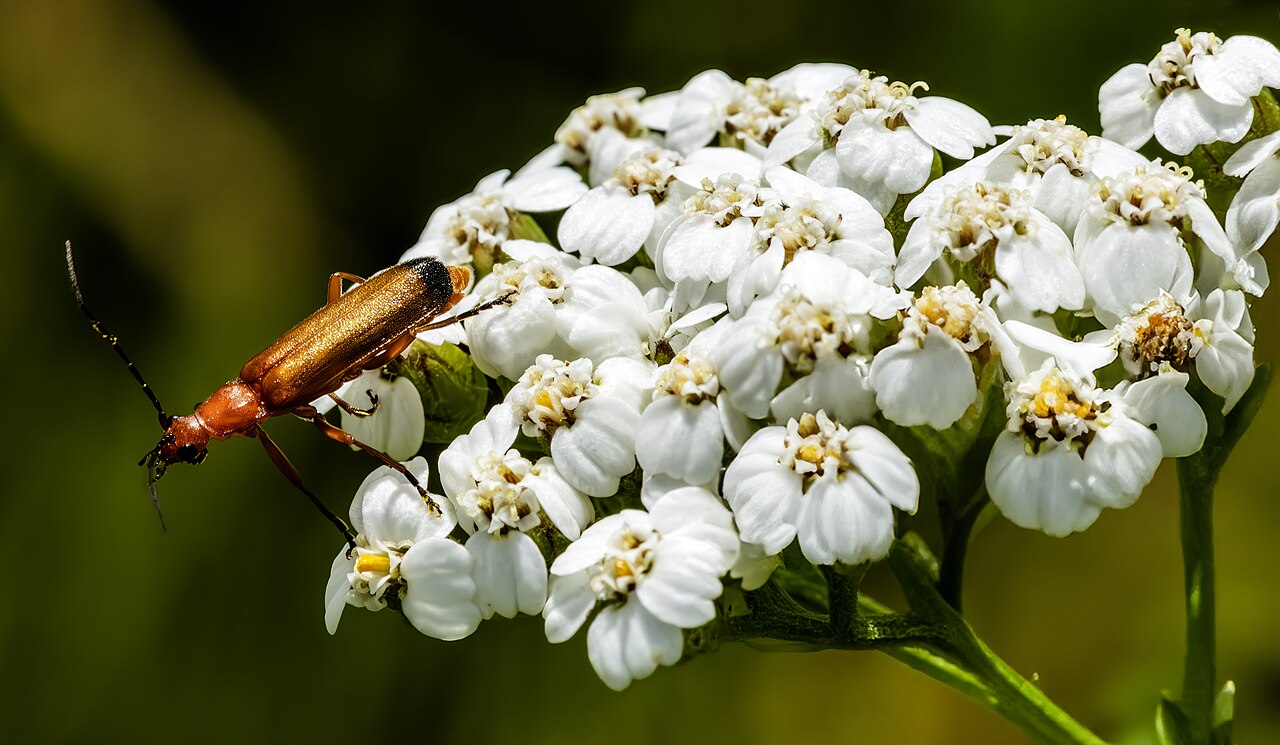
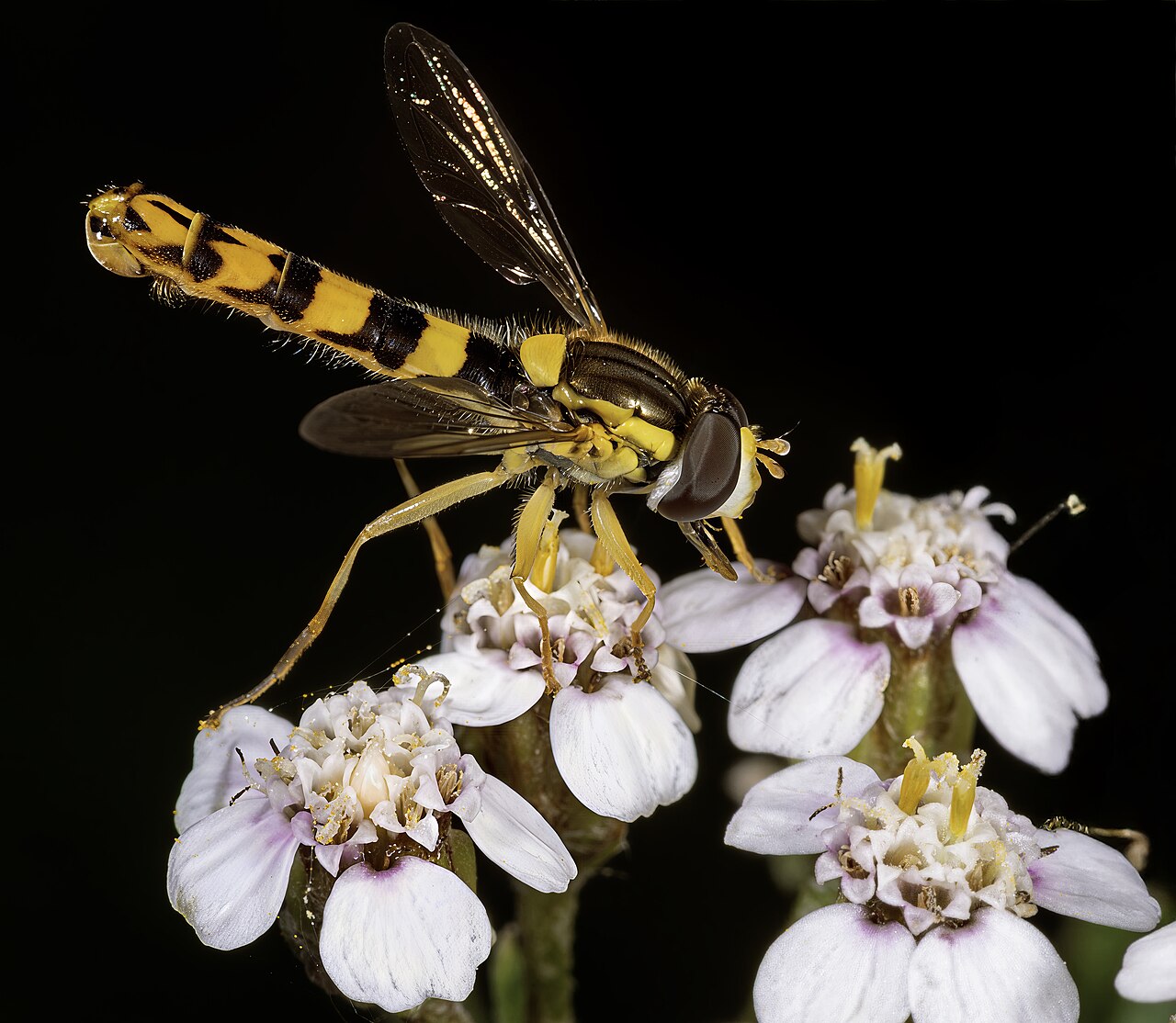
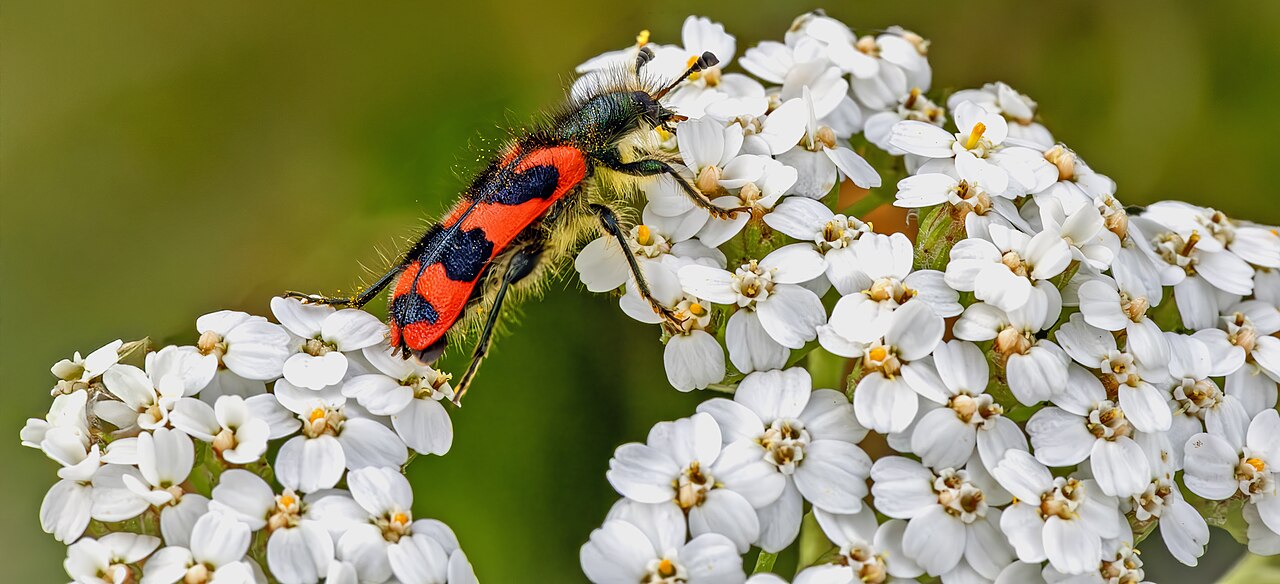
Appleblossom is common yarrow, Achillea millefolium, dressed for a wedding: the same tough, ferny, drought-proof plant as the wild white form, but with flat-topped flower clusters in a soft pink that fades to blush white as the flowers age — so one plant shows two colors at once. It grows 2 to 3 feet tall, blooms from early summer into fall with deadheading, and draws butterflies, bees, and beneficial insects the way a porch light draws moths, except usefully.
In Florida, Appleblossom is a North and Central perennial that thrives on sun and lean soil — the rare perennial that asks less of you in August, not more. Its ferny foliage is aromatic when brushed, its flowers cut and dry beautifully, and its toughness makes it a good choice for hellstrips, sunny banks, and beds that get watered when somebody remembers.
How to grow
Set out transplants in spring or fall, 18 to 24 inches apart in full sun. Appleblossom spreads by rhizomes, so give it room or divide every 2 to 3 years to keep it polite — division is also how you get free plants for the next bed. Deadhead the first flush for rebloom, and cut back by a third after flowering if the plant flops or looks tired.
Lean soil is the secret: rich soil grows tall, floppy yarrow, while our naturally lean Florida sand, amended with just a little compost or worm castings, grows compact, heavy-blooming plants. Castings feed soil microbes that make nutrients plant-available without pushing soft growth, which is exactly the balance yarrow wants. Mulch lightly and keep the crown dry.
Water & feeding
Water to establish, then sparingly: established yarrow is drought-tough and prefers an inch a week at most. Overwatering causes crown rot and flopping, the two things that ruin yarrow’s good name. Feed almost nothing — a spring top-dressing of compost is enough, and heavy fertilizer is the fastest way to a plant that falls over.
Common problems
- Flopping in rich soil or shade: full sun and lean soil, not stakes, are the fix.
- Crown rot in soggy soil: drain well and plant high.
- Spreading by rhizomes: divide every few years or site it where spreading is welcome.
- Aphids on flower heads: blast with water; the plant outgrows them.
Harvest
Cut fully open clusters for fresh bouquets or dry them upside down in bundles — the pink fades to a soft blush that holds well in dried arrangements. Deadhead through summer for rebloom. The ferny foliage is aromatic and was traditionally used in teas and wound care, but enjoy it as an ornamental first and research any medicinal use before trying it.
Browse all plant & pest guides
Saving seeds
Appleblossom is a pink-flowered selection, so seed saved from it won’t come true — divide the clump instead. The Saving seeds section of the Yarrow guide covers seed for the straight species.