
🌾 Yarrow
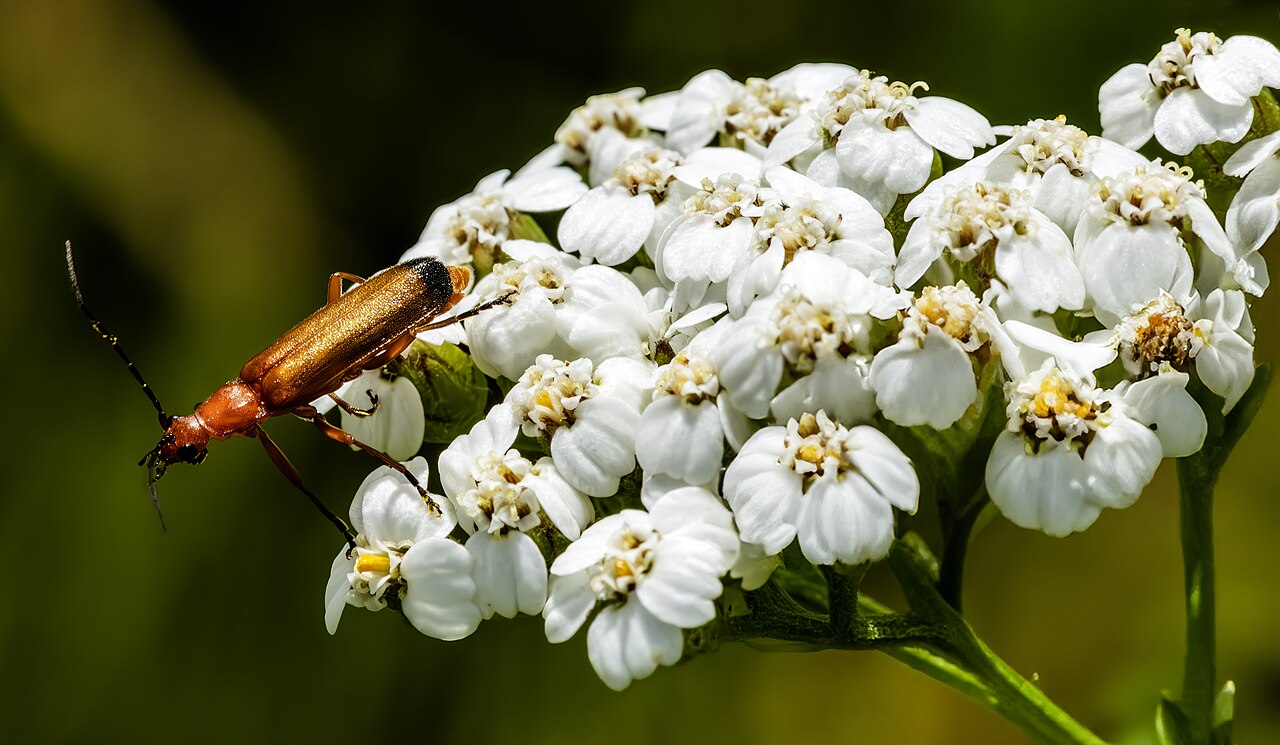
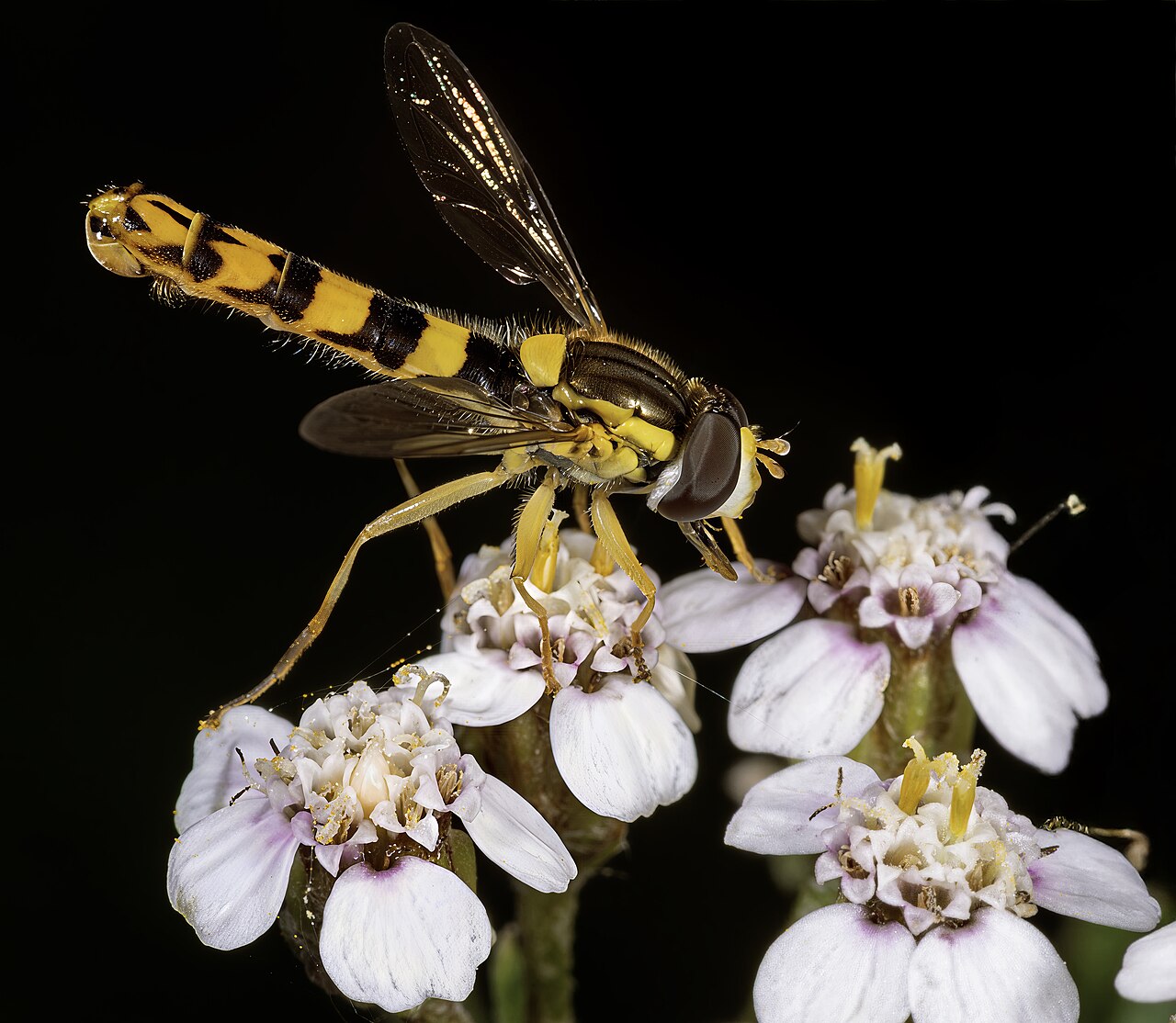
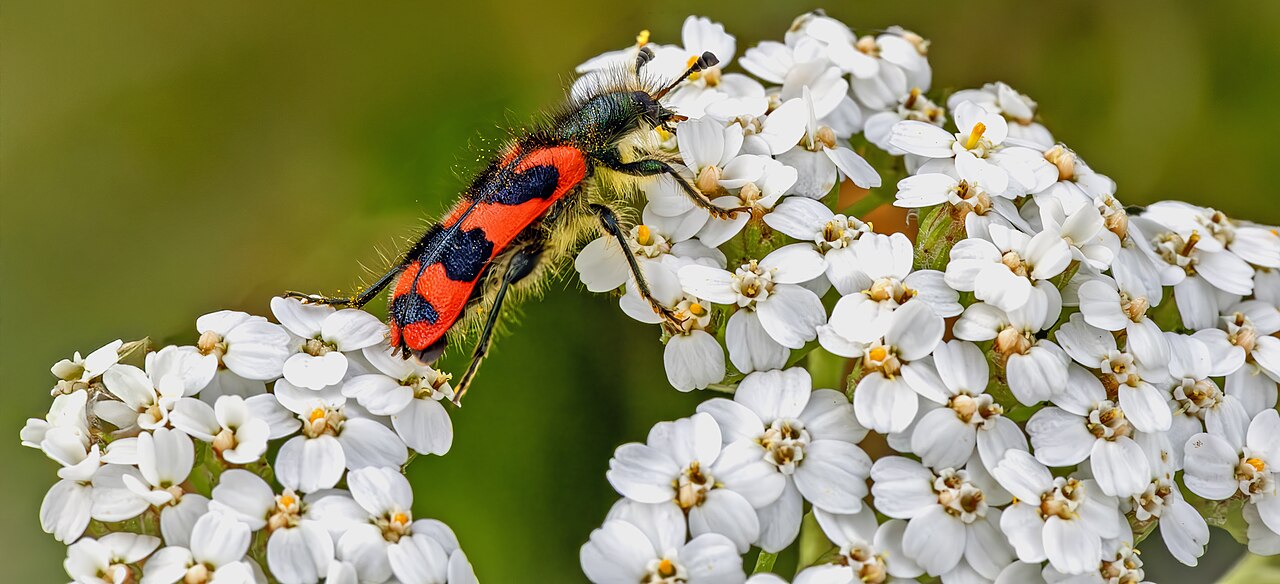
What it looks like
How to grow
Plant in spring in full sun and well-drained soil — yarrow is a prairie native that thrives where fussier perennials fail: hot, dry, lean soil. Modern hybrids offer yellow, pink, red, and apricot flowers (‘Moonshine’ yellow and ‘Paprika’ red are classics); the wild white form self-seeds freely. Rich soil and shade are yarrow’s enemies — they make it tall, floppy, and sparse. It is also one of the most deer- and rabbit-resistant perennials, thanks to its strongly aromatic, fern-like foliage.
Water & feeding
Water to establish; mature yarrow is very drought-tolerant and needs little supplemental water. Overwatering causes flopping and root rot.
Common problems
- Flopping in rich soil or shade — lean soil and sun are the cure
- Few pests; occasionally aphids on flower heads
- Self-seeding of the wild white form (deadhead if it bothers you)
Harvest
Deadhead after the first flush for rebloom, and cut flowers for drying — yarrow dries beautifully and holds its color. Cut back in spring before new growth.
Browse all plant & pest guides
Saving seeds
Yarrow seed is dust — tiny, light-hungry, and easy to lose. Let a few flower heads ripen on the plant until they are dry and brown, then strip them into a paper bag over a sheet of white paper. Sow on the surface of moist mix and do not bury the seed at all; it needs light to germinate. Keep it warm, and germination usually comes in one to two weeks. No cold treatment is needed.
It self-seeds freely, so deadhead if you do not want a patch of it everywhere, or let it go and pull the volunteers you do not want. Save from the plants with the best flowers — the clearest whites, pinks, and yellows, the fullest heads — and dry the seed thoroughly before storing; it keeps a few years in a cool, dry jar.
Seedlings will vary in color, since yarrow crosses freely, so if you want a pure color, grow only one variety for seed. Division is also easy for the clump-forming kinds — lift and split in spring or fall, and every piece with roots and shoots attached becomes a plant.
In Florida, yarrow is a warm-season flower for spring through fall, happiest in full sun and well-drained soil. It is a tough, drought-tolerant flower that earns its keep in a dry, sunny spot, and a plant grown from your own seed is a flower that knows your garden.
Varieties
Every named variety of Yarrow with its own growing guide:
- Cerise Queen Yarrow — The cherry-pink yarrow: vivid cerise-pink flower clusters on a tough, drought-proof plant, the yarrow for hot, sunny beds.
- Paprika Yarrow — The red yarrow: brick-red flat-topped flowers that fade to soft pink, the yarrow that starts arguments about what red means.
- Terracotta Yarrow — The sunset yarrow: terracotta-orange flowers that fade through gold to soft yellow, the yarrow that changes color as it ages.
- Moonshine Yarrow — The silver-and-lemon yarrow: soft silver foliage and clear pale-yellow flowers on a plant that thrives on neglect — the drought garden’s best friend.
- Coronation Gold Yarrow — The tall golden yarrow: big, flat, mustard-gold flower plates on 3-foot stems — the dried-flower classic and the back-of-the-border anchor.
- Red Velvet Yarrow — The velvet-red yarrow: deep crimson flower plates that hold their color without fading to pink — the red that yarrow was never supposed to have.
- Appleblossom Yarrow — The pink yarrow: soft apple-blossom-pink flower clusters that fade to blush white, on a tough plant that laughs at drought.
- New Vintage Rose Yarrow — The compact rose yarrow: vivid rose-pink clusters on a tidy, mildew-resistant plant bred for small gardens and big color.