
🌾 Cerise Queen Yarrow
What it looks like
Why this variety
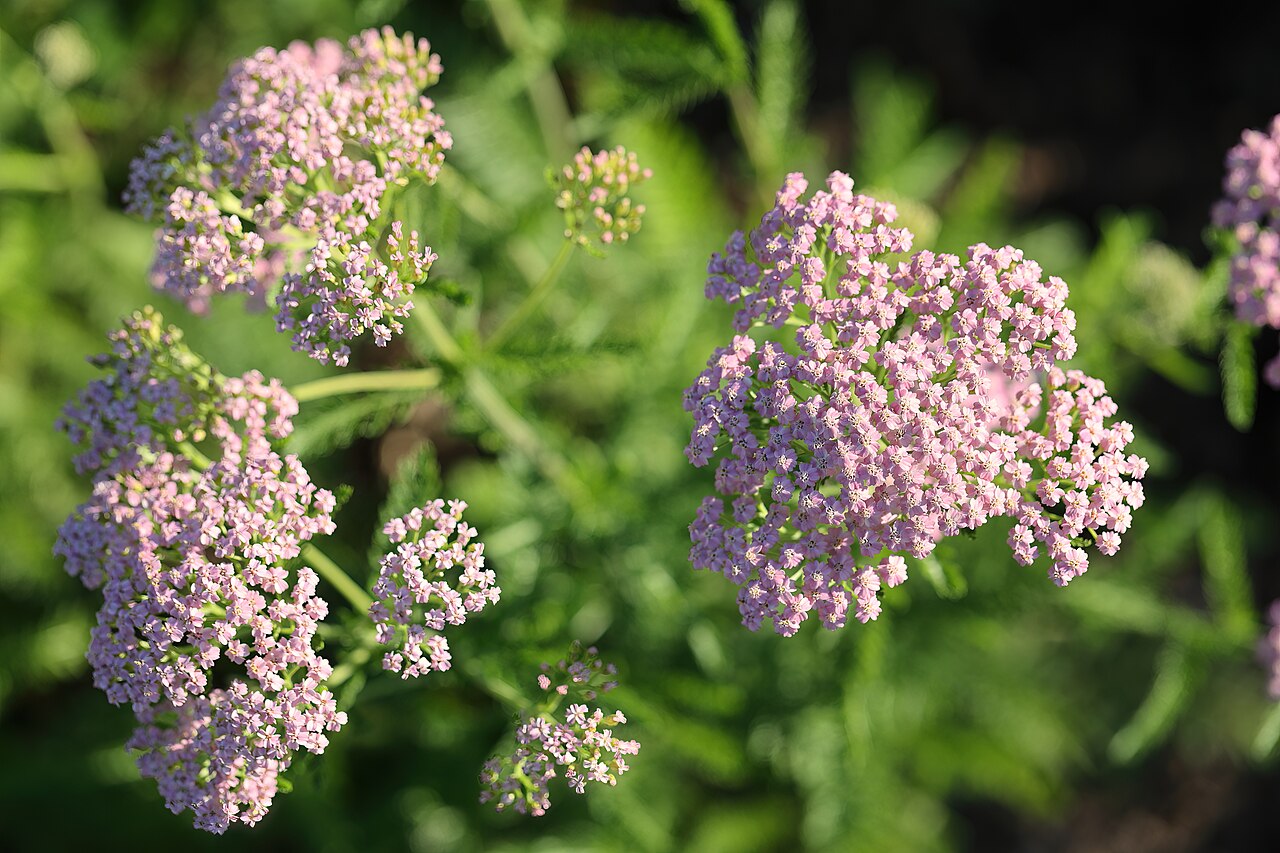
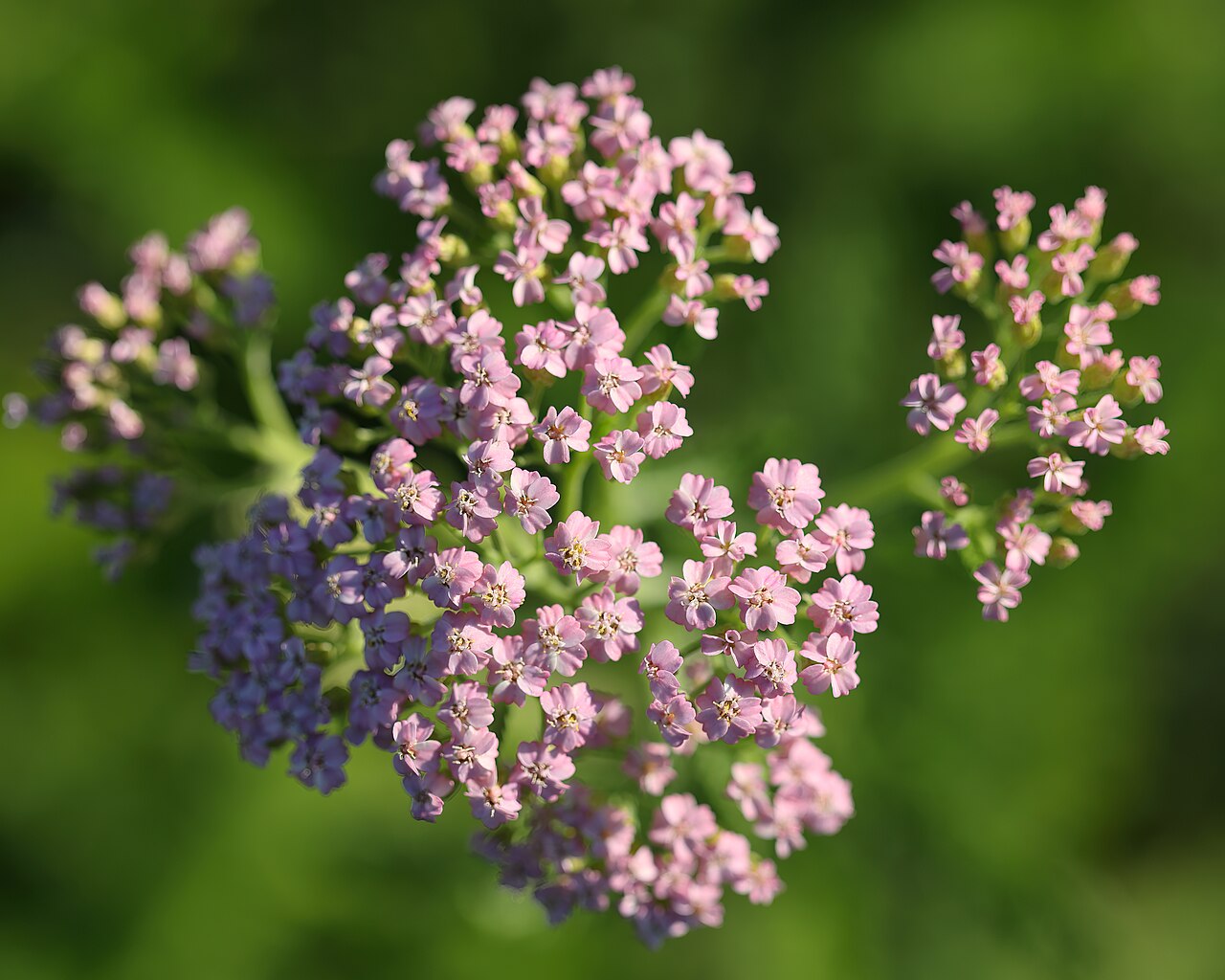
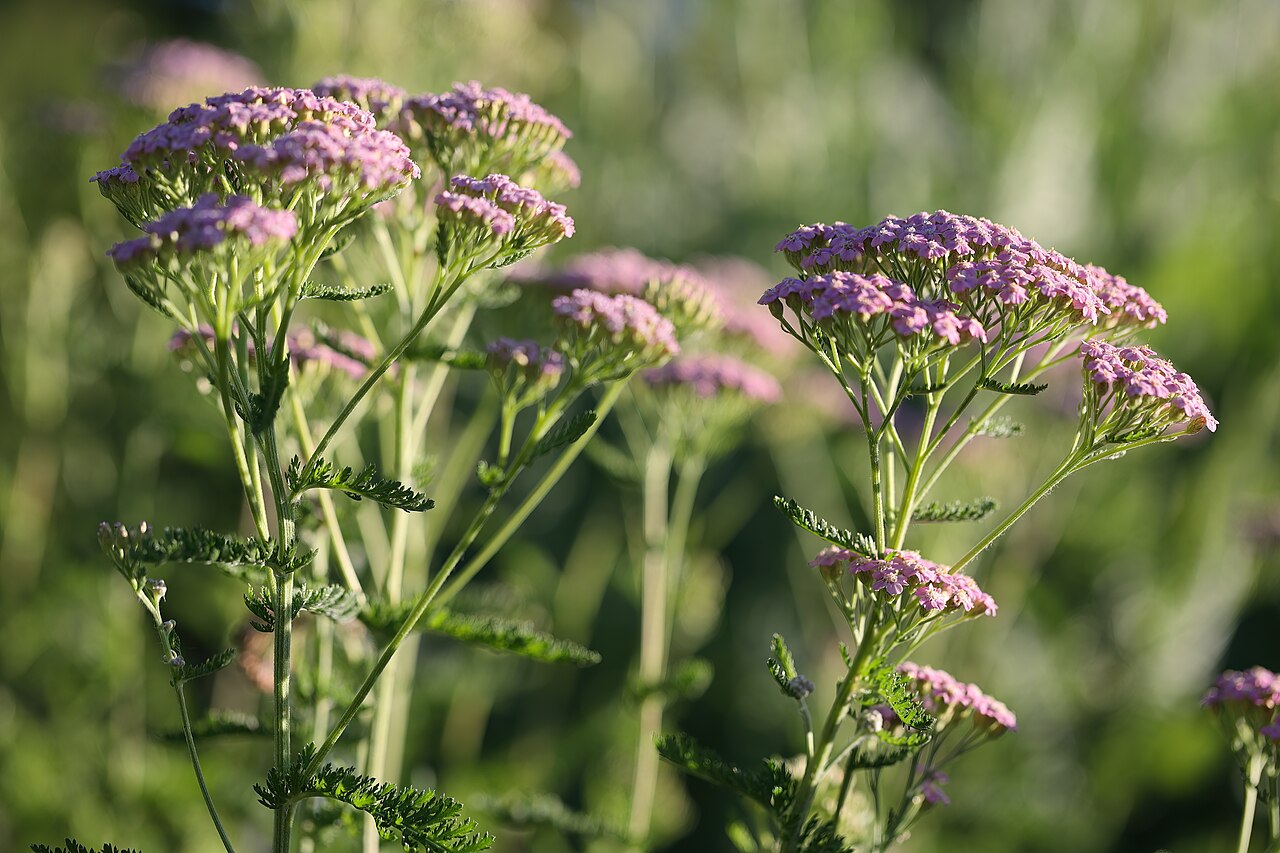
Cerise Queen is the cherry-pink yarrow, with vivid cerise-pink flat-topped clusters on a tough, drought-proof plant, and it is the yarrow for gardeners who find Paprika’s brick red too somber. Its color is brighter, cleaner, and more modern, and it holds up in hot, sunny beds where pastel flowers wash out by noon. Like every millefolium cultivar it is a survivor: deer ignore it, drought does not faze it, and poor soil suits it better than rich soil, which is a rare and wonderful combination in a flower.
Grow Cerise Queen like Paprika: full sun, lean, well-drained soil, deadheading for repeat bloom, and division every few years to keep clumps vigorous. It reaches about 2 feet tall, flowers from early summer into fall with deadheading, and dries beautifully for winter arrangements, because yarrow flowers hold their color when dried. Do not overfeed it, because a fat yarrow is a floppy yarrow, and do not plant it in wet shade, because that is the one thing it cannot forgive.
If you are new to choosing between cultivars, the Varieties Matter guide explains why the name after the plant matters as much as the plant itself. Cerise Queen is a perfect example: it is not just a yarrow in the abstract, it is a yarrow with a specific job, a specific history, and specific strengths.
Florida framing, stated plainly: yarrow is a North and Central Florida plant first, and Cerise Queen is no exception. Lean soil, drainage, and air are mandatory, and South Florida’s wet summers make it a trial. Plant it in fall or early spring so it establishes before summer heat arrives.
How to grow
Set out transplants in spring or fall, or sow seed indoors and transplant after frost, in full sun and lean, well-drained soil, because yarrow’s whole identity is sun, drainage, and neglect. Work a little worm castings into the bed at planting, space 12 to 18 inches apart, and water to establish, then water sparingly. Deadhead spent clusters for repeat bloom into fall, divide clumps every few years if centers go woody, and do not overfeed, because a fat yarrow flops.
Set plants 12-18 inches apart in soil with a pH around 6.0-7.5. Work worm castings into the bed at planting and mulch to hold moisture. A well-fed yarrow plant rewards that care directly: steadier growth, better bloom or fruit, and a show that actually shows up.
Water & feeding
Water to establish, then water sparingly; yarrow is drought-tolerant once established and rots in wet soil, so overwatering is the mistake to avoid. Water at the soil line, do not mulch heavily, and feed lightly or not at all: castings at planting is usually enough, because rich soil makes floppy yarrow with fewer flowers. Deadhead for repeat bloom, divide clumps every few years, and give yarrow sun and air.
Common problems
- POWDERY MILDEW in humid, crowded plantings — space for air, water at the soil line, and choose an open, sunny site.
- FLOPPINESS in rich soil or shade — lean soil and full sun make sturdy yarrow; do not overfeed or plant in shade.
- CROWN ROT in wet soil — yarrow’s killer; plant in sharp drainage and do not overwater.
- WOODY CENTERS with age — divide clumps every few years to keep plants vigorous.
- SPREADING by seed and rhizomes — yarrow self-sows freely; deadhead if you do not want volunteers, or edit seedlings in spring.
Harvest
Cut flower clusters for bouquets in summer, when blooms are fully open, because yarrow lasts well in water and dries beautifully, holding its color into winter arrangements. Deadhead spent clusters for repeat bloom into fall, because a yarrow left to set seed stops flowering, and divide clumps every few years if centers go woody. Leave some stems standing for pollinators where winters are mild, and save seed only if you accept that cultivar seedlings may vary.
Browse all plant & pest guides
Saving seeds
Cerise Queen is a named cultivar, so seed saved from it won’t come true — divide your clumps instead. The Saving seeds section of the Yarrow guide covers seed for the straight species.