
🌲 Aptos Blue Coast Redwood
What it looks like
Why this variety
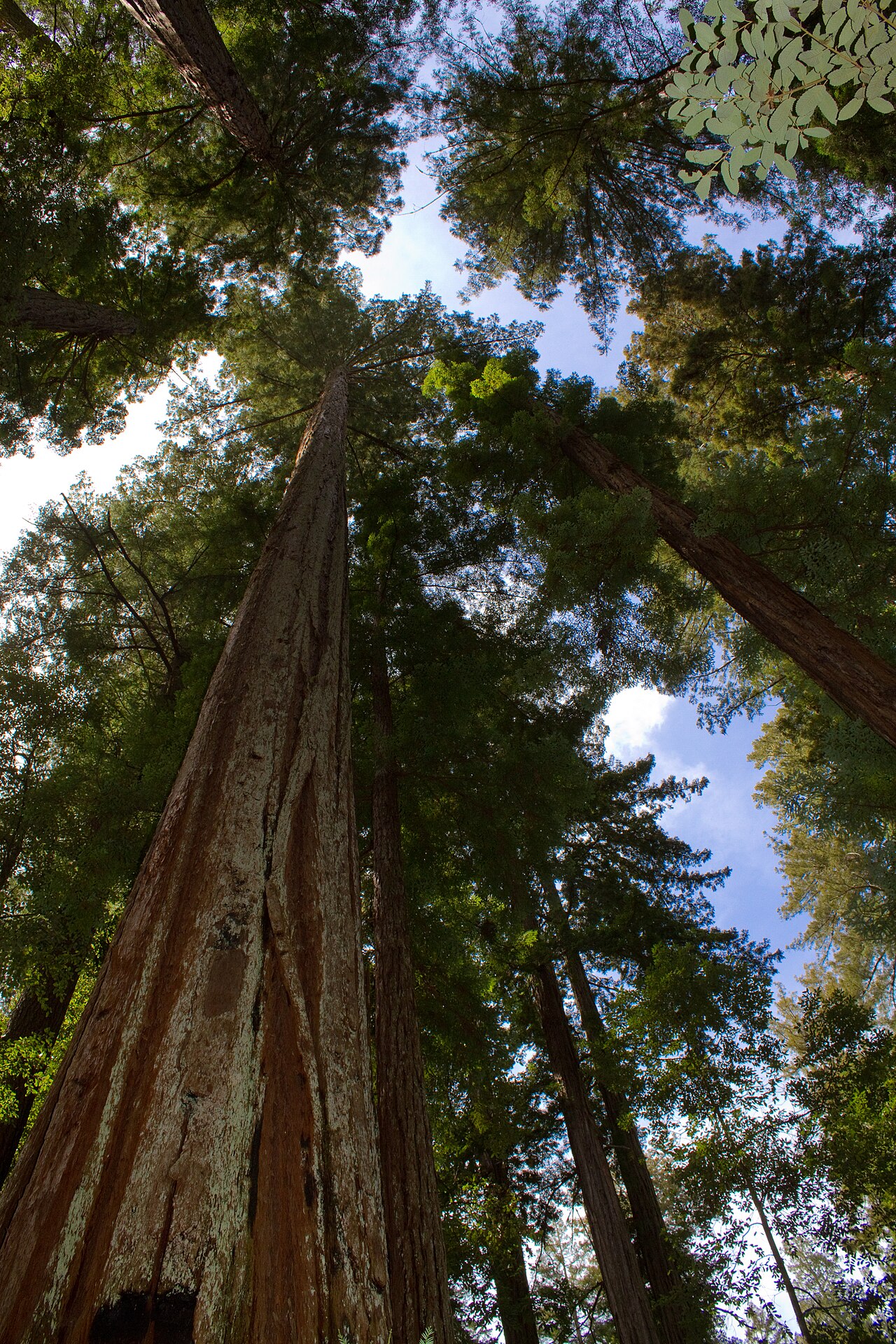
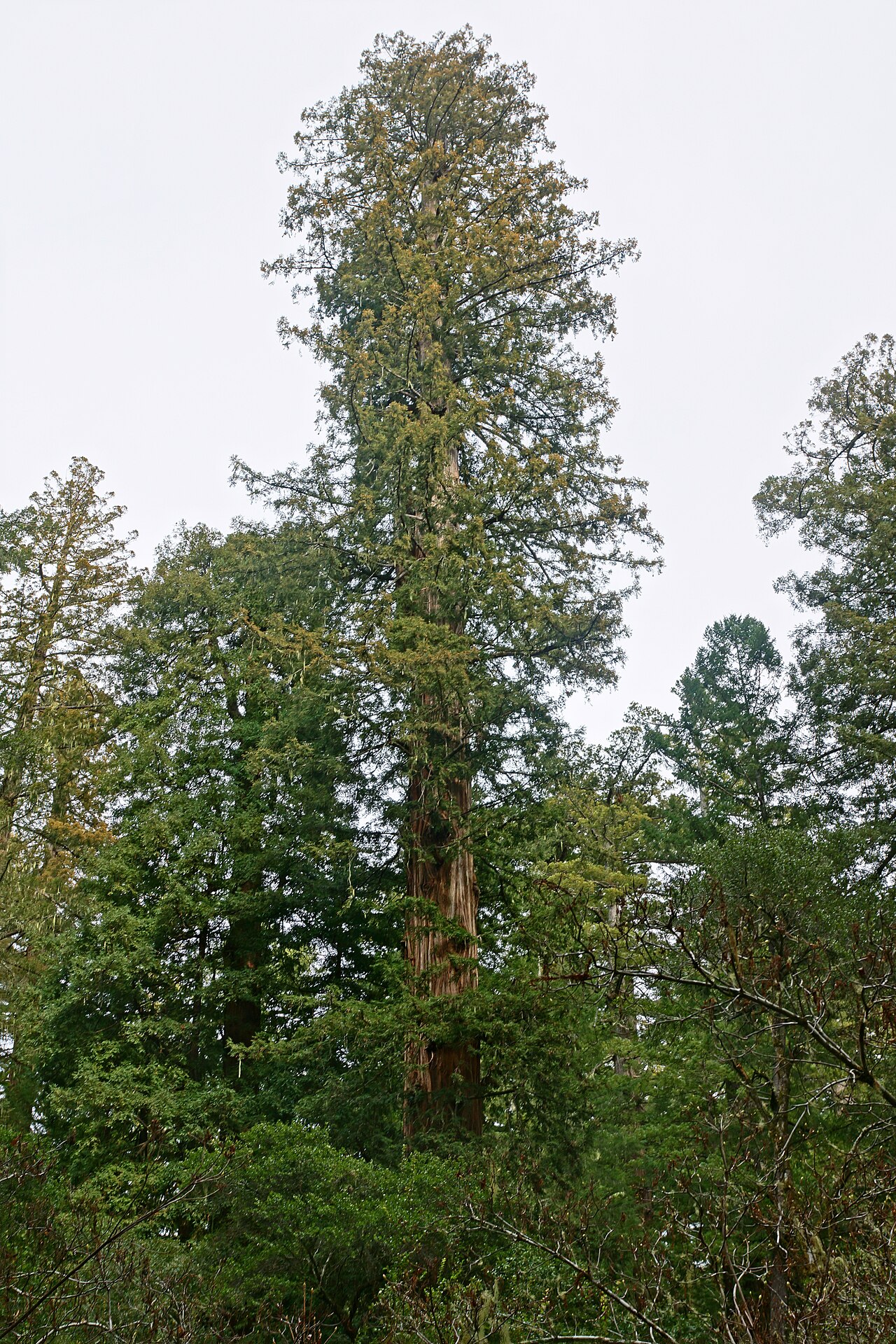
Aptos Blue is the coast redwood selected for foliage color: where the species is deep green, Aptos Blue carries a distinct blue-green cast that makes it stand out in a conifer collection, on a fast-growing, relatively narrow evergreen that keeps a tidy pyramidal form when young. It is a genuine named cultivar of the tallest tree species on Earth, propagated from a selected seedling, and for a collector of conifers it is one of the most recognizable redwood forms in the trade.
Florida framing, stated as bluntly as this guide can state it: Aptos Blue is an extreme trial, not a landscape recommendation, anywhere in Florida. Coast redwood wants cool, humid, fog-bathed summers and mild, wet winters — the opposite of a Florida summer — and even in North Florida, heat, humidity, and fungal pressure are likely to defeat it. A collector with a cool, moist, shaded microclimate and excellent drainage can trial it as an experiment, with no promise attached. If you want a tall Florida evergreen, plant something else; if you want to test a redwood against Florida, this is the cultivar to test, with eyes open.
If you are new to choosing between cultivars, the Varieties Matter guide explains why the name after the plant matters as much as the plant itself. Aptos Blue is a perfect example: it is not just a coast redwood in the abstract, it is a coast redwood with a specific job, a specific history, and specific strengths.
How to grow
Plant in spring in full sun to part shade, in acidic, humus-rich, well-drained soil that stays moist — coast redwood is a cool, humid-climate tree that wants soil that never dries out and air that never bakes. Work worm castings and compost into the planting hole, mulch deeply, and water deeply and consistently through dry spells. In Florida this is an experiment, not a landscape plan: choose the coolest, moistest, most sheltered microclimate available, and understand that heat and humidity may defeat the tree regardless of care.
Set plants 15-20 feet in soil with a pH around 5.5-6.5. Work worm castings into the bed at planting and mulch to hold moisture. A well-fed coast redwood plant rewards that care directly: steadier growth, better bloom, and a show that actually shows up.
Water & feeding
Keep soil consistently moist at all times — coast redwood wants cool, moist soil, and a tree that dries out scorches, stalls, and shrinks for a season. Water deeply at the soil line, mulch deeply, and feed lightly: castings and compost at planting plus a spring top-dress. Never let a young redwood bake dry, and never plant it in a bed that dries between rains — and understand that in Florida, water alone cannot replace cool, humid air.
Common problems
- Heat and humidity failure — the likely end of a Florida redwood trial; heat, humidity, and fungal pressure thin and kill young trees even with good care.
- Scorch in dry soil or sun — a redwood that dries out scorches and stalls; water deeply and mulch, and give it shelter from baking sun.
- Fungal needle diseases in humid air — space for air, water at the soil line, and remove affected foliage.
- Outgrowing its site — a happy redwood grows fast and huge; never plant one where its mature size would be a problem.
- False hope from a good first year — a redwood can look fine for a season and fail in the second summer; judge a trial over years, not months.
Harvest
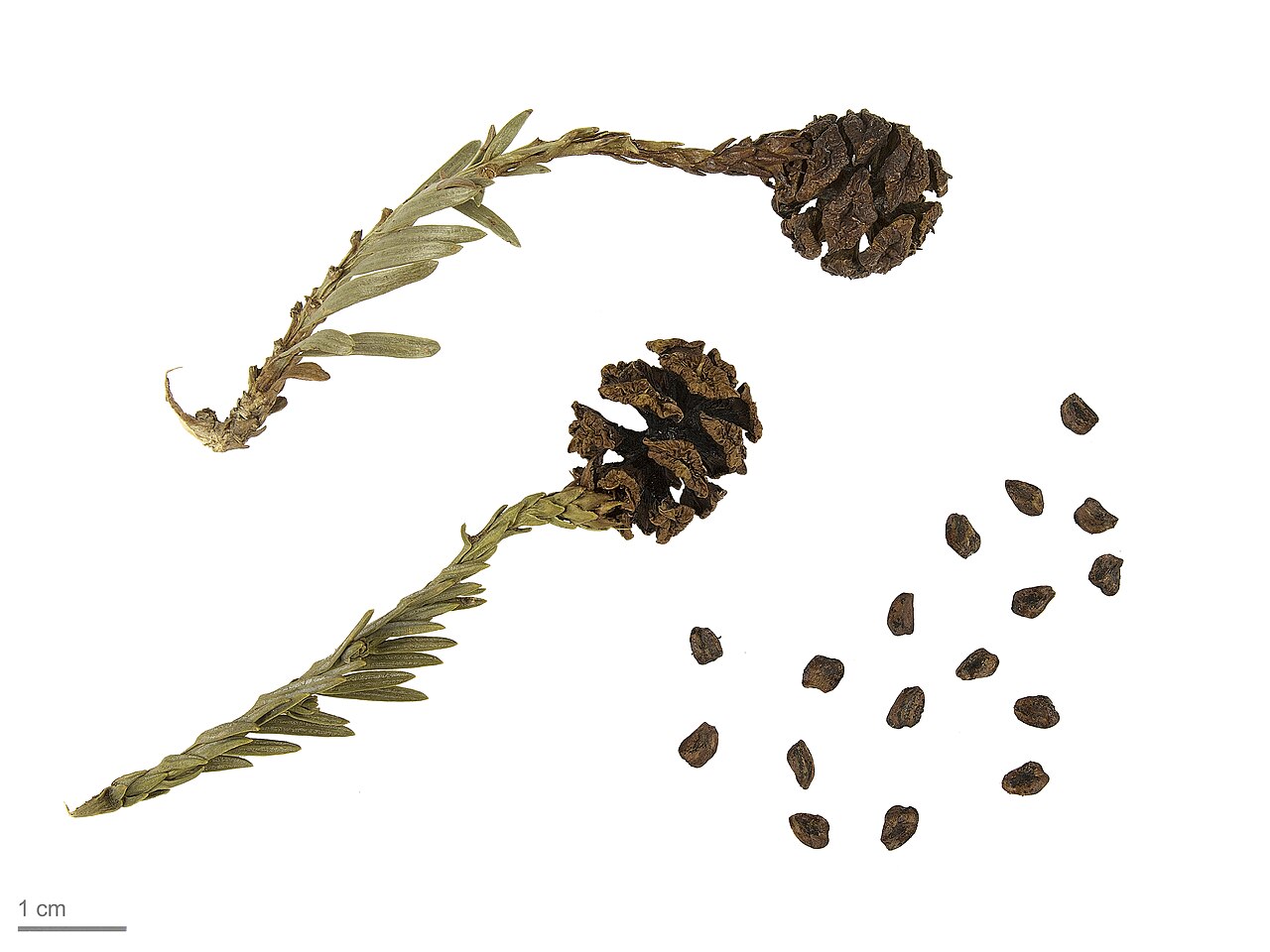
There is no flower or fruit harvest — coast redwood is grown for foliage and form, and its cones are insignificant. The seasonal work is care and honesty: water deeply, mulch, and watch a trial tree over years, not months, because a redwood trial is judged on survival through summers, not on first-year growth. Prune only dead or crossing branches, and do not top a redwood — topping ruins its form permanently, and a redwood that cannot be a redwood is not worth having.
Browse all plant & pest guides
Saving seeds
Aptos Blue is a named cultivar, so seed saved from it won’t come true — buy a nursery tree instead. The Propagation section of the Coast Redwood guide covers how to multiply the species.